Nahal Mearot blends cave history with family-friendly walks
Caves, marked trails and a prehistoric film make this nature preserve a rewarding half-day outing for families and history-minded walkers.

More photos
Photos published by travelers on Google, not AI generated.
What stands out
- Prehistoric caves
- Film about early human life
- Choice of short and longer walks
- Well-marked trails
- Picnic space
Worth knowing
- Longer routes require water and proper shoes
- The archaeological trail heads uphill
- Do not rely on there being a stream
Don't miss
What comes up most in public reviews
- Watch the prehistoric film inside the cave
- Explore the main cave
- Ask staff about the available hiking routes
- Walk the archaeological trail
- Consider the botanical hike
Worth the trip?
Overall impression
Nahal Mearot Nature Preserve earns a Google rating of 4.6 from 3006 reviews, with public feedback consistently presenting it as a worthwhile combination of nature, walking and prehistoric interpretation. Travellers particularly value the opportunity to explore caves while learning how early humans lived and hunted. Several describe the experience as enriching rather than spectacular, suggesting that its appeal lies more in education and context than in dramatic scenery alone.
Families appear to get the most from the preserve. Reviewers say the caves prompt children to ask questions about prehistoric life, while the choice of routes allows groups to tailor the visit to different ages and energy levels. Picnic space also makes it practical to turn a short cave visit into a relaxed half-day outing.
Caves and interpretation
The caves are the central attraction in the reviews. A film shown inside one cave explains aspects of prehistoric human life and is repeatedly identified as something visitors should not miss. It adds structure to the experience, particularly for children who may otherwise see the site mainly as a place to climb and explore.
One reviewer reports that the main cave is suitable for a baby stroller. The approach includes properly paved stairs that were considered convenient to climb, although families should still consider whether every part of their chosen route will suit a stroller. The archaeological trail is described as heading uphill, so it may require more effort than the main visitor area.
The educational material gives the preserve its strongest identity. Public reviews focus on the lives of human ancestors, their dependence on hunting and the harsh conditions they faced. Visitors interested in nature alone may find other parks more impressive, but those combining walking with archaeology and human history are more likely to consider the visit memorable.
Trails and practical planning
Reviews indicate that several walking options are available, ranging from shorter experiences around the exhibits and caves to longer circular walks. The botanical hike is described by one visitor as the longest option. Trail markings receive praise, and staff at the entrance may explain the available hikes and help visitors choose a suitable route.
Preparation matters on longer walks. A reviewer who arrived at 8:30 am was advised to carry ample water, use sunscreen and wear proper hiking shoes. That visitor also warned against starting much later in hot weather. An early arrival therefore makes sense for anyone planning more than the caves and short interpretive route.
Claims of a stream or water walk for children are uncertain in the supplied feedback, so families should not plan the day around that feature without checking current conditions.
Verdict
Synthesized public feedback points to a well-marked, educational preserve that works especially well for families, casual hikers and travellers interested in early human life. It may not rank among Israel’s most visually striking parks for every reviewer, but the caves, film and range of routes give it enough substance for half a day. The best visit combines the interpretive cave experience with a walk suited to the group’s fitness, followed by a picnic if time allows.
Plan the rest of the trip
Ask anything
Looking for somewhere else?
Keep exploring
More from Israel
Israel · Jerusalem
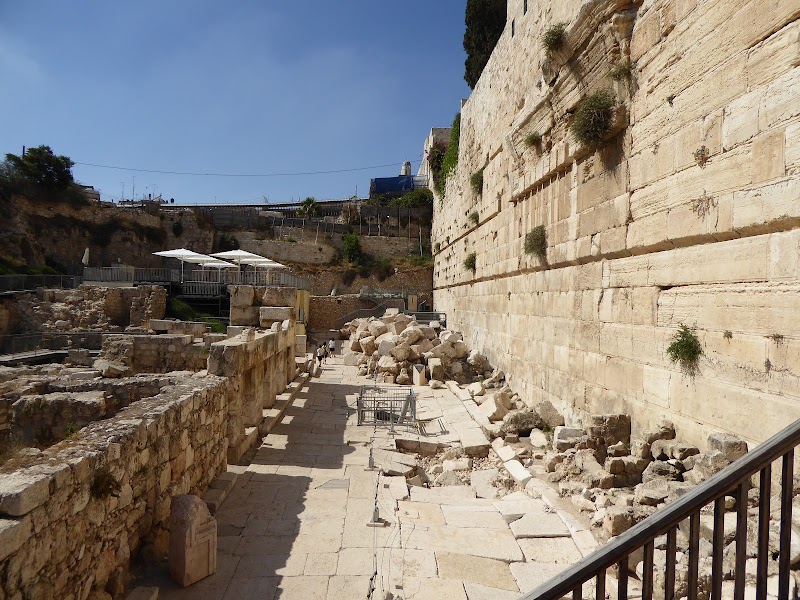
Ancient Jerusalem in Stone at the Western Wall Excavations
Ruins, ritual spaces and a compact coin display add archaeological depth to a visit around Jerusalem’s Western Wall.
Israel
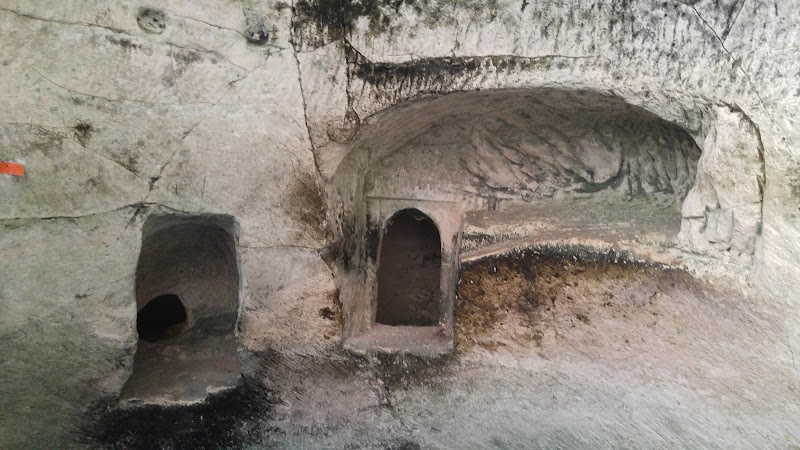
Maresha: Hilltop Views and a Varied Underground World
Maresha combines flower-covered hilltop scenery with labyrinth, bell and painted burial caves shaped by a complex Hellenistic past.
Israel · Ein Al Sultan
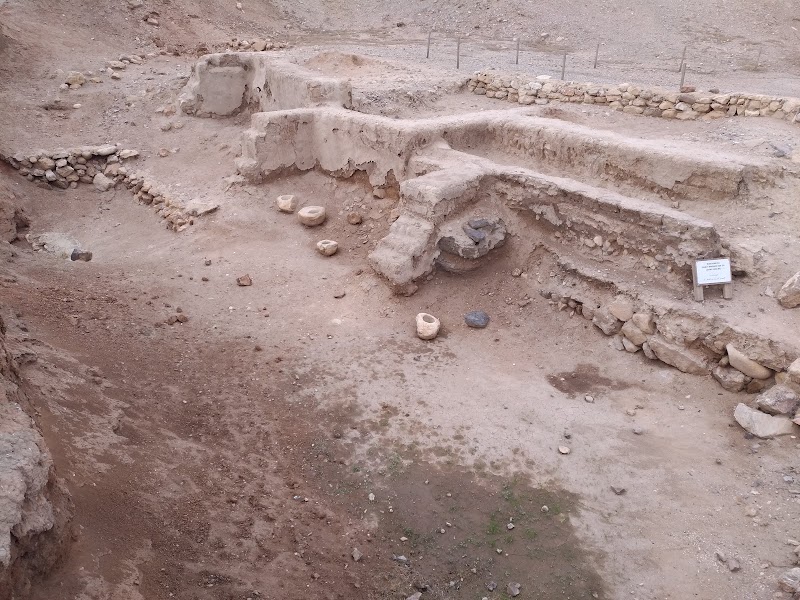
Ancient Jericho at Tell es-Sultan: History in Layers
Public reviews praise Tell es-Sultan’s immense archaeological significance, while cautioning that its excavated remains can appear modest at first glance.
Israel · Jerusalem
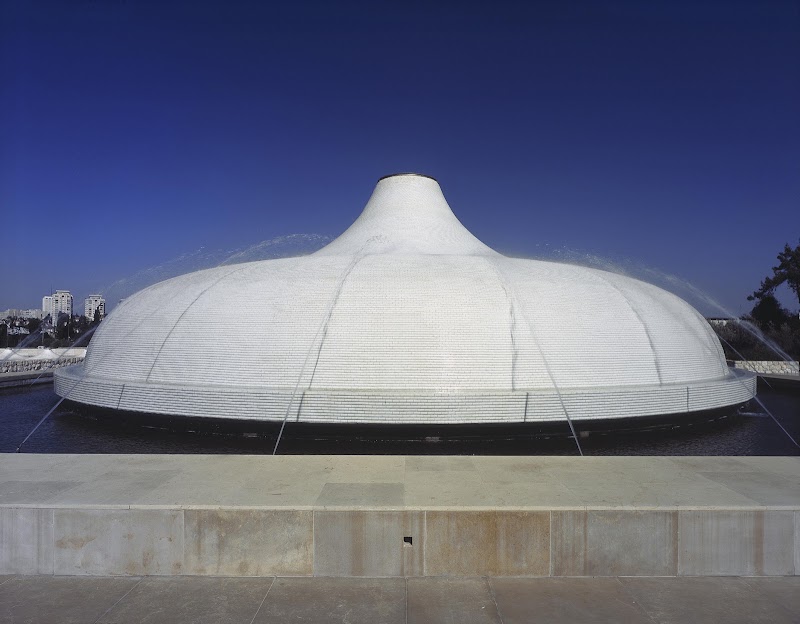
Shrine of the Book: Jerusalem’s Scrolls and Sacred Texts
Public reviews praise this Israel Museum attraction for its Dead Sea Scrolls, Isaiah exhibit, historic codex and nearby model of ancient Jerusalem.