Maya art and archaeology in Guatemala City
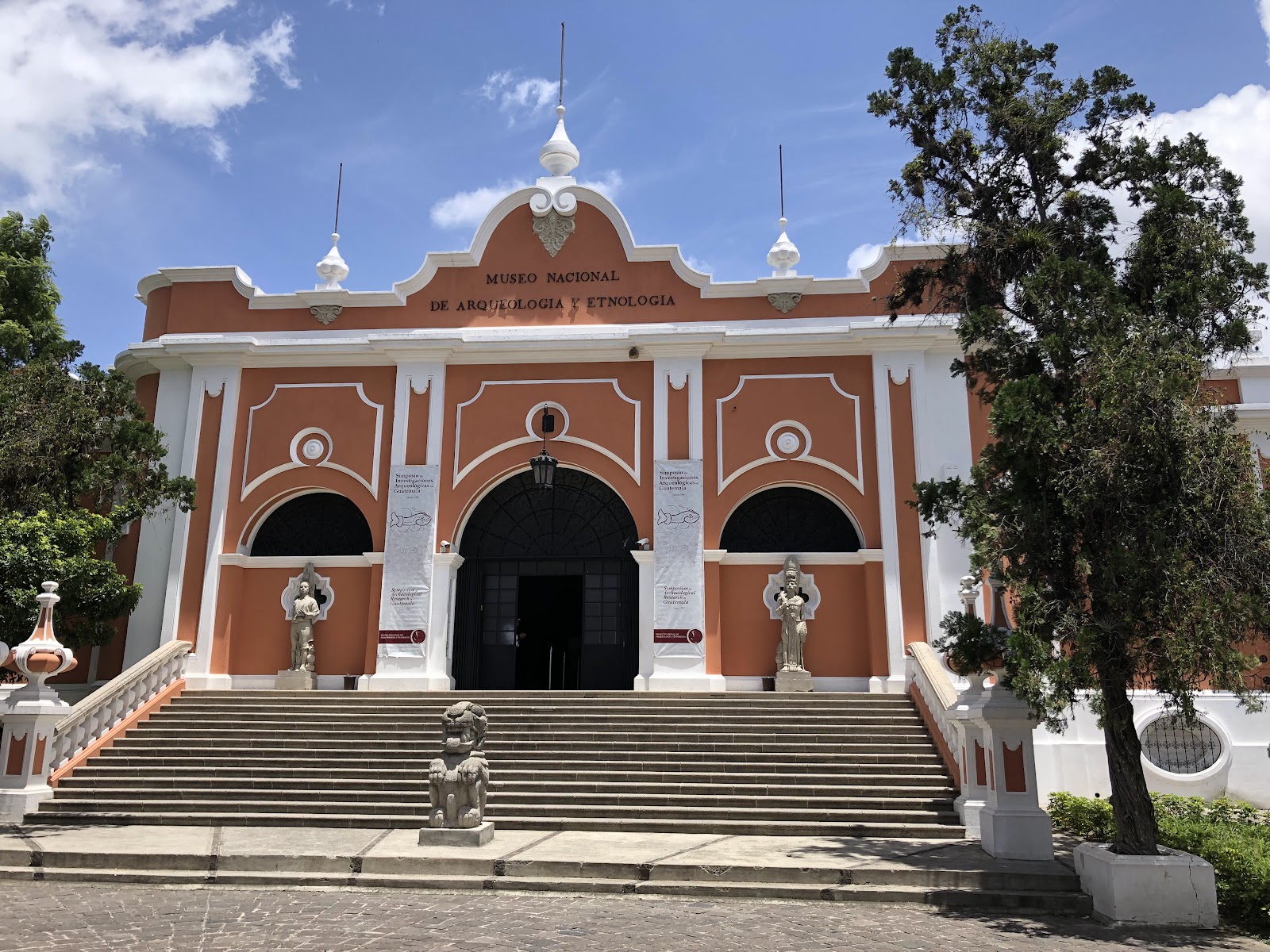
A compact, well-curated museum with jade, ceramics, carved stelae and displays exploring Maya history, writing and living traditions.
More photos

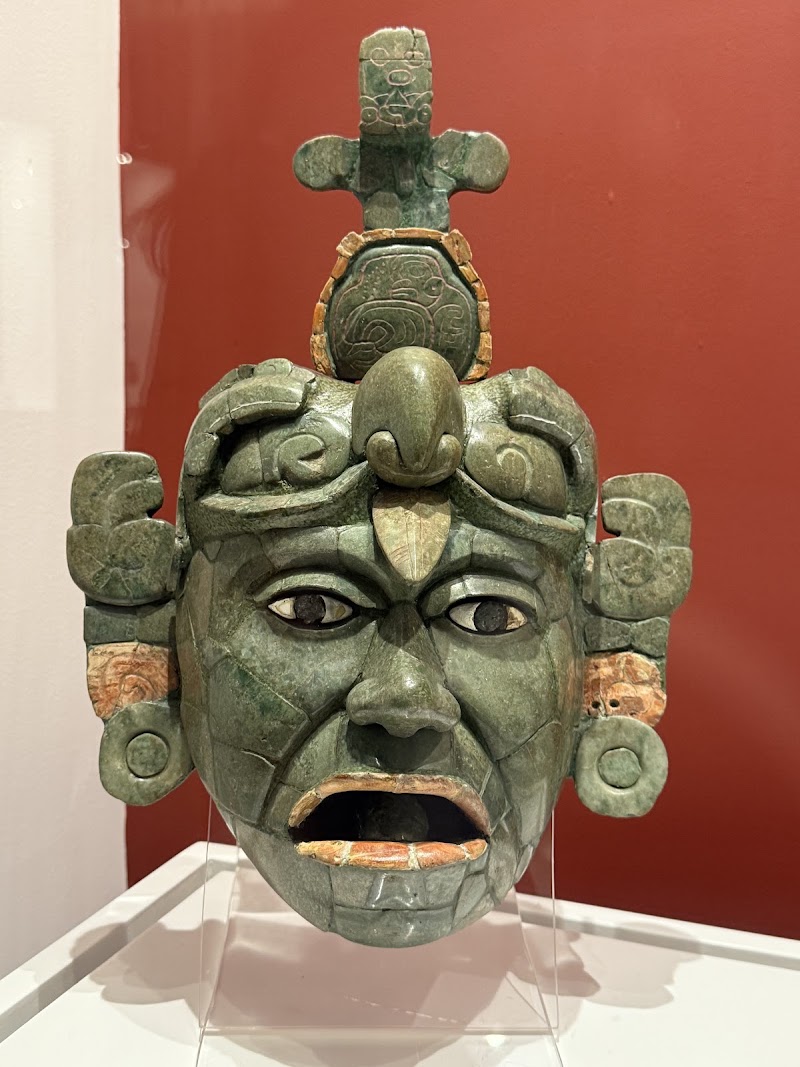
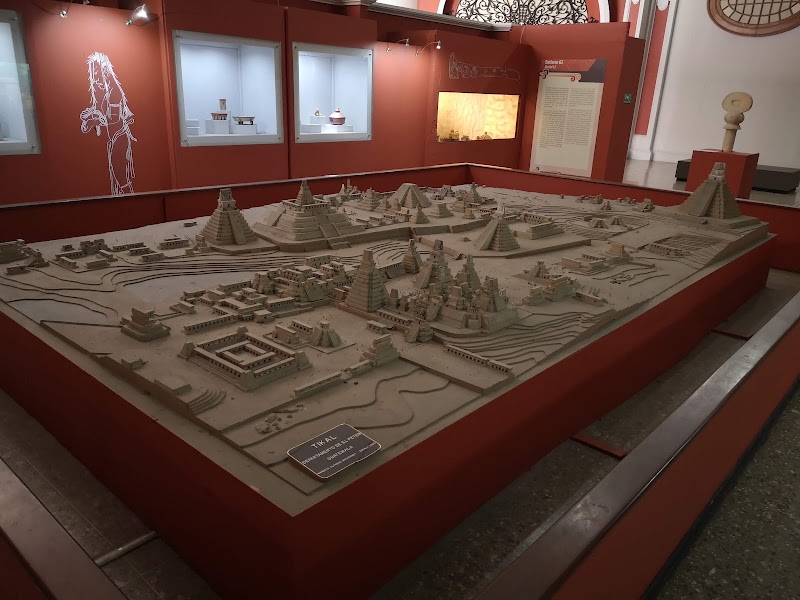
Photos published by travelers on Google, not AI generated.
What stands out
- Jade masks and jewellery
- Maya block-text writing
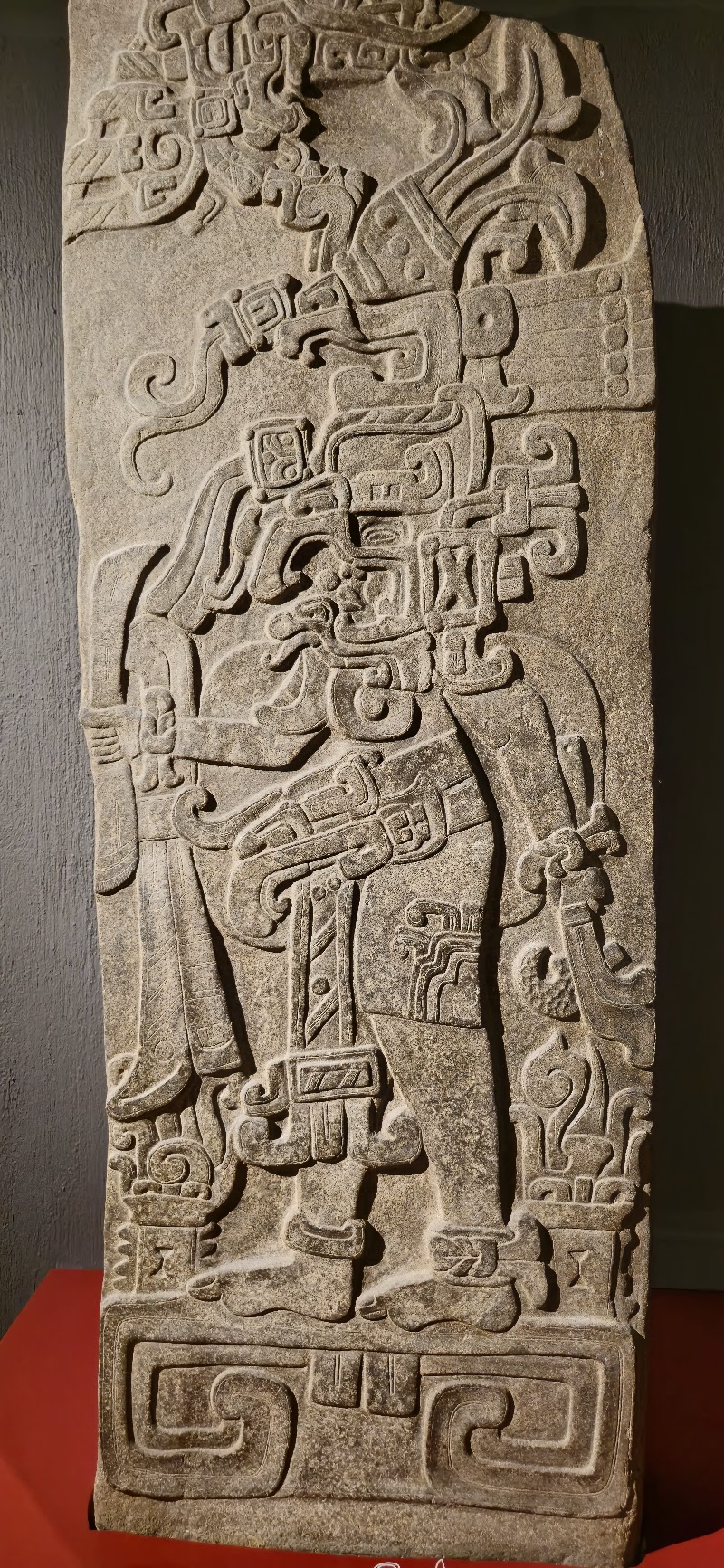
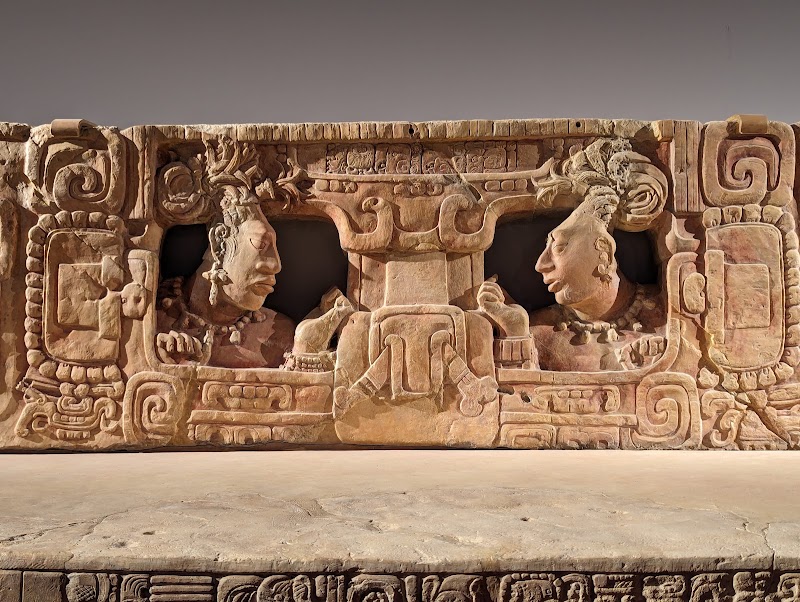
- Stone carvings and large stelae
- Pottery and obsidian objects
- Compact, well-curated galleries
Worth knowing
- Interpretation is reported to be Spanish only
- Admission is reported to be cash only
- Passport details may be required at sign-in
Don't miss
What comes up most in public reviews
- Inspect the jade masks and jewellery
- Look for examples of Maya block texts
- Explore the pottery and obsidian displays
Worth the trip?
Why it stands out
With a Google rating of 4.6 from 1997 reviews, the Nacional Museum of Mayan Art: Archeology and Ethnology is consistently presented as one of Guatemala City’s strongest cultural attractions. Public feedback particularly values the quality of its Maya collection and the clear progression from the ancient world to Indigenous culture and traditions today.
Visitors repeatedly describe the museum as compact rather than exhaustive. That works in its favour for travellers who want substantial historical context without committing most of a day. Reviews generally suggest allowing 60 to 90 minutes, although anyone absorbed by Maya writing, sculpture or material culture could browse for longer.
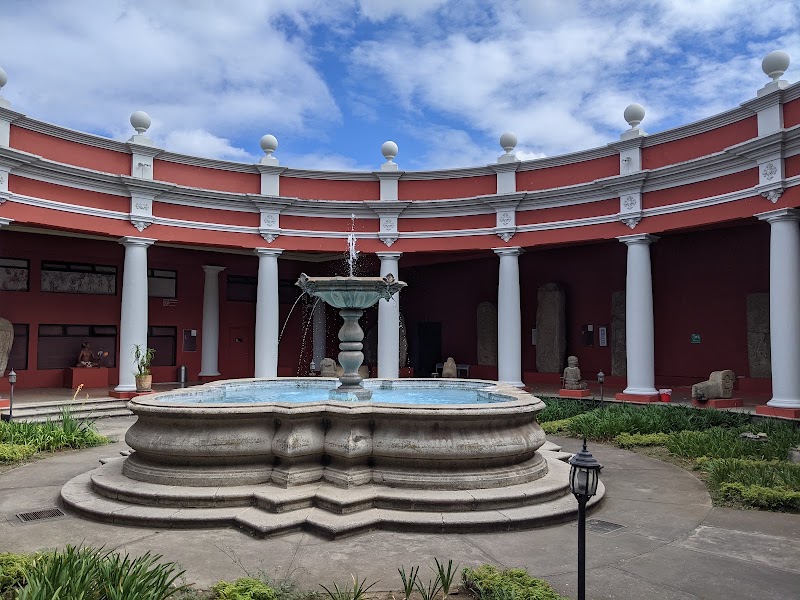
The presentation also receives plenty of approval. Artefacts are displayed in a modern, attractive building, and reviewers often call the exhibition well curated. Reports of relatively light visitor numbers suggest the galleries can feel calm, giving visitors time to inspect the smaller objects as well as the monumental stone pieces.
What is on display
The collection covers a broad range of archaeological material. Jade masks and jewellery are among the most frequently highlighted objects, accompanied by pottery, practical household items and pieces made from obsidian. Larger stone carvings and numerous stelae add scale to the displays and help convey the artistic and political importance of Maya monuments.
Written culture is another notable theme. Reviewers single out examples of the Maya writing system, including block texts, as a reason for history-minded visitors to prioritise the museum. Together, these objects provide a useful introduction to Maya craftsmanship, ceremonial life, communication and daily activity.
The museum also extends beyond archaeology. Its treatment of traditions and contemporary culture helps prevent the Maya story from being presented solely as an ancient civilisation. That combination of art, archaeology and ethnology gives the exhibition more range than its modest size might initially suggest.
Practical limitations
The main weakness raised in reviews is language access. Exhibition information is reported to be in Spanish only, with no English or other translations. Visitors without strong Spanish may therefore get more from the objects than from the detailed interpretation. A translation app or some advance reading on Maya history and writing would make the visit more rewarding.
Several reviewers also warn that admission is cash only. An ATM has been reported at a nearby market, but arriving with cash is the safer option. Identification is another consideration: visitors may be asked for a passport number when signing in, so carrying a passport or a photograph of its details could prevent delays.
Editorial verdict
Synthesised from public ratings and traveller reviews, this is an excellent choice for history lovers, archaeology enthusiasts and anyone interested in Indigenous art and culture. Its manageable scale, strong artefacts and quieter atmosphere make it easy to fit into a Guatemala City itinerary. Limited translation and cash-only admission require preparation, but the collection itself earns emphatic praise.
Ask anything
Looking for somewhere else?
Keep exploring around Ciudad de Guatemala
More from Guatemala
Guatemala · Laguna Yaxjá
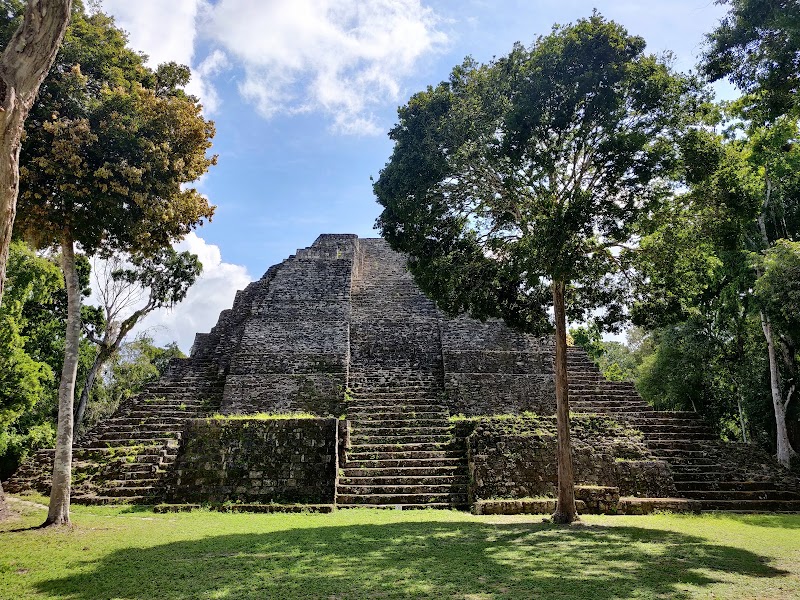
Acropolis Norte: Yaxha’s standout pyramid complex
Public reviews praise this restored Maya complex for climbable pyramids, broad views, jungle wildlife and a quieter atmosphere than Tikal.

Guatemala
Maya weaving traditions explained with care near Antigua
This family-run museum pairs detailed textile interpretation with weaving demonstrations and a well-regarded collection of handmade pieces.
Guatemala · Calabasco
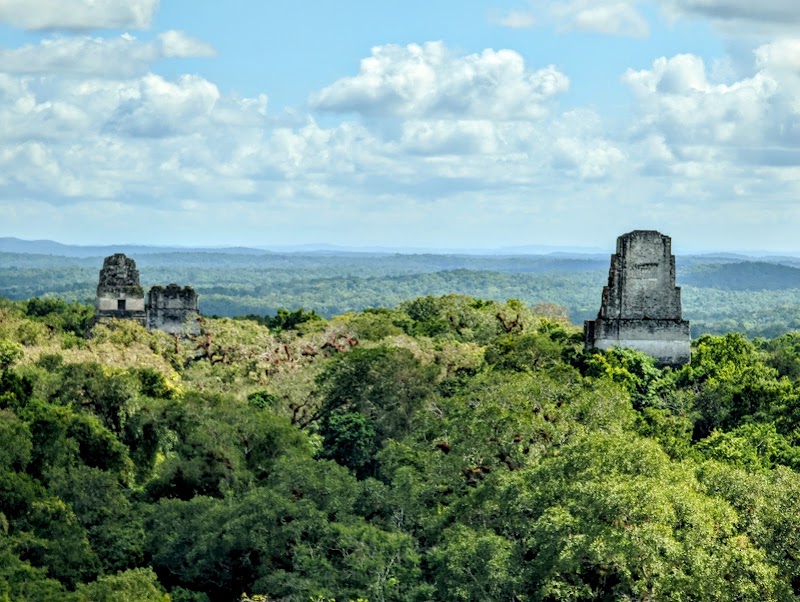
Reserva de Biosfera Maya: Tikal, wildlife and vast forest
Public reviews pair the reserve’s extraordinary biodiversity with Tikal’s monumental ruins, though crowds and substantial walking require preparation.

Guatemala · Ciudad de Guatemala
Palacio Nacional de la Cultura: Guatemala City’s Green Icon
Guided tours reveal the monumental architecture and national history of Guatemala City’s distinctive Palacio Verde.