Na Tcha Temple: a peaceful stop beside St Paul’s
This compact historic temple adds Chinese religious heritage and a reflective pause to a visit around Macau’s Ruins of St Paul’s.
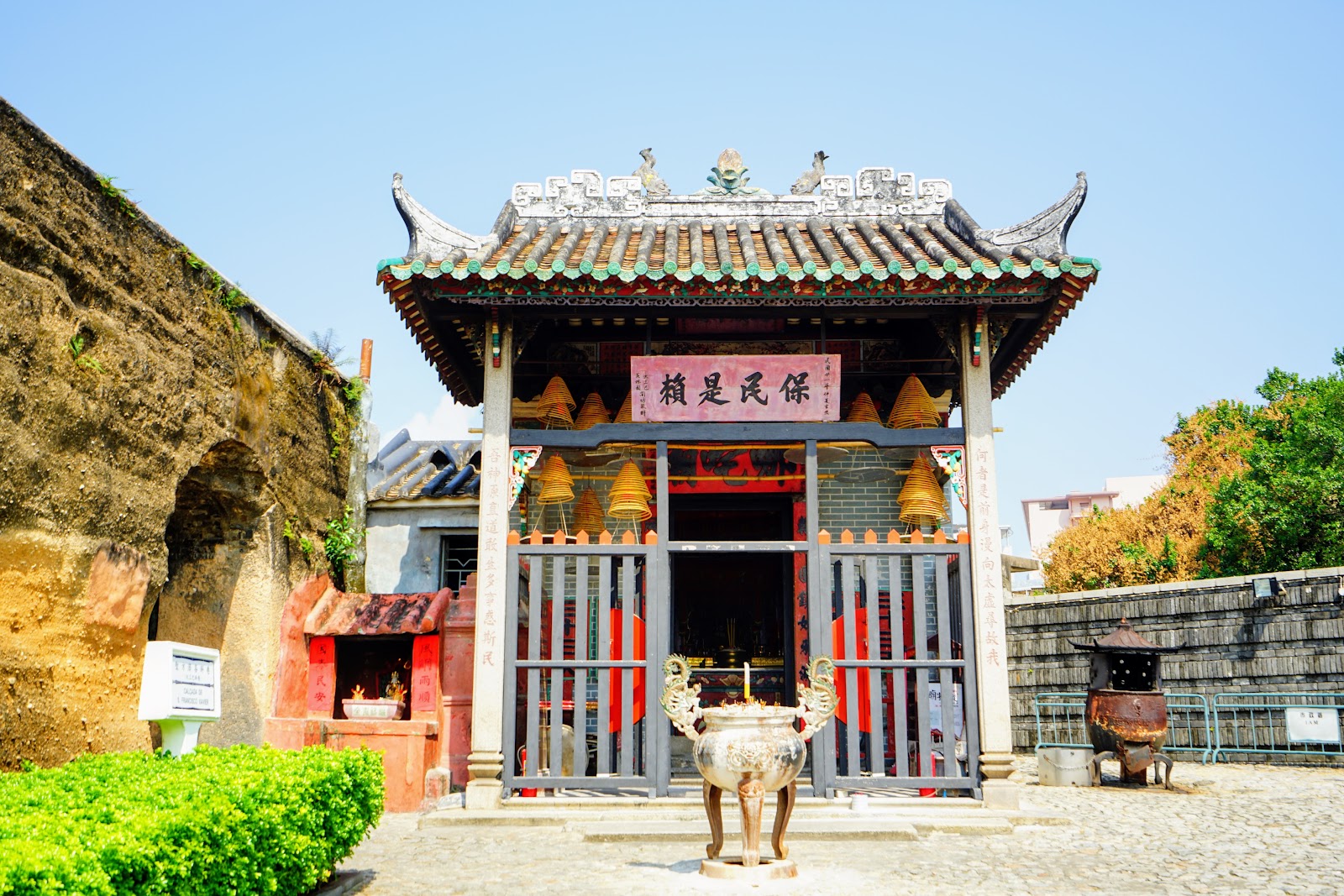
More photos
Photos published by travelers on Google, not AI generated.
What stands out
- Peaceful temple atmosphere
- Chinese and Portuguese heritage contrast
- Historic architecture and intricate details
- Location beside the Ruins of St Paul’s
Worth knowing
- The temple is very small
- Festival performances are not an everyday feature
Don't miss
What comes up most in public reviews
- Na Tcha Exhibition Hall
- Ruins of St Paul’s
- Architectural details
- The story of the deity Na Tcha
Worth the trip?
Why visit Na Tcha Temple?
Na Tcha Temple is a compact place of worship beside the Ruins of St Paul’s, making it an easy addition to one of Macau’s best-known sightseeing areas. Synthesised public feedback is consistently positive: the temple has a Google rating of 4.2 from 186 reviews, with visitors repeatedly praising its peaceful atmosphere, historic character and cultural significance.
Its modest scale is central to the experience. Reviewers do not describe a sprawling complex or a long sightseeing programme. Instead, they value the chance to pause, appreciate the architecture and observe a living expression of Chinese religious tradition. One review dates the temple to 1888, while several emphasise its close physical relationship with the Portuguese-influenced ruins nearby.
Atmosphere and cultural context
The contrast with the Ruins of St Paul’s is one of the temple’s strongest qualities. Public reviews frequently mention how the Chinese temple and the neighbouring historic structure sit side by side, illustrating different strands of Macau’s heritage within a very small area. For travellers interested in architecture, religion or local history, that juxtaposition gives the stop more weight than its size might suggest.
Comments also point to a calm, incense-filled atmosphere and intricate architectural details. The language used by reviewers is notably reflective: peaceful, serene and beautiful appear as recurring themes. Although the surrounding district is a major tourist area, the temple itself is presented as a quieter place to slow down and look closely.
The temple is dedicated to the youthful deity Na Tcha. Travellers wanting more context can pair it with the neighbouring Na Tcha Exhibition Hall, which one reviewer specifically recommends for explaining the deity’s story. That added background may be especially useful for visitors unfamiliar with the religious traditions represented here.
What the reviews suggest
Most reviewers regard Na Tcha Temple as a worthwhile short stop rather than a destination requiring a separate journey. Its location beside the Ruins of St Paul’s makes that a strength rather than a limitation. It can broaden a heritage-focused walk without demanding much extra time.
The small scale is the main practical consideration. Visitors expecting an extensive temple compound may find the experience brief. Those who enjoy architectural details, cultural contrasts and contemplative spaces are more likely to appreciate it. Reviewers also mention decorative flags, colour and Chinese cultural performances during a festival, although that account appears tied to a particular visit rather than an everyday feature.
Editorial verdict
Na Tcha Temple works best as part of a combined visit with the Ruins of St Paul’s and the Na Tcha Exhibition Hall. Its appeal lies in proximity, atmosphere and context: a small historic temple that helps visitors understand Macau as a meeting point of Chinese and Portuguese cultural influences.
Based on public ratings and review patterns, it is easy to recommend to culturally curious travellers already exploring the area. The stop may be brief, but the setting and religious significance give it substance. Respectful behaviour is appropriate, as this remains a place of worship rather than simply an architectural exhibit.
Plan the rest of the trip
Ask anything
Looking for somewhere else?
Keep exploring
More from Macau

Macau
The Cotai Strip: Macau’s Neon Hotel Wonderland
The Cotai Strip brings casinos, enormous resort hotels and playful European replicas together in Macau, with the strongest atmosphere after dark.
Macau
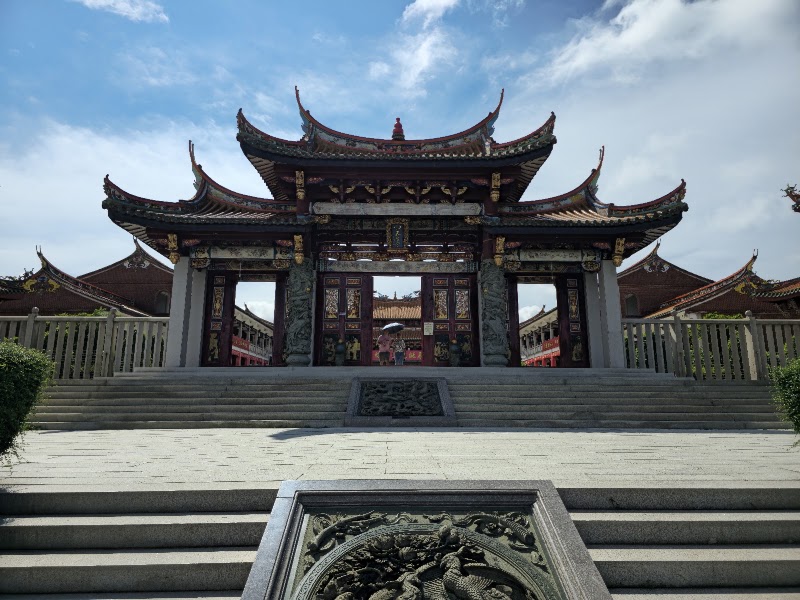
A-Ma Cultural Village: A Quiet Temple Above Coloane
This hillside temple complex combines religious significance, steep approaches and broad views over Macau’s southern landscape.
Macau
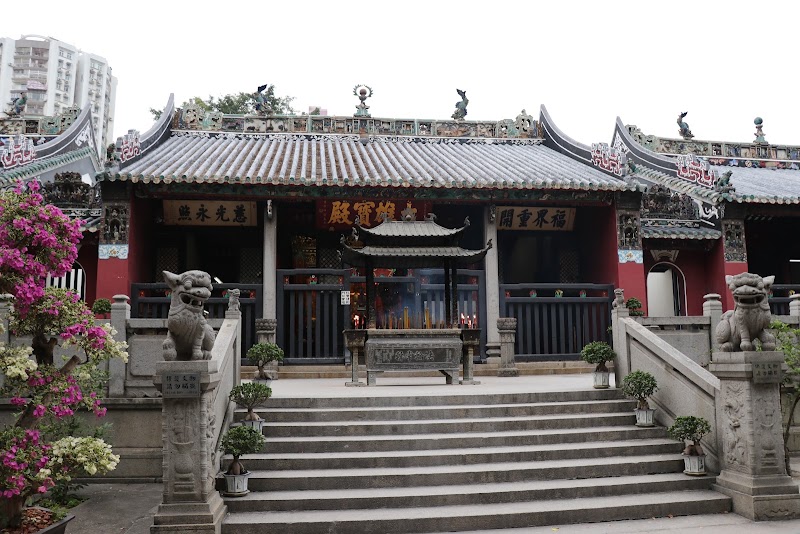
Templo de Kun Iam, a calm Macau temple with layers of history
Public reviews praise Templo de Kun Iam for its peaceful atmosphere, dense collection of statues and long-standing place in Macau’s religious history.
Macau
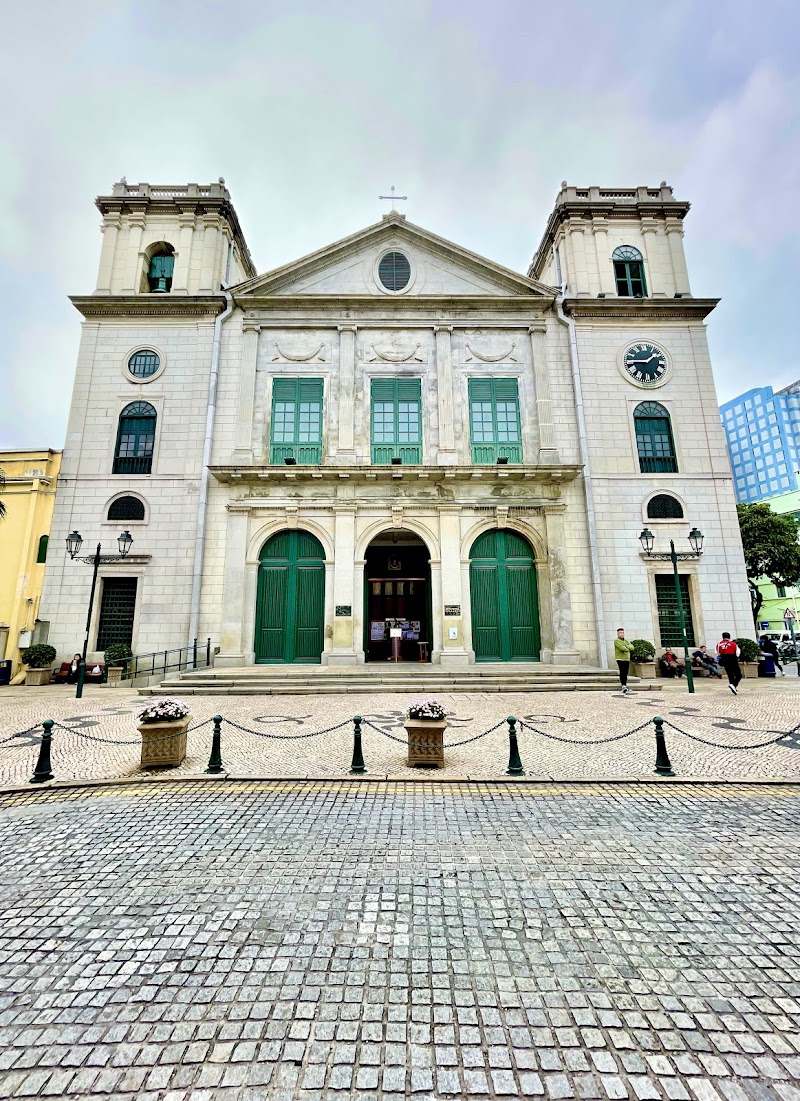
Cathedral of the Nativity of Our Lady, Macau
A peaceful cathedral near Senado Square, praised in public reviews for its ornate interior, historic character and calm atmosphere.