Myra Ancient City: Rock Tombs and a Walkable Theatre
Myra pairs striking cliff-cut Lycian tombs with an ancient theatre, although limited access and ticket value divide visitors.
More photos



Photos published by travelers on Google, not AI generated.
What stands out
- Cliff-cut Lycian tombs
- Walkable ancient theatre
- Well-preserved, photogenic ruins
- Scenic bus journey
Worth knowing
- Tombs can only be viewed from below
- Admission value divides reviewers
- Some archaeological areas are inaccessible
Don't miss
What comes up most in public reviews
- Lycian rock tombs
- Ancient theatre seating
- Sea, beach and mountain views on the bus journey
Worth the trip?
What the reviews say
Myra Ancient City holds a Google rating of 4.7 from 10372 reviews, and the strongest public feedback focuses on the visual impact of its ruins. Travellers repeatedly single out the Lycian tombs cut into the cliff and the ancient theatre below. Several describe the site as well preserved, atmospheric and highly photogenic, with the sense of encountering ancient history at close range.
That enthusiasm is not universal. A smaller but forceful group considers the visit too brief for the cost of admission. Comparisons with larger Turkish archaeological sites such as Aspendos and Hierapolis also leave some reviewers feeling that Myra offers less to explore. The overall picture is of a compact landmark with two memorable focal points rather than an extensive ruined city.
The main sights
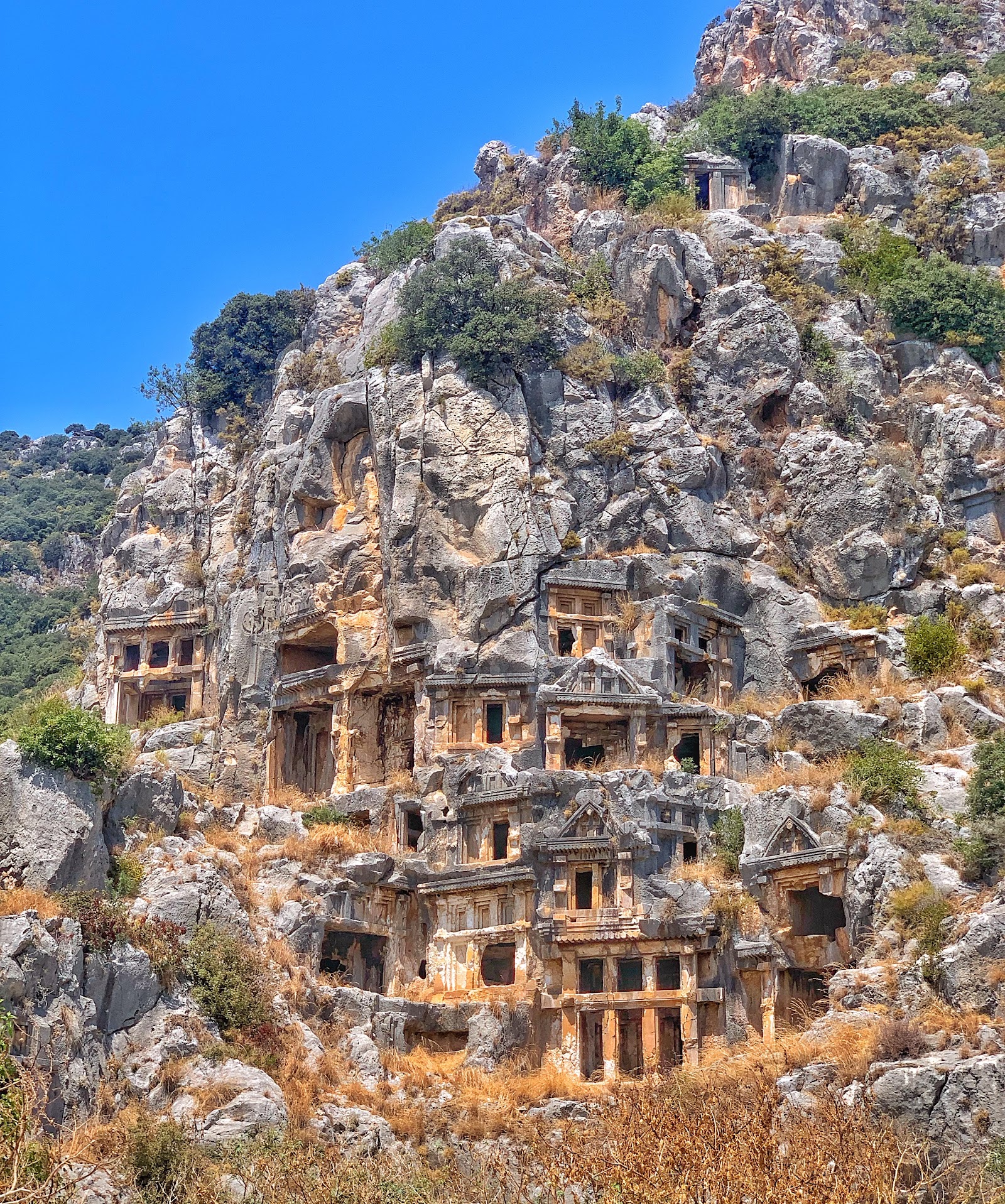
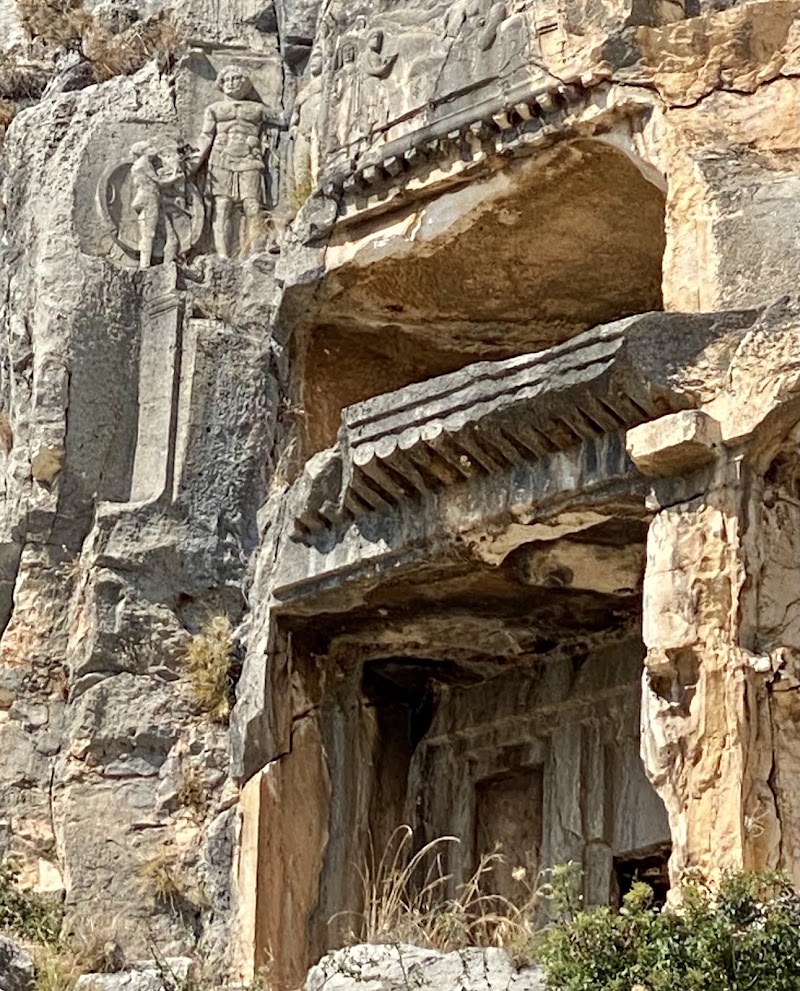
The cliff-face tombs provide Myra’s defining view. Their carved entrances and building-like facades create an impressive backdrop, but visitors generally observe them from below. Reviews caution that the necropolis cannot be approached closely, which can disappoint travellers expecting to walk among the tombs or inspect their interiors.
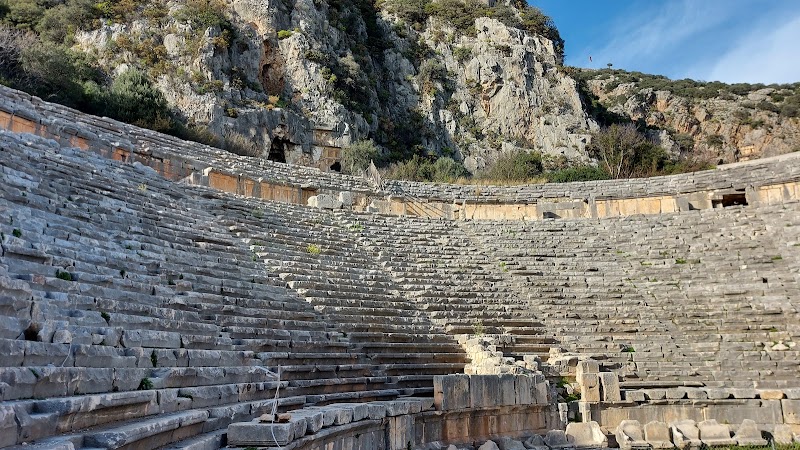
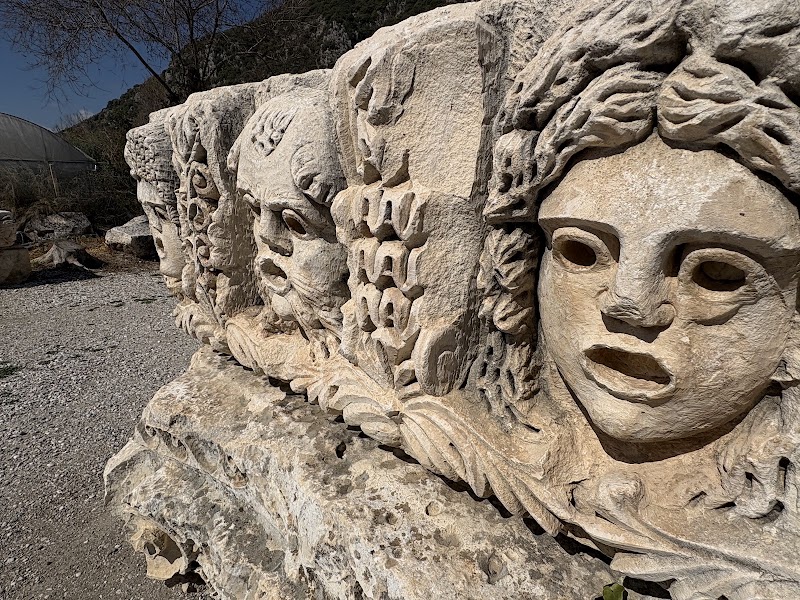
The ancient theatre is the more accessible part of the experience. Reviewers report being able to walk around it, climb through the seating and view its surviving architectural fragments. Some find it substantial and enjoyable to explore, while others judge it modest beside better-known theatres elsewhere in Turkey. Expectations make a considerable difference here.
One review also mentions a museum, though it does not recur often enough in the available feedback to count as the site’s principal draw. Souvenir shops, ice cream and other stalls are reported near the visitor area.
How long to allow
Myra suits a short archaeological stop. Around an hour appears sufficient for most visitors to see the tombs from the viewing area, explore the theatre and take photographs. Travellers with a strong interest in ruins may linger, but reviews do not suggest that the main site routinely fills half a day.
The journey can add to the appeal. One bus traveller praises the views of the sea, beach and mountains along the way, making the approach part of the excursion. Myra may work best when combined with other sights around Demre rather than treated as a long standalone outing.
Value and practical expectations
Ticket value is the clearest point of disagreement. Positive reviewers consider both the journey and admission worthwhile, while critics describe the entrance as expensive for the amount that can be accessed. Restricted proximity to the tombs and closed or unearthed areas around the theatre contribute to that frustration.
Interpretation may also be uneven. One visitor found the audio guide unhelpful and sought additional background elsewhere. Travellers who value historical context may benefit from researching Myra before arrival or checking what interpretive material is currently available.
The fairest verdict is that Myra delivers a powerful first view and a rewarding theatre walk, but not unrestricted exploration. It is best suited to travellers already passing through Demre, photographers and archaeology enthusiasts comfortable with a concise visit.
Ask anything
Looking for somewhere else?
Keep exploring
More from Türkiye
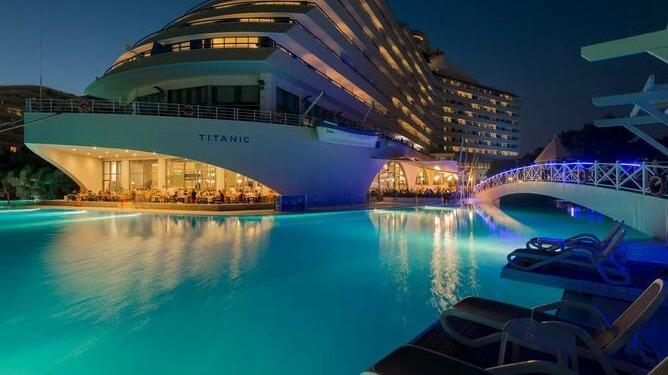
Türkiye
Titanic Deluxe Lara: a polished family resort near Antalya
Strong service, varied dining and standout children’s activities make this large Lara hotel a persuasive choice for family beach holidays.
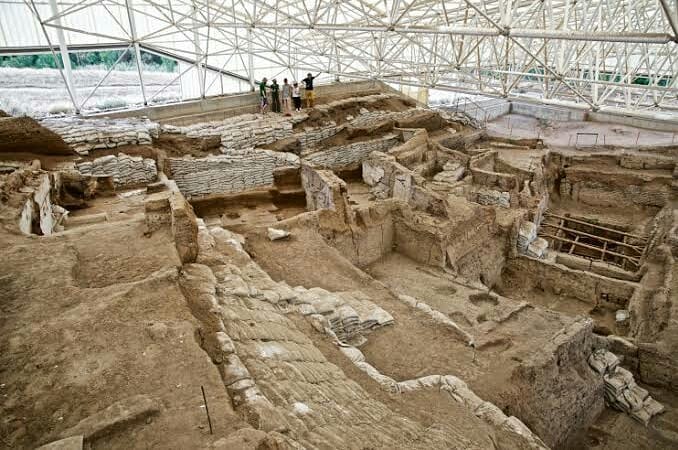
Türkiye
Çatalhöyük: Neolithic history brought into focus
Near Konya, this Neolithic settlement pairs a restrained excavation site with an interactive museum praised for making prehistory accessible.
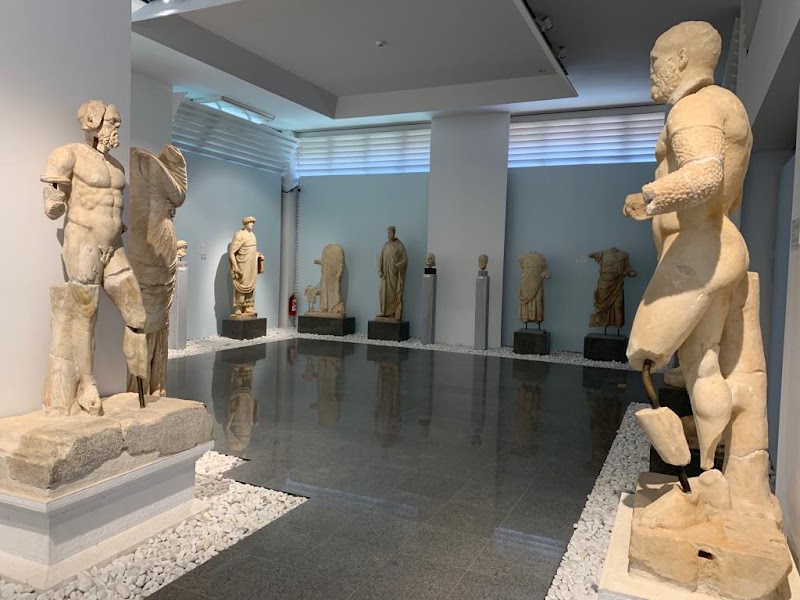
Türkiye
Aphrodisias: Marble Monuments and a Remarkable Stadium
A peaceful archaeological city where monumental ruins, intricate carvings and an impressive stadium reward the journey inland.
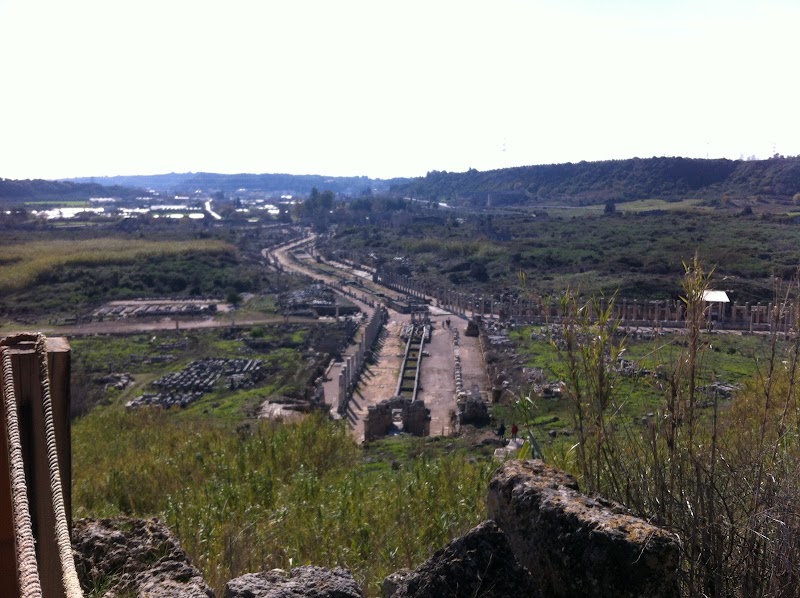
Türkiye
Perge Ancient City: Monumental Ruins Near Antalya
Perge combines imposing Roman engineering, layered Anatolian history and straightforward access from Antalya in one extensive archaeological site.