My Son: Champa temples in a tranquil jungle setting
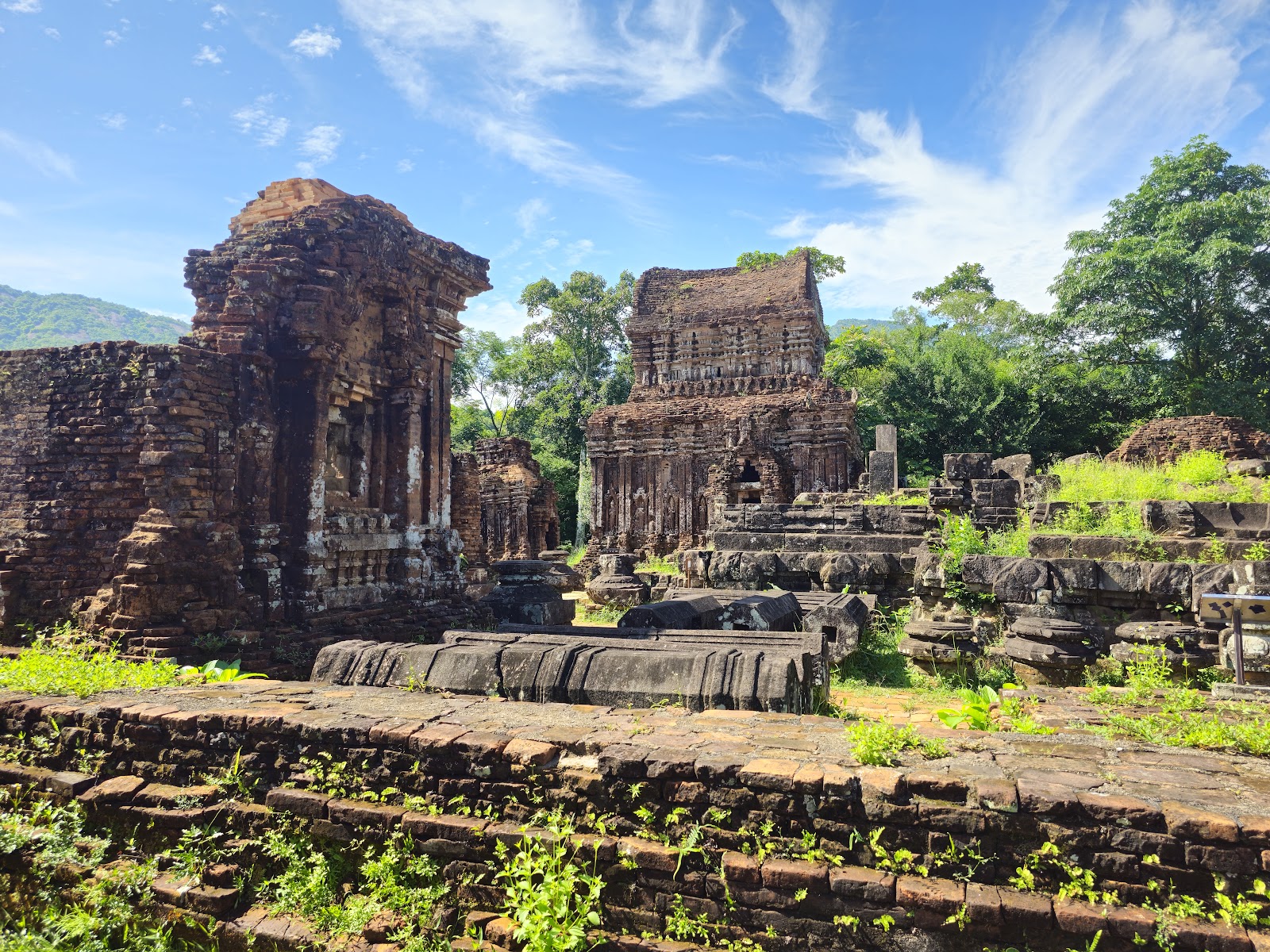
Ancient Hindu temple ruins, ongoing restoration and peaceful green surroundings make My Son a rewarding half-day trip from Da Nang or Hoi An.
More photos
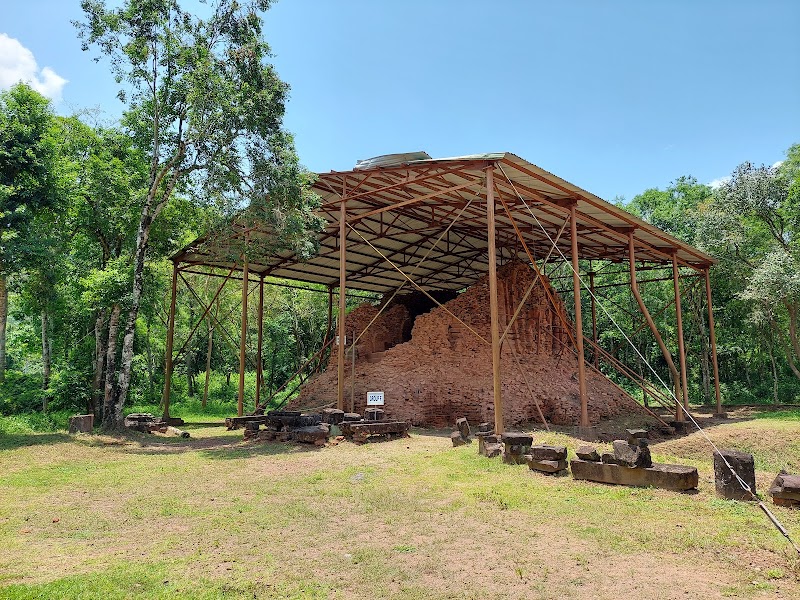
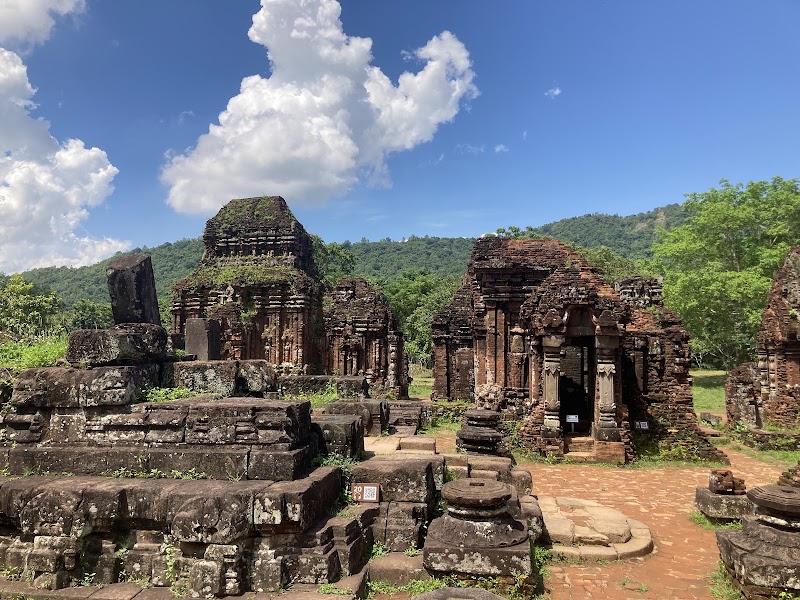
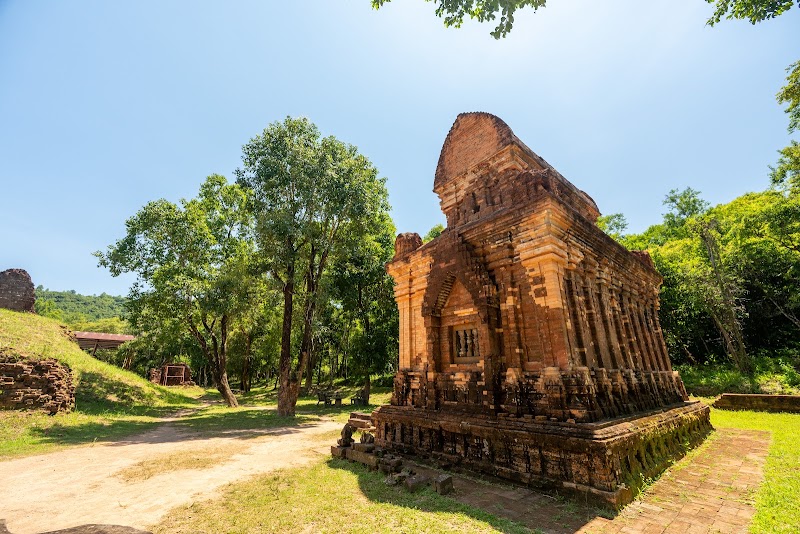
Photos published by travelers on Google, not AI generated.
What stands out
- Champa-era Hindu temple ruins
- Red brickwork against green jungle
- Peaceful and generally easy park walk
- Ongoing archaeological restoration
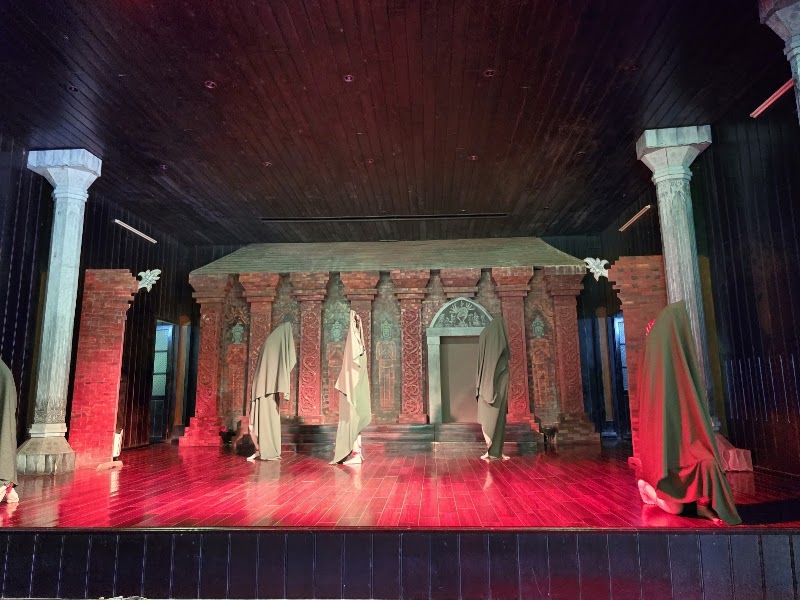
- Cultural performances
Worth knowing
- Heat and crowds later in the day
- The guide office can be easy to miss
- Many structures are war-damaged ruins
Don't miss
What comes up most in public reviews
- The main Champa temple groups
- A scheduled cultural show
- The park walk around the ruins
- The guide office near the buggy departure point
- Champa artefacts at the museum in Da Nang
Worth the trip?
What public reviews say
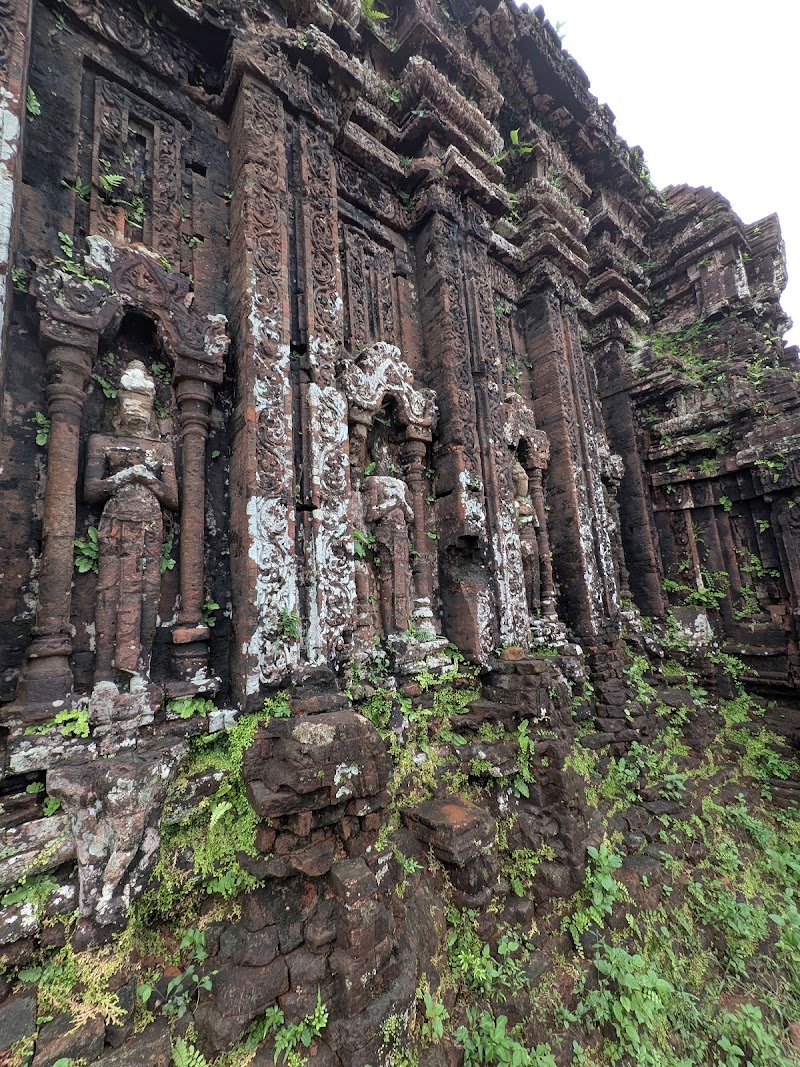
My Son holds a Google rating of 4.5 from 12823 reviews, with visitors repeatedly praising its combination of Champa history, Hindu architecture and forested surroundings. The site contains temple ruins associated with the Champa Kingdom and dating from the 4th to the 13th century. Some structures suffered severe wartime damage, but reviewers still describe the surviving brickwork, carvings and temple groups as impressive.
The appeal extends beyond the monuments. Travellers mention strong contrasts between the red masonry and dense green vegetation, particularly in wet weather. Others value the calm walk through the park as much as the archaeological remains. Reviews frame My Son as an atmospheric historical landscape rather than a single, perfectly preserved monument.
Exploring the site
The walking is generally described as easy, making the complex manageable for families and visitors who do not want a strenuous excursion. A buggy or cart operates from near the entrance area, although travellers should pay attention to the departure point and nearby guide office. One family review noted that the guide office was easy to miss.
Interpretive value matters here. Reviewers who engage with the history find the origins, religious influences and purpose of the complex especially fascinating. Restoration and archaeological work are visible, with one review highlighting Indian involvement in ongoing conservation. Hiring a local guide may help visitors understand the individual temple groups and the wider Hindu influence on this part of Vietnam, though the ruins and setting can still be enjoyed independently.
Cultural shows are another recurring positive. They provide an accessible introduction to local performance traditions and add variety to a visit focused mainly on architecture and archaeology. Visitors should check the schedule on arrival rather than assume a performance will coincide with every itinerary.
Timing and practicalities
Heat is the most consistent caution in the public feedback. An early arrival, around opening time, is recommended to reduce exposure to high temperatures and avoid larger crowds. Rainy conditions can also work in the site’s favour: one reviewer found that cooler air and wet surfaces intensified the reds and greens of the temples and surrounding jungle.
Tickets can be purchased directly at the office, according to reviewers. Food, cafés and toilets are reported both around the park and near the temple area, so the outing does not require extensive preparation. Wildlife may occasionally be visible, although sightings should be treated as a possibility rather than an expectation.
Is My Son worth visiting?
The overall review pattern is strongly positive. My Son works best for travellers interested in archaeology, religious history and evocative ruins, as well as families seeking a relatively easy cultural excursion. It can be approached as a short tour, but allowing half a day gives enough time for the transport, park walk, temple groups and a cultural performance.
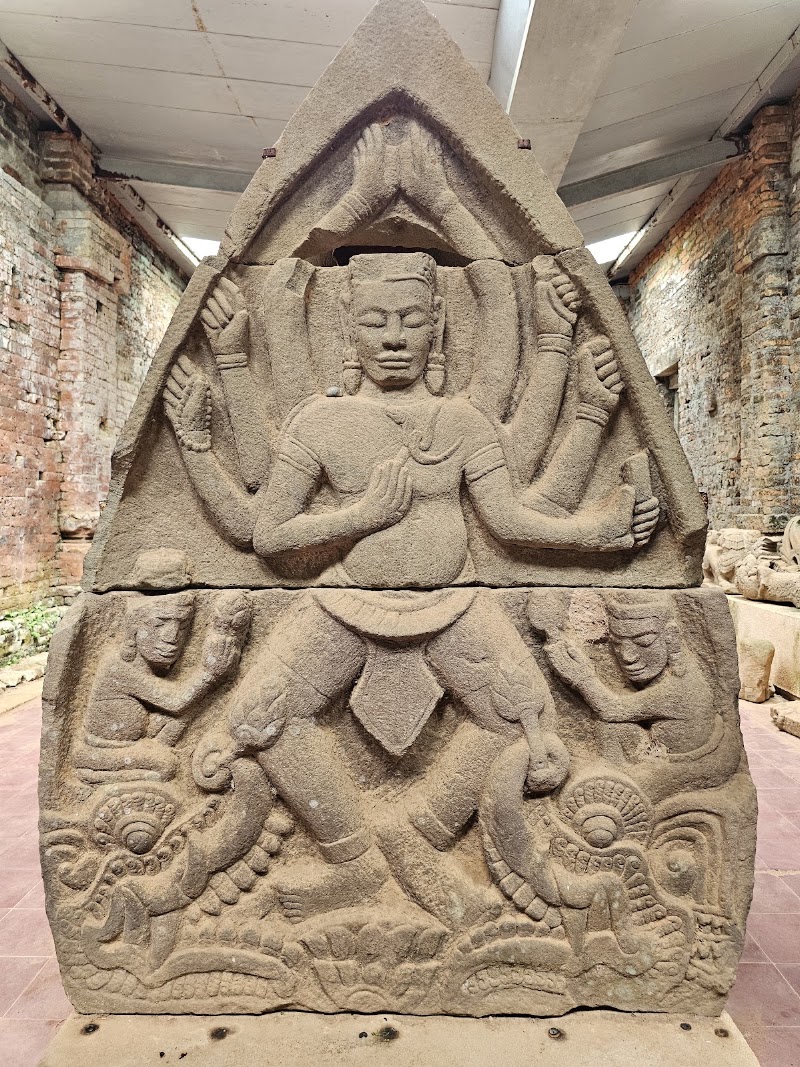
Several reviewers also recommend pairing the site with Da Nang’s museum, where many artefacts and sculptures connected with Champa culture are kept. That combination provides useful context, since My Son itself is defined as much by damaged structures, restoration and landscape as by museum-style displays.
Ask anything
Looking for somewhere else?
Keep exploring around Da Nang
More from Vietnam
Vietnam
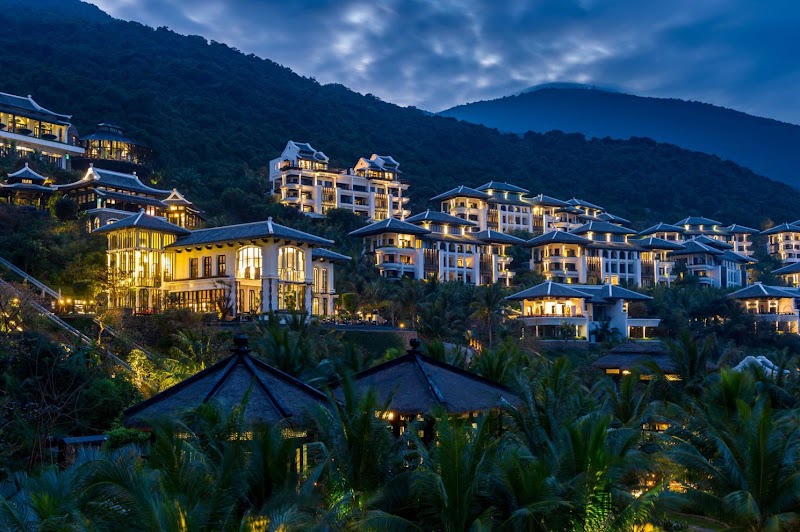
InterContinental Danang: Big Views and Standout Service
Striking architecture, far-reaching views and consistently attentive staff define this polished resort experience in Da Nang.

Vietnam · Nha Trang
Hon Tam Resort: Island calm with some service caveats
Hon Tam Resort pairs a peaceful Nha Trang island setting with spacious villas, a broad breakfast buffet and restorative waterside activities.
Vietnam · Tay Do
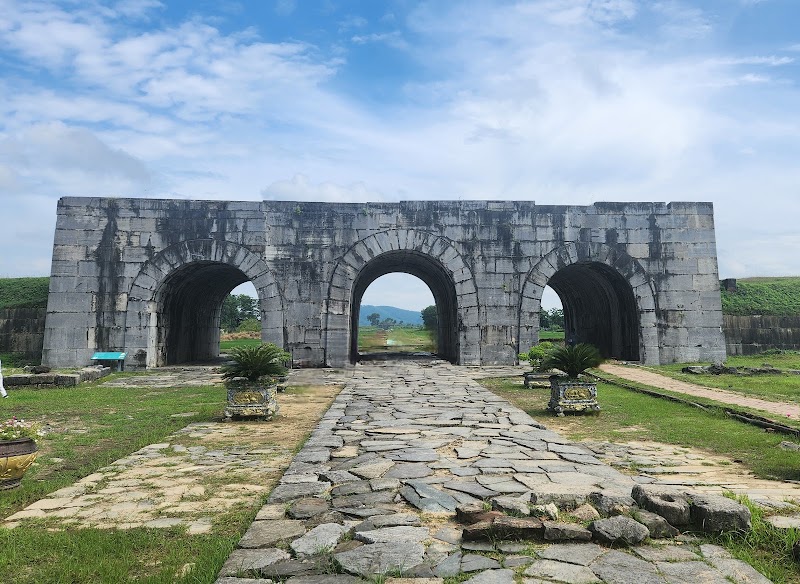
Ho Citadel: Monumental Stonework in a Sprawling Site
Massive stone gates and substantial history reward close attention, though the sparse, spread-out remains will not suit every visitor.
Vietnam · Hue
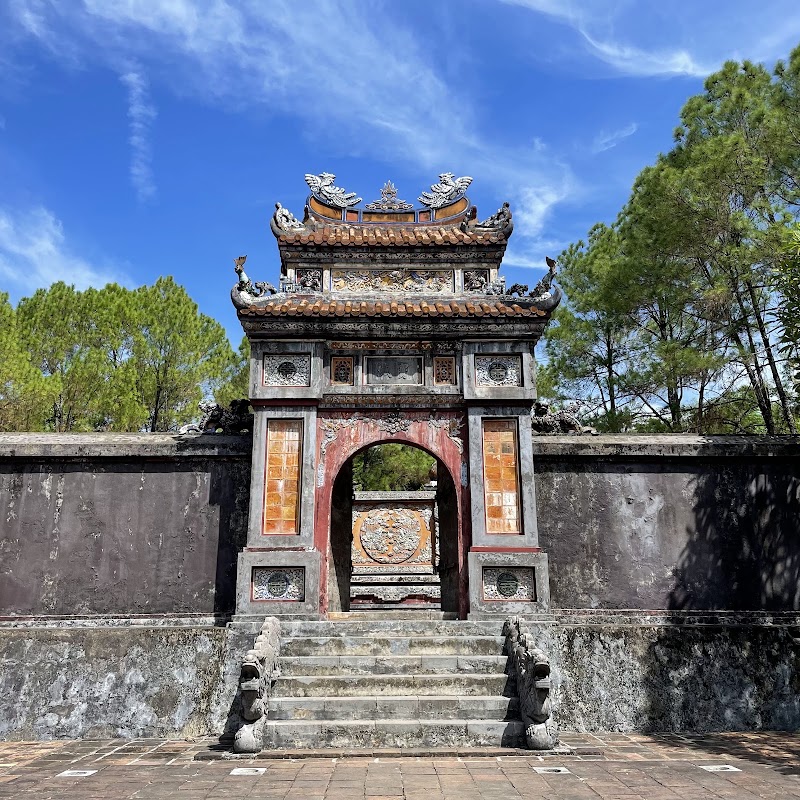
Mausoleum of Emperor Tu Duc: Hue’s Scenic Imperial Retreat
Landscaped grounds, a calm lake and imperial architecture make this expansive Hue landmark as atmospheric as it is historically compelling.