Muskau Park: A Border-Spanning Landscape Made for Exploring
Public reviews praise this vast UNESCO-listed park for its immaculate grounds, cycling routes and unusual position across Germany and Poland.
More photos



Photos published by travelers on Google, not AI generated.
What stands out
- Well-maintained parkland
- Routes suited to walking and cycling
- Grounds spanning Germany and Poland
- UNESCO World Heritage setting
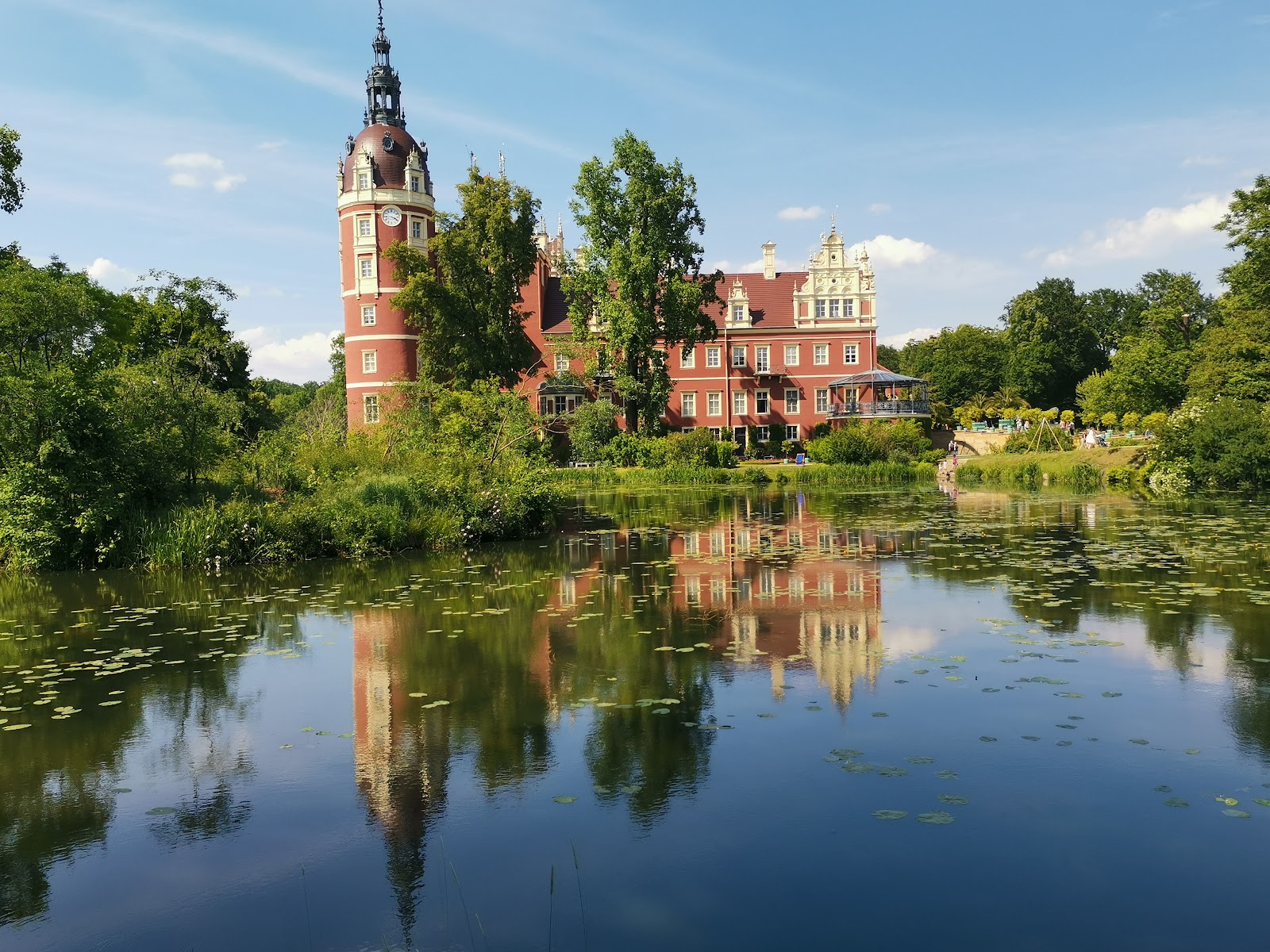
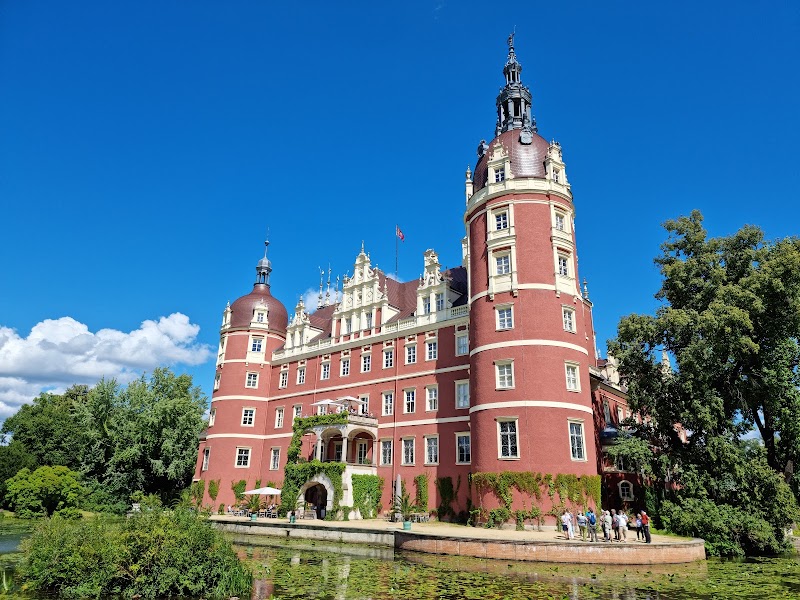
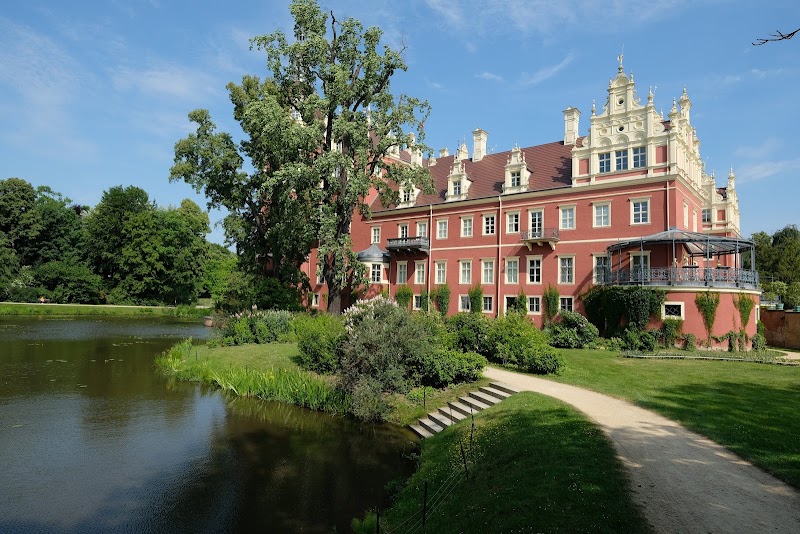
- Castle and tower
Worth knowing
- The park is large, so a map helps
- A full exploration can take most of the day
Don't miss
What comes up most in public reviews
- Walk the park grounds
- Cycle one of the park routes
- Explore both the German and Polish sides
- Visit the castle and tower
Worth the trip?
Why Muskau Park stands out
Muskau Park earns a Google rating of 4.8 from 11108 reviews, with public feedback repeatedly highlighting its scale, upkeep and cross-border setting. The grounds extend across the German and Polish sides of the border, giving a visit a sense of movement beyond that of a conventional town park.
Reviewers describe the landscape as clean, well maintained and rewarding for active days outdoors. Several also identify it as a UNESCO World Heritage site and connect its design with Prince Hermann von Pückler and the traditions of classical English landscape gardens. The combination of open grounds, long routes and the castle makes this more than a quick photo stop.
Walking and cycling the grounds
Walking is the simplest way to explore, but the park’s size shapes almost every account. One visitor spent roughly five hours walking around the grounds, while another suggested that the park could occupy an entire day. A short visit would reveal only part of it.
Cycling is especially well suited to the many routes. Public feedback mentions bike rental points and describes the park as a particularly pleasant place to ride. That option should appeal to visitors hoping to cover more ground without devoting a full day to walking.
Navigation deserves some thought. A reviewer specifically recommends collecting a map, which makes sense given the extensive paths and the fact that the landscape continues into Poland. Rather than attempting every route, visitors can choose a manageable circuit around the castle and then extend the outing across the border if time and energy allow.
The castle and cross-border experience
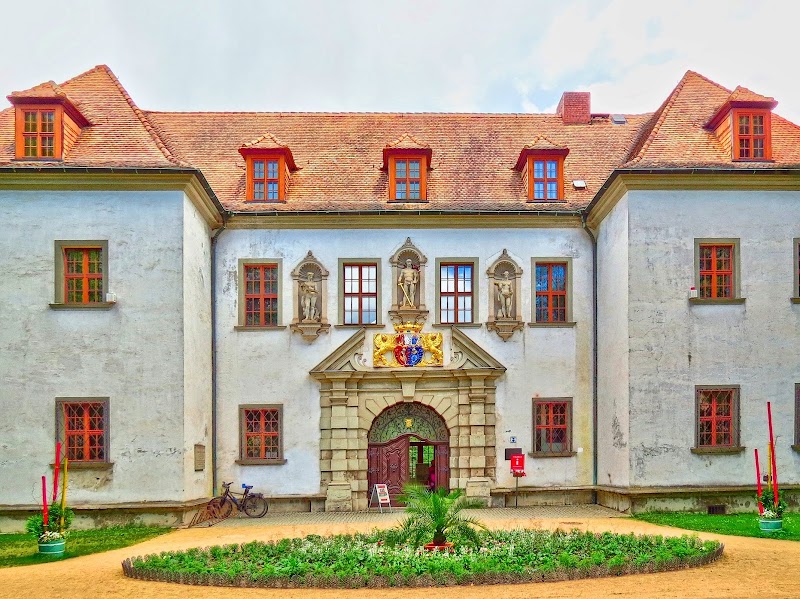
The castle is the principal architectural focus. Reviews call it beautiful and worth visiting alongside the park itself. One account also highlights its tower, describing three levels and access higher into the spire. Travellers considering the climb should allow extra time rather than treating the building as a brief exterior stop.
The German-Polish layout is another recurring point of praise. Reviewers report that both sides are well kept, and crossing between them adds variety to a day based largely around walking or cycling. The border-spanning design is central to the experience, not a minor geographical detail.
Practical feedback is limited but positive. One visitor driving from Berlin described the journey as easy and found plenty of parking in Bad Muskau. That report is useful rather than definitive, as parking conditions may differ by day and season.
Editorial verdict
Synthesised public feedback presents Muskau Park as an excellent choice for walkers, cyclists, garden enthusiasts and road trippers seeking a substantial outdoor stop. Its strongest qualities are consistency of maintenance, room to explore and the unusual continuity of the grounds across two countries.
The main consideration is scale. Visitors expecting a compact garden may underestimate the distances involved. With a map, comfortable walking plans and enough time for the castle, the park appears capable of filling anything from half a day to a full day without feeling repetitive.
Ask anything
Looking for somewhere else?
Keep exploring around Bad Muskau
More from Germany
Germany · Alfeld (Leine)
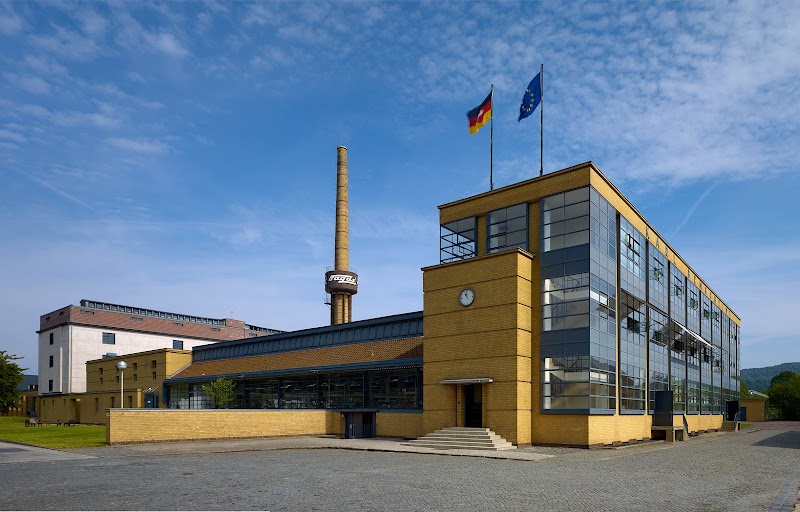
Fagus-Werk: Modernist architecture inside a working factory
Walter Gropius’s pioneering factory complex pairs UNESCO-listed architecture with five floors of industrial and design history.
Germany · Hamburg
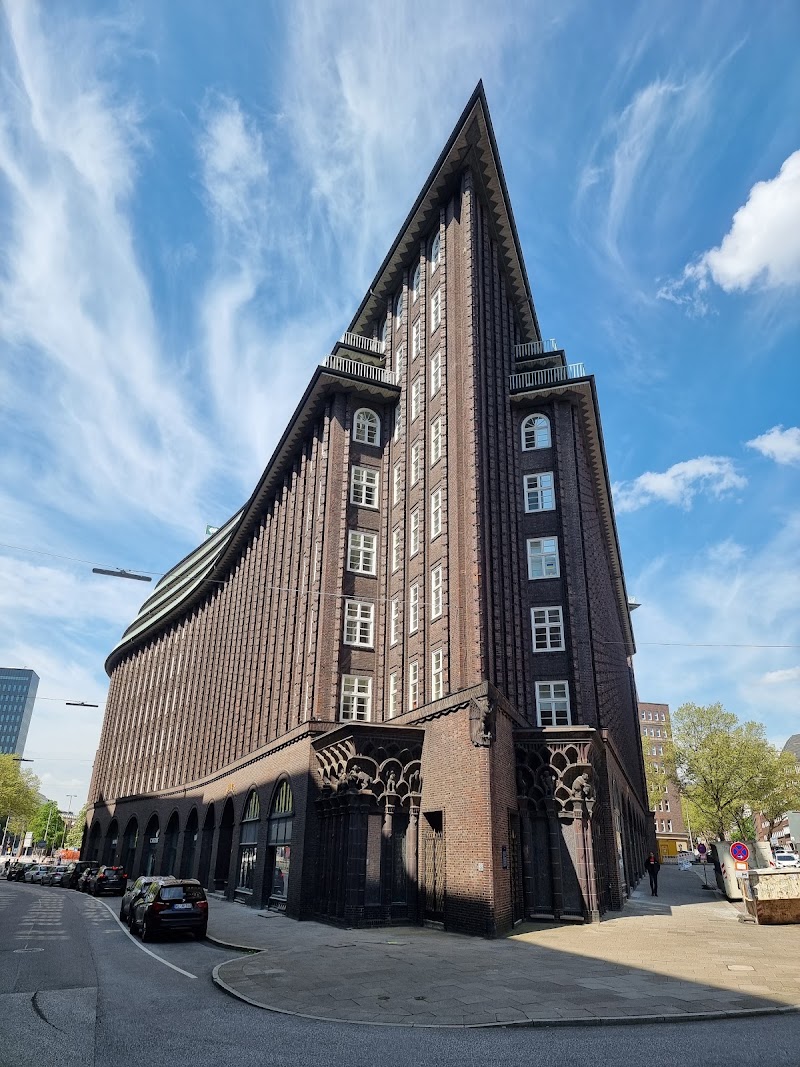
Chilehaus: Hamburg’s Ship-Shaped Brick Landmark
This 1924 office building rewards a slow circuit with sharp angles, elaborate brickwork and views into Hamburg’s architectural history.
Germany · Bremen
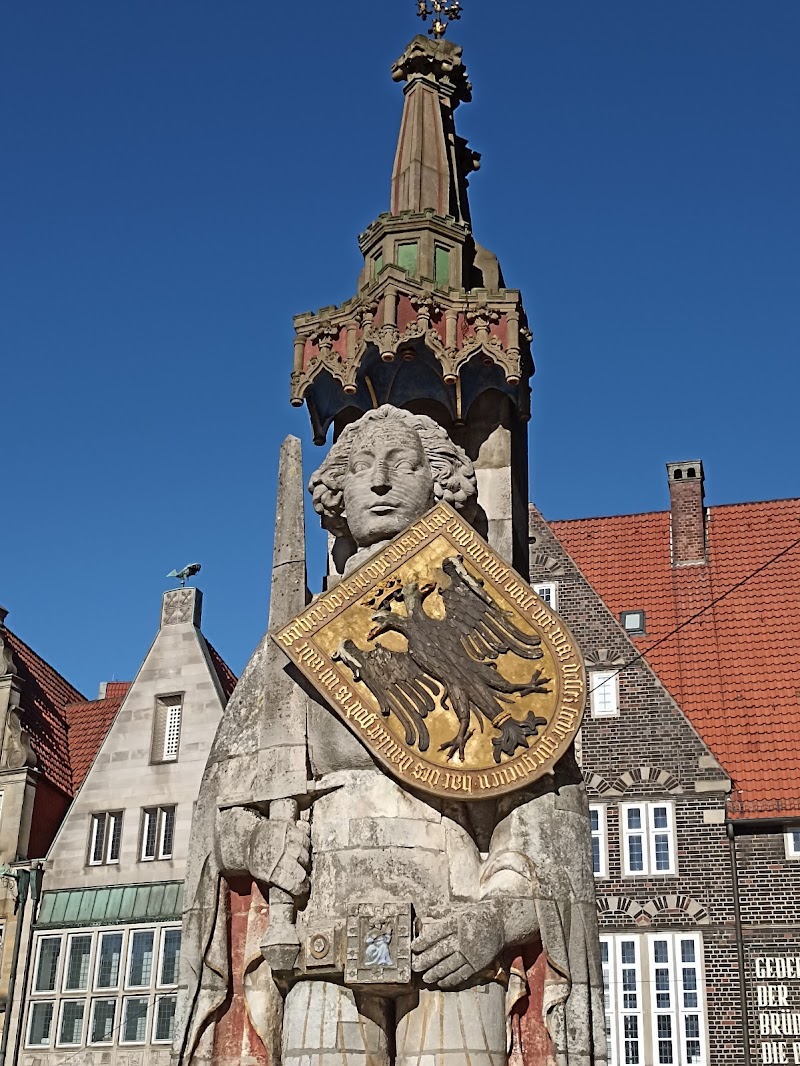
Bremen Roland: A Symbol of Freedom on the Marktplatz
Bremen’s medieval Roland statue anchors an architectural ensemble that reviewers regard as an essential stop in the city’s historic centre.

Germany · Würzburg
Würzburg Residence: Grand Rooms and Restored Splendour
Lavish interiors, ambitious postwar restoration and formal gardens make this palace one of Würzburg’s most rewarding landmarks.