Museum of Industry: Aruba’s Economic Story in San Nicolas
This compact two-floor museum uses artefacts, photographs and oral histories to explain how industry shaped Aruba’s economy and communities.

More photos
Photos published by travelers on Google, not AI generated.
What stands out
- Two floors of industrial history
- Artefacts and historical photographs
- Videos featuring local memories
- Knowledgeable staff explanations
- Links between industry and island culture
Worth knowing
- Reviews repeatedly advise bringing cash
- One hour may feel rushed
- Confirm current opening and payment arrangements
Don't miss
What comes up most in public reviews
- First-floor displays on Aruba’s major industries
- Second-floor videos of childhood and working life
- Photographs linking industry with local communities
- A conversation with the museum’s knowledgeable staff
Worth the trip?
What the reviews suggest
The Museum of Industry earns a Google rating of 4.4 from 173 reviews, with public feedback consistently praising its focused account of Aruba’s economic and social development. Travellers describe a compact, well-curated collection rather than a sprawling institution. Its appeal lies in connecting familiar places and communities around the island with the industries that helped shape them.
Several reviewers arrived with limited knowledge of Aruba beyond its beaches and left impressed by the breadth of the story. The displays cover the major industries that supported the island’s growth, while also addressing how migration and changing employment influenced local culture. This makes the museum particularly worthwhile for visitors exploring San Nicolas or looking for historical context beyond resort areas.
Exhibits and layout
Reviews describe two floors with distinct approaches. The first introduces the industries behind Aruba’s economy, using artefacts, photographs and explanations of how some local places acquired their names. The second adds a more personal dimension through videos of residents recalling childhood and life around those industries.
That combination is repeatedly identified as a strength. The collection is succinct enough to remain approachable, yet detailed enough to reward visitors who stop to read and ask questions. Photographs and first-hand stories appear to be especially effective in showing how industrial development affected daily life, communities and the island’s links with the wider world.
The museum also covers Aruba’s role in supplying fuel during the Second World War, a subject one reviewer felt deserved far more attention. Although this topic is not the sole focus, it illustrates how the displays connect local industry with major international events.
Staff make the difference
Knowledgeable, conversational guidance is one of the clearest patterns across the reviews. Visitors repeatedly praise the staff for adding stories, historical detail and context that may not be immediately apparent from the displays alone. Several specifically mention a staff member named Edward, highlighting his detailed explanations, photographs and ability to bring the collection to life.
Anyone with a serious interest in history should allow time for conversation rather than treating this as a quick walk-through. One visitor arrived an hour before closing and felt there was considerably more to absorb. The experience appears strongest when guests can explore both floors slowly and discuss the exhibits with whoever is on duty.
Practical verdict
This is a strong cultural stop for history enthusiasts, families with older children and independent travellers touring southern Aruba. It is not presented in reviews as an elaborate, interactive attraction. Its strengths are thoughtful curation, local testimony and informed human interpretation.
Multiple reviewers report that admission requires cash, so visitors should confirm the current payment policy before setting out and carry cash as a precaution. Opening arrangements should also be checked directly, particularly when planning a late visit. With enough time, the Museum of Industry offers a concise but substantial introduction to the forces that built modern Aruba.
Plan the rest of the trip
Ask anything
Looking for somewhere else?
Keep exploring around San Nicolas
More from Aruba
Aruba · Noord
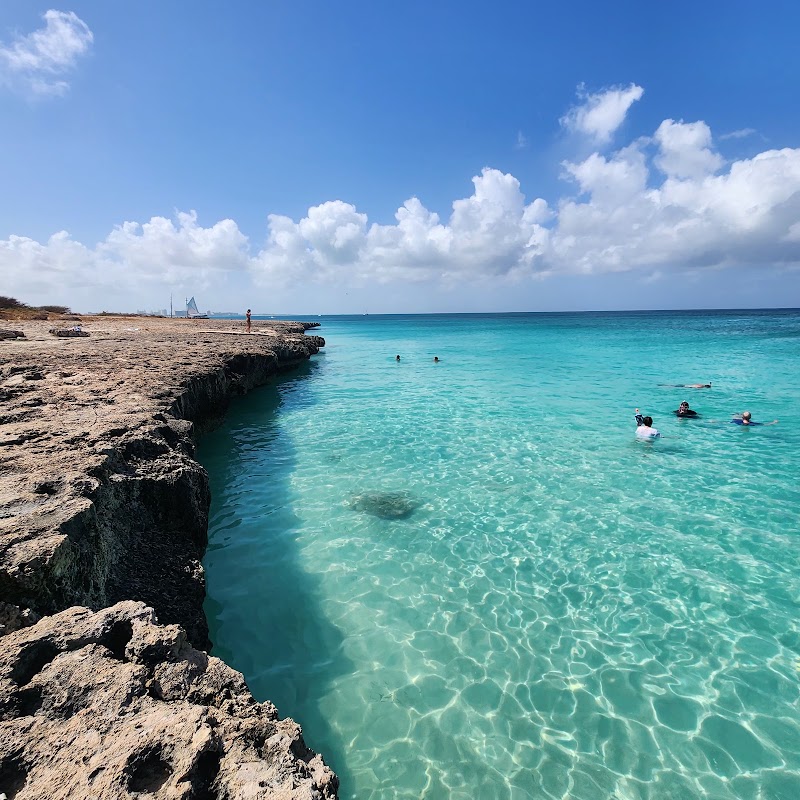
Tres Trapi Beach: Clear Water and Close-Up Sea Life
Tres Trapi is a rocky shore entry near Noord where calm, exceptionally clear water draws snorkelers, turtle watchers and sunset visitors.
Aruba · Noord · $$
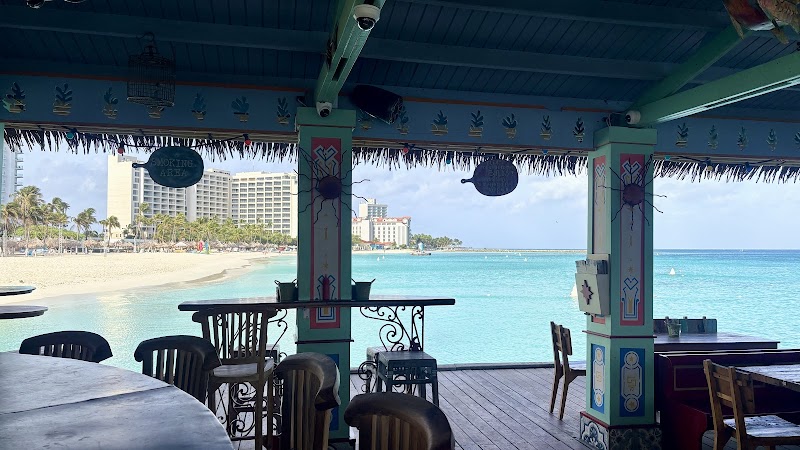
Bugaloe Brings Waterfront Dining and Live Music to Noord
Public reviews point to a casual waterside bar and grill with fresh seafood, friendly service, live music and sunset views near Palm Beach.
Aruba · Oranjestad
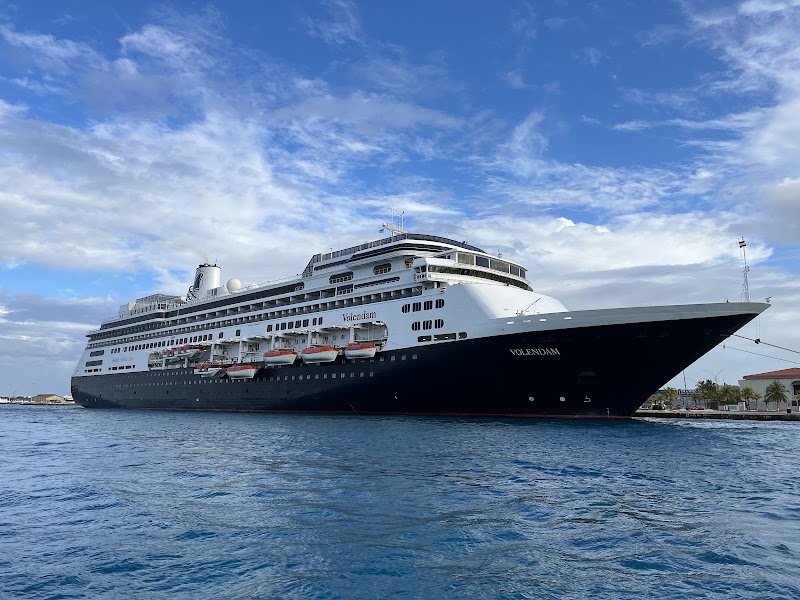
Aruba Cruise Terminal: A Practical Start in Oranjestad
A well-reviewed cruise gateway with walkable downtown access, shops, streetcar connections and a few heat-related drawbacks.
Aruba · Noord
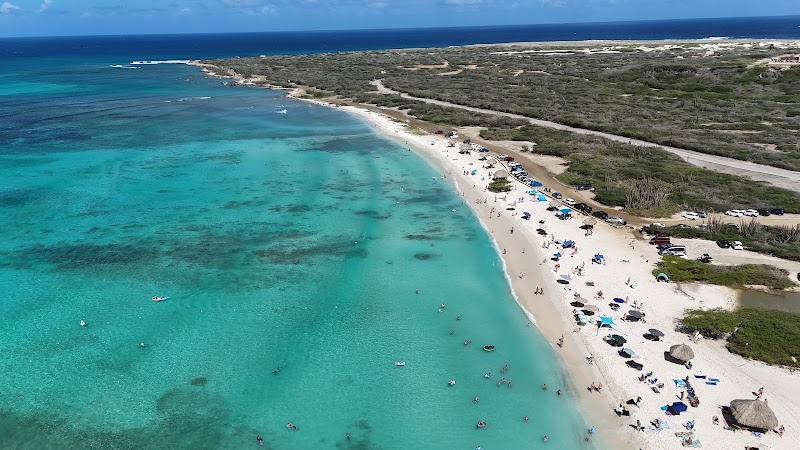
Arashi Beach, Aruba’s Clear-Water Snorkelling Stop
Public reviews consistently praise Arashi Beach for clear water, soft sand, easy swimming and a calmer feel than busier island beaches.