Museum of Environment: Rwanda’s landscape explained
Kibuye’s specialist museum explores Rwanda’s geography, energy production, native plants and environmental future through accessible displays and guided visits.
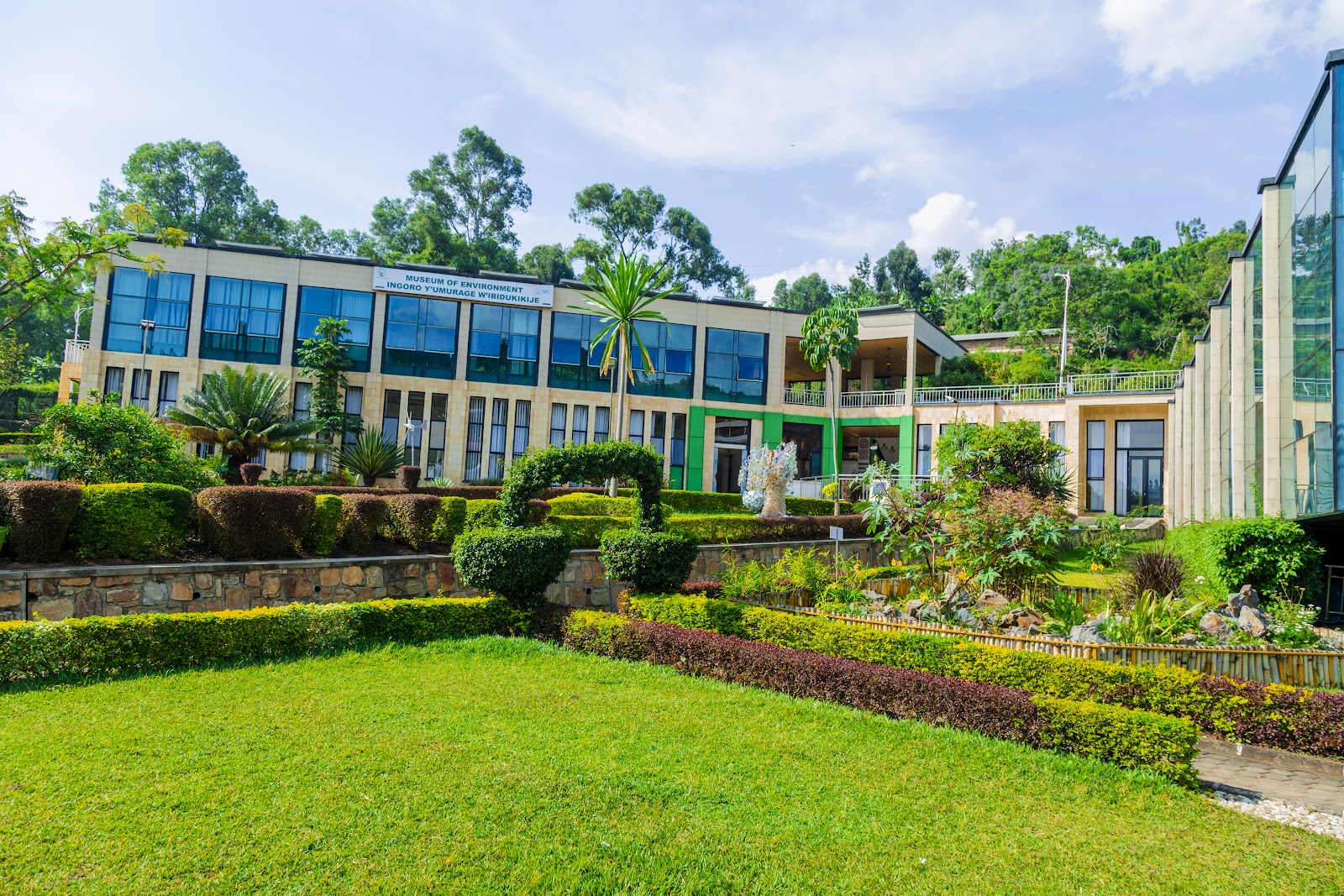
More photos

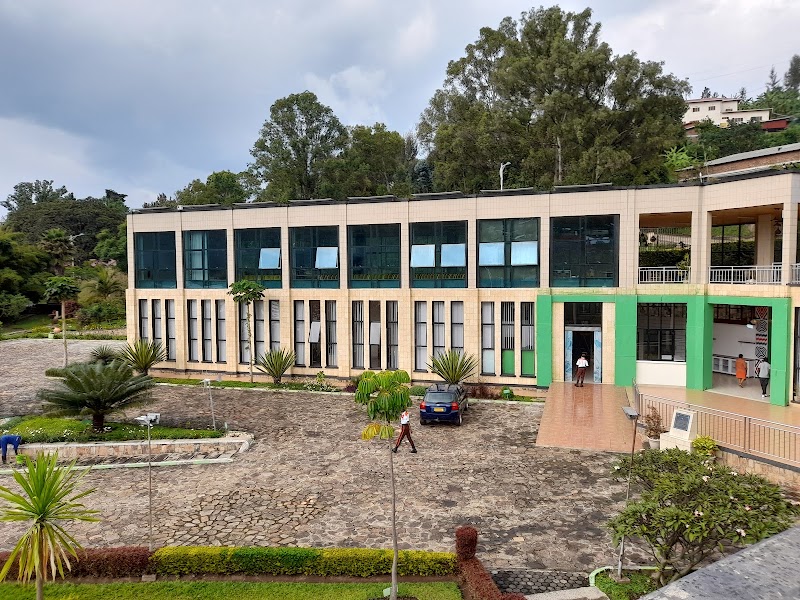
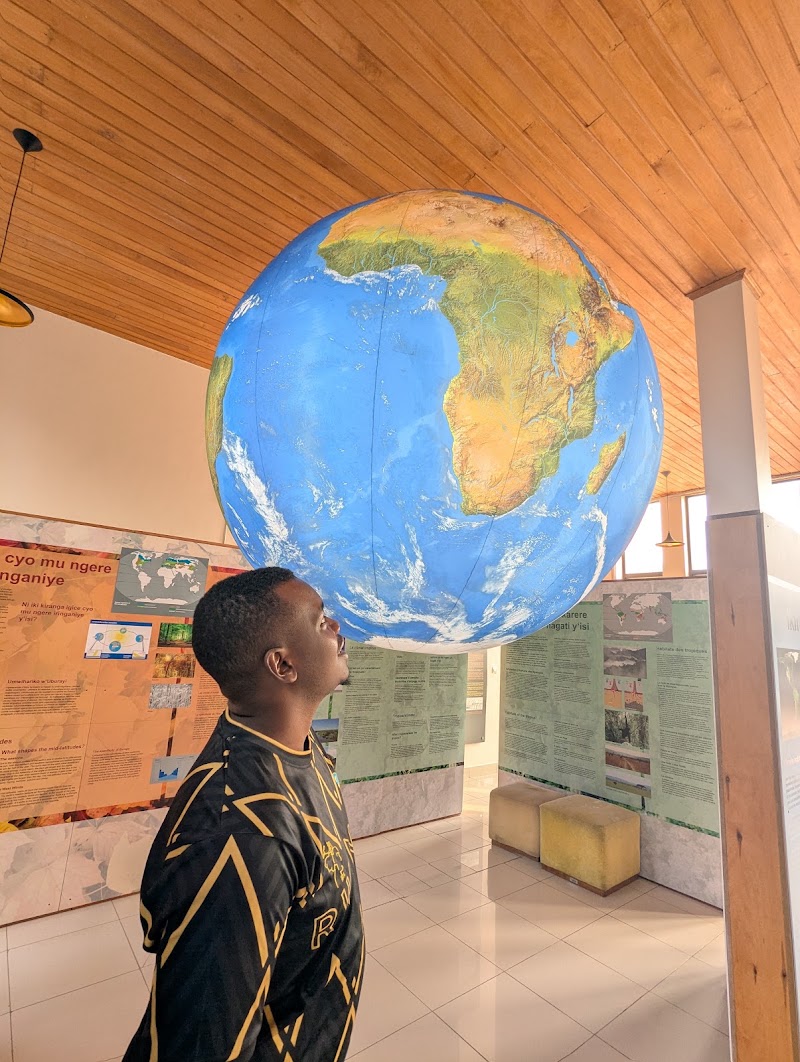
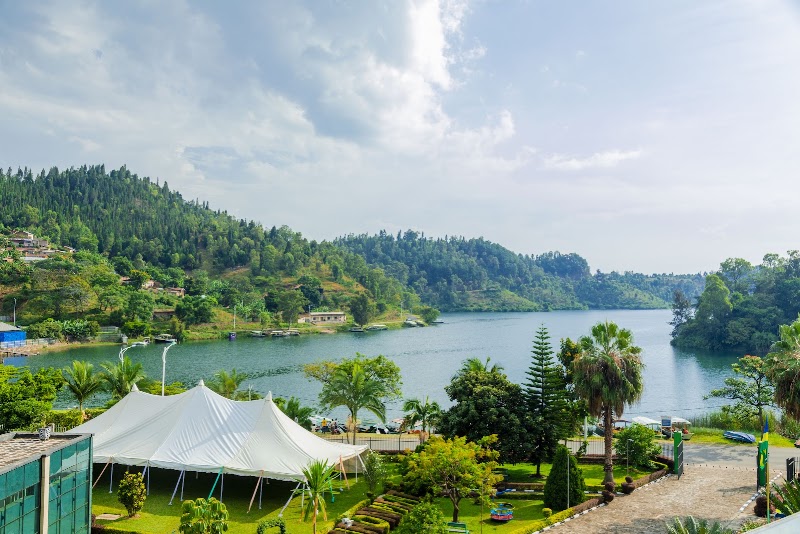

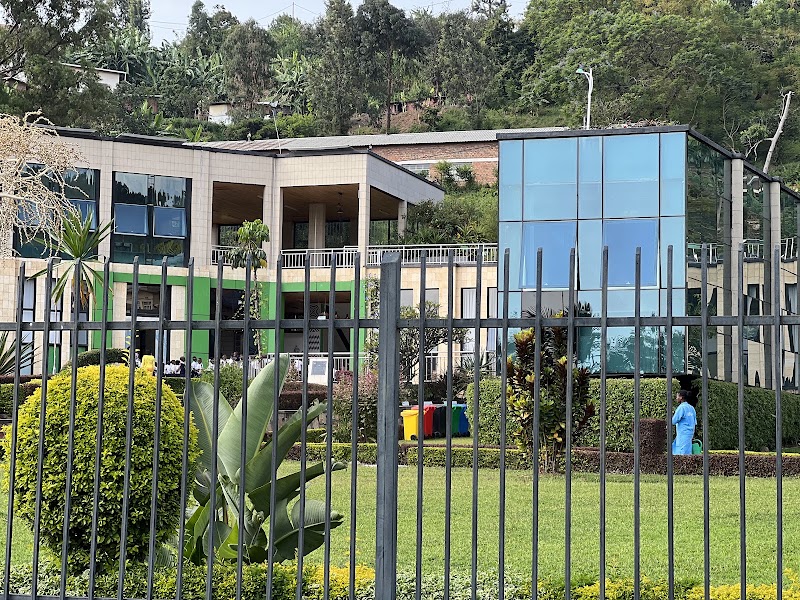
Photos published by travelers on Google, not AI generated.
What stands out
- Knowledgeable and friendly guides
- Rwanda-focused geography exhibits
- Energy production displays
- Rooftop garden with native herbs
- Accessible educational approach
Worth knowing
- Some material may feel school-level
- Later opening reported on Umuganda days
- Reported closure on April 7
Don't miss
What comes up most in public reviews
- Ask for a guided tour
- Explore the rooftop herb garden
- Learn about Rwanda’s energy production
- See the local plant displays
Worth the trip?
What visitors find
Public feedback presents the Museum of Environment as a focused, educational stop rather than a broad natural history museum. With a Google rating of 4.4 from 168 reviews, it is particularly well regarded for explaining how Rwanda’s geography, energy systems and environmental challenges connect. Several reviewers describe it as the only environmental museum in Africa, though that claim comes from visitor commentary rather than independently verified listing information.
The displays appear designed to make scientific topics approachable. Reviews mention Rwanda’s distinctive geographic conditions, energy production, local plants and the country’s environmental past, present and future. This makes the museum useful for travellers seeking context beyond Kibuye’s scenery, especially those interested in sustainability or the practical realities of energy in Rwanda.
Exhibits and guided visits
Guided interpretation is the strongest recurring theme in the reviews. Staff members are described as knowledgeable, competent, friendly and engaging. One visitor specifically praised a guide named Aloise for making an afternoon visit both informative and enjoyable. Travellers who prefer conversation and explanation over reading display panels may therefore get more from the museum by asking about a guided tour.
The rooftop garden also receives specific praise. It contains native Rwandan herbs and adds a tangible local element to the indoor material. Reviewers connect the garden with traditional medicine, making it one of the museum’s more distinctive features. A small coffee spot is also mentioned, offering a possible pause during the visit, although reviews provide little detail about its selection or opening pattern.
Who will enjoy it
The museum seems best suited to families, school groups and adults with a genuine interest in geography, environmental policy, plants or energy production. One review calls it ideal for school classes and compares the experience to a field trip. That educational style will be an advantage for some visitors and a limitation for others.
A recurring qualification is that parts of the content may feel familiar to anyone with a solid secondary-school grounding in environmental science. Visitors expecting highly specialised research, extensive interactive technology or a large collection could find the material basic. The value appears to come less from novelty in every display and more from applying familiar concepts to Rwanda’s particular landscape and energy situation.
Practical considerations
A few hours should be sufficient for the exhibits, a guided explanation and the rooftop garden. One reviewer enjoyed spending an afternoon there, but the museum also appears manageable as a shorter educational stop within a Kibuye itinerary.
A public review reports daily opening hours of 8:00 to 16:00, with opening at 12:00 on Umuganda days. The same review states that museums across Rwanda close on April 7 for Kwibuka, the commemoration of the Genocide against the Tutsi. Because schedules can change, visitors should confirm current hours before travelling, particularly around Umuganda and national commemorations.
Ask anything
Looking for somewhere else?
Keep exploring around Kibuye
More from Rwanda
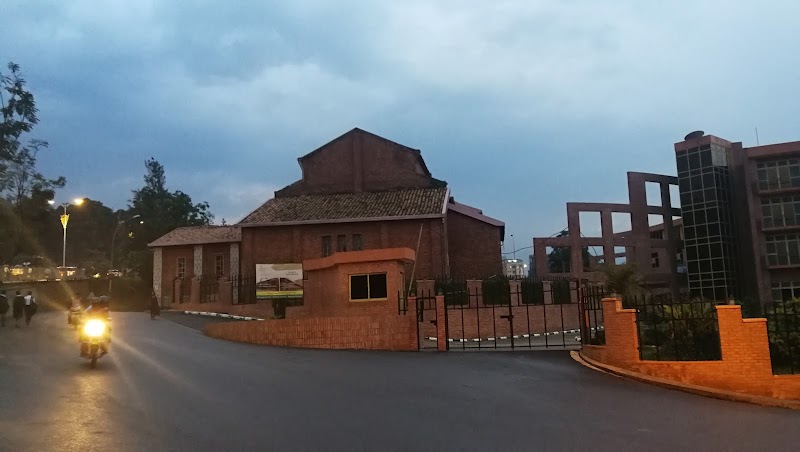
Rwanda · Kigali
St Famille Church: Historic Catholic Life in Kigali
A large, active Catholic church in Kigali, noted by reviewers for its history, emotional resonance, cleanliness and busy Sunday services.
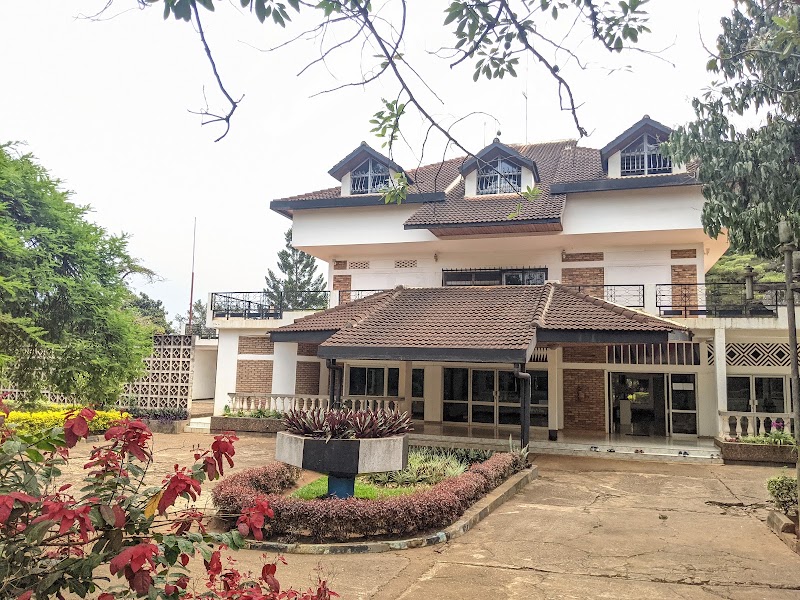
Rwanda · Kigali
Rwanda Art Museum: Contemporary art meets political history
Set in a former presidential residence, this Kigali museum combines work by local artists with a consequential piece of Rwanda’s past.
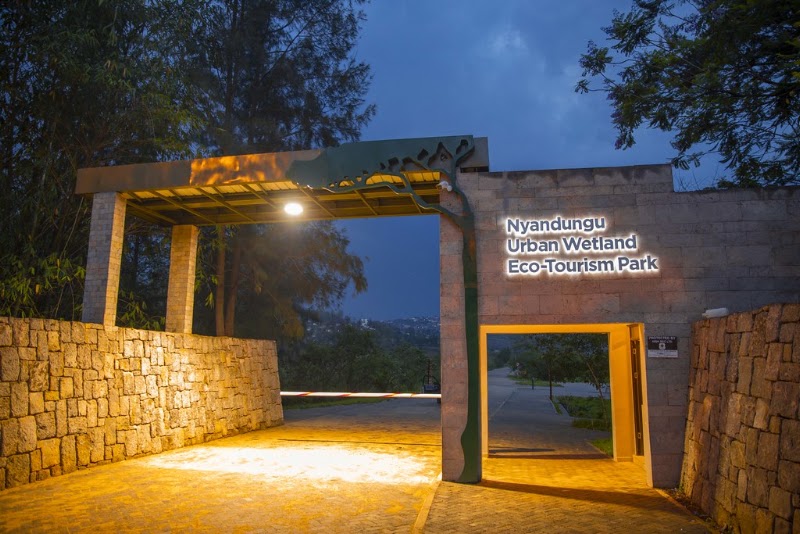
Rwanda · Kigali
Nyandungu Eco-Park: Quiet Trails and Kigali Hill Views
This landscaped Kigali park suits unhurried walks, cycling and quiet breaks, though some visitors question its scale, biodiversity and entry cost.
Rwanda
Akagera National Park: Rwanda’s savanna wildlife escape
Strong wildlife sightings, varied landscapes and guided game drives make Akagera a compelling safari trip from Kigali.