Museum Kura Hulanda confronts Curaçao’s painful past
A substantial, emotionally demanding museum praised for its candid presentation of slavery, racism and West African history.

More photos


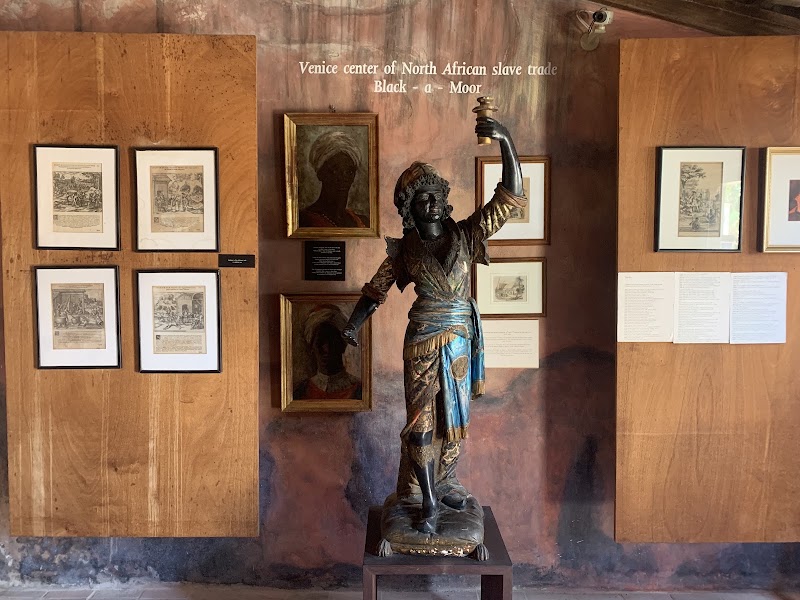
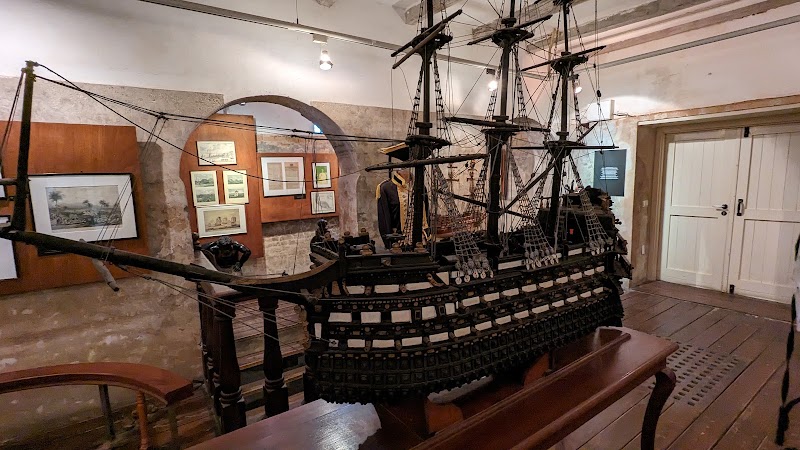
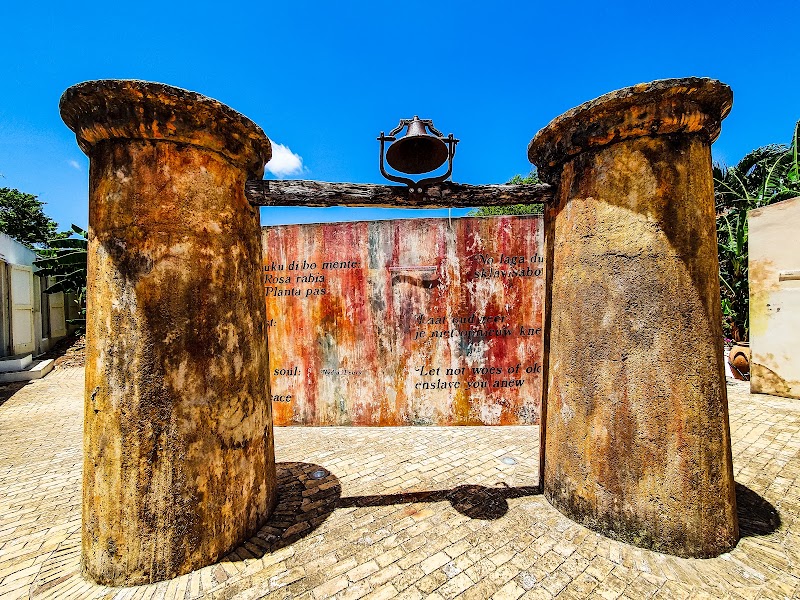
Photos published by travelers on Google, not AI generated.
What stands out
- Candid treatment of slavery and racism
- Artefacts from West African kingdoms
- Detailed descriptions for individual objects
- Well-organized displays across several sections
Worth knowing
- Exhibits can be emotionally difficult
- Street parking may require coins or a pass
- Accounts differ on the number of sections
Don't miss
What comes up most in public reviews
- West African kingdom artefacts
- The exhibits on slavery and racism
- The self-guided route through multiple buildings
- The map provided for navigating the museum
Worth the trip?
A museum with emotional weight
Museum Kura Hulanda is not a light cultural diversion, at least not according to its public feedback. Visitors repeatedly describe it as informative and powerful, but also deeply upsetting. Its treatment of slavery, racism and genocide is the main reason why. Reviewers praise the museum for speaking directly, without softening the historical record or stripping the material of its emotional force. Many came away impressed by how much they had learned, while still noting the sadness and discomfort involved.
The attraction has a Google rating of 4.5 from 1286 reviews. Based on the supplied feedback, its strength lies not in spectacle but in the seriousness and care of its historical narrative.
Collections and interpretation
The artefacts draw steady praise, particularly those linked to West African kingdoms and Curaçao’s wider history. Individual objects have accompanying descriptions, reviewers say, so the collection can be followed without depending entirely on a guide. The visit takes in several buildings or sections, and a supplied map helps visitors find their way around the complex.
There is a small difference in how reviewers describe the layout. One remembers four sections. Another refers to three sections in three buildings. They may simply be counting the exhibition spaces differently, but both accounts point to the same thing: Museum Kura Hulanda is a multi-part museum, not somewhere to rush through. The organization, placement and detail of the displays also receive positive comments.
Guided or self-guided visits
Travellers report that tickets are available at the entrance and that self-guided visits work well. Those who explored independently found the route manageable, thanks to the map and the written descriptions beside the artefacts. One visitor singled out a historian guide for knowledgeable and sensitive explanations, indicating that a guided visit can bring added context to difficult material.
Going self-guided should suit visitors who want time to stop, read and absorb the exhibits at their own pace. Given the painful themes, there is value in not hurrying. Anyone after a casual photo stop or fast-paced entertainment may find it less suitable.
Practical considerations
Parking is the clearest practical concern in the reviews. A parking lot down the street is recommended as the easiest choice. Street parking may require coins or a parking pass. Those arriving by car should leave a little extra time instead of expecting to find a space directly outside.
Small shops nearby make it possible to turn the museum visit into a pleasant half-day outing in Willemstad. The main warning, though, is emotional rather than logistical. The story is told with unusual directness, and several reviewers found it painful or depressing even as they judged the experience worthwhile. For travellers drawn to history, African artefacts and an honest interpretation of Curaçao’s past, public opinion is strongly positive.
Ask anything
Looking for somewhere else?
Keep exploring around Willemstad
More from Curaçao
Curaçao · Blaauwbaai
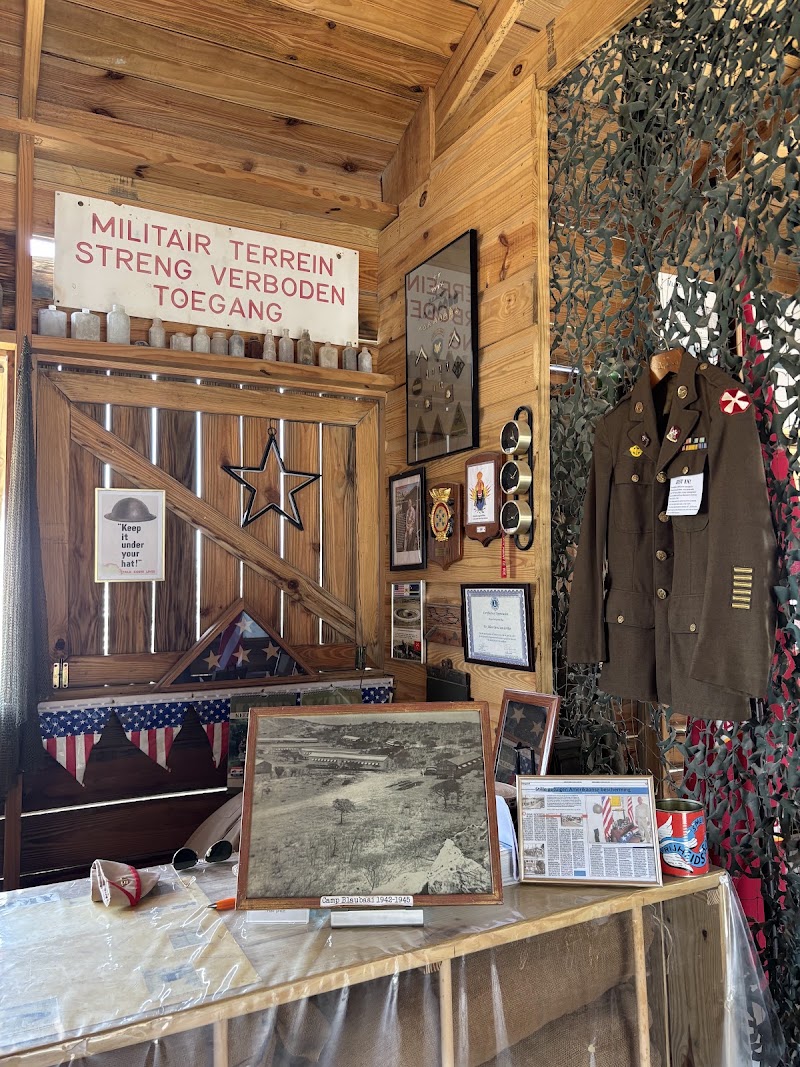
WWII Museum Curaçao: Small Collection, Big Stories
This appointment-only museum in Blaauwbaai pairs Curaçao’s wartime history with detailed storytelling from founder Allan van der Ree.
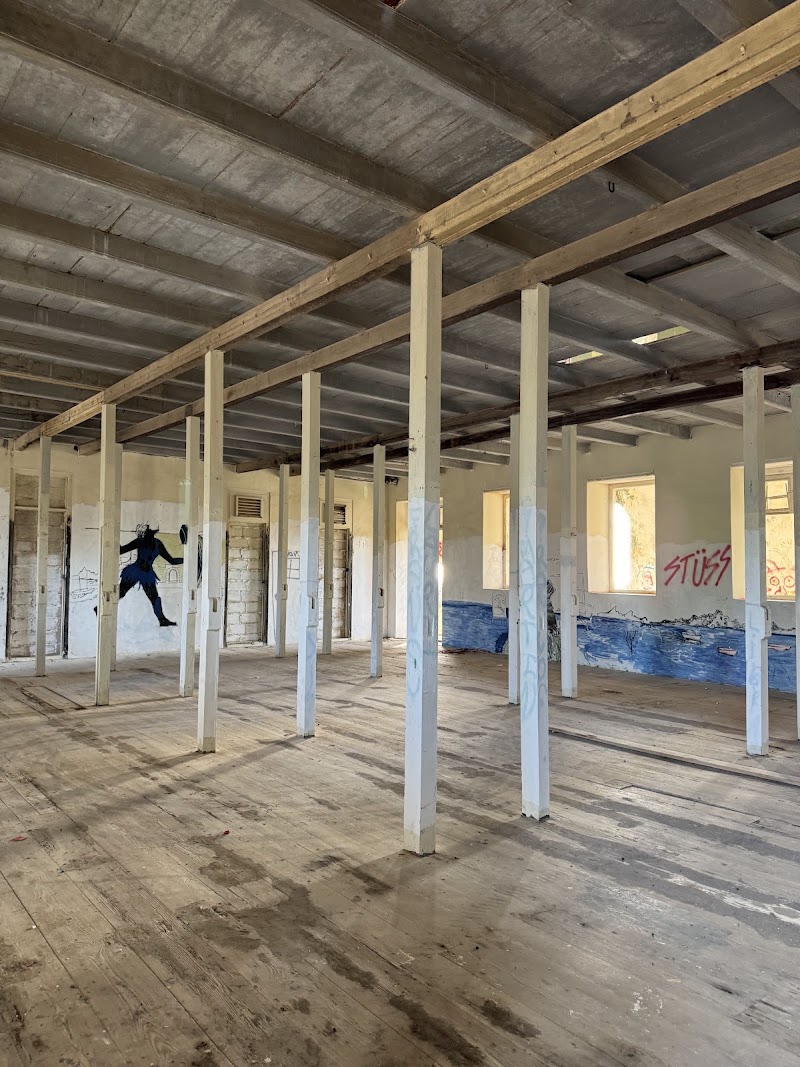
Curaçao · Willemstad
Quarantine House: Curaçao’s Atmospheric Urbex Landmark
A gutted historic building at Caracas Baai, valued for its layered past, stark architecture and coastal views despite serious deterioration.
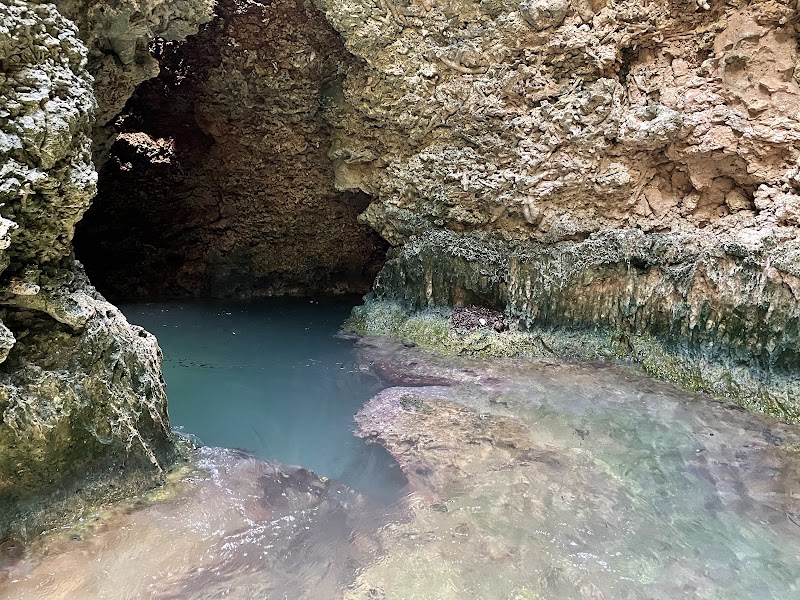
Curaçao · Westpunt
Tomasito Cave: A Rugged Detour in Westpunt
Tomasito Cave combines coastal views, steep steps and a watery cave approach, making it better as a quick adventure than a major island sight.
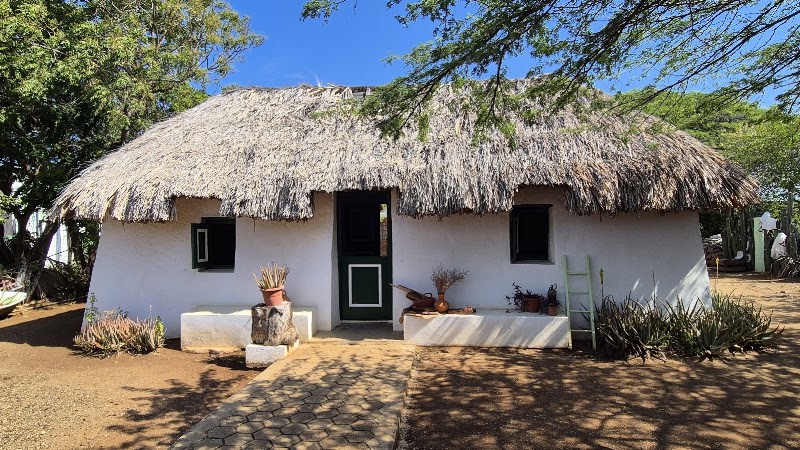
Curaçao · Dokterstuin
Kas di Pal'i Maishi: Curaçao’s Past in Everyday Detail
This preserved kunuku house in Dokterstuin explores post-emancipation rural life through domestic objects, traditional practices and lively interpretation.