Jade, pottery and pre-Columbian culture in San José
San José’s Jade Museum earns praise for its well-presented artefacts, cultural context and broader scope beyond its headline collection.
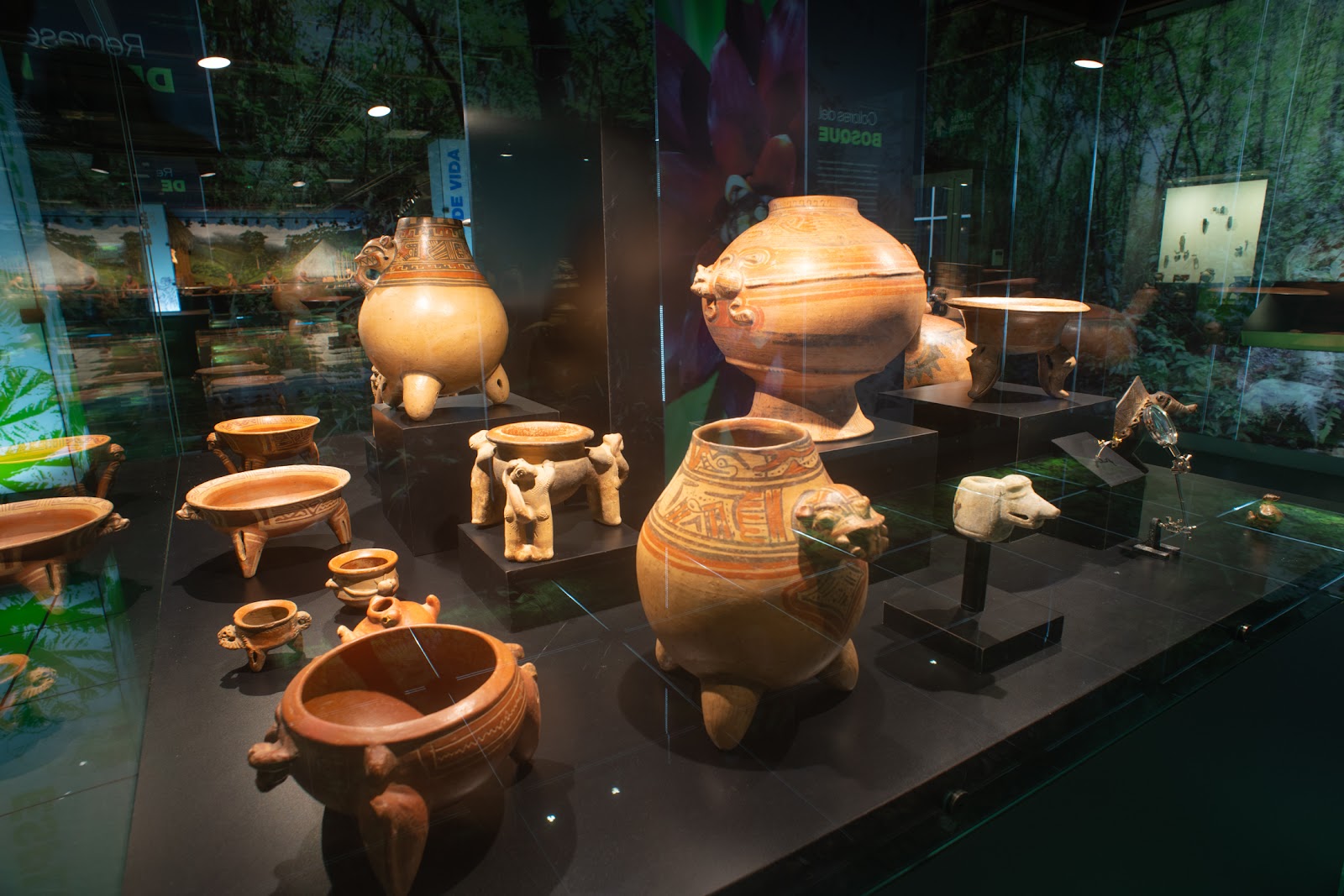
More photos
Photos published by travelers on Google, not AI generated.
What stands out
- Three floors of pre-Columbian artefacts
- Jade, pottery and stone collections
- English and Spanish displays
- Themes of spirituality and nature
- Insight into regional exchange routes
Worth knowing
- Some displays lack detailed explanations
- Parts of the collection may feel repetitive
- Audio tour may not work reliably
Don't miss
What comes up most in public reviews
- The jade collection
- Pre-Columbian pottery
- Stone artefacts
- Displays on Indigenous culture and spirituality
Worth the trip?
What the reviews suggest
With a Google rating of 4.7 from 4024 reviews, Museo del Jade y la Cultura Precolombina stands out as a rewarding cultural stop in San José. Public feedback consistently praises the quality and condition of the collection, as well as the museum’s ability to introduce Costa Rica’s pre-Columbian identity to visitors who may know little about it.
Despite the name, the experience is not limited to jade. Reviewers highlight pottery, stone objects and other archaeological artefacts, often describing the wider collection as an unexpected strength. Several visitors arrived expecting a narrowly focused display and left with a broader appreciation of Central American art and Costa Rica’s Indigenous past.
Collection and interpretation
The museum spans three floors, with enough material for an unhurried visit of several hours. Displays explore spirituality, nature and regional exchange routes alongside the objects themselves. Some reviewers also note contemporary themes connected with sustainability, conservation and the relationship between culture and the natural world.
The presentation is commonly described as informative, immersive and thoughtfully designed. English and Spanish interpretation makes the main displays useful to both international and local visitors. The collection may be smaller than those associated with major archaeological museums in Mexico or Peru, but reviewers repeatedly value the excellent condition and visual quality of the pieces on show.
Jade remains central, though expectations matter. One reviewer anticipated more large or highly distinctive jade works and found many pieces relatively small. Others felt the pottery and stone artefacts were just as compelling, if not more surprising. Travellers interested in the full sweep of pre-Columbian material are therefore likely to get more from the museum than those focused only on monumental jade objects.
Where it falls short
The main criticism concerns interpretation. Although many displays are informative, some visitors report that individual objects lack enough explanation of their significance. Repetition can also become noticeable across a collection of this size, particularly for those moving quickly through all three floors.
There is also a report of an audio tour malfunctioning and repeatedly returning to its introduction. Staff attempted to help, but the issue was not resolved during that visit. Visitors who consider audio interpretation essential may want to ask whether it is working before relying on it.
Editorial verdict
Synthesizing the public ratings and reviews, the museum is best approached as a broad introduction to Costa Rican pre-Columbian culture rather than simply a room of jade. Its strongest qualities are the range and condition of the artefacts, the bilingual presentation and the links drawn between art, spirituality, nature and cultural exchange.
A visit can comfortably occupy up to half a day, especially for travellers who pause over the pottery, stonework and cultural displays. Minor gaps in object-level descriptions and possible audio-guide problems temper the experience, but the overall response remains strongly positive. For first-time visitors to Costa Rica, it offers useful context for understanding the country well beyond its modern reputation for wildlife and conservation.
Plan the rest of the trip
Ask anything
Looking for somewhere else?
Keep exploring around San José
More from Costa Rica
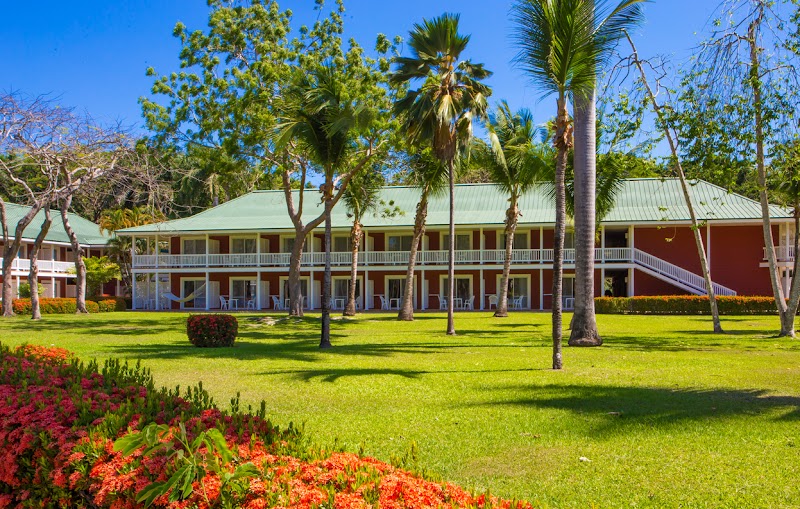
Costa Rica · Tambor
Barceló Tambor: Beach, Wildlife and Spacious Grounds
Public reviews point to a relaxed beach resort with abundant wildlife, friendly service and a few busy points around the bars and pool.
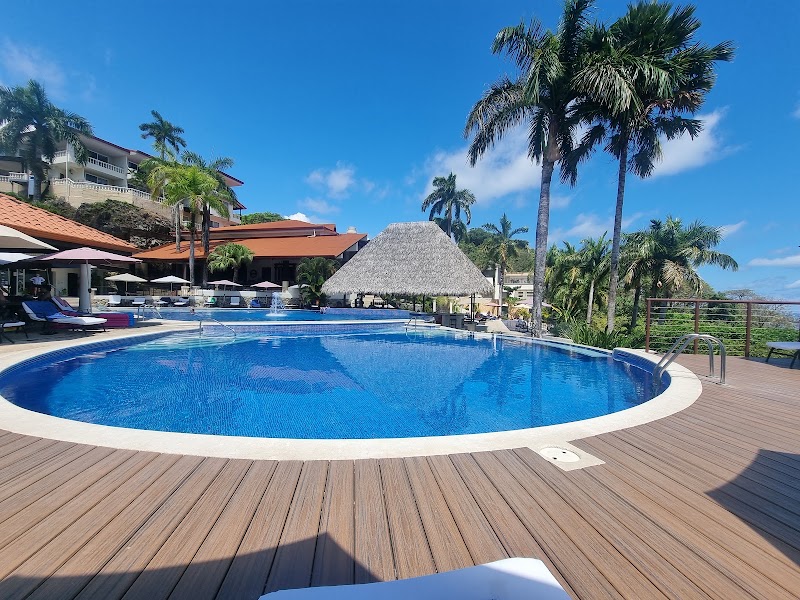
Costa Rica · Quepos
Parador Resort & Spa Manuel Antonio Review
A highly rated rainforest resort near Quepos, with wildlife on the property, several pools and strong reviews from couples and families.
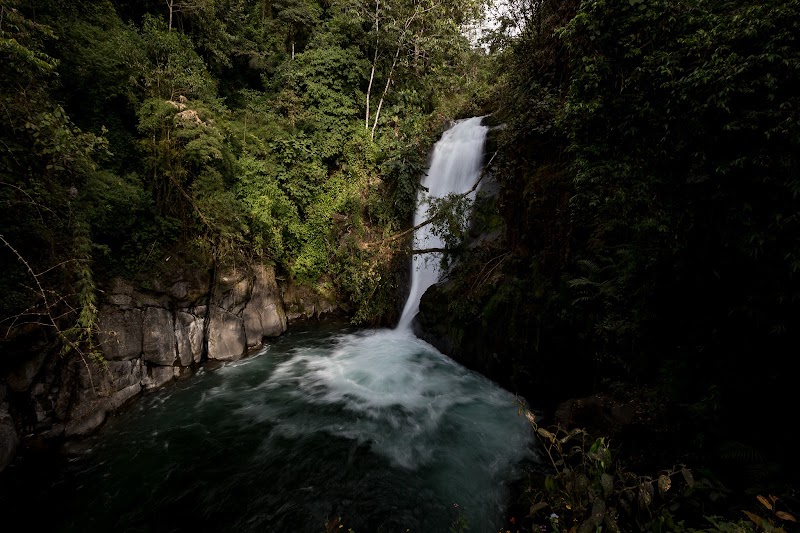
Costa Rica · San Gerardo
Cloudbridge Nature Reserve: Waterfalls and Mountain Trails
Cloudbridge Nature Reserve rewards prepared hikers with four waterfalls, cloud-forest scenery, birds and a rugged approach near San Gerardo, Costa Rica.
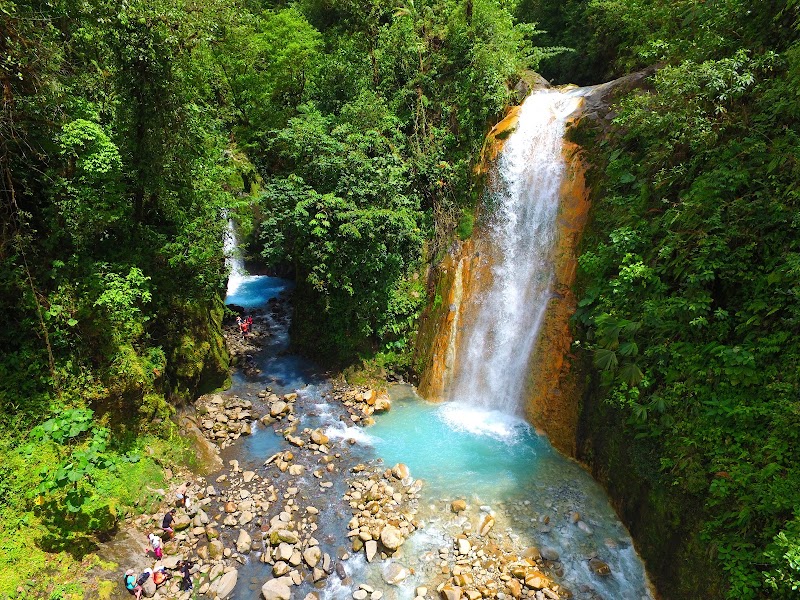
Costa Rica · Bajos del Toro
Blue Falls of Costa Rica: A Steep, Striking Waterfall Hike
Public reviews praise the vivid blue pools, dramatic falls and helpful trail staff, while warning that the terrain demands time, balance and stamina.