Museo del Hermano Pedro: Ruins, Artifacts and Quiet Gardens
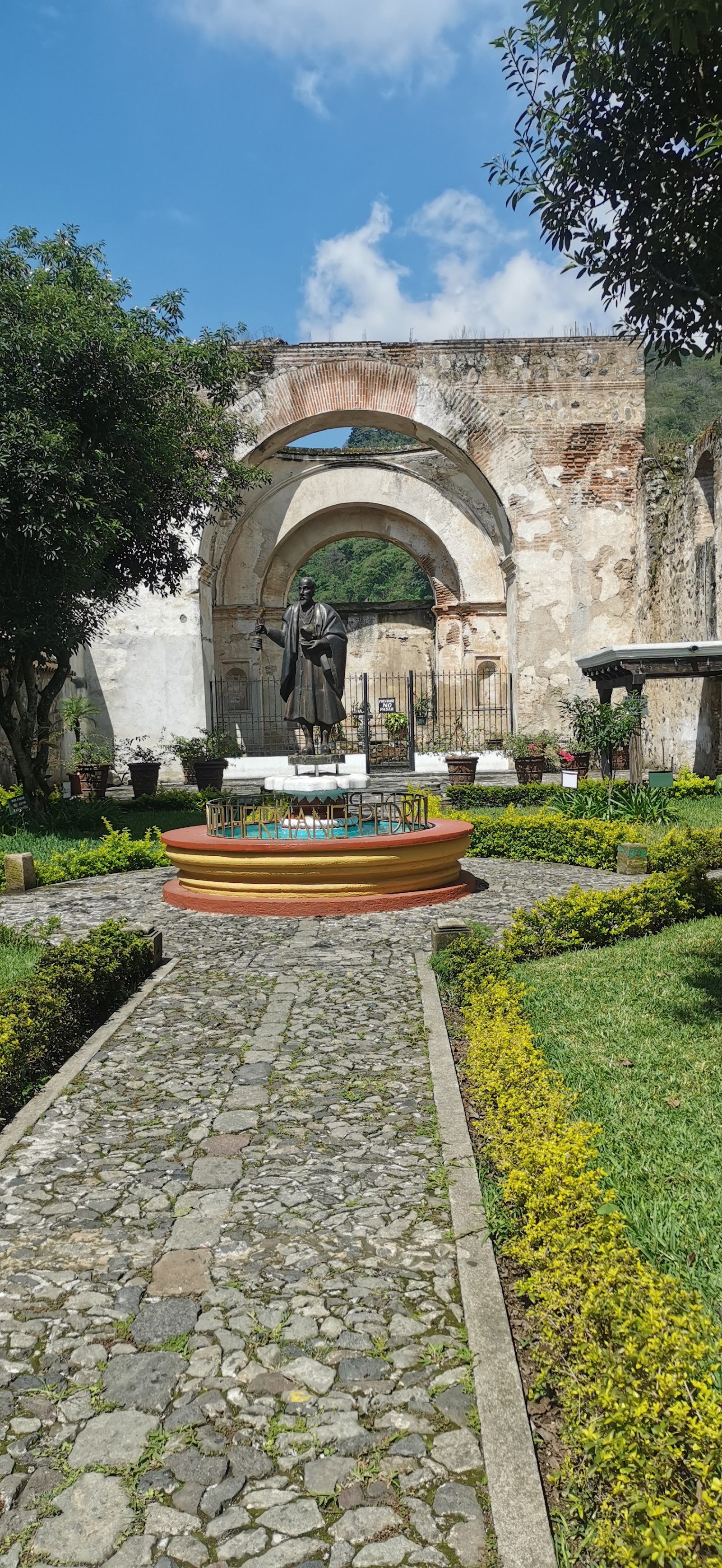
This peaceful Antigua Guatemala museum complex combines religious history, earthquake-damaged ruins, a church, a chapel and garden paths.
More photos
Photos published by travelers on Google, not AI generated.
What stands out
- Earthquake-damaged religious ruins
- Peaceful gardens among the ruins
- Church and chapel on site
- Artifacts and religious artworks
- Walking distance from central park
Worth knowing
- Admission arrangements may vary
- Ceremonial noise may occur
Don't miss
What comes up most in public reviews
- Inspect the stucco traces on the facades
- Walk through the peaceful gardens
- Visit the church and chapel
- Allow time for the museum artifacts
- Photograph the exterior ruins
Worth the trip?
What public reviews show
Museo del Hermano Pedro is described in public reviews as more than a conventional museum. Visitors encounter a historic religious complex with ruins, a church, a chapel, museum rooms and peaceful garden areas. The site pays homage to Hermano Pedro, recognised in reviews as Latin America’s first saint.
The Google listing has a rating of 4.7 from 880 reviews. That response points to a well-regarded stop for travellers interested in Antigua Guatemala’s religious history and colonial-era remains. Reviewers repeatedly describe the visit as calm, photogenic and easy to fit into a walk through the historic centre.
Ruins and religious spaces
The damaged structures are a major reason to come. Reviews connect the complex with Antigua Guatemala’s earthquake history and mention traces of decorative stucco on the facades. Other comments refer to damage caused by earthquakes and landslides, with the exterior offering plenty to examine.
The church and chapel can surprise visitors who arrive expecting only museum galleries. One review specifically notes confusion about the range of spaces on site, while also praising the art and artifacts inside. The complex rewards a slower visit, since the experience is spread across several connected points of interest rather than concentrated in a single room.
How the visit feels
Public feedback consistently presents the site as peaceful and inexpensive. The gardens provide a quieter pause among the ruins, and visitors mention spending a few hours moving through the paid and free areas. Photography is another recurring theme, particularly around the exterior remains and the old religious buildings.
Its location helps. Reviewers say the complex is within walking distance of Antigua Guatemala’s central park, with a market nearby. That makes it practical as part of a town-centre walking route rather than a destination requiring a separate excursion.
The museum’s current admission should be checked before arrival. One review mentions a paid museum area and separate free spaces, but prices and access arrangements can change. Some visitors may also encounter ceremonial noise. A review recalls loud shots being used to honour or celebrate Saint Hermano Pedro, so the atmosphere may not always be completely quiet.
Who should go
Museo del Hermano Pedro suits travellers who want history without giving up time for photographs or an unhurried walk. It works particularly well for visitors exploring Antigua Guatemala on foot, people interested in religious heritage, and anyone drawn to earthquake-damaged architecture.
The site is not presented in reviews as a large, formal museum requiring a full day. Half a day is a sensible allowance if the church, chapel, gardens, ruins and museum rooms are all included. Those with limited time can still see the exterior and gardens quickly, though the artifacts and interior spaces add context.
The strongest reason to visit is the combination of settings: a functioning religious complex, evocative ruins and a small museum experience in one central location. It is quiet in places, visually rewarding and well suited to a measured Antigua Guatemala itinerary.
Plan the rest of the trip
Ask anything
Looking for somewhere else?
Keep exploring around Antigua Guatemala
More from Guatemala
Guatemala · Ciudad de Guatemala
Museo Popol Vuh: A Focused Introduction to Maya Art
This well-curated Ciudad de Guatemala museum brings Maya art, writing and timekeeping into a manageable visit with clear bilingual explanations.
Guatemala · Guatemala
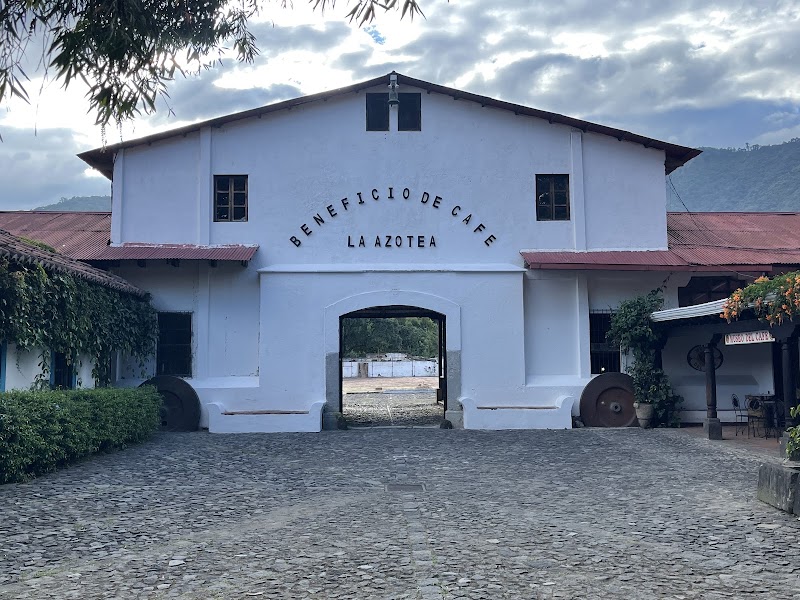
Finca La Azotea: Coffee, Chocolate and Grounds to Explore
Public reviews describe Finca La Azotea as a flexible half-day stop with coffee, chocolate workshops, gardens and activities for different ages.
Guatemala · Estanzuela
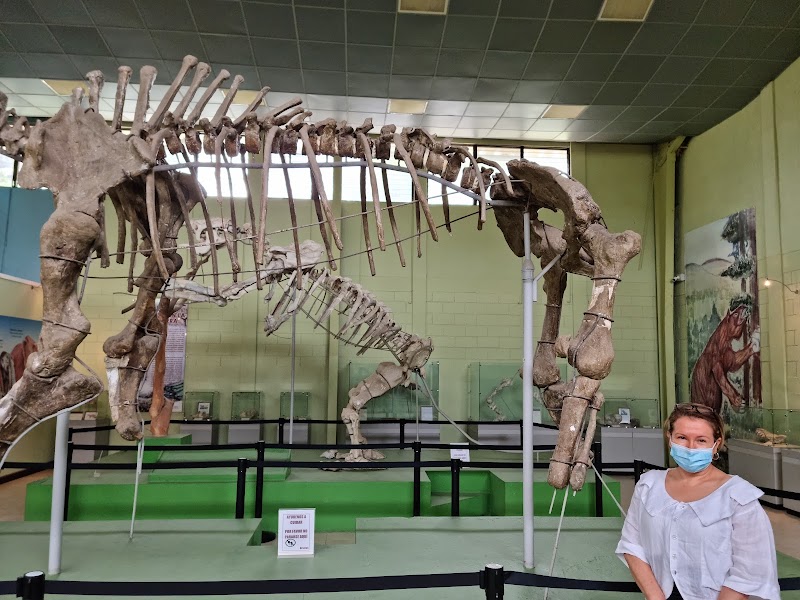
Museo de Paleontología y Arqueología de Estanzuela
A small, highly rated museum in Estanzuela brings together fossils, dinosaur-era remains and Maya archaeological pieces in an educational visit.
Guatemala · Ciudad de Guatemala
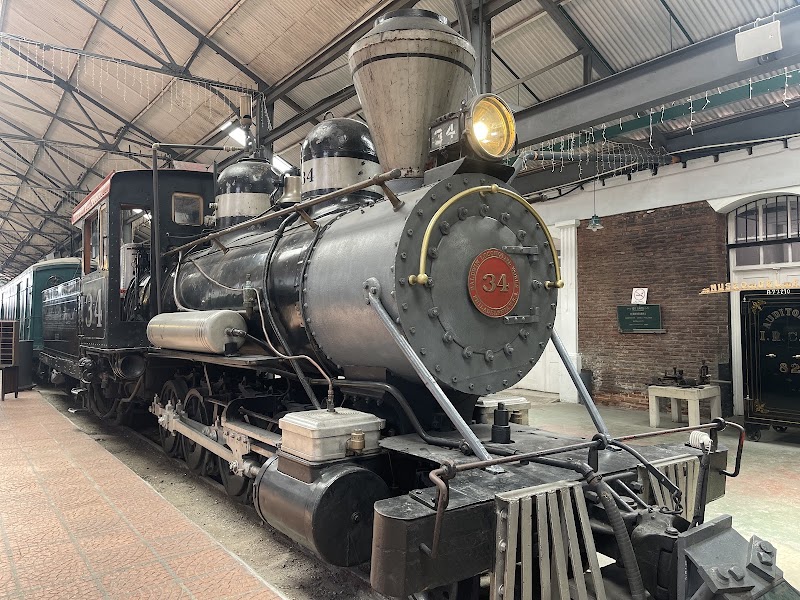
Museo del Ferrocarril: Guatemala City’s Railway Time Capsule
This well-reviewed museum lets visitors walk through historic trains and explore the objects, photographs and working details of Guatemala’s railway past.