Cuba’s sugar history at Marcelo Salado’s factory museum
This former sugar factory museum appeals to industrial-history fans, though English-language interpretation may be inconsistent.
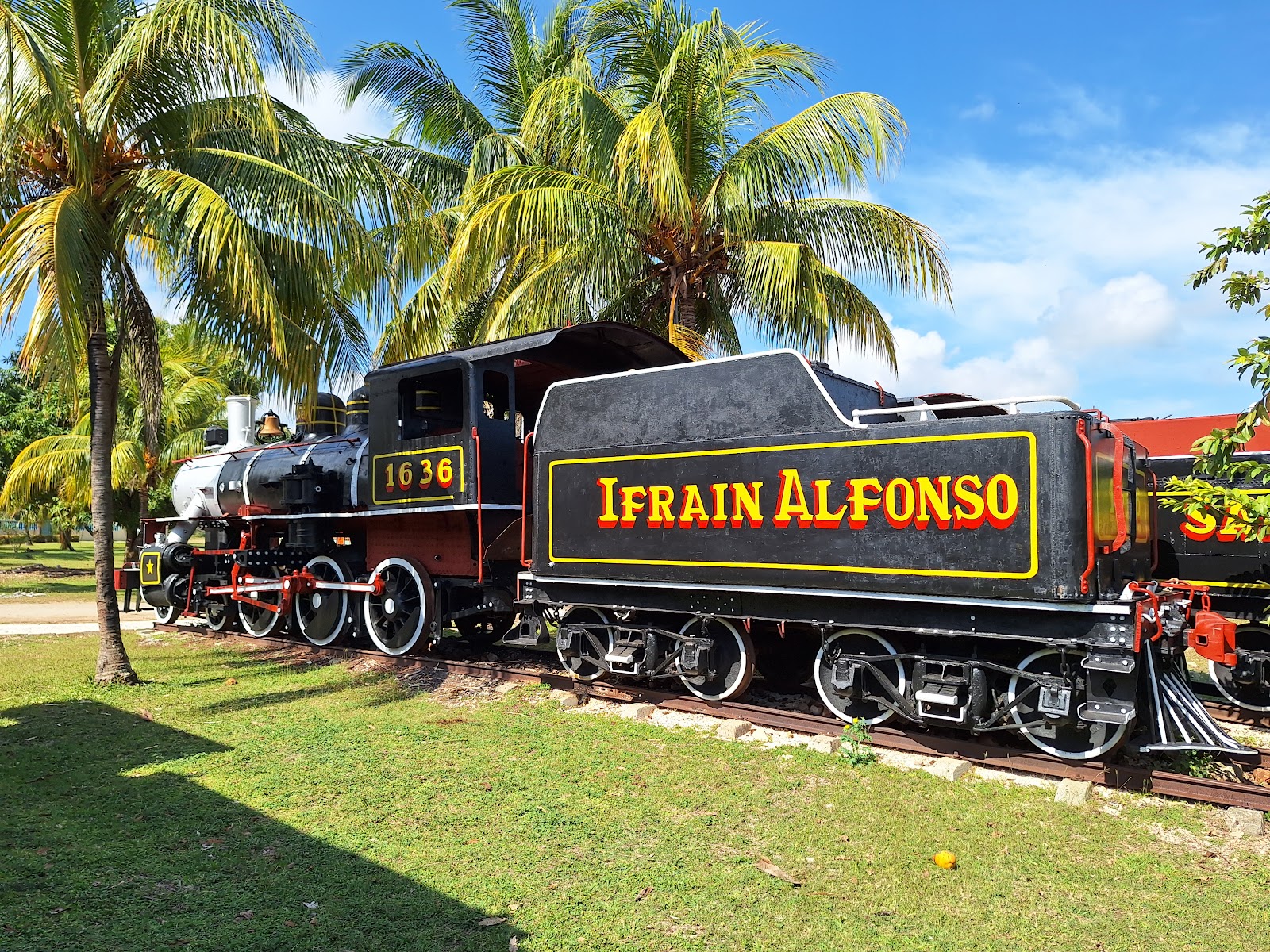
More photos
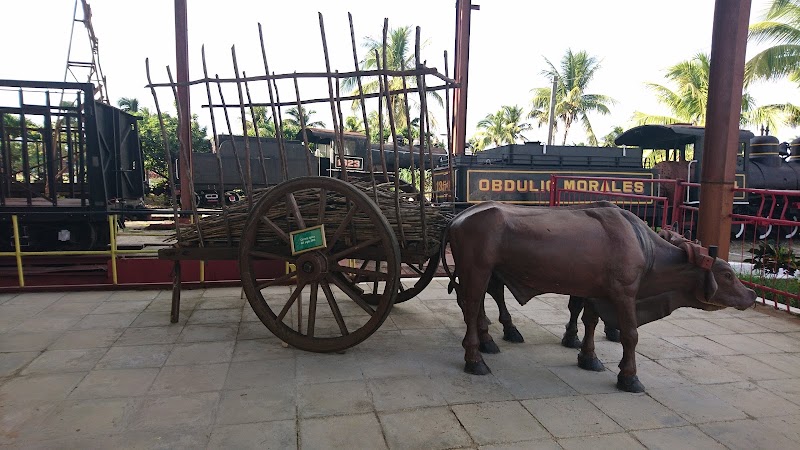
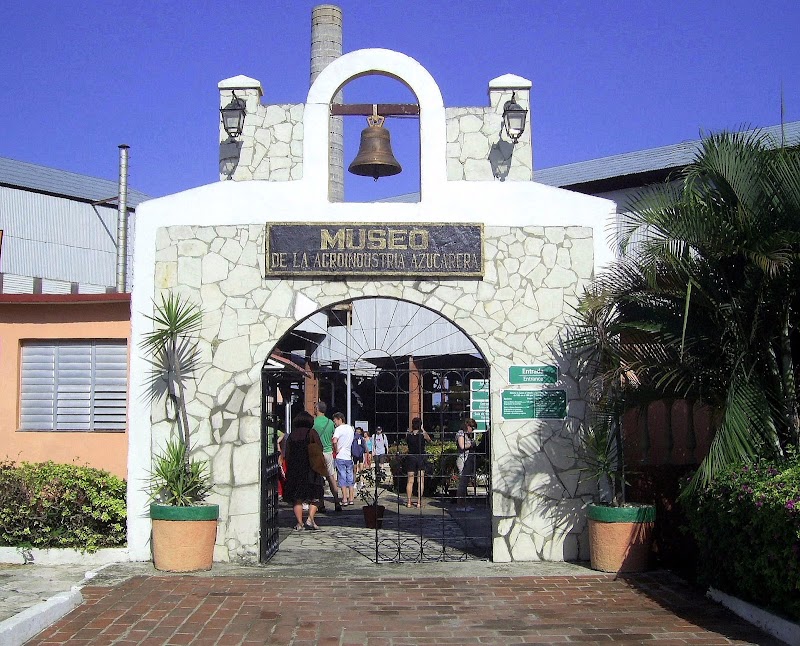


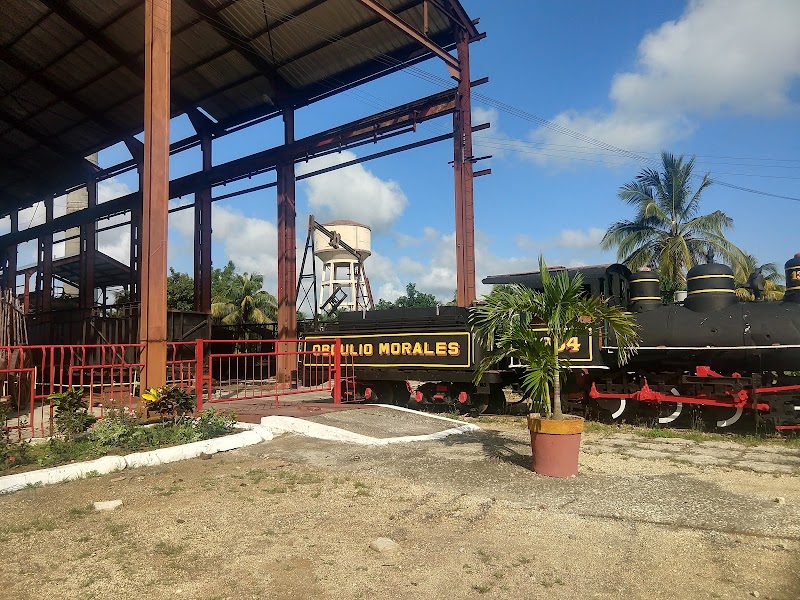
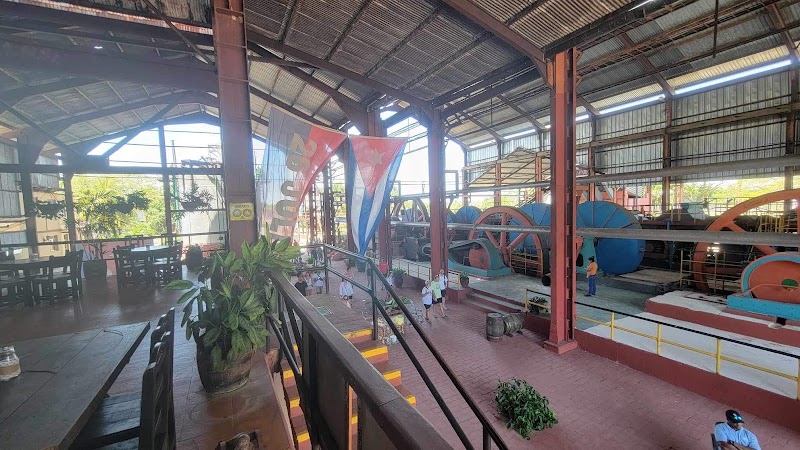
Photos published by travelers on Google, not AI generated.
What stands out
- Cuban sugar-cane history
- Evolution of sugar production
- Old sugar factory heritage
- Educational historical focus
Worth knowing
- English-language guiding may be limited
- The history can be difficult to follow without translation
Don't miss
What comes up most in public reviews
- Learn about Cuba’s sugar-cane history
- Follow the evolution of sugar making
- Explore the old sugar factory’s history
Worth the trip?
What the reviews suggest
Museo de la Agroindustria Azucarera earns a Google rating of 4.4 from 127 reviews, with its strongest feedback centred on Cuba’s sugar-cane history. Travellers repeatedly describe it as an educational stop where the evolution of sugar production becomes easier to understand. The museum appears particularly rewarding for visitors already interested in old factories, industrial processes or the role of sugar in Cuban history.
The public feedback is concise but broadly positive. Reviewers call the museum a great place to learn about sugar cane, and one specifically praises its treatment of the old sugar factory’s history. Another reports an exceptionally enjoyable visit, although that review focuses as much on the warmth of Cuban people as on the attraction itself. Taken together, the comments point to a characterful historical site rather than a polished, highly interpretive museum experience.
The main reason to visit
The clearest draw is the opportunity to follow how sugar-cane processing developed over time. Reviews repeatedly mention learning about the evolution of sugar making, suggesting that the surviving factory context gives the subject more weight than a conventional display might. For industrial-heritage enthusiasts, the old sugar factory is likely to be the centrepiece.
This is also the kind of attraction that can add historical depth to a journey through the region. One reviewer stopped while travelling from Remedios towards Cayo Santa María, framing the museum as a worthwhile break between destinations. The available reviews do not establish how long a full visit takes, but they do suggest that it works well as a focused stop rather than the basis for an entire day.
Interpretation and language
The most important reservation concerns language support. One English-speaking visitor found the visit boring because the guide’s English was limited, making both the production process and the site’s history difficult to follow. That is only one account, so it should not be treated as proof that every English-language visit has the same problem. It is still a practical warning for travellers who rely on detailed spoken interpretation.
English speakers may get more from the museum if they confirm language arrangements before beginning a guided explanation. Visitors with some background knowledge of sugar production or Cuban economic history may also find it easier to interpret the machinery, factory setting and historical narrative when translation is limited.
Editorial verdict
Museo de la Agroindustria Azucarera looks best suited to curious travellers who value industrial history and want to understand how sugar cane was processed in Cuba. Its appeal is specific rather than universal. Enthusiasts are likely to appreciate the old factory setting and historical focus, while casual visitors may depend heavily on the quality and language of the guiding available that day.
The strong public rating supports its inclusion as a short cultural stop in Marcelo Salado. The recurring praise for its educational value is persuasive, but inconsistent English interpretation prevents an unqualified recommendation for international visitors.
Ask anything
Looking for somewhere else?
Keep exploring around Marcelo Salado
More from Cuba
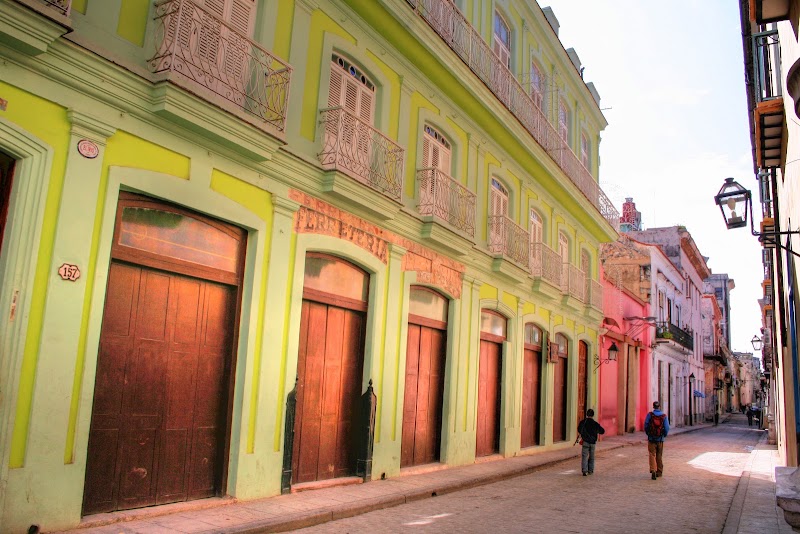
Cuba · Havana
Casa de África: Havana’s African Heritage Museum
A substantial collection explores African influences in Cuba, though Spanish-language interpretation and uneven staff support can limit the experience.
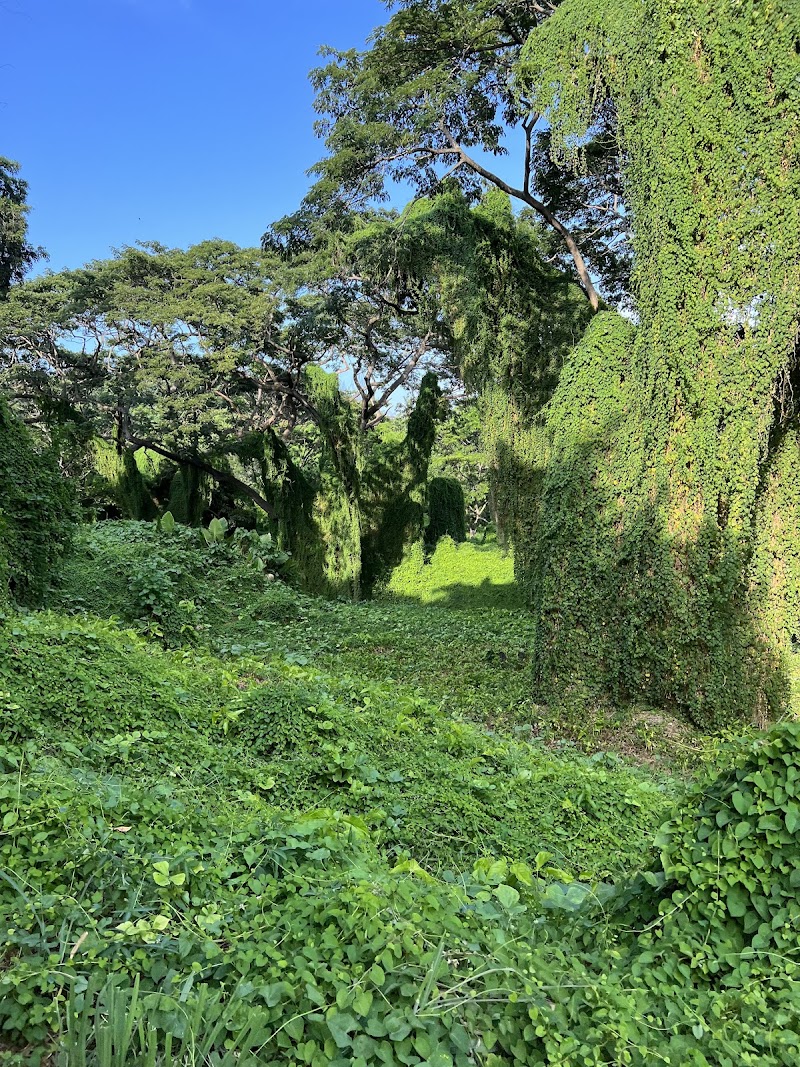
Cuba · Havana
Isla Josefina: Tropical Scenery and Pricey Drinks
This lush Havana attraction earns praise for its photogenic setting, though drink prices and scattered litter temper the experience.
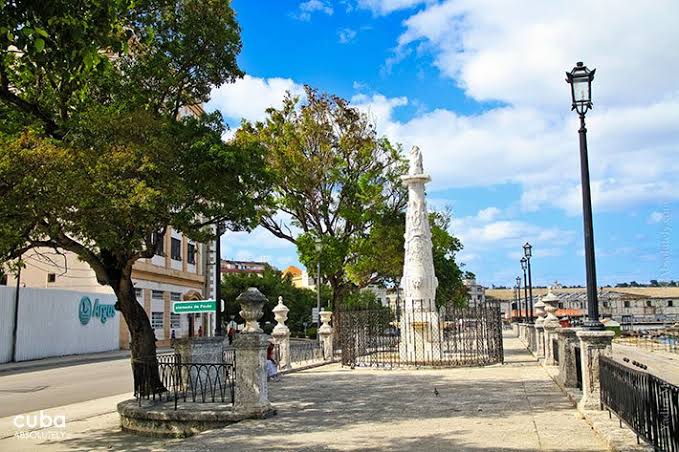
Cuba · Havana
Alameda de Paula: a calm walk with a lively local rhythm
Public reviews describe a relaxing Havana walk framed by ageing architecture, restoration work and informal community sport.
Cuba · Havana
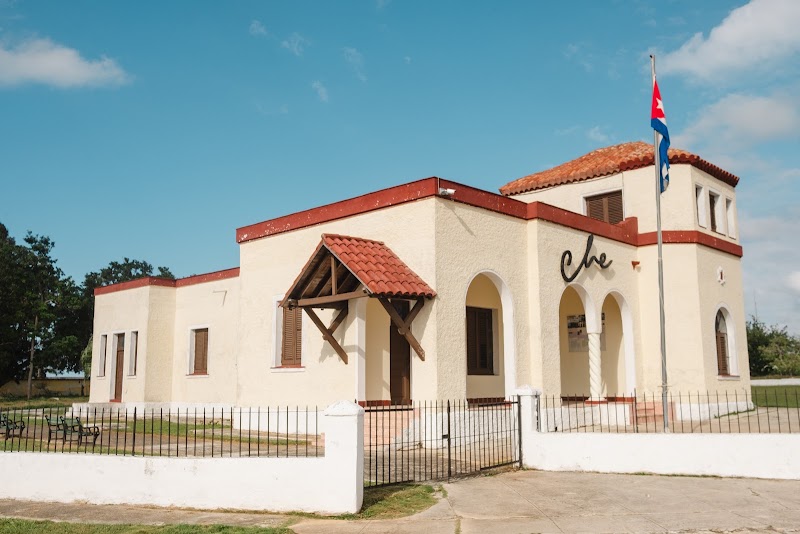
La Cabaña de Che Guevara: history with Havana views
A compact museum combining Che Guevara’s former living quarters, personal objects and broad views across Havana.