Murambi Genocide Memorial Centre: A difficult history
A profoundly moving memorial in Karaba, confronting the 1994 Genocide against the Tutsi through stark interpretation and preserved remains.
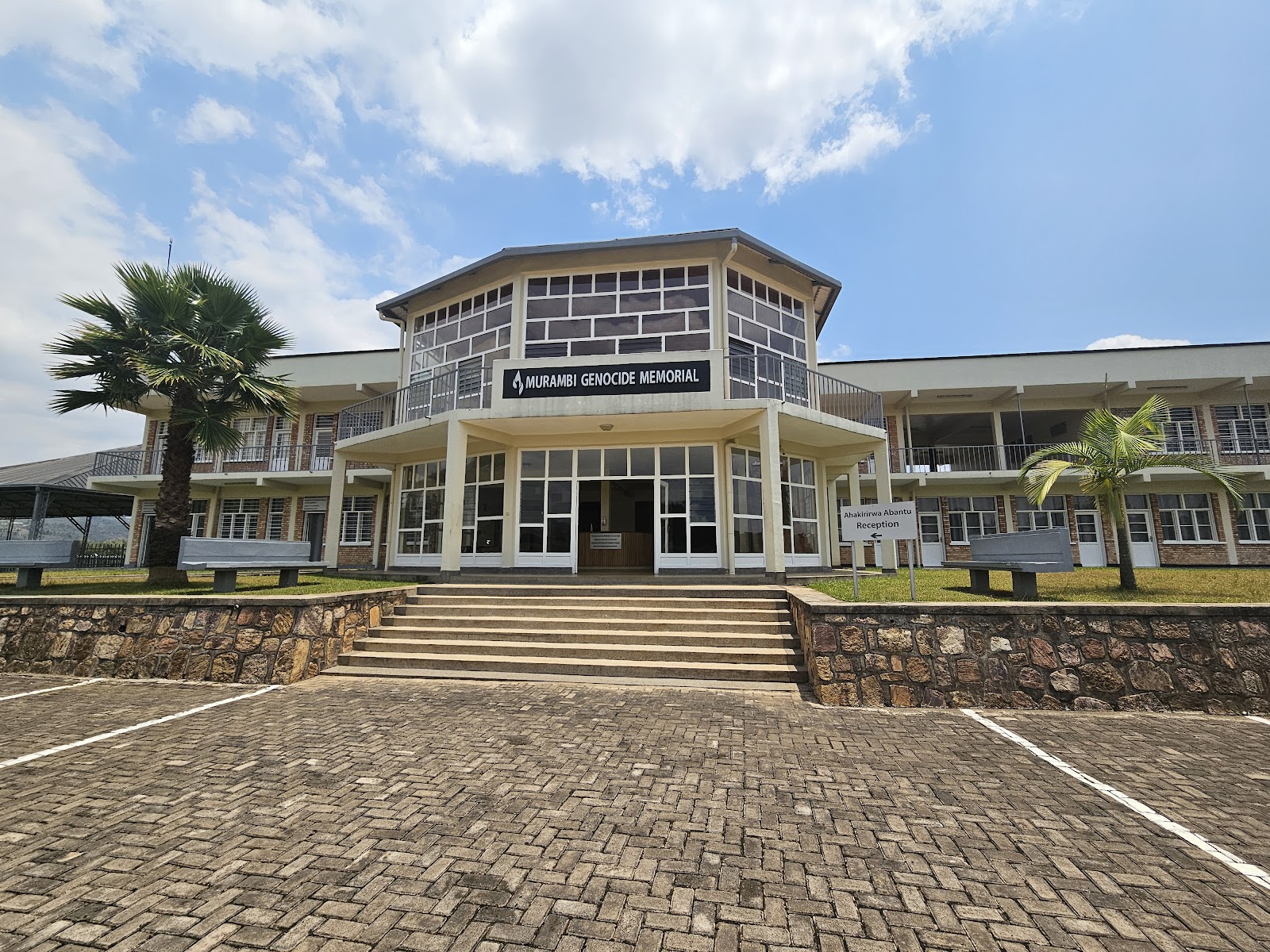
More photos
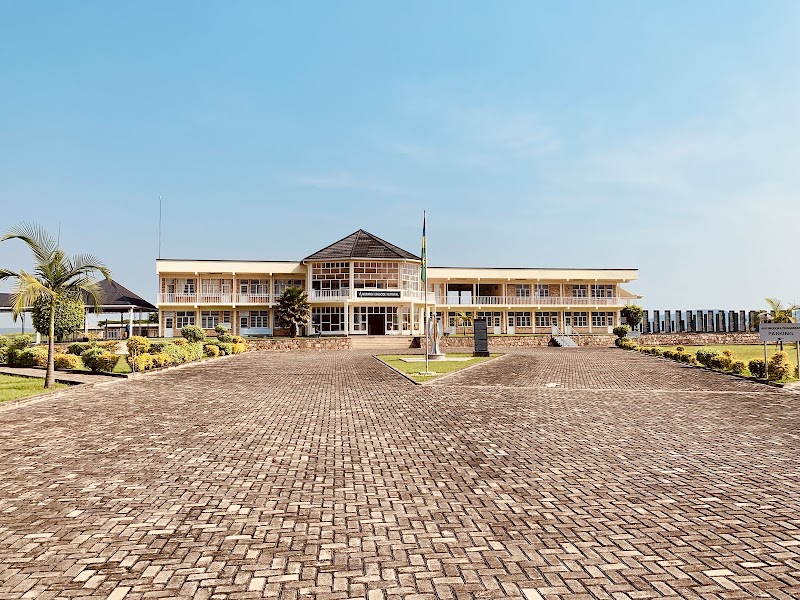


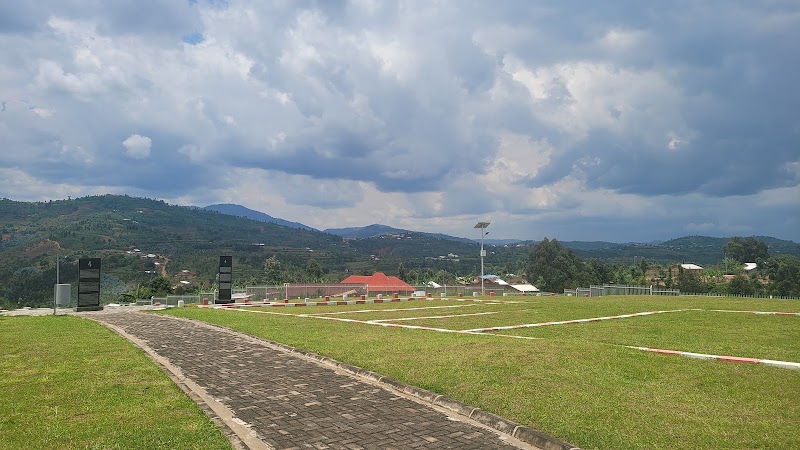
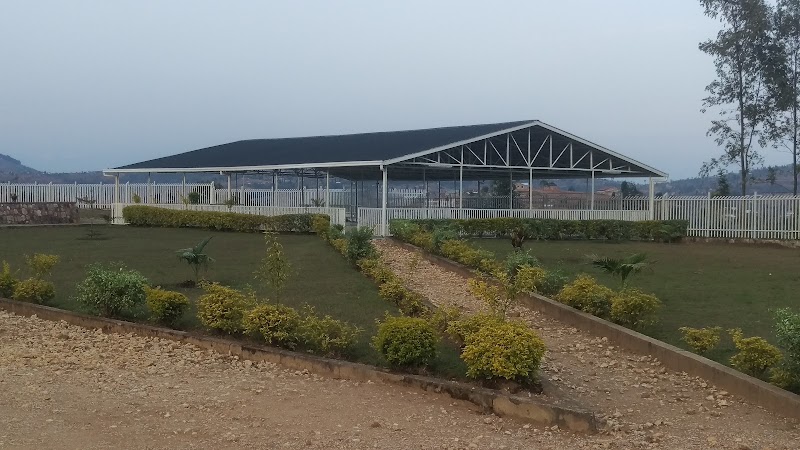
Photos published by travelers on Google, not AI generated.
What stands out
- Powerful genocide history
- Profound atmosphere of remembrance
- Clear historical information
- Beautiful surrounding countryside
- Well-kept memorial grounds
Worth knowing
- Preserved human remains are visible
- Content can be profoundly distressing
- Main building may feel limited in exhibits
Don't miss
What comes up most in public reviews
- Historical information in the main building
- Preserved remains at the memorial
- Views of the surrounding countryside
Worth the trip?
A place of remembrance
Public feedback presents Murambi Genocide Memorial Centre as one of Rwanda’s most emotionally demanding historical sites. Rated 4.3 from 55 Google reviews, it is repeatedly described as heartbreaking, powerful and essential to preserving the memory of those killed during the 1994 Genocide against the Tutsi. Reviewers regard a visit as both an act of tribute and a lesson about the consequences of hatred, violence and international failure.
The memorial occupies a site where reviewers report that more than 50,000 Tutsis were killed. That context shapes the entire experience. This is not treated as a conventional museum visit, and the strongest responses focus less on entertainment or display quality than on grief, reflection and the responsibility to remember.
An unflinching experience
The most important warning in public reviews concerns the presence of preserved human remains. Some visitors refer directly to seeing bodies, making clear that the memorial’s interpretation is unusually graphic and immediate. The experience may be unsuitable for young children, highly sensitive visitors or anyone unprepared for direct encounters with evidence of mass killing.
For those who do enter, reviews suggest that the impact comes from confronting the physical reality of the genocide rather than learning about it only through text. Words such as “heartbreak,” “outrage” and “silence” recur in accounts of the visit. Travellers should approach respectfully, allow time to process what they see and avoid treating the grounds as a routine sightseeing stop.
Exhibits and setting
Reviewers praise the memorial for offering clear insight into the horrors of 1994, with the main building providing historical information and exhibits. At least one review felt that this building could contain more displays, so visitors expecting a large, comprehensive museum may find the interpretation limited in scale. The emotional and educational weight of the wider site appears to matter more than the quantity of conventional exhibits.
The surrounding countryside is frequently noted for its beauty, creating a sharp contrast with the history preserved at Murambi. Public feedback also describes the memorial site as well developed and well kept. That care contributes to its solemn atmosphere without softening the difficult subject matter.
Editorial verdict
Synthesizing the available ratings and traveller comments, Murambi Genocide Memorial Centre stands out as a vital but distressing place of remembrance. Its value lies in direct testimony, historical context and the space it creates for mourning. The limited number of exhibits mentioned by one reviewer is worth noting, but it does not outweigh the site’s broader significance.
A half-day visit should leave enough room for the main building, the preserved remains and quiet reflection across the grounds. Murambi is best suited to historically engaged travellers who understand the nature of the material before arriving. It demands emotional preparation, respectful conduct and time afterward to absorb what has been seen.
Ask anything
Looking for somewhere else?
Keep exploring around Karaba
More from Rwanda
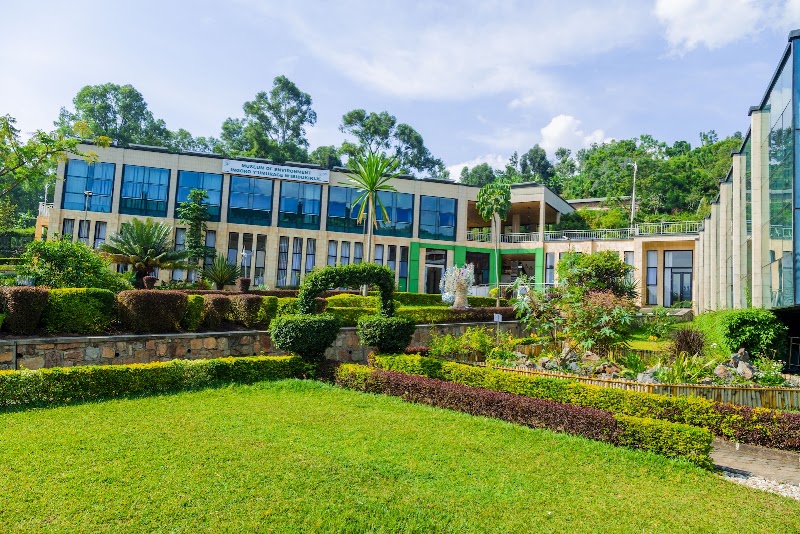
Rwanda · Kibuye
Museum of Environment: Rwanda’s landscape explained
Kibuye’s specialist museum explores Rwanda’s geography, energy production, native plants and environmental future through accessible displays and guided visits.
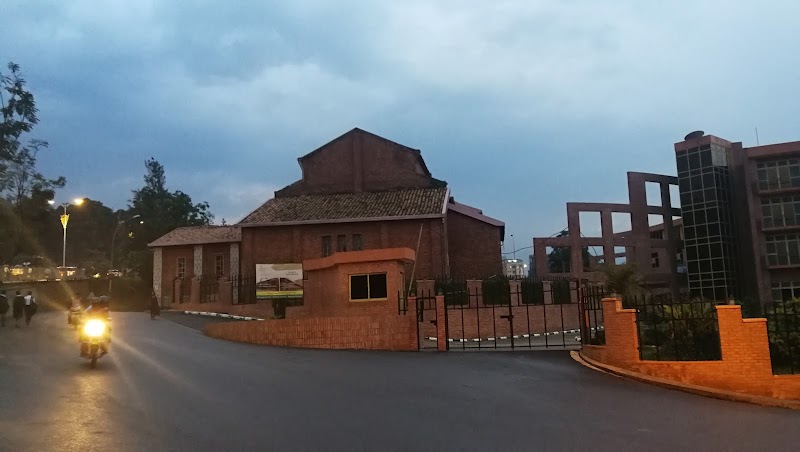
Rwanda · Kigali
St Famille Church: Historic Catholic Life in Kigali
A large, active Catholic church in Kigali, noted by reviewers for its history, emotional resonance, cleanliness and busy Sunday services.
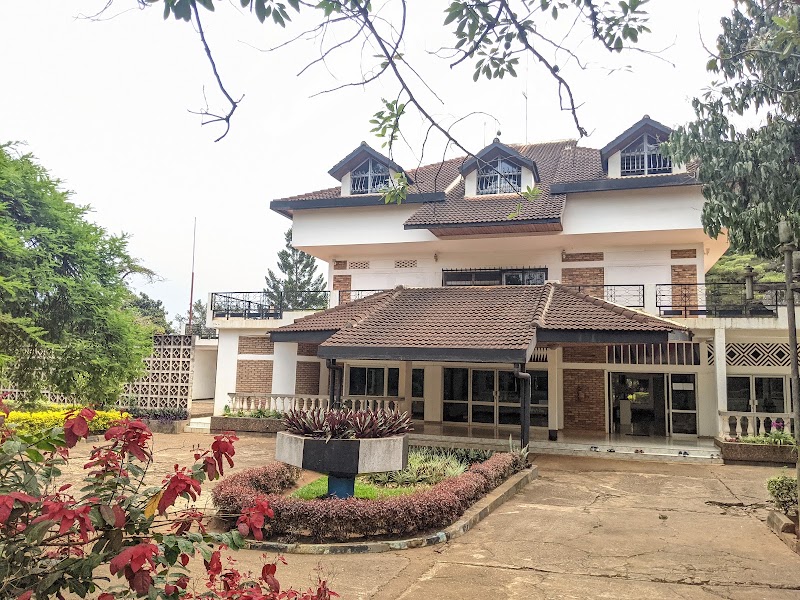
Rwanda · Kigali
Rwanda Art Museum: Contemporary art meets political history
Set in a former presidential residence, this Kigali museum combines work by local artists with a consequential piece of Rwanda’s past.
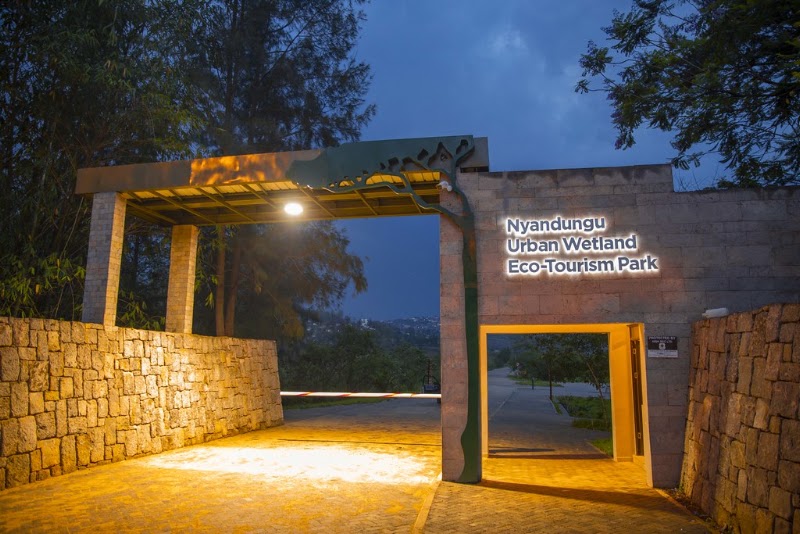
Rwanda · Kigali
Nyandungu Eco-Park: Quiet Trails and Kigali Hill Views
This landscaped Kigali park suits unhurried walks, cycling and quiet breaks, though some visitors question its scale, biodiversity and entry cost.