Muliaage: a historic palace stop in central Malé
Malé’s official presidential palace is best appreciated from outside as a compact stop for history, architecture and photographs.

More photos
Photos published by travelers on Google, not AI generated.
What stands out
- Official presidential palace
- Construction dating from 1914 to 1919
- Colonial-era Ceylon bungalow style
- Central Malé location
- Neatly maintained gardens
Worth knowing
- Interior access is reportedly unavailable
- Better as part of a wider city walk
Don't miss
What comes up most in public reviews
- View the palace façade from outside
- Notice the Ceylon-influenced bungalow design
- Look across the maintained gardens
- Learn about Prince Hassan Izzuddin’s connection
Worth the trip?
A landmark on a city walk
Synthesised from public ratings and traveller reviews, Muliaage emerges as a worthwhile but brief sightseeing stop in central Malé. It has a Google rating of 4.4 from 81 reviews, with visitors particularly interested in its political role, early 20th-century history and distinctive exterior. Several reviewers describe it as the official palace or residence of the President of the Maldives.
Its central position is part of the appeal. One traveller encountered the palace while exploring Malé on foot and found it easy to spot, suggesting that it fits naturally into a broader city walk rather than requiring a dedicated outing. The building’s formal appearance also gives travellers a visual contrast to the busier streets around it.
From royal commission to presidential palace
The historical background is the strongest reason to pause. Reviews consistently place construction between 1914 and 1919. They say Sultan Mohamed Shamsuddeen III commissioned the residence for his son, Prince Hassan Izzuddin, ahead of the prince’s return from his studies in Ceylon.
One detailed account notes that the site had links to former sultans and royalty but that the present building never served as a sultan’s palace. Its later role as the official presidential palace is therefore central to understanding the property. Reviews also note that Muliaage reached its hundredth anniversary in 2019, reinforcing its significance within the modern history of Malé.
The architecture is described as following the bungalow styles fashionable in colonial-era Ceylon. A reviewer praised the elegant, well-kept exterior and its colonial-style character. Neatly maintained gardens were also singled out, adding polish to the view from the surrounding street.
What visitors can expect
This appears to be primarily an exterior attraction. A public review reports that visitors are not allowed inside, so travellers should not expect a conventional palace tour, furnished rooms or an extended indoor visit. Current access arrangements may still be worth checking locally because the property functions as a government and presidential site.
Even without interior access, the façade, gardens and historical associations make it a useful photographic and orientation stop. It is likely to hold the greatest interest for travellers curious about Maldivian political history or early 20th-century architecture. Those seeking an immersive attraction may find the experience limited.
Editorial verdict
Muliaage works best as one component of a central Malé itinerary. Its history is richer than the short exterior viewing experience initially suggests, particularly the connection with Sultan Mohamed Shamsuddeen III and Prince Hassan Izzuddin. The maintained appearance and unusual Ceylon-influenced design add visual interest.
The key is expectation management. This is an active official residence rather than a palace museum, and the reviews support viewing it from outside. For city walkers already exploring central Malé, it is an easy, historically meaningful stop that does not need to dominate the day.
Plan the rest of the trip
Ask anything
Looking for somewhere else?
Keep exploring around Male' City
More from Maldives
Maldives
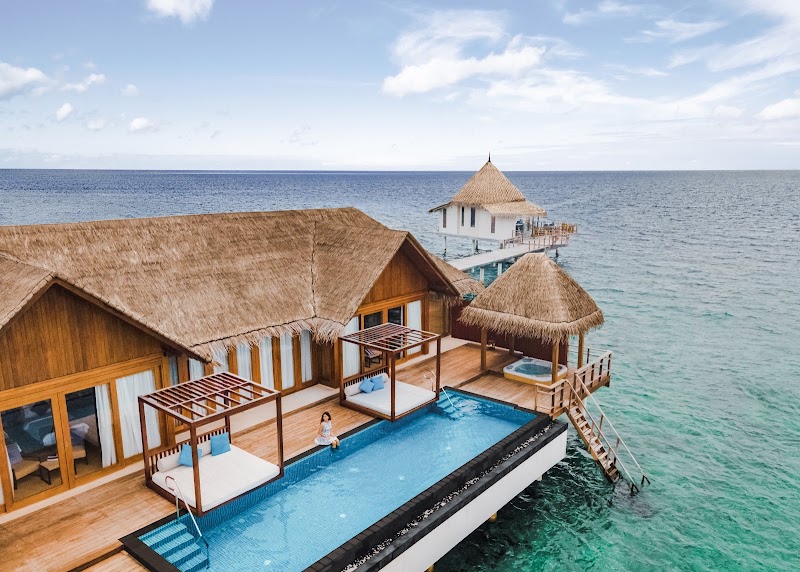
Furaveri Maldives: Private Villas and Warm, Attentive Service
Public reviews highlight spacious pool villas, clear water, strong dining and staff who make the resort feel personal.
Maldives
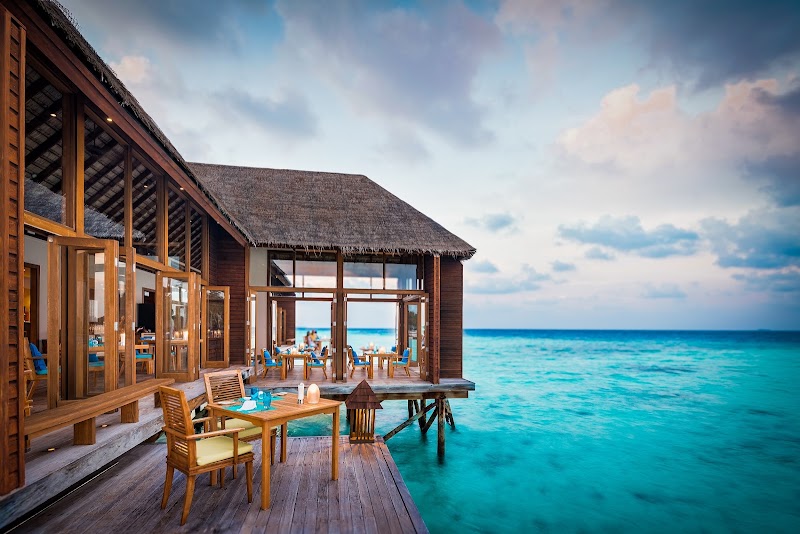
Conrad Maldives Rangali Island: A Service-Led Island Escape
Public reviews praise the resort’s ocean villas, attentive staff, dining, snorkeling and strong family facilities across its two islands.

Maldives · Malé
Oblu Xperience Ailafushi: A Social Resort Near Malé
Public reviews praise the warm service, strong family facilities, good food and memorable water-villa stays at this Malé resort.
Maldives · Malé
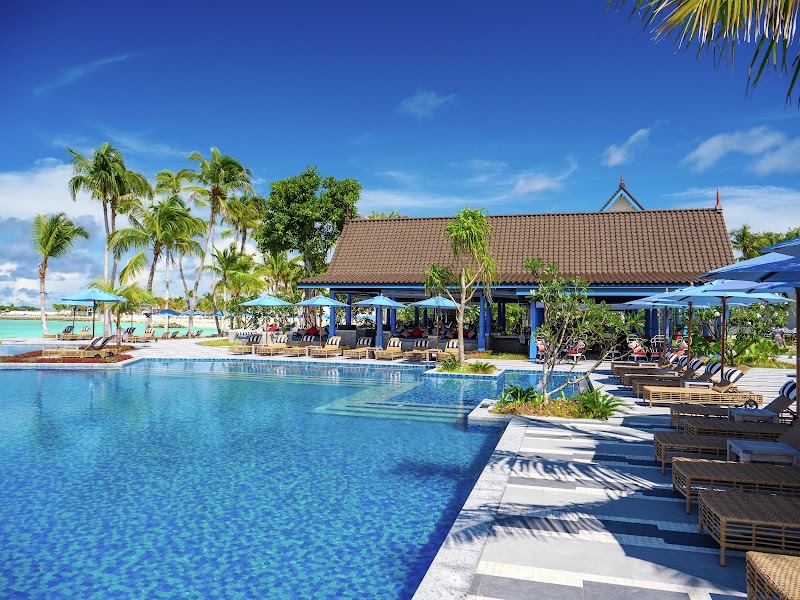
SAii Lagoon Maldives for Easy Island Time Near Malé
Public reviews point to a polished lagoon resort with warm service, strong facilities and a convenient speedboat transfer from Velana International Airport.