Mount Kilimanjaro National Park: A Climb Through New Worlds
Reviews celebrate a demanding, multi-day ascent through rainforest, moorland, alpine desert and the mountain’s stark arctic summit zone.
More photos

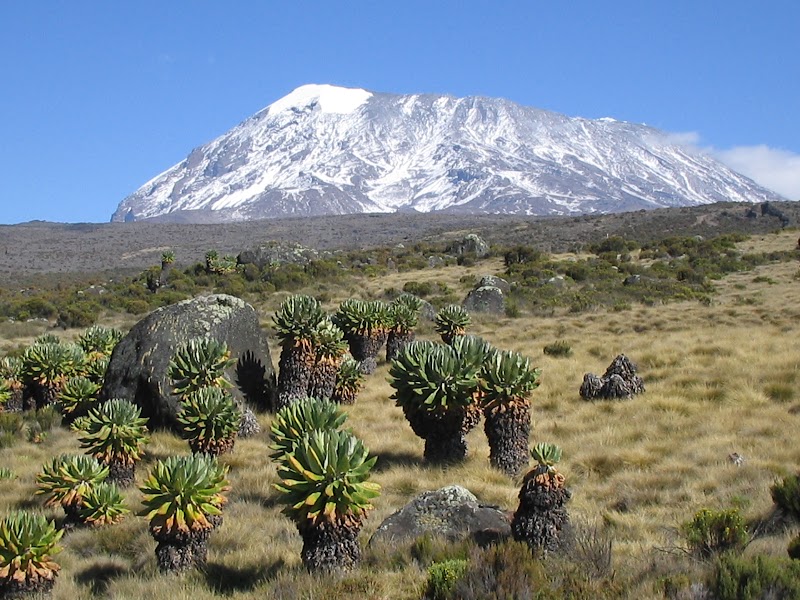
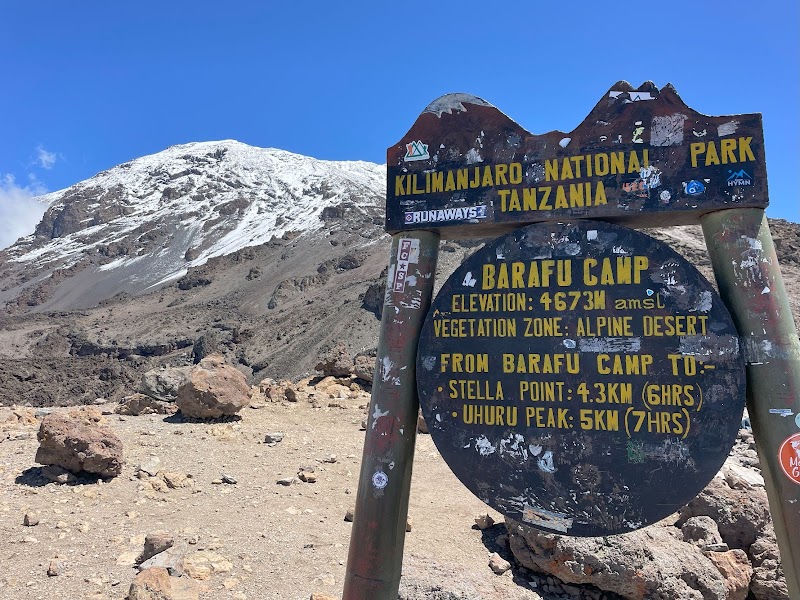
Photos published by travelers on Google, not AI generated.
What stands out
- Rainforest-to-summit ecosystem changes
- Open moorland and unusual plants
- Stark alpine desert landscapes
- Arctic conditions near the summit
- Strong sense of achievement
Worth knowing
- Substantial multi-day physical commitment
- Park fees drew criticism
Don't miss
What comes up most in public reviews
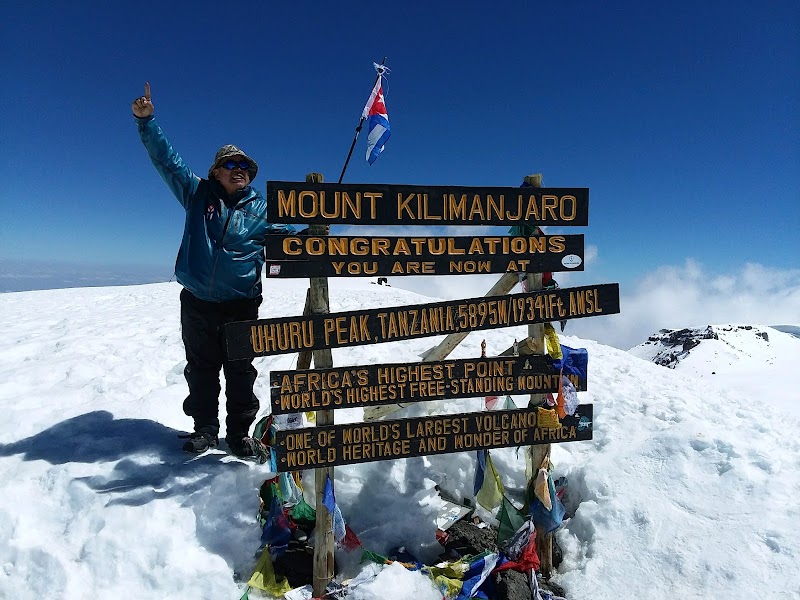
- Climb toward Uhuru Peak
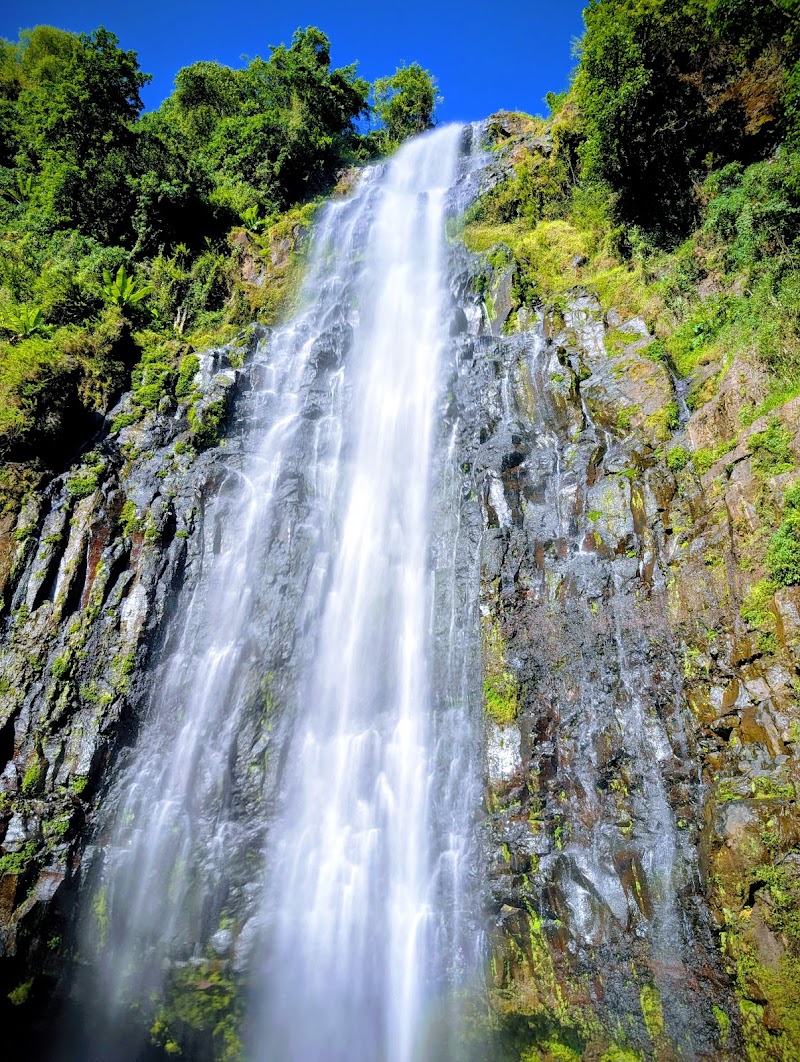
- Experience the Lemosho rainforest
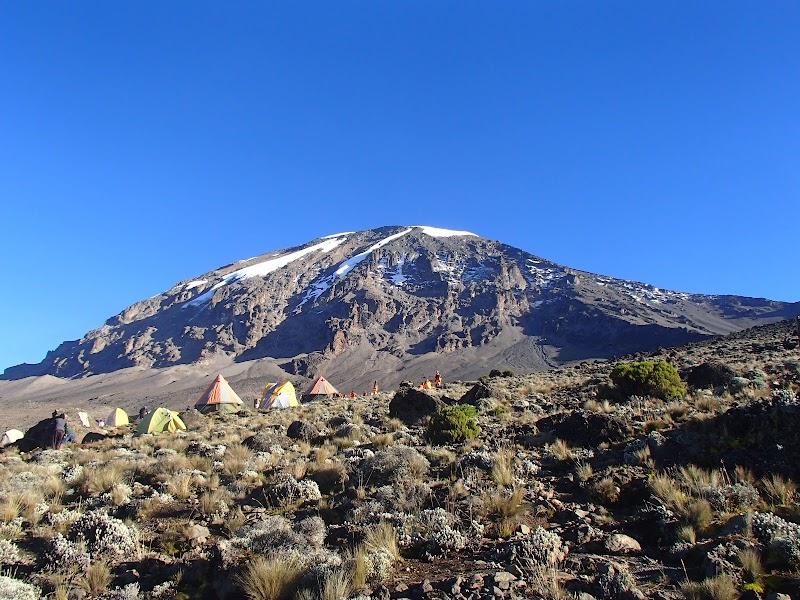
- Cross the alpine desert
- See the moorland vegetation
- Consider Rongai ascent and Marangu descent
Worth the trip?
What public reviews reveal
Mount Kilimanjaro National Park holds a Google rating of 4.6 from 3782 reviews, and the available accounts describe an experience defined by scale, physical effort and dramatic environmental change. Climbers repeatedly call the journey unforgettable, with several treating it as much more than a straightforward summit attempt.
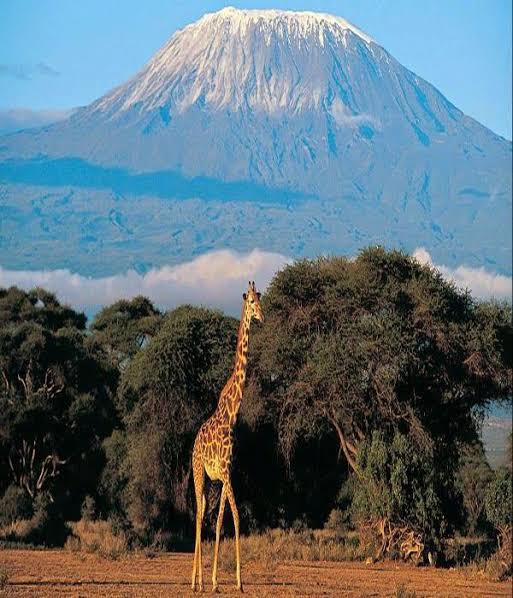
The strongest theme is immersion in nature. Reviews focus on days spent moving through distinct ecological zones, beginning with dense, lively rainforest before entering open moorland, sparse alpine desert and the arctic conditions around the summit. That progression gives the climb its narrative arc. Rather than one unchanging mountain landscape, it feels like several different environments stacked vertically.
Routes and landscapes
The sample reviews mention three established routes. One climber followed Rongai on the ascent and Marangu for the descent, while another crossed the mountain over seven days on the Lemosho route. The reports do not directly compare route difficulty, scenery or crowds, but they show that the choice of trail can shape how the park is experienced.
Lemosho receives specific praise for its rainforest start and eventual approach to Uhuru Peak. Rongai and Marangu are described together as a journey through sharply contrasting worlds. Across the accounts, the moorland’s unusual vegetation and the exposed alpine desert appear to be as memorable as the final summit zone.
The climb also suits travellers who value a shared challenge. One reviewer completed it with two daughters, while another described an eight-day adventure as rewarding both alone and in company. The consistent message is that companionship can add meaning, but the landscape remains the central attraction.
Effort, time and expectations
This is not presented as a quick sightseeing stop. The cited climbs lasted seven or eight days, while another review referred to a six-day visit. Travellers should therefore approach the park as a sustained expedition requiring patience across multiple days and environments.
The accounts are overwhelmingly emotional and enthusiastic, but they also imply substantial physical demands. Phrases about reaching the summit, crossing changing landscapes and spending a week on the mountain suggest that the experience is earned gradually. Those primarily interested in relaxed park viewing may find the commitment less suitable than travellers motivated by trekking and a long-form outdoor challenge.
Overall verdict
Public feedback makes Mount Kilimanjaro National Park stand out for its ecological variety and the sense of achievement attached to reaching the upper mountain. Rainforest, moorland, unusual plants, alpine desert and the arctic summit zone recur as the defining sequence.
There is one notable reservation: a reviewer objected strongly to the park fees and questioned how the money benefits the wider Tanzanian economy. That concern sits apart from otherwise emphatic praise, but it is worth factoring into planning. Overall, the park is best understood not simply as a famous summit, but as a multi-day passage through landscapes that change almost continuously with altitude.
Ask anything
Looking for somewhere else?
Keep exploring around Gilman's Point
More from Tanzania
Tanzania · Iringa
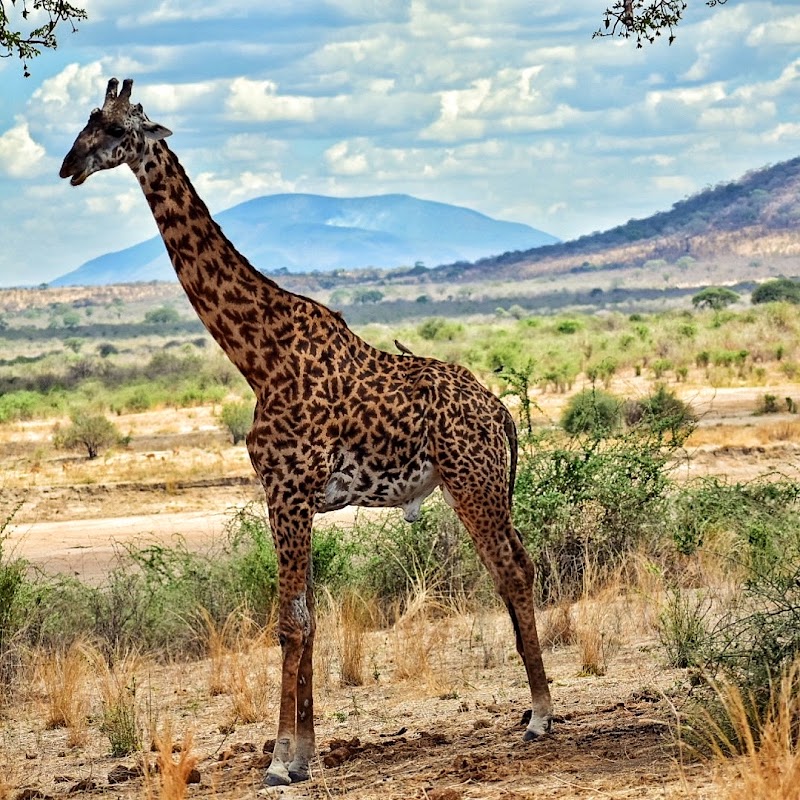
Ruaha National Park: Wild Safaris Without the Crowds
Reviews point to a vast, quiet safari destination known for predators, elephants, birdlife and memorable nights close to the wilderness.
Tanzania
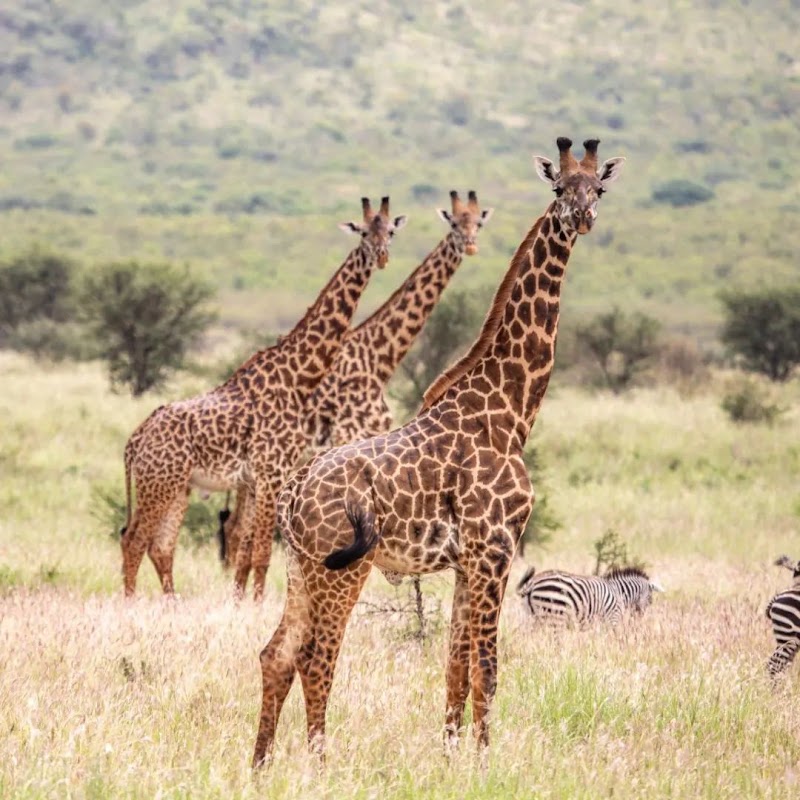
Selous Game Reserve: Big Landscapes, Varied Safaris
Boat trips, game drives and guided walks give this vast southern Tanzania wilderness broad appeal, with wildlife and scenery earning consistent praise.
Tanzania
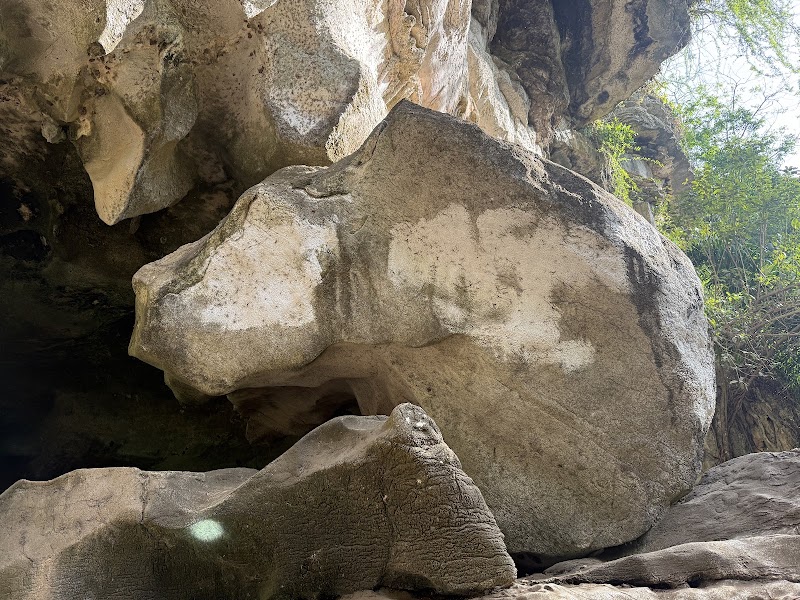
Amboni Caves: Limestone, bats and local history near Tanga
Amboni Caves combines dramatic limestone formations, wildlife and local history, though steep steps, heat and uncertain directions require preparation.
Tanzania · Mwanza
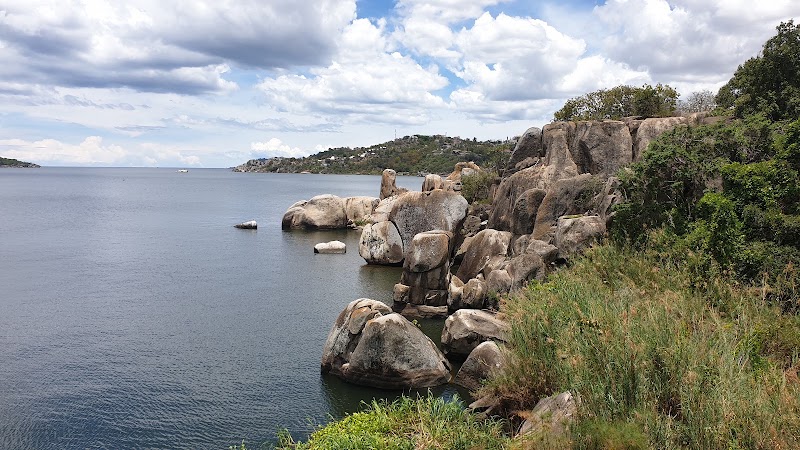
Saanane National Park: Lake Views Close to Mwanza
A compact island escape offering boat access, walking paths, birdlife and broad Lake Victoria views just outside central Mwanza.