Mortuary Temple of Hatshepsut: Terraces Beneath the Cliffs
Public reviews praise this Luxor landmark for its monumental terraces, preserved reliefs and dramatic harmony with the surrounding desert cliffs.
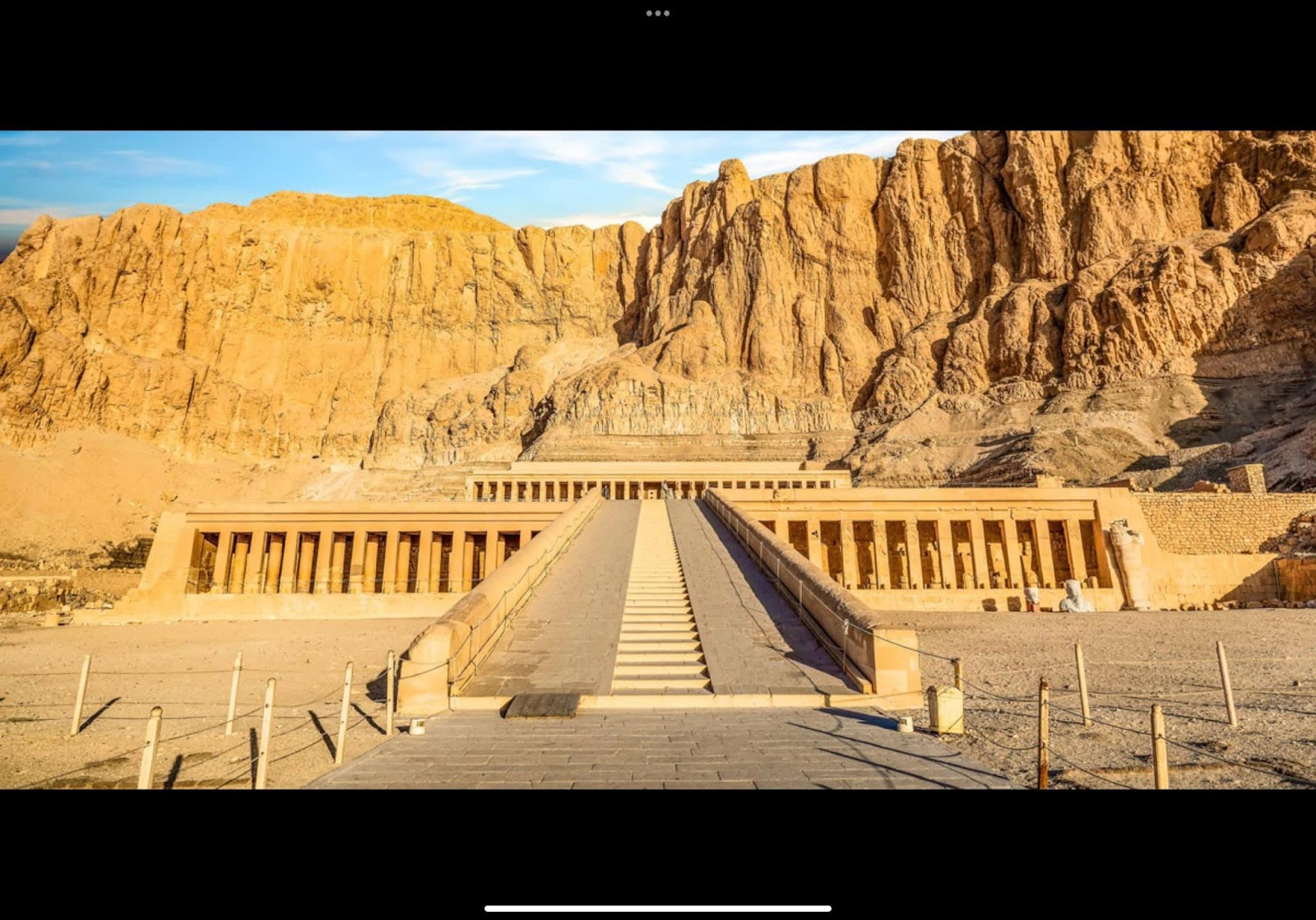
More photos
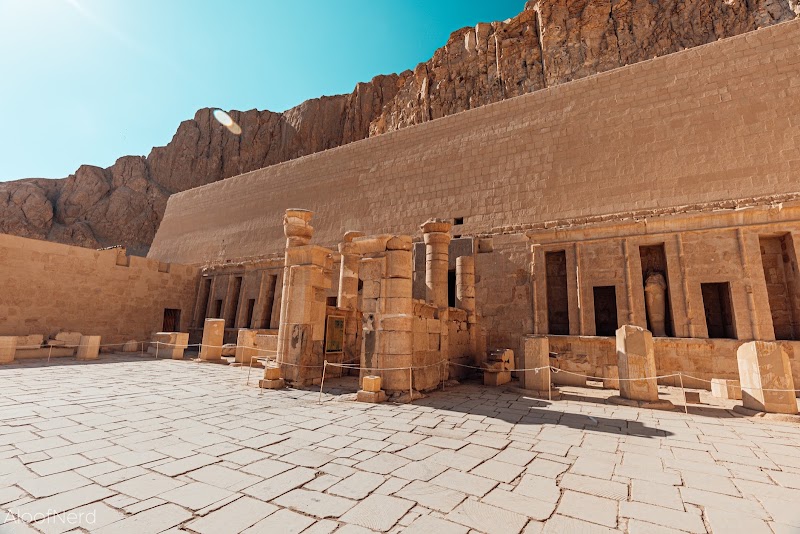
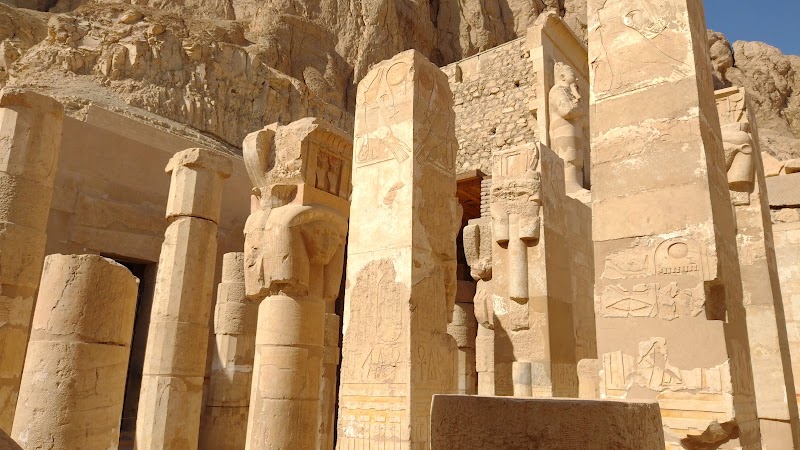
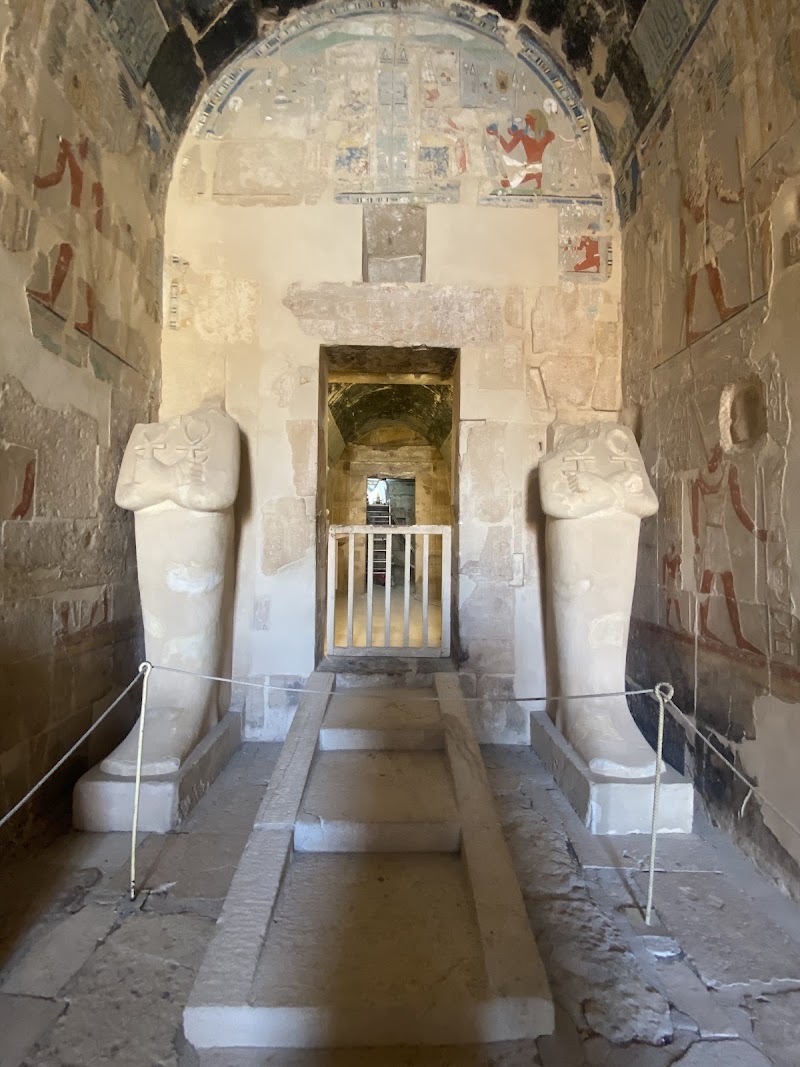
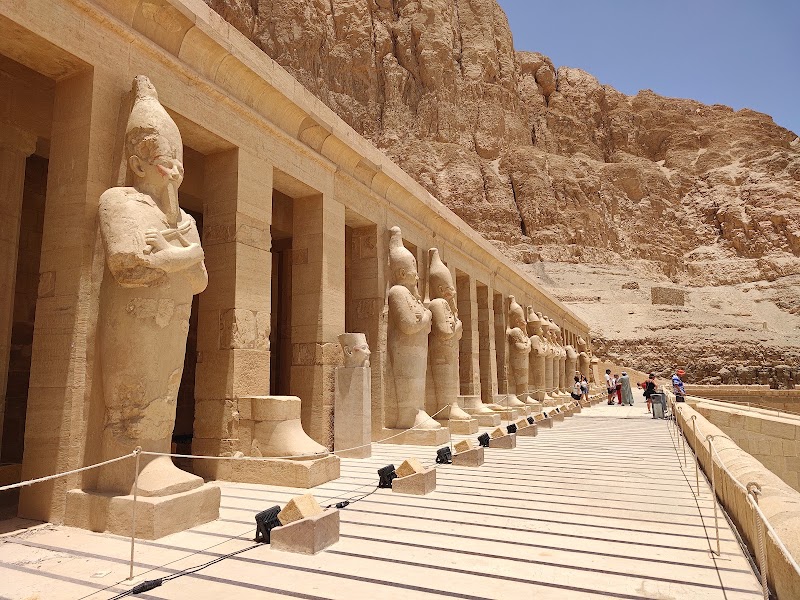

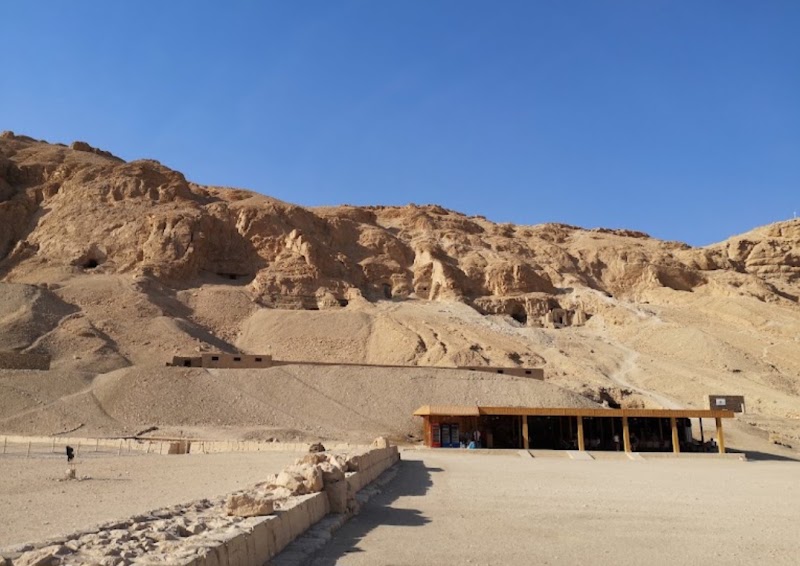
Photos published by travelers on Google, not AI generated.
What stands out
- Three monumental terraces beneath desert cliffs
- Symmetrical architecture and colonnades
- Ancient reliefs and frescoes
- Views across the valley
Worth knowing
- Exposed heat can be intense
- Stairs require physical effort
- Interiors may feel modest beside the exterior
Don't miss
What comes up most in public reviews
- The full exterior view beneath the cliffs
- Reliefs and fresco paintings
- The upper terraces
- Views across the valley
Worth the trip?
Why it stands out
With a Google rating of 4.7 from 23639 reviews, the Mortuary Temple of Hatshepsut ranks among Luxor’s most admired historical landmarks. Public feedback repeatedly focuses on the setting: three broad terraces rise in ordered lines beneath sheer desert cliffs, creating an exterior that feels both monumental and carefully balanced.
Reviewers often describe the first view as the strongest moment of the visit. The pale stone, repeated colonnades and severe mountain backdrop give the complex a character quite different from many of Egypt’s enclosed temple sites. Its association with Hatshepsut, the female pharaoh of the 18th dynasty, also gives guides and independent visitors a compelling historical thread to follow.
Terraces, reliefs and views
The architecture receives more consistent praise than any single interior space. Visitors highlight the symmetry of the terraces, the long stairways and the way the structure appears to fit the surrounding landscape. The upper levels open broader perspectives across the valley, while the side colonnades provide closer views of the temple’s relief work.
Reviews also mention frescoes and carved scenes that reveal aspects of ancient Egyptian history. These details tend to be more rewarding with explanation, and at least one visitor found a knowledgeable guide valuable for interpreting them. The temple’s connections with Amun, Hathor and Anubis add further context to its chapels and decorative programme.
Not every visitor finds the interiors equally memorable. Some feedback suggests that the exterior composition and cliffside setting make a stronger impression than the rooms within. Travellers primarily interested in vast, richly decorated interiors may therefore find the visit more restrained than expected.
Conditions on the ground
Heat is the clearest recurring practical concern. A July afternoon visit was described as physically demanding, particularly because reaching and exploring the terraces involves walking and stairs. The exposed setting offers little visual suggestion of shade, so early arrival is repeatedly recommended for softer light, lower temperatures and fewer crowds.
Public reviews indicate that photography is allowed and mention shops where water can be purchased, though visitors should verify current rules and services locally. Comfortable footwear remains sensible because the experience involves moving between levels rather than viewing the monument from a single flat area.
Editorial verdict
Synthesised review patterns point to a landmark whose appeal rests on architecture, landscape and historical identity in almost equal measure. The terraces and cliffs create the defining image, while the reliefs become more meaningful when their stories are understood.
An early visit should suit photographers, history-focused travellers and anyone comparing Luxor’s major monuments. Those sensitive to heat or uncomfortable with sustained stair climbing will need to plan more carefully. Even reviewers who consider the interiors relatively modest tend to acknowledge the striking exterior design and its remarkable relationship with the desert landscape.
Ask anything
Looking for somewhere else?
Keep exploring around Luxor
More from Egypt
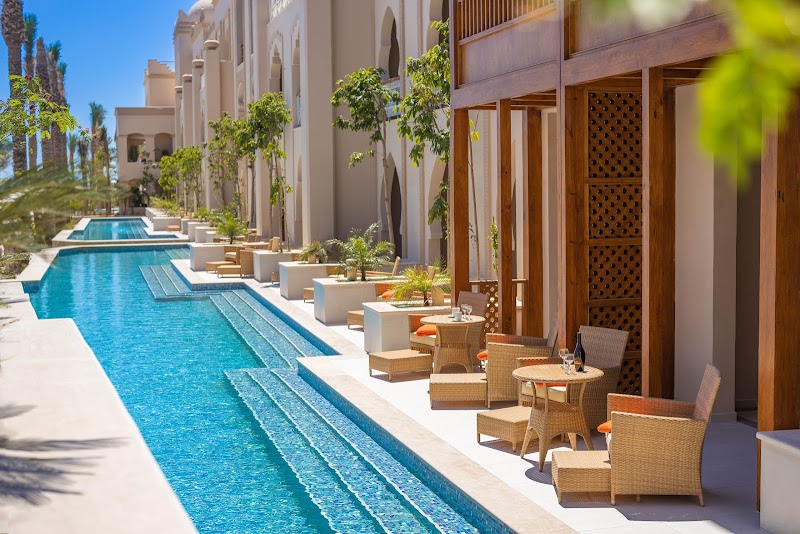
Egypt · Touristic Villages
The Grand Resort Hurghada: Big Pools and Varied Dining
A large Hurghada resort praised for cleanliness, spacious rooms and attentive service, though some guests report inconsistent staff interactions.

Egypt
Amphoras Beach: a lively family resort by the Red Sea
Strong facilities, a spacious beach and an energetic family atmosphere make this Sharm El Sheikh resort an appealing all-inclusive choice.
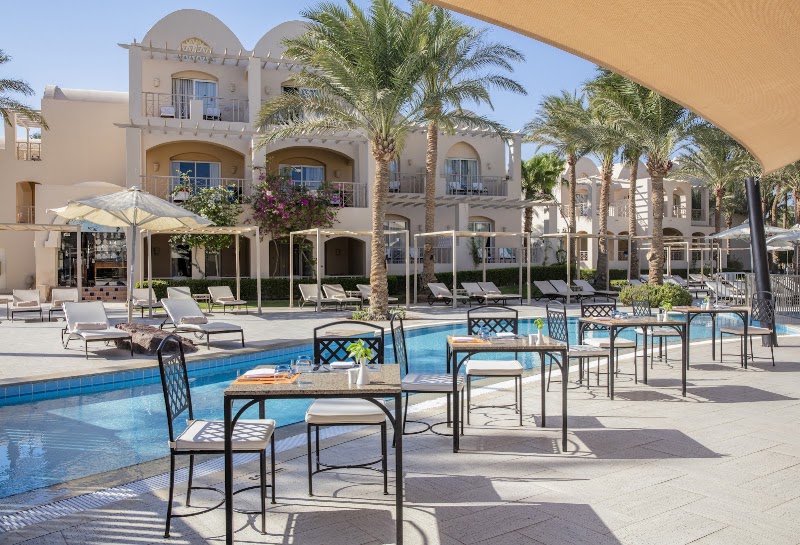
Egypt
JAZ Makadina review: polished, relaxed and welcoming
Strong feedback for cleanliness, varied food and attentive service makes this Makadi Bay resort a persuasive choice for an easygoing Egypt holiday.
Egypt
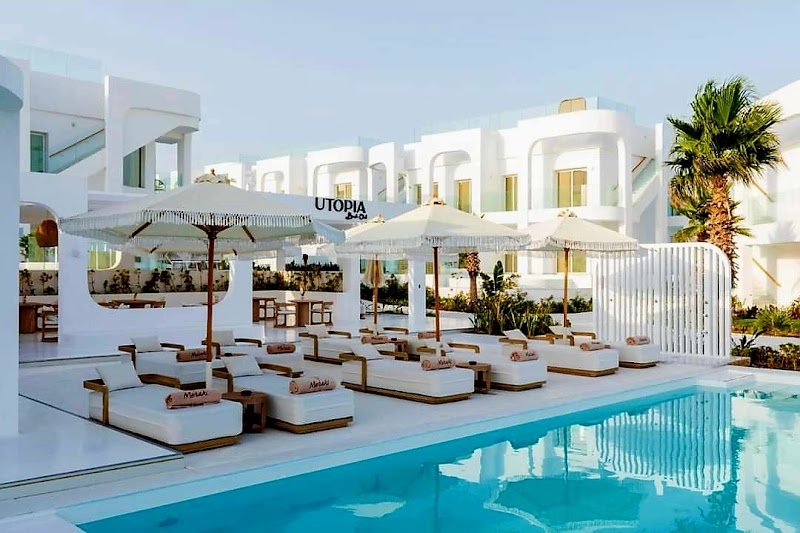
Meraki Resort pairs beach days with lively evenings
Strong service, clean pools and a sociable bar scene underpin this highly rated Sharm El Sheikh resort.