Monastery of Alcobaça: Gothic Scale and Quiet Cloisters
A vast Gothic church, atmospheric cloisters and elaborate medieval details make this UNESCO-listed monastery a rewarding cultural stop.
More photos

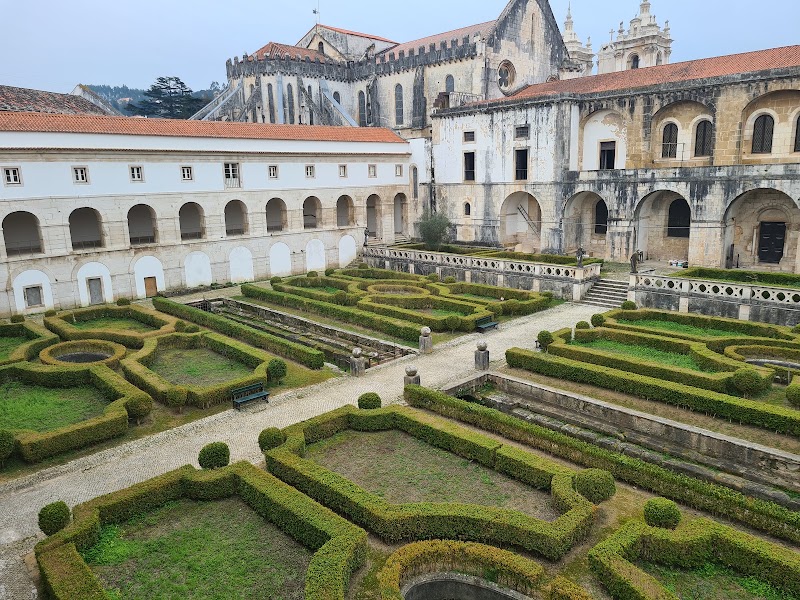

Photos published by travelers on Google, not AI generated.
What stands out
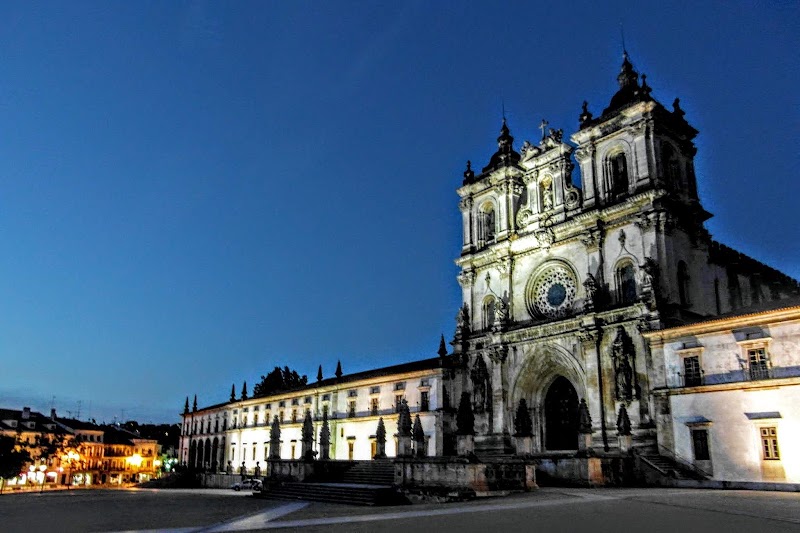
- Monumental Gothic church
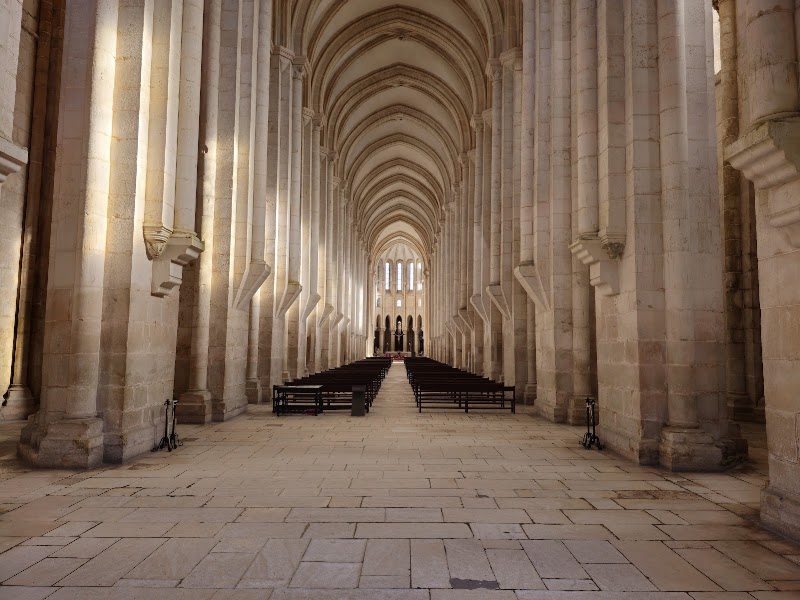
- Vaulted interiors and detailed stonework
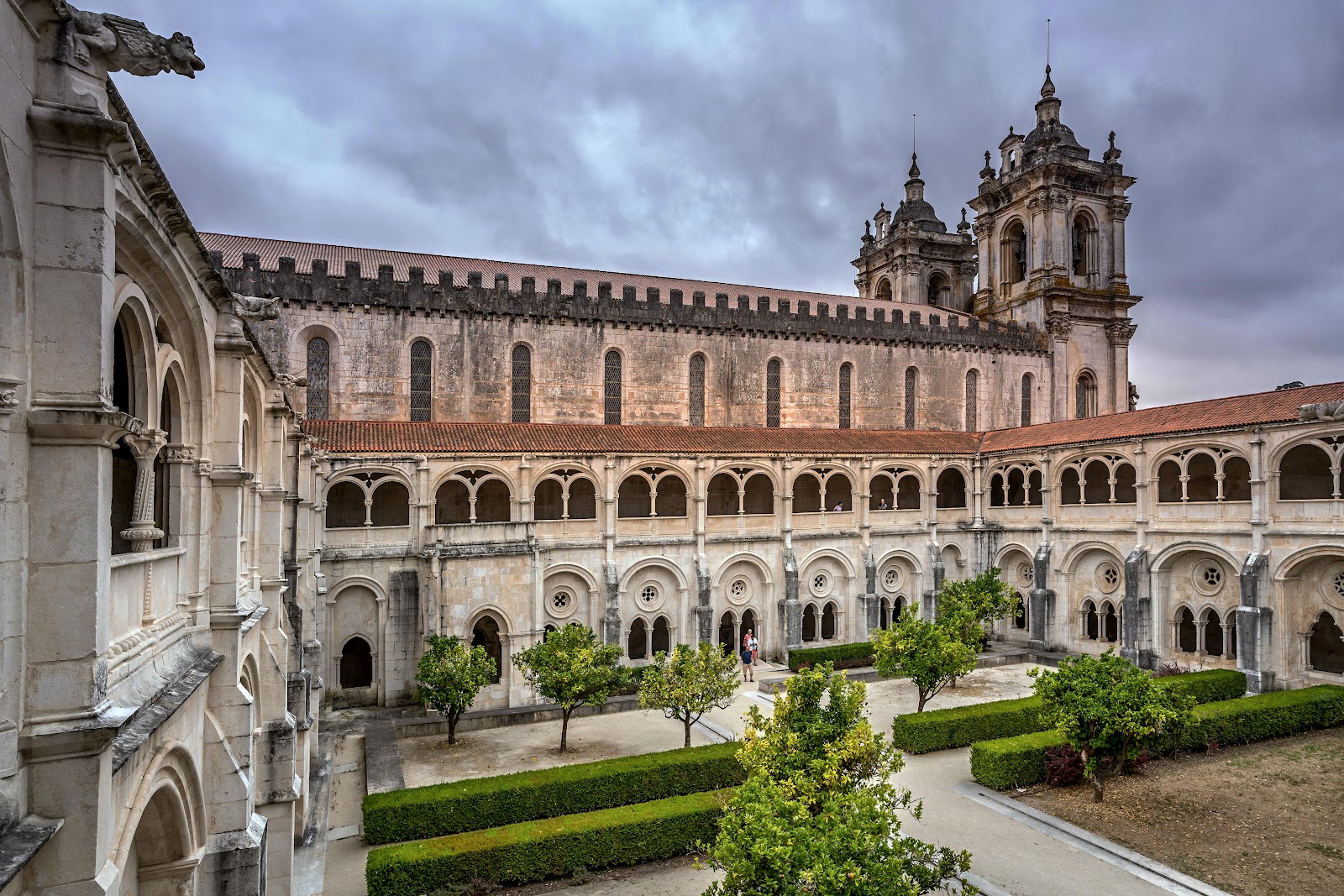
- Cloisters and central courtyard
- Large historic kitchen
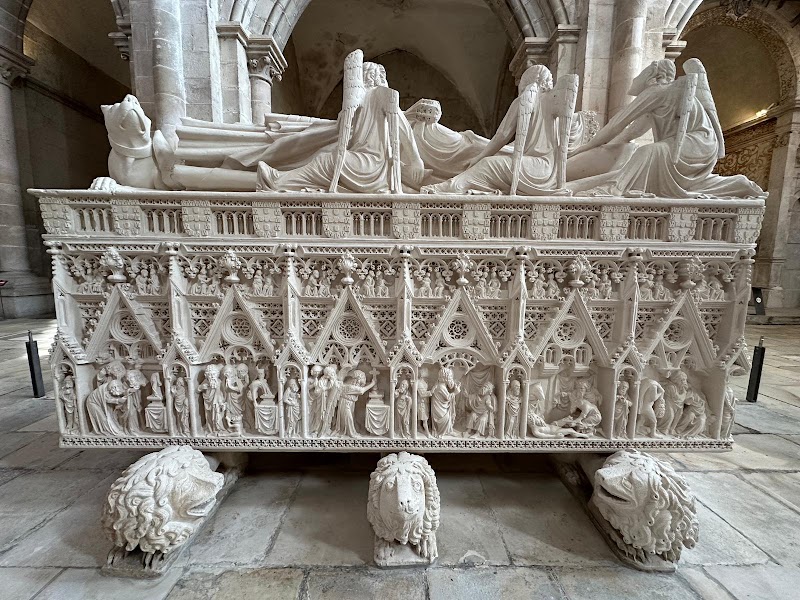
- Elaborate medieval tombs
Worth knowing
- Some sections show uneven preservation
- The large complex rewards extra time
Don't miss
What comes up most in public reviews
- See the Gothic church
- Walk the cloisters and main courtyard
Worth the trip?
Why it stands out
The Monastery of Alcobaça holds a Google rating of 4.6 from 17647 reviews, and the public response is consistently strong. Its size is mentioned again and again, alongside the Gothic architecture and the presence of so much history. Visitors describe the complex as spectacular and imposing. The church makes the first big impression, with soaring proportions, detailed stonework and Gothic vaulting regularly picked out in reviews.
Established in 1153, the UNESCO World Heritage Site comprises a Gothic church connected to a Cistercian monastery. A quick look around the church barely covers it. Reviewers also draw attention to the long hallways, historic rooms, cloisters and central courtyard. It takes time to unfold.
What the visit feels like
Traveller feedback frequently notes that visitors can wander without feeling hurried. They make their own way through the main quadrangle, rooms, cloisters and corridors, pausing over the architecture and artwork as they go. After the monumental stone interiors, the courtyard changes the tone. Orange trees and a fountain make it feel gentler.
There is plenty of ground to cover. The scale is one of the monastery’s strengths, but on a rushed visit the quieter architectural details are easy to miss. Reviewers find the hallways and vaulted spaces especially atmospheric. One visitor compared the mood to settings from the Harry Potter films. There is, of course, no historical connection, but the comparison captures the cinematic feel of some parts of the complex.
The church is still the highlight most often repeated in public reviews. Its scale commands attention, while a closer look reveals painstaking craftsmanship. Visitors also mention the large historic kitchen, Gothic vaults and elaborate medieval tombs. The tombs are associated with a tragic love story, bringing an intimate, human note to a place otherwise defined by monumental architecture.
Who should go
The monastery suits architecture enthusiasts, history-focused travellers and those who enjoy exploring cultural attractions independently. It is also a worthwhile excursion from nearby Nazaré. One reviewer went after receiving a local recommendation while staying there.
Families and film fans may enjoy the dramatic corridors and courtyards. For photographers, the arcades, vaulting and main quadrangle offer plenty of material. This is not primarily an interactive-exhibit experience. The appeal comes from looking closely at the scale and craftsmanship, then noticing the change in atmosphere from church to cloister to courtyard.
Practical verdict
Public feedback is overwhelmingly enthusiastic, though one reviewer mentions uneven preservation. Some sections appear to be in better condition than others. That visible wear does not seem to diminish the overall impact, but visitors expecting every part of the monastery to appear fully restored may need to adjust their expectations.
Half a day allows enough time to visit the church, walk through the cloisters and examine the rooms without rushing. The Monastery of Alcobaça is at its most compelling where the monumental Gothic architecture gives way to quieter monastic spaces. Based on the supplied reviews, it is a substantial attraction rather than a quick photo stop. One of its best qualities is straightforward: visitors can take it slowly.
Ask anything
Looking for somewhere else?
Keep exploring around Alcobaça
More from Portugal
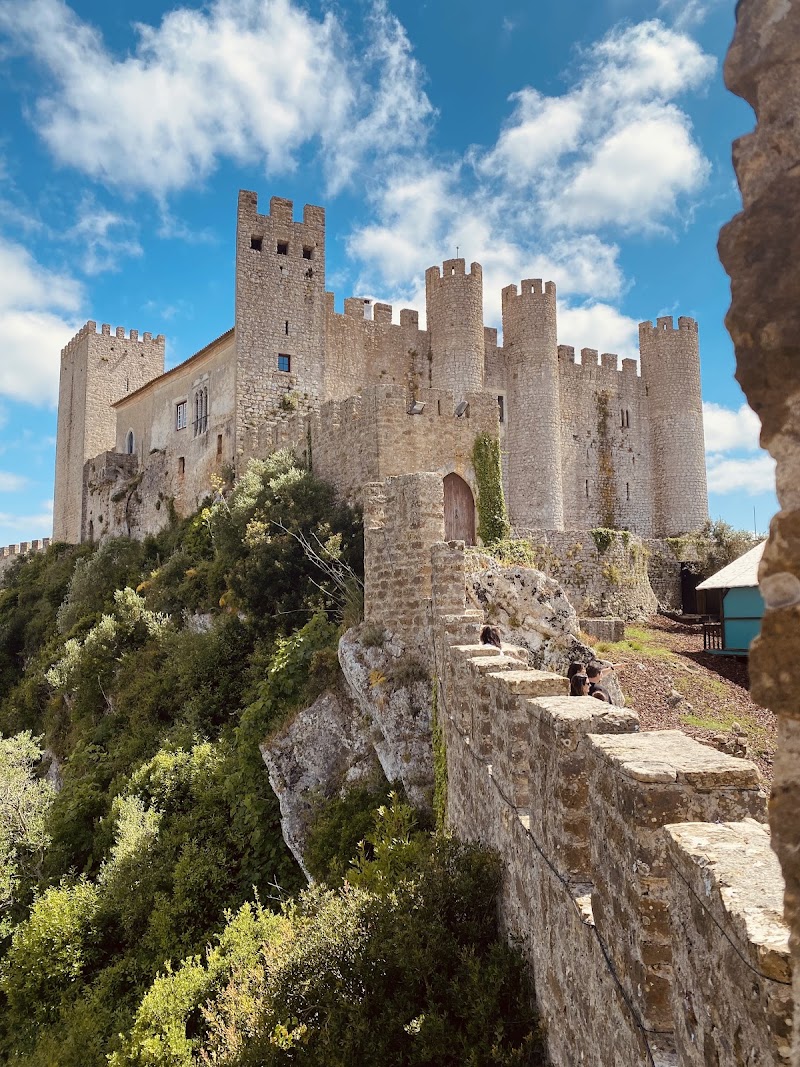
Portugal · Óbidos
Castelo de Óbidos: Medieval Walls and Old-Town Views
Óbidos rewards visitors with preserved walls, tiled gateways, cobbled lanes and broad views, even when the castle building itself is inaccessible.
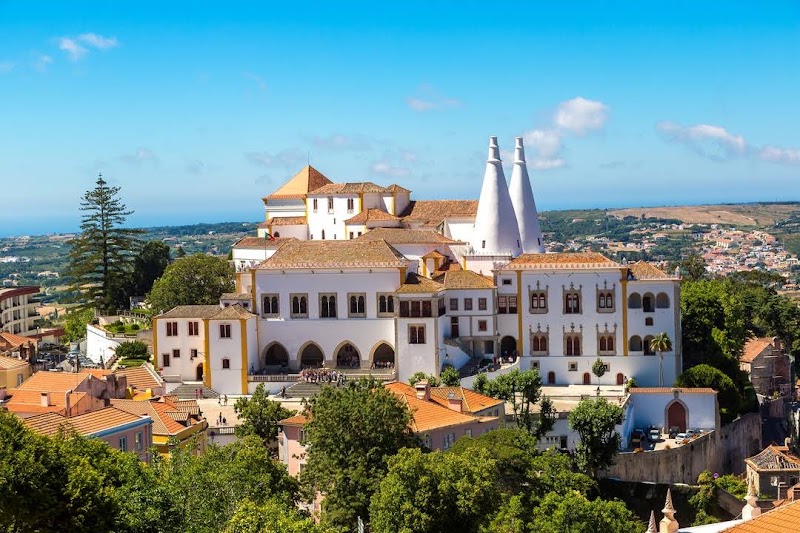
Portugal · Sintra
National Palace of Sintra: Royal History in the Old Town
Sintra’s distinctive white palace earns praise for its twin chimneys, decorative interiors and layered Iberian and Moorish character.
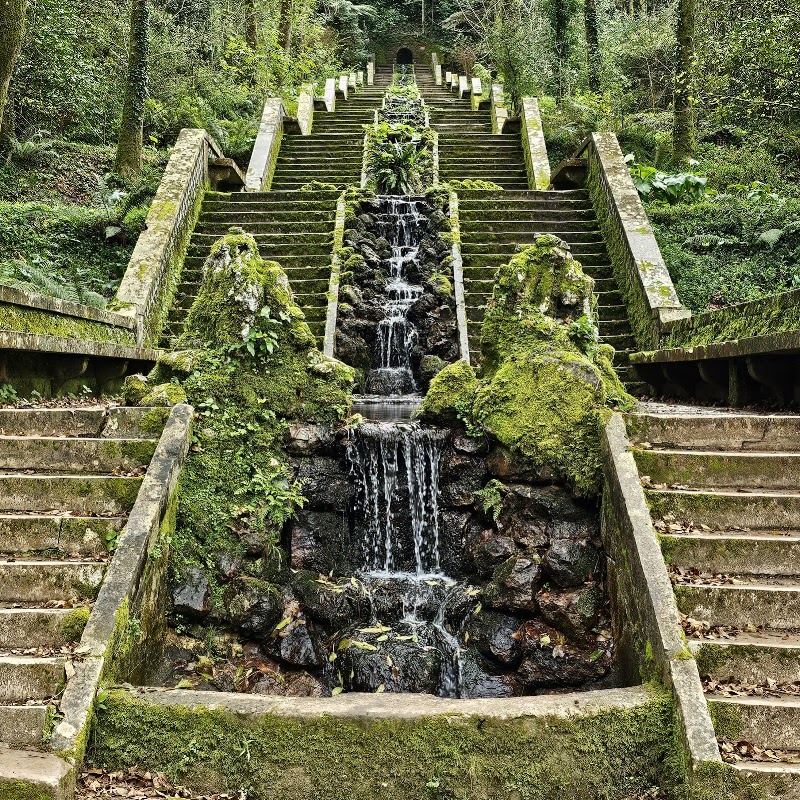
Portugal · Luso
Buçaco National Forest: Peaceful Trails and Palace Views
Near Luso, Buçaco pairs quiet woodland walks with ornate architecture, landscaped gardens, springs and viewpoints higher on the mountain.
Portugal · Tomar
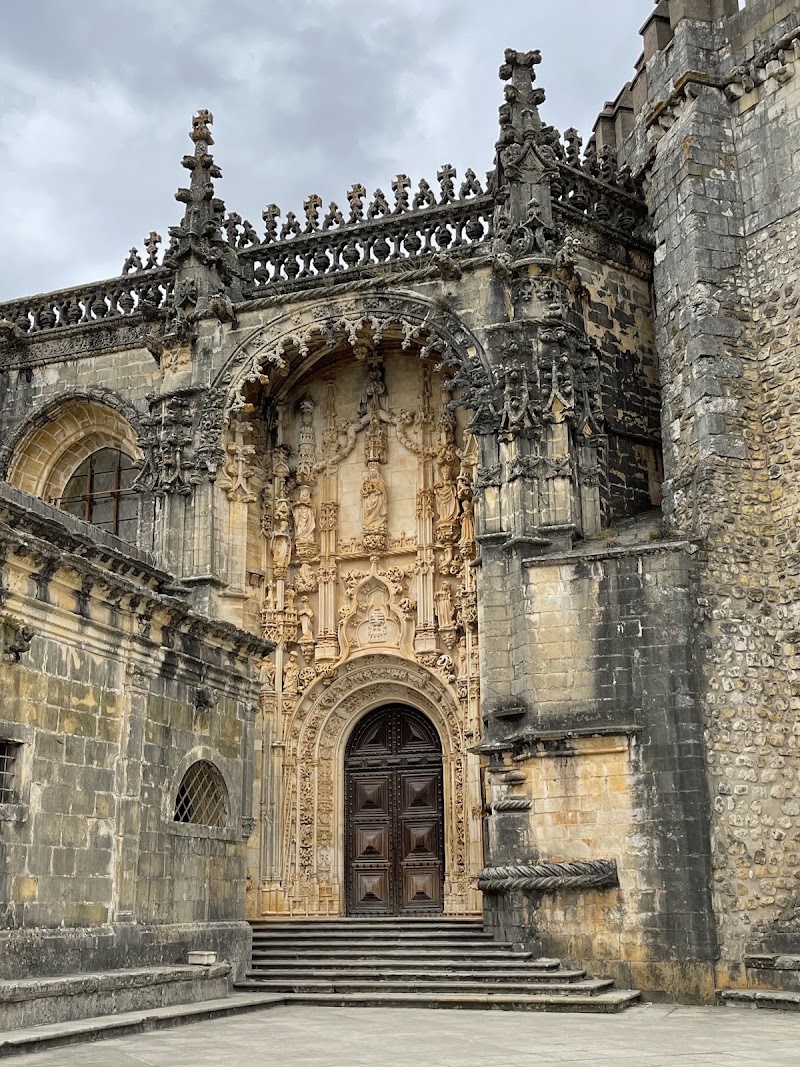
Convent of Christ: Templar history on a monumental scale
Tomar’s vast medieval complex wins strong praise for its Templar legacy, elaborate Charola and centuries of Portuguese architecture.