Momine Khatun Mausoleum: Nakhchivan’s 12th-century icon
Geometric ornament, dynastic history and a striking garden setting make this medieval mausoleum one of Nakhchivan’s defining landmarks.
More photos
Photos published by travelers on Google, not AI generated.
What stands out
- Impressive 12th-century tomb
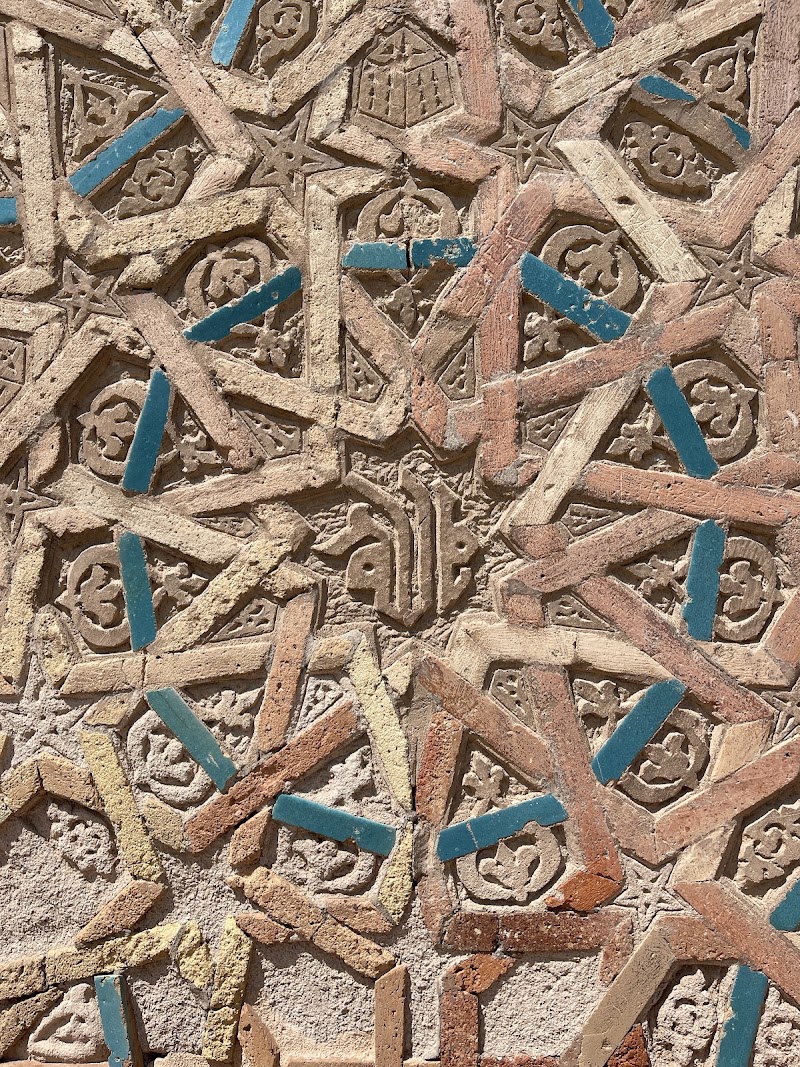
- Complex geometric decoration
- Historic dynastic associations
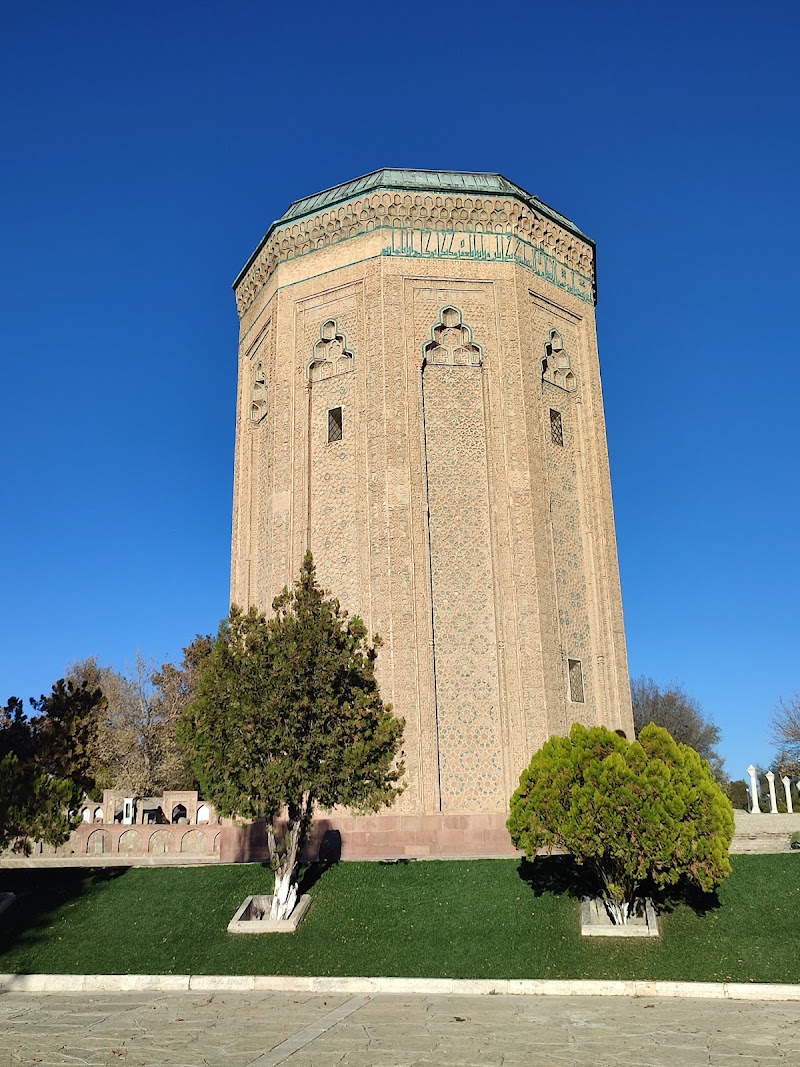
- Tall monument in a garden setting
Don't miss
What comes up most in public reviews
- Walk around the geometric exterior
- View the mausoleum from the garden
- Ask whether the burial chamber is accessible
Worth the trip?
Why it stands out
Momine Khatun Mausoleum is one of the historical landmarks most strongly associated with Nakhchivan. Public feedback gives it a Google rating of 4.7 from 302 reviews, with visitors repeatedly praising its age, distinctive design and connection to the region’s medieval past. Reviews tend to be concise but emphatic, describing the tomb as impressive and highlighting it as a leading sight in the city.
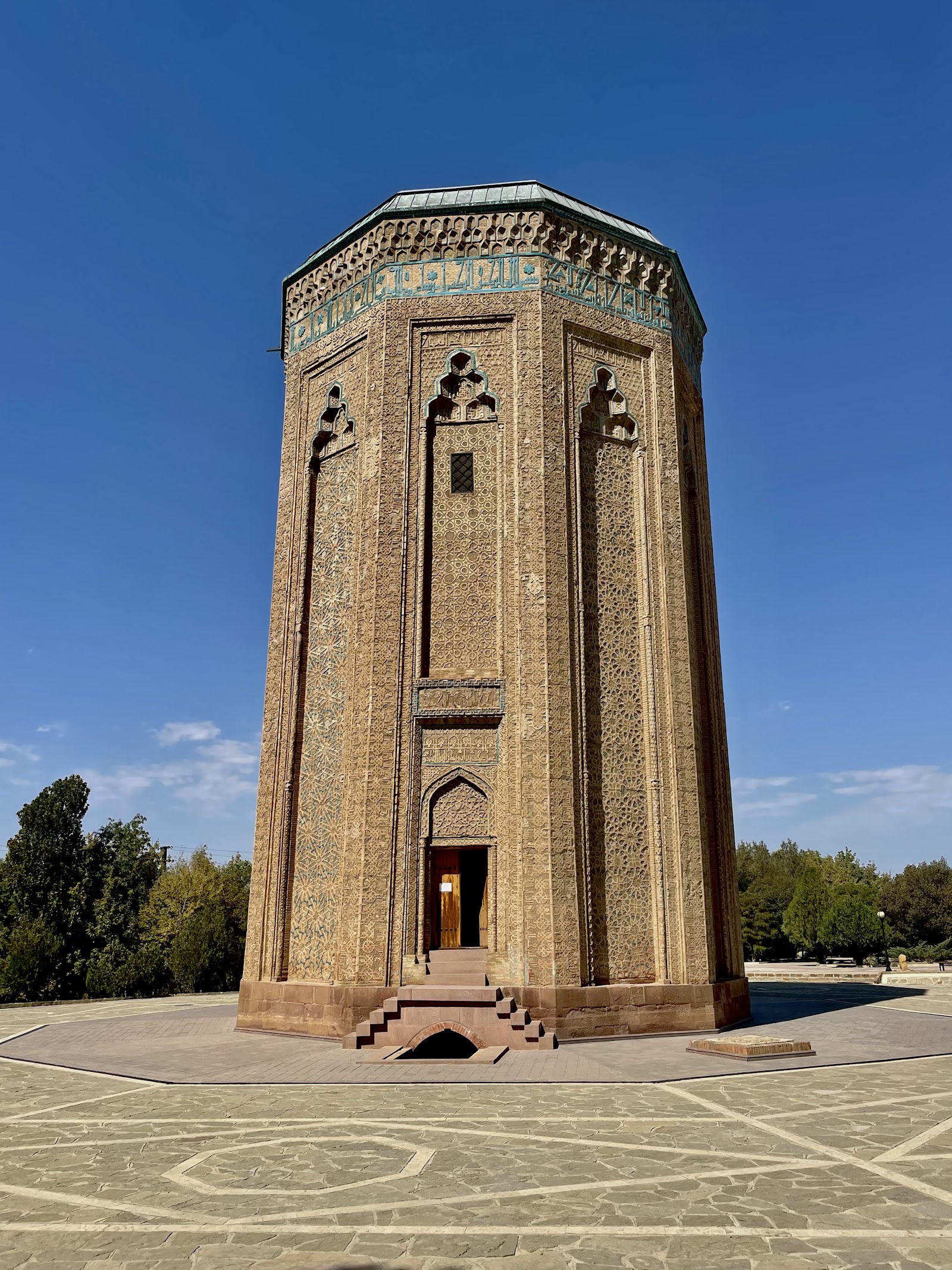
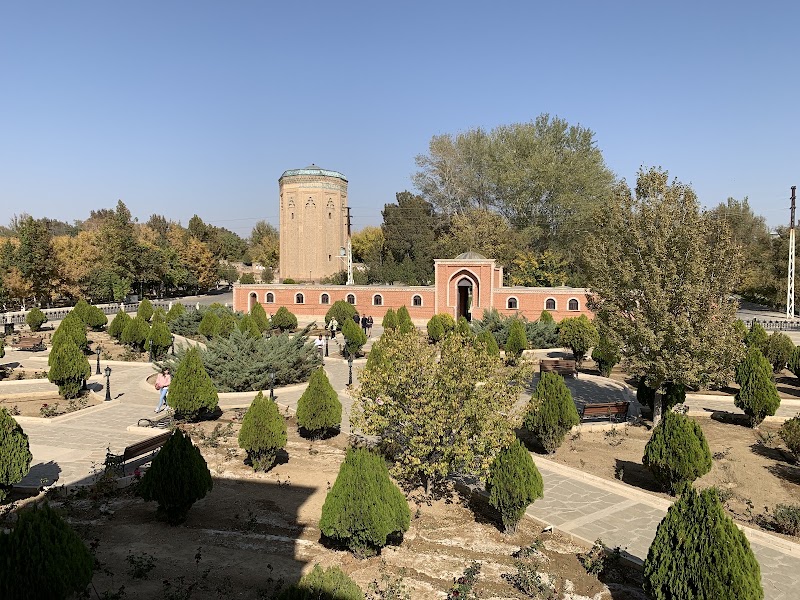
The monument’s height and vertical form make an immediate impression. One reviewer compares its appearance with Iran’s Gonbad tower, pointing to a broader regional tradition of monumental tomb architecture. Its position within a garden also matters. The surrounding greenery gives visitors room to step back and appreciate the building as a complete structure rather than simply examining its surface details at close range.
History and meaning
Reviewers consistently identify the mausoleum as a 12th-century tomb dedicated to Momine Khatun. Accounts vary slightly in how they describe her status, but the most detailed public review links her to the Eldegiz dynasty and says the structure was commissioned by Atabeg Jahan Pahlavan for his mother. That review dates its erection to 1186.
This dynastic context adds substance to what might otherwise be a brief architectural stop. The mausoleum is not presented in reviews merely as an old tower. It is understood as a memorial tied to the family associated with the Atabegs and an important period in Nakhchivan’s history. Visitors interested in medieval states, royal patronage and funerary traditions are likely to find the background as compelling as the monument itself.
What visitors notice
The exterior decoration receives particular attention. Reviews mention complex geometric patterns and bands of inscription, both of which reward a slow circuit around the building. From a distance, the mausoleum reads as a tall, unified form. Closer inspection reveals the density and precision of its ornament.
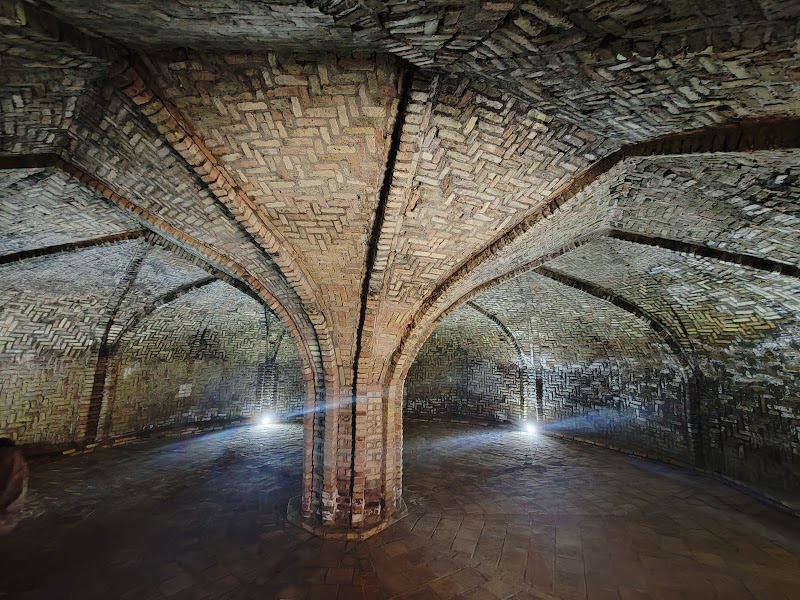
Several reviews focus broadly on the combination of design and history, suggesting that the experience is visual rather than activity-led. One visitor also reports that the underground burial chamber is accessible. Access conditions can change, so the chamber is best treated as something to ask about on arrival rather than a guaranteed part of every visit.
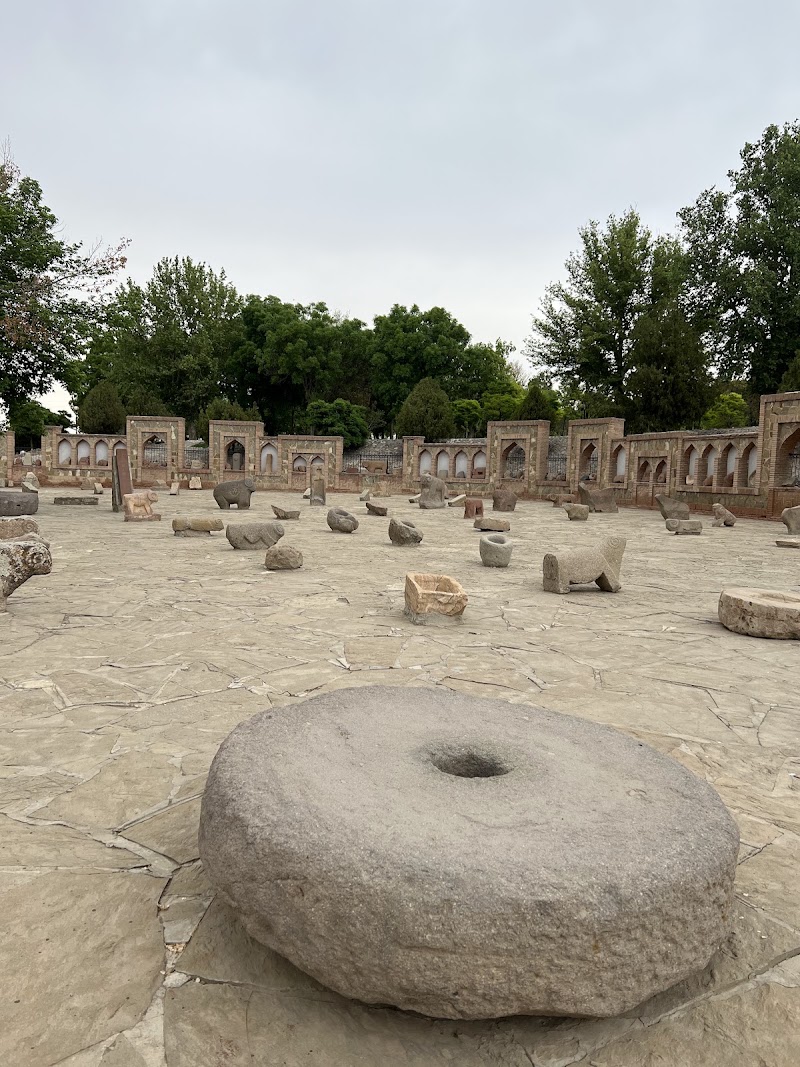
The garden setting provides the clearest overall views and creates a calmer environment for studying the facade. No recurring complaints appear in the supplied reviews, although they offer little practical detail about opening arrangements, interpretation or facilities.
Editorial verdict
Synthesized from public ratings and reviews, Momine Khatun Mausoleum appears to be an essential short stop for anyone exploring Nakhchivan’s historical architecture. Its strongest qualities are easy to identify: a dramatic profile, intricate surface decoration and a well-defined link to 12th-century dynastic history.
It should suit architecture enthusiasts, history-focused travellers and photographers particularly well. A visit of one to two hours allows time to walk around the monument, examine the patterns and inscriptions, enjoy the garden views and check whether the burial chamber is open. The high public rating supports its reputation, while the reviews suggest that its appeal rests on craftsmanship and historical importance rather than extensive visitor attractions.
Ask anything
Looking for somewhere else?
Keep exploring around Nakhchivan
More from Azerbaijan
Azerbaijan · Khinaliq
Khinaliq Viewpoint: High-Mountain Scenery and Village Life
Khinaliq pairs far-reaching mountain views with hiking terrain and an unpolished village experience reached largely by asphalt road.
Azerbaijan · Bakı
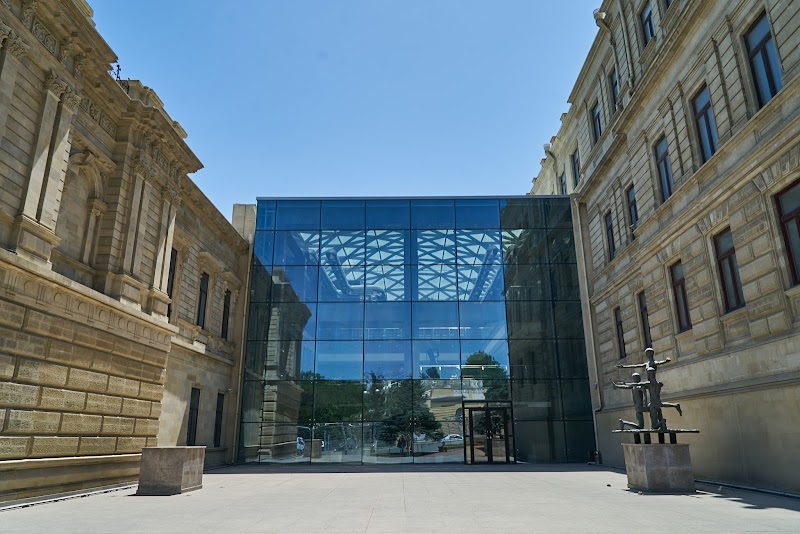
Azerbaijan State Museum of Art: Collection and Visitor Guide
A spacious Bakı museum with memorable painting halls, a central location and mixed feedback about staff interactions.
Azerbaijan · Baku
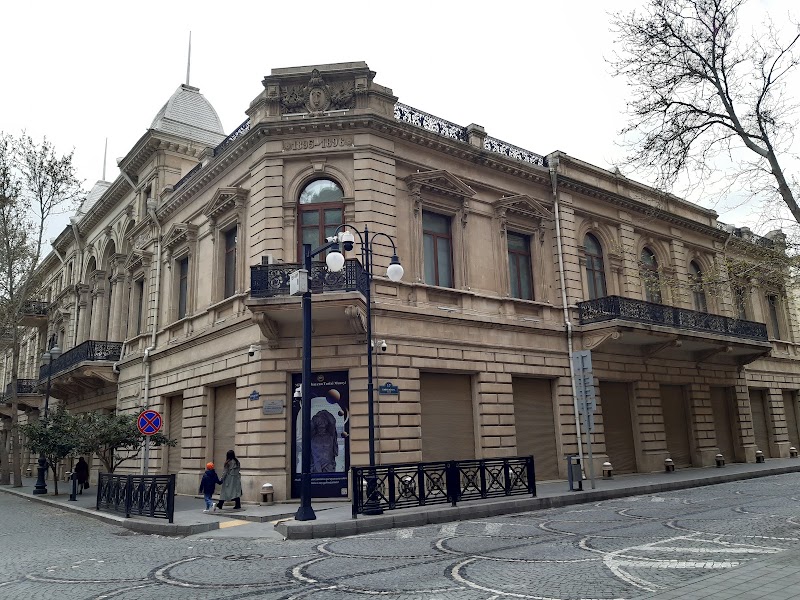
National Museum of History of Azerbaijan: Visitor Guide
Baku’s national history museum pairs a wide-ranging regional timeline with the grand interiors of a historic mansion.
Azerbaijan · Baku
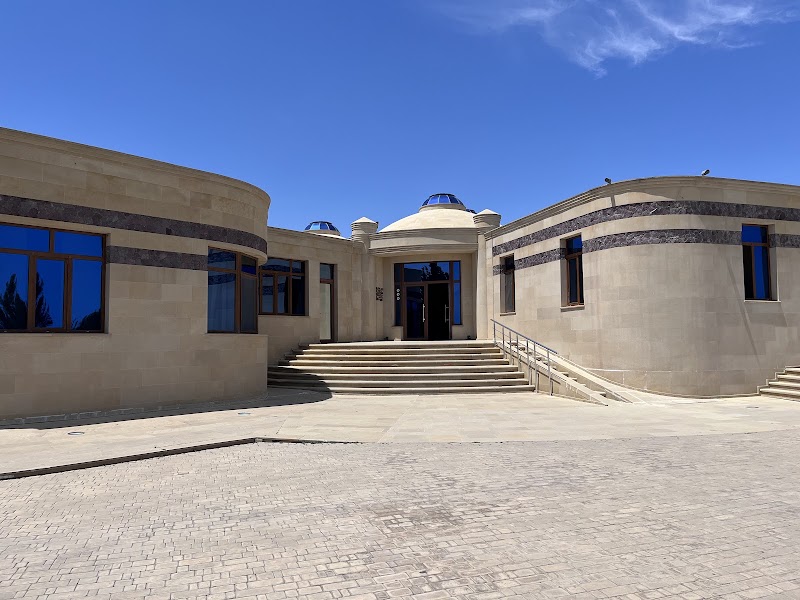
Gobustan National Park Museum: Rock Art and Deep Time
A modern museum introduces Gobustan’s prehistoric carvings before an atmospheric walk through its stark, rock-strewn landscape.