Mnajdra: Prehistoric Stonework on Malta’s Southern Coast
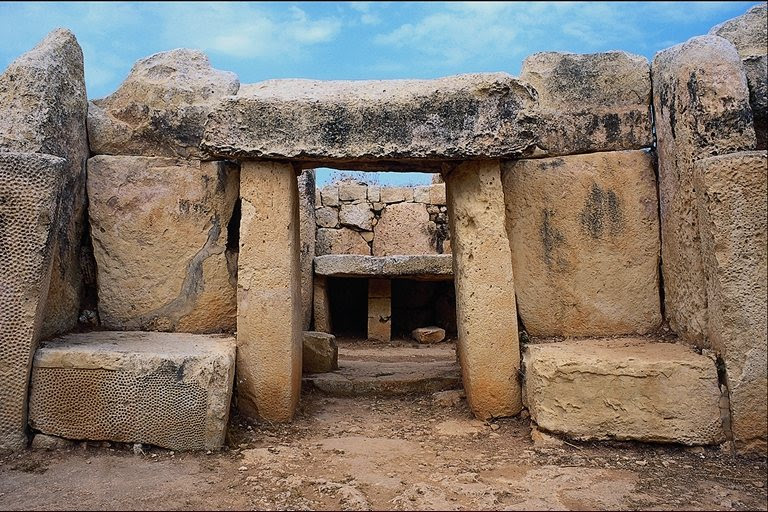
Ancient temple structures, close-up stonework and broad sea views make Mnajdra one of southern Malta’s most consistently praised landmarks.
More photos
Photos published by travelers on Google, not AI generated.
What stands out
- Massive prehistoric stone structures
- Close-up views of preserved stonework
- Sea, field and flower views
- Informative visitor centre
- Two archaeological complexes nearby
Worth knowing
- Long downhill path to the lower site
- Check current access arrangements
- Do not touch the stones
Don't miss
What comes up most in public reviews
- Visitor centre displays
- Mnajdra’s protected temple structures
- Nearby Hagar Qim
- Views across the southern coastline
Worth the trip?
Why Mnajdra stands out
Public feedback places Mnajdra Archaeological Park among Malta’s most rewarding prehistoric sites. It holds a Google rating of 4.7 from 3195 reviews, with travellers repeatedly praising the scale of the stone structures, their state of preservation and the questions they raise about the people who built them thousands of years ago.
The appeal goes beyond age alone. Reviewers describe becoming absorbed in the layout and construction of the temples, even when other visitors are present. Massive blocks can be examined from close range, allowing details of the craftsmanship to register more clearly than they might at a site viewed mainly from behind distant barriers. Visitors are reminded not to touch the stones.
Visitor centre and temple route
The visitor centre is regularly described as a useful starting point. Its displays introduce the site and explain its wider historical relevance in Malta, helping the surviving structures make more sense once visitors reach them. Reviews suggest allowing time for this context rather than heading directly outside.
From the centre, the route continues towards the protected stone structures. Mnajdra lies farther down the path, while nearby Hagar Qim is commonly treated as part of the same archaeological outing. Reviewers strongly recommend seeing both rather than choosing only one. Although the complexes share a prehistoric setting and monumental construction, visitors find that each adds something distinct to the experience.
One review suggests that an hour can be enough for a focused visit, but the interpretation, walk and two archaeological areas make a slower visit more satisfying. Around two hours is a more comfortable allowance for travellers who want to study the stones and stop for coastal views.
Coast, fields and sunset views
Setting is a major part of Mnajdra’s popularity. The temples stand amid open farmland and seasonal flowers, with expansive views towards the sea. Several reviewers treat the landscape as more than a backdrop, noting that the combination of ancient masonry and Malta’s southern coastline gives the visit much of its atmosphere.
Late afternoon has particular appeal. Sunset receives enthusiastic praise, and the softer light can bring out the textures of the stone while improving the coastal outlook. Visitors prioritising archaeology may prefer a quieter period, but the reviews indicate that the site can remain absorbing even when several people are exploring at once.
Practical considerations
The walk to the lower complex involves a long hill, which may matter for anyone with limited mobility or low tolerance for steep paths. One public review also mentioned a temporary walkway while a permanent ramp was being built. As access arrangements can change, travellers with mobility requirements should check current conditions before setting out.
Shelters cover the principal ruins, but much of the route remains exposed to the coastal environment. Comfortable footwear is sensible for the paths and slopes. Overall, the strong rating is supported by a consistent pattern in reviews: clear introductory information, unusually close views of substantial prehistoric stonework, two worthwhile temple areas and a memorable coastal position.
Plan the rest of the trip
Ask anything
Looking for somewhere else?
Keep exploring around Qrendi
More from Malta
Malta · Valletta
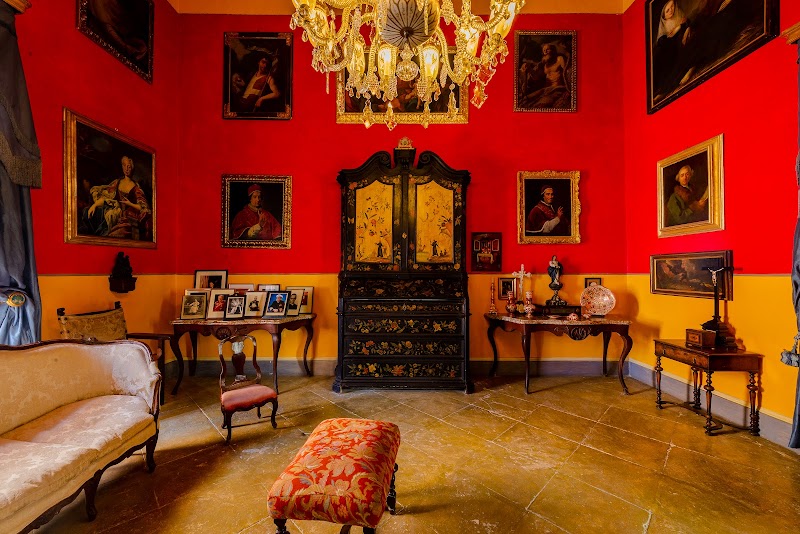
Casa Rocca Piccola: A Lived-In Window on Valletta’s Past
Public reviews highlight Casa Rocca Piccola’s intimate look at Maltese aristocratic life, historic interiors and wartime shelter.
Malta · Floriana
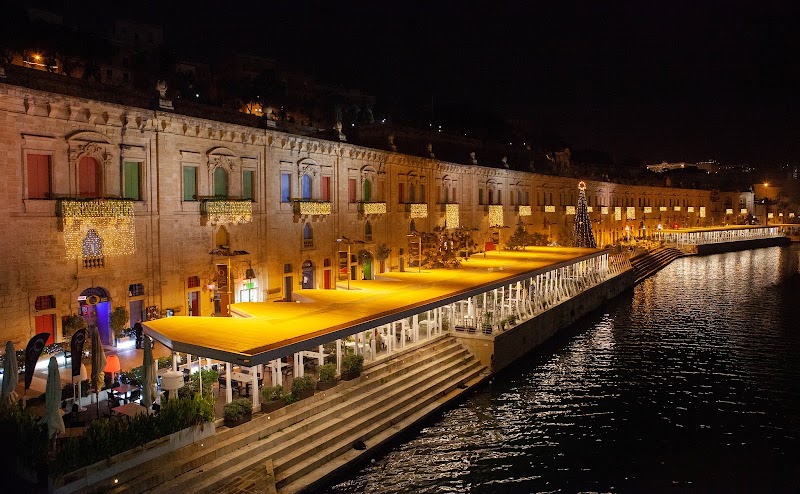
The Valletta Waterfront: A Calm Harbour Walk Near Valletta
The Valletta Waterfront pairs a peaceful harbour promenade with historic architecture, dining and easy access to Valletta’s sights.
Malta · Il-Mellieħa
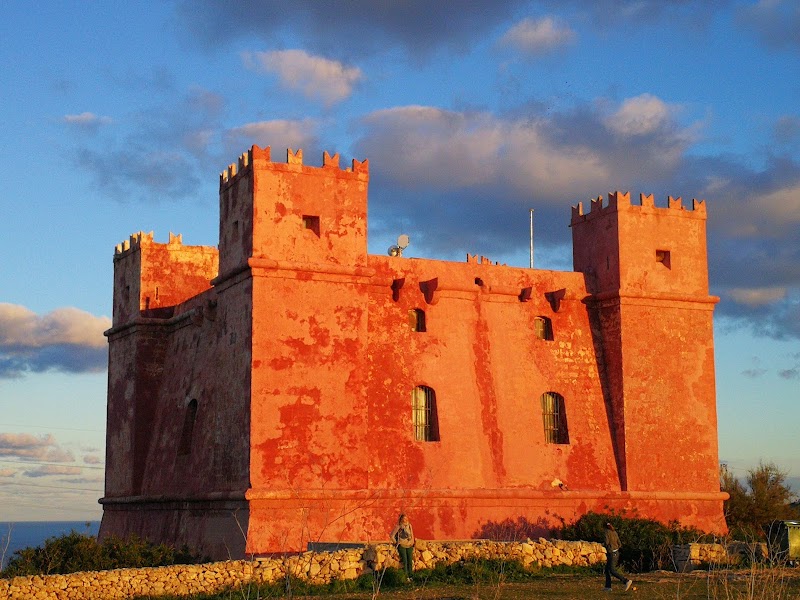
The Red Tower: Malta’s Landmark for Views and History
St. Agatha’s Tower draws visitors for its vivid red walls, restored character and broad views across northern Malta.

Malta · Mosta
Mosta Rotunda: Malta’s Dome and Wartime Story
Public reviews single out Mosta Rotunda for its immense dome, rooftop views, audio guide and extraordinary Second World War history.