Mitai Māori Village: Culture, Waka and Hāngī in Rotorua
Public reviews praise Mitai Māori Village for its engaging cultural performances, torchlit waka arrival and generous hāngī meal.
More photos
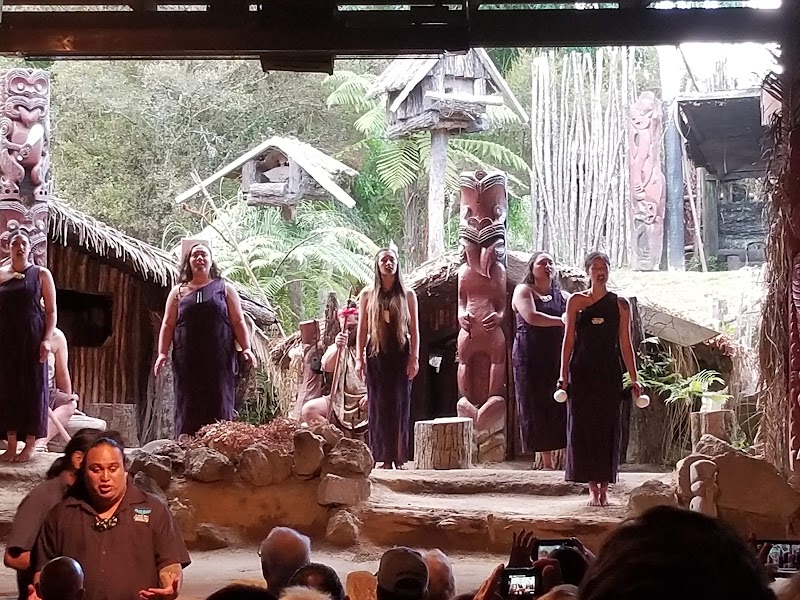
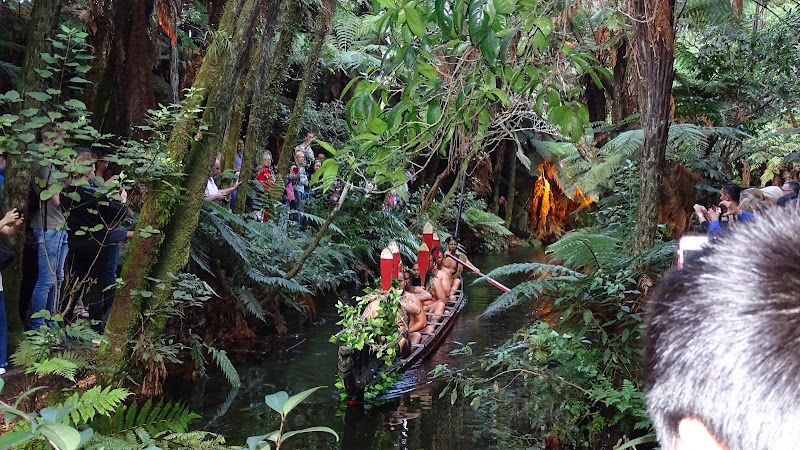
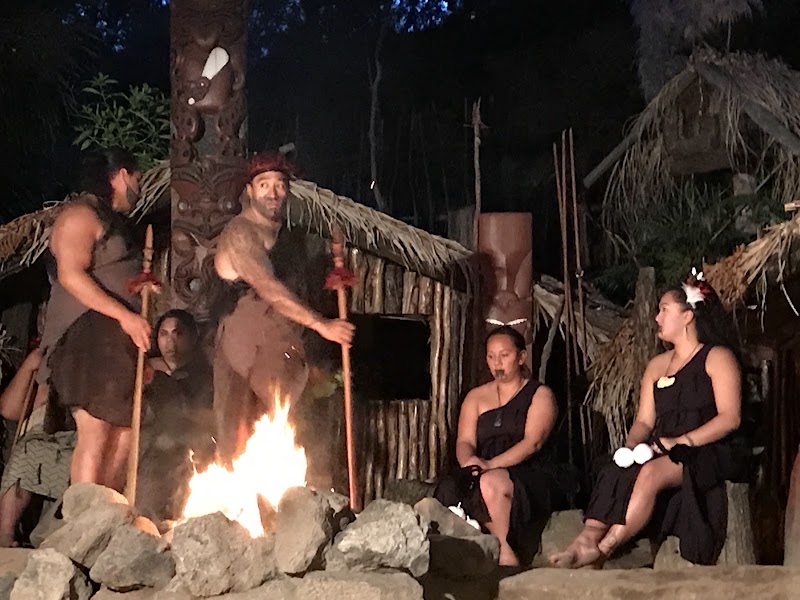
Photos published by travelers on Google, not AI generated.
What stands out
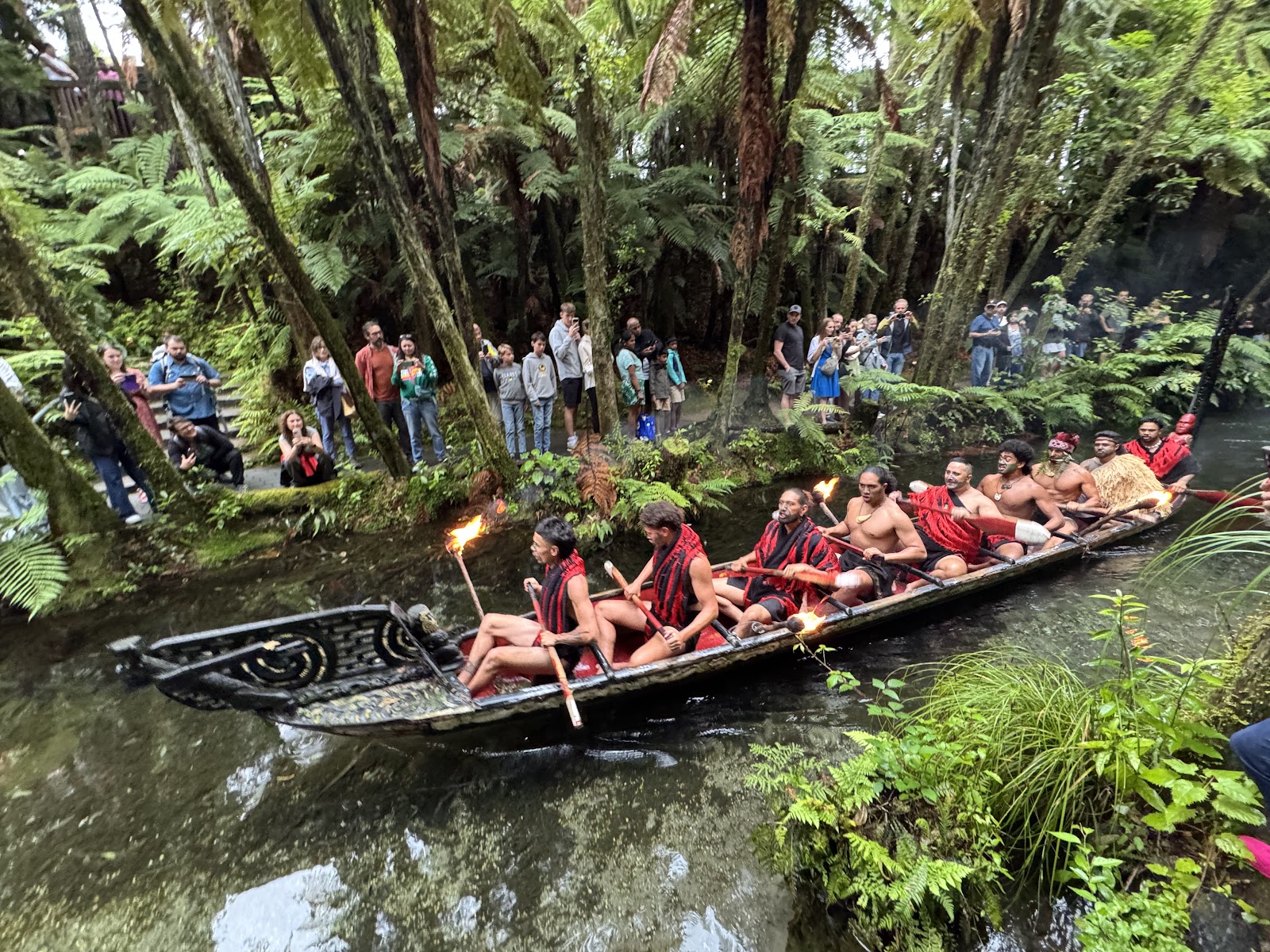
- Torchlit waka sequence on the stream
- Māori songs and dance performances
- Welcoming, knowledgeable hosts
- Generous hāngī buffet
- Riverside and bush setting
Worth knowing
- The full evening can feel lengthy
- Audience welcome may need clearer explanation
- Glow-worm sightings appear limited
Don't miss
What comes up most in public reviews
- Watch the warriors arrive by waka
- See the Māori song and dance performance
- Try the hāngī buffet
Worth the trip?
What the reviews suggest
Mitai Māori Village is an evening cultural attraction combining storytelling, performance, food and a riverside setting. Based on its Google rating of 4.6 from 2706 reviews and the recurring themes in public feedback, it is one of Rotorua’s more memorable structured introductions to Māori culture.
Reviewers regularly describe the hosts as welcoming, engaging and knowledgeable. The programme explains aspects of Māori tradition through spoken interpretation, singing, dance and demonstrations rather than relying on a single stage show. Several visitors mention the passion of the performers and the accessible way cultural background is shared. Families appear particularly impressed, with one reviewer describing the performance as a lasting memory for their children.
This is a substantial organised experience rather than a brief stop. One review places the full programme at around three hours, including the welcome, riverside elements, performance and meal. That duration helps explain why some visitors initially question the value but later conclude that the combined experience is worthwhile.
Waka and cultural performance
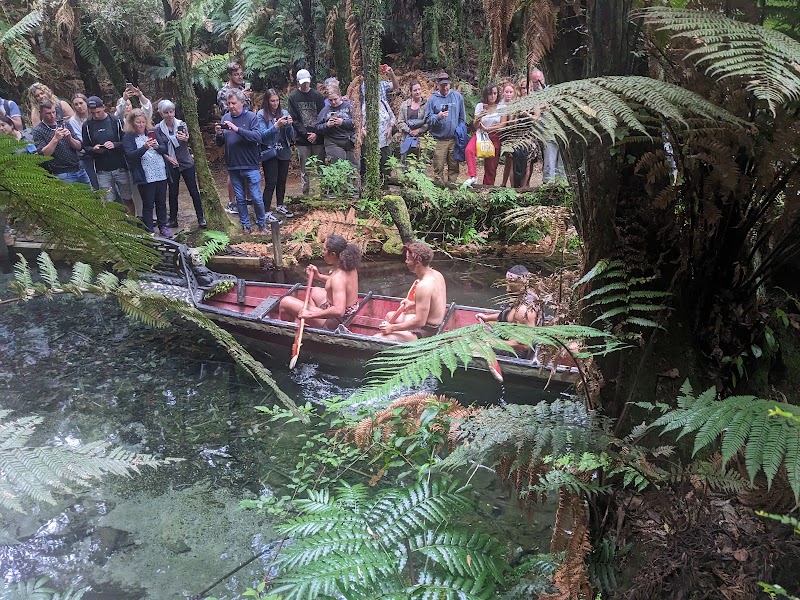
The waka sequence is the visual centrepiece repeatedly singled out in reviews. Warriors travel along the stream in formation, with evening torchlight adding atmosphere. Public feedback often treats this as one of the night’s most distinctive moments, especially when combined with the surrounding bush and river environment.
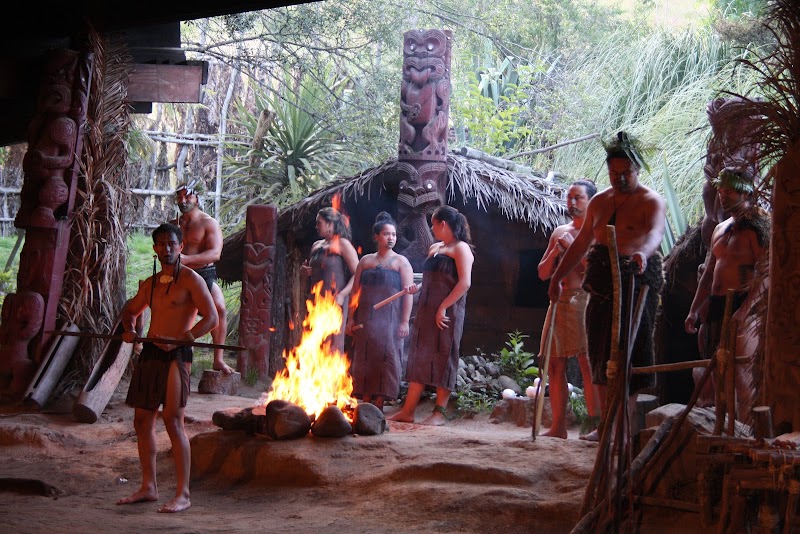
The main cultural performance follows with Māori songs, dance and spoken explanation. Reviews consistently praise the performers’ energy and skill, while the hosts receive credit for giving context to what the audience is seeing. The programme is designed for visitors with little prior knowledge, although one reviewer felt the manuhiri welcome could have been introduced more clearly before audience participation began.
A walk through the grounds may also include a small number of glow-worms, but reviews do not suggest this should be treated as the principal attraction. The cultural presentation, waka and meal remain the stronger reasons to attend.
The hāngī meal
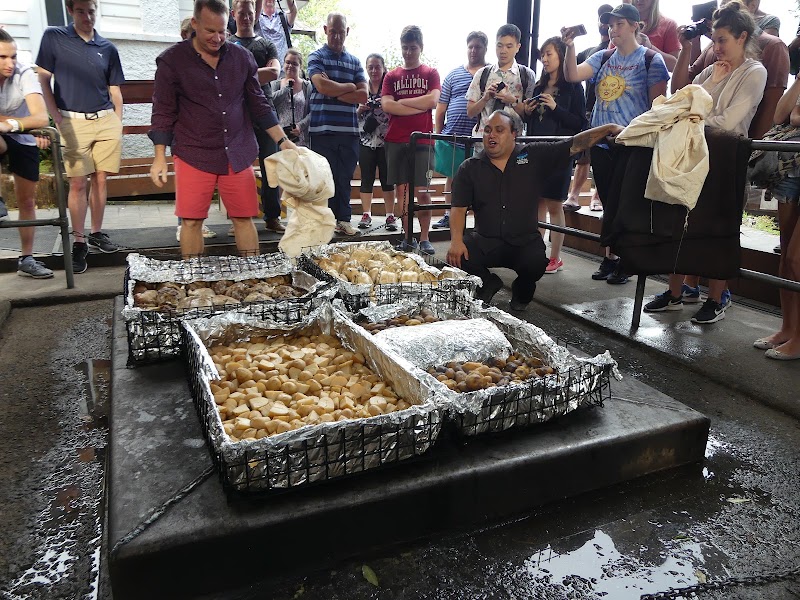
Dinner is another frequent highlight. Reviewers describe a large buffet built around hāngī cooking, with examples including New Zealand-style stuffing, steamed pudding, green-lipped mussels and fried bread. The meal is generally characterised as generous and tasty, and the hāngī pit provides useful context for how the food is prepared.
The format makes Mitai especially practical for travellers who want an evening activity and dinner in one booking. It also gives the programme a natural rhythm: welcome and explanation, waka arrival, performance, then a communal meal.
Overall verdict
The strongest public-review pattern is one of warmth, cultural pride and a well-rounded programme. Mitai Māori Village works best for first-time Rotorua visitors, families and travellers seeking a guided introduction rather than an independent museum visit. The evening can feel lengthy, and parts of the welcome may require close attention, but most reviewers regard the combination of cultural interpretation, performance, riverside spectacle and hāngī as memorable and worthwhile.
Ask anything
Looking for somewhere else?
Keep exploring around Rotorua
More from New Zealand
New Zealand
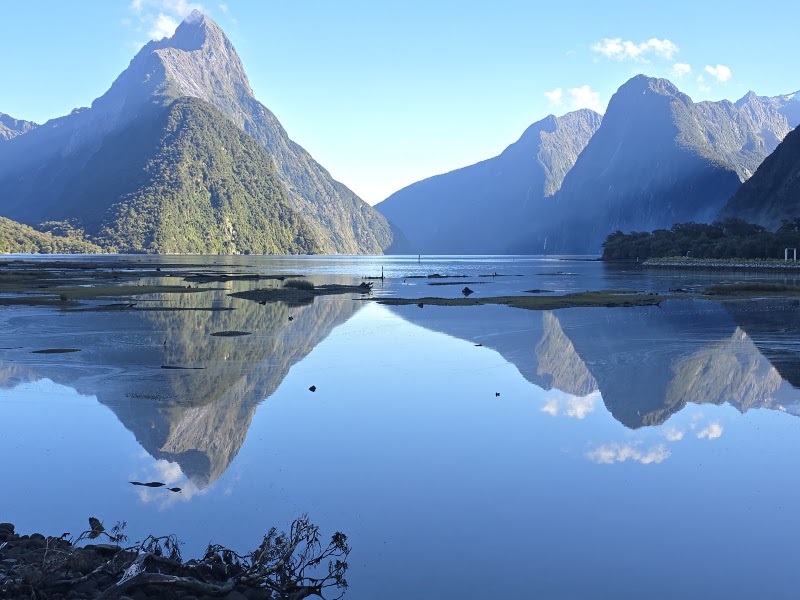
Fiordland National Park: Powerful landscapes at every turn
Fiordland earns exceptional praise for its dramatic road journeys, wilderness walks, waterfalls and memorable cruises on Milford and Doubtful sounds.
New Zealand · Oamaru
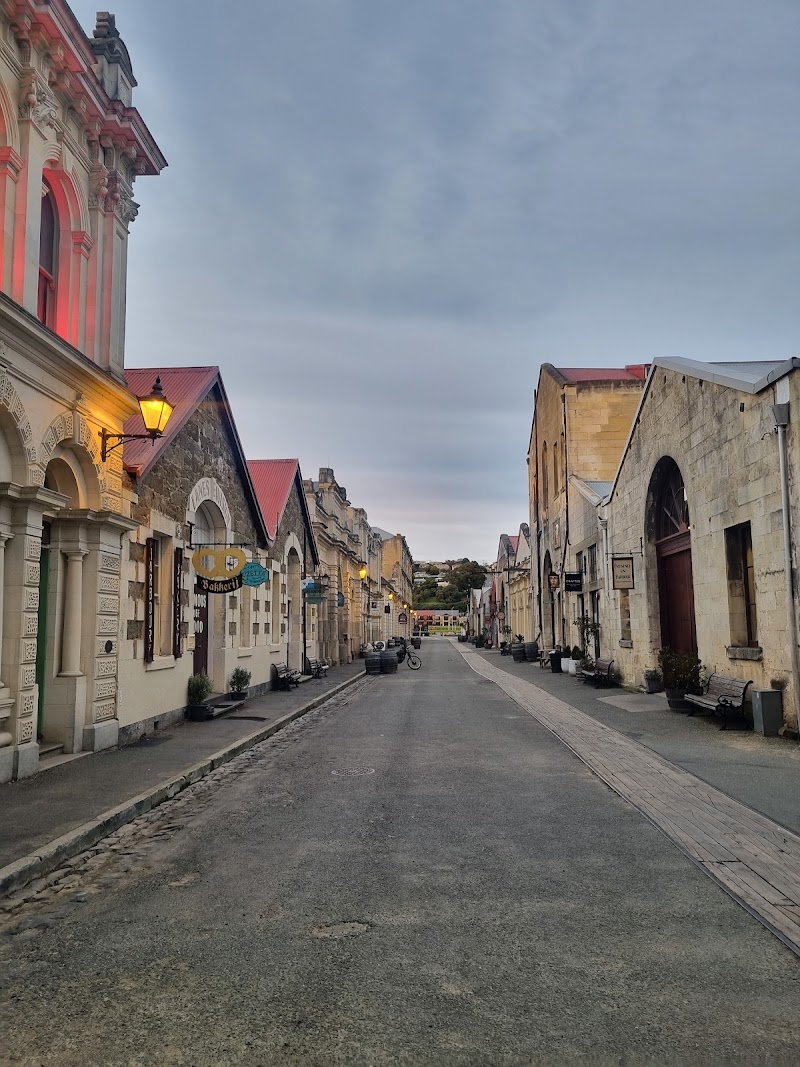
Oamaru’s Heritage Precinct: Victorian Streets and Shops
Preserved limestone buildings, independent shops and old-world character make this historic quarter a rewarding stop between South Island destinations.
New Zealand · Nelson
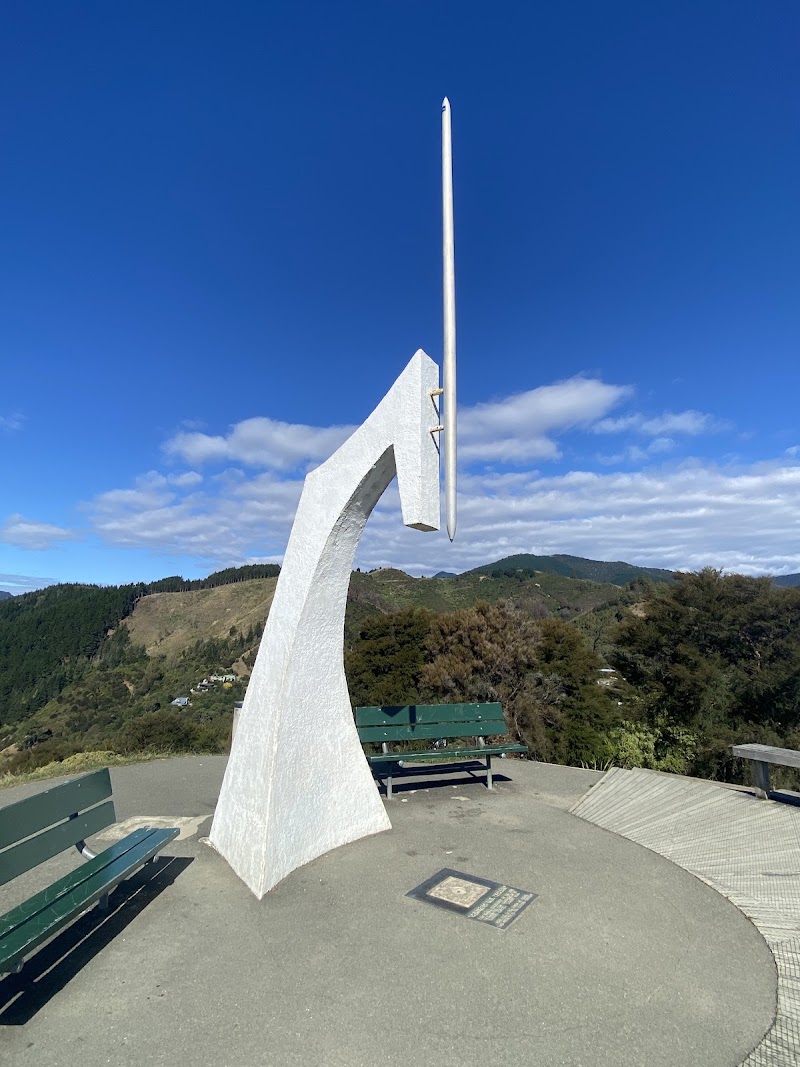
Centre of New Zealand Monument: Nelson’s steep scenic walk
Public reviews praise this short but demanding uphill walk for its well-maintained track and expansive views across Nelson.
New Zealand · Blenheim
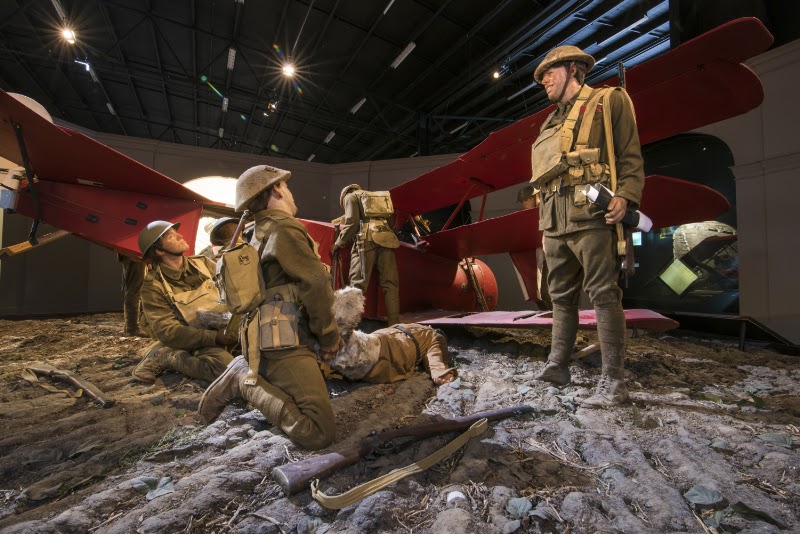
Omaka Aviation Heritage Centre: a theatrical history lesson
Blenheim’s aviation museum pairs WWI and WWII aircraft with dramatic staging, detailed artefacts and compelling personal stories.