Mdina Gate: A Grand Entrance to Malta’s Silent City
Mdina’s monumental gateway sets the scene for medieval streets, historic architecture and one of Malta’s most atmospheric walks.
More photos
Photos published by travelers on Google, not AI generated.
What stands out
- Grand stone entrance and bridge
- Medieval walled-city atmosphere
- Baroque architectural details
- Game of Thrones filming connection
- Historic streets beyond the gate
Worth knowing
- Crowds increase later in the day
- Some resident and local vehicle traffic
- Bus journey from Valletta can exceed 45 minutes
Don't miss
What comes up most in public reviews
- Walk across the bridge and through Mdina Gate
- Explore the streets of the Silent City
- Visit the cathedral and its museum
- Photograph the carved façade and coat of arms
Worth the trip?
The first impression
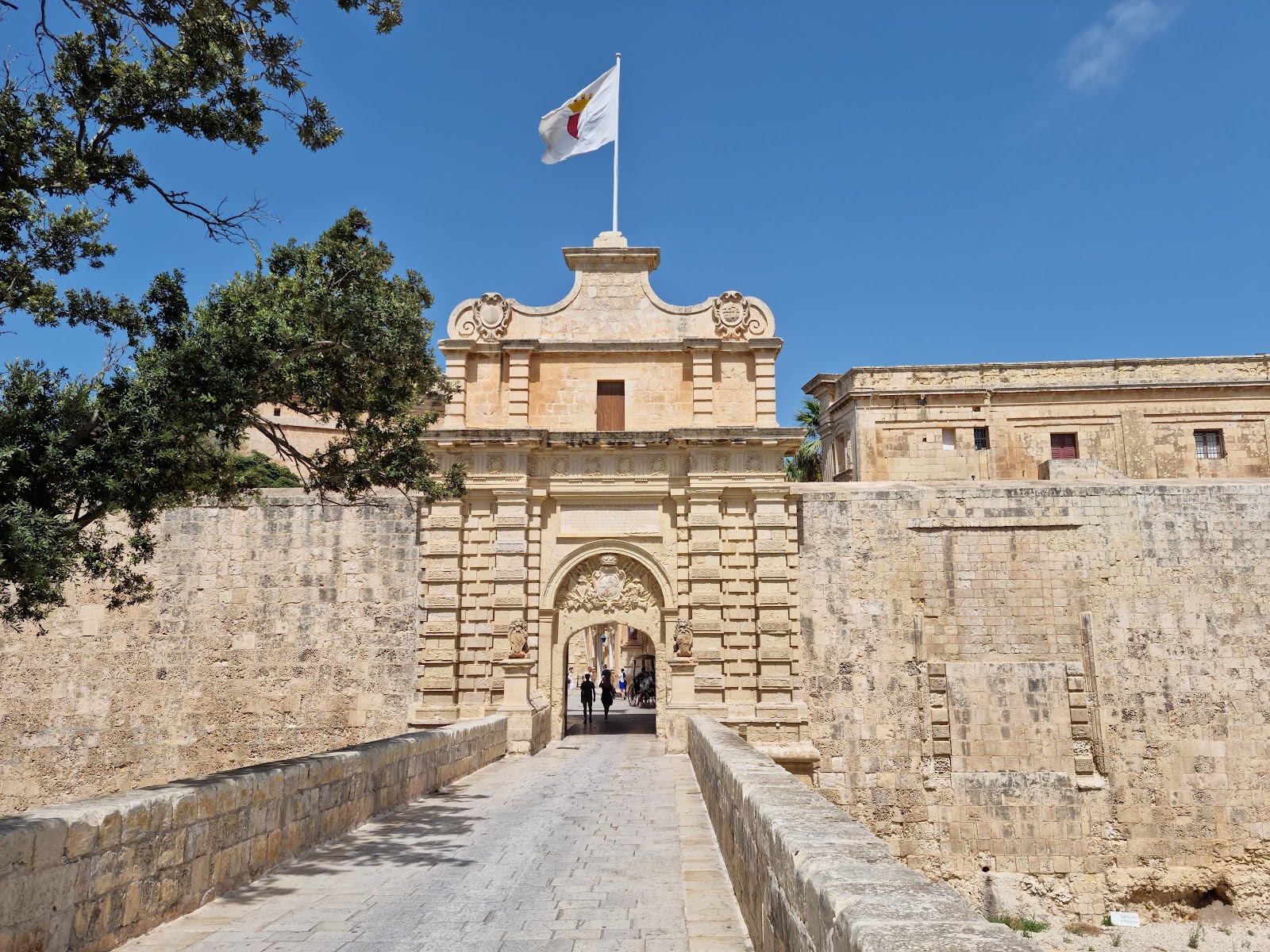
Mdina Gate is more than a photogenic entrance. It marks the transition into Malta’s old walled city, and public reviews consistently describe that arrival as one of the most memorable moments of a visit. The broad bridge, warm stone and carved façade create a suitably dramatic approach, while the streets beyond immediately reinforce Mdina’s medieval character.
That response is reflected in its Google rating of 4.8 from 46047 reviews. Travellers repeatedly praise the landmark’s beauty, sense of history and ability to establish the mood before the wider city walk has even begun. The gate is not a lengthy attraction in itself, but it works as the opening scene for several rewarding hours inside Mdina.
History with screen appeal
Reviewers are particularly drawn to the contrast between the gate’s imposing architecture and the quiet lanes behind it. One account highlights its Baroque design and carved details, including the coat of arms, while others focus more broadly on the preserved stone buildings and historic atmosphere throughout the city.
Mdina Gate also attracts Game of Thrones fans, who recognise the entrance and surrounding setting as a filming location. Even visitors with no interest in the series tend to understand the appeal: the bridge, walls and grand portal have the visual drama associated with a fantasy production, without needing much interpretation.
The history does not stop at the gate. Reviews often treat the landmark as the beginning of a walking route rather than a standalone stop. Mdina’s compact streets, residential character and eye-catching architecture encourage slow exploration, with frequent pauses for photographs.
Planning the visit
Early arrival makes a noticeable difference. A reviewer visiting on a weekday morning in late March found the area very quiet at first, with visitor numbers increasing later. That pattern supports an early weekday visit for clearer photographs and a calmer walk through the entrance.
Public transport from Valletta is described as straightforward and budget friendly, although the bus journey can take more than 45 minutes. A taxi is faster, with one reviewer reporting a journey of roughly 20 minutes from the Upper Barrakka Gardens area. Either option makes Mdina practical as a half-day excursion.
Food and drinks within the city are described as relatively inexpensive. The main planning concern is congestion rather than cost. Although Mdina is widely associated with restricted vehicle access, reviewers still report seeing some cars, probably connected with residents and local access. Horse-drawn carts are also present around the city.
Editorial verdict
The gate deserves attention, but its real value comes from how effectively it introduces Mdina. Travellers should allow time to walk beyond the entrance, explore the narrow streets and visit the cathedral and its museum, both specifically recommended in the reviews.
For history enthusiasts, photographers and screen-location fans, Mdina Gate is an easy recommendation. It is visually impressive, simple to reach from Valletta and attached to a compact city that rewards unhurried wandering. The best experience comes early, before tour traffic builds and the approach loses some of its quieter atmosphere.
Plan the rest of the trip
Ask anything
Looking for somewhere else?
Keep exploring around Mdina
More from Malta
Malta · Valletta
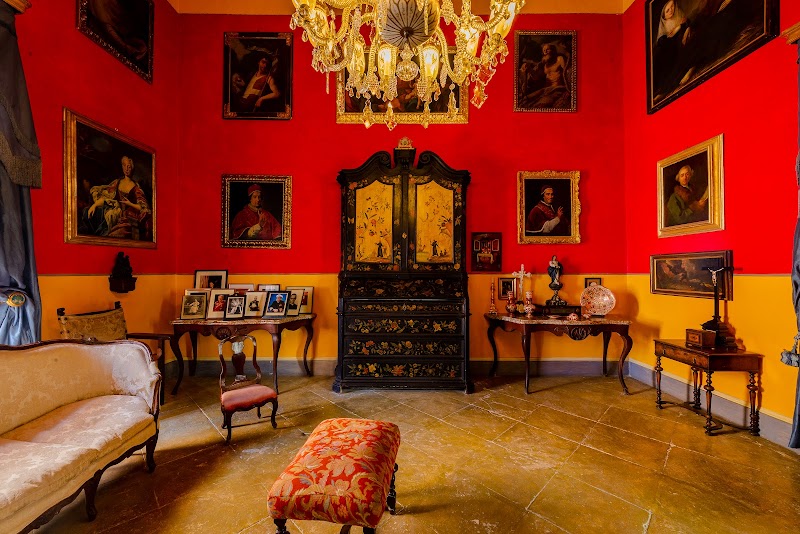
Casa Rocca Piccola: A Lived-In Window on Valletta’s Past
Public reviews highlight Casa Rocca Piccola’s intimate look at Maltese aristocratic life, historic interiors and wartime shelter.
Malta · Floriana
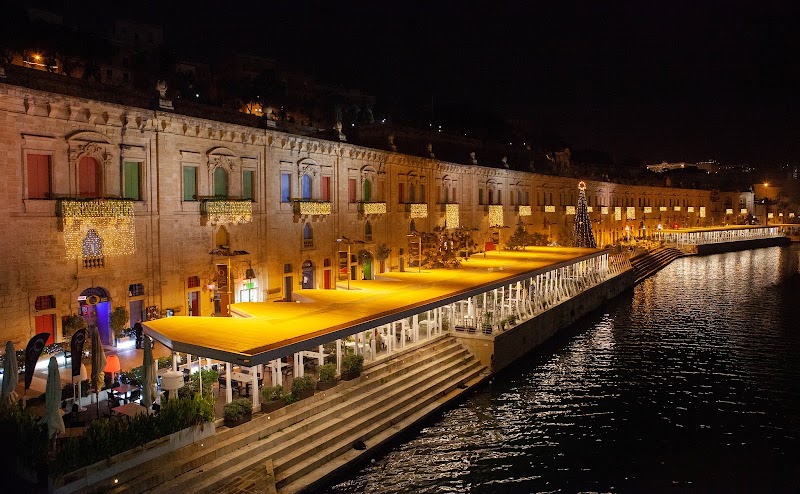
The Valletta Waterfront: A Calm Harbour Walk Near Valletta
The Valletta Waterfront pairs a peaceful harbour promenade with historic architecture, dining and easy access to Valletta’s sights.
Malta · Il-Mellieħa
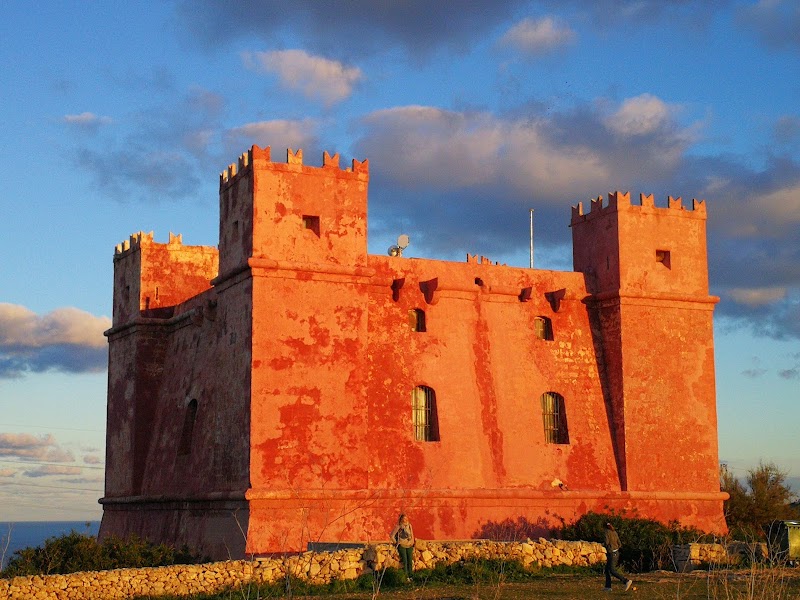
The Red Tower: Malta’s Landmark for Views and History
St. Agatha’s Tower draws visitors for its vivid red walls, restored character and broad views across northern Malta.
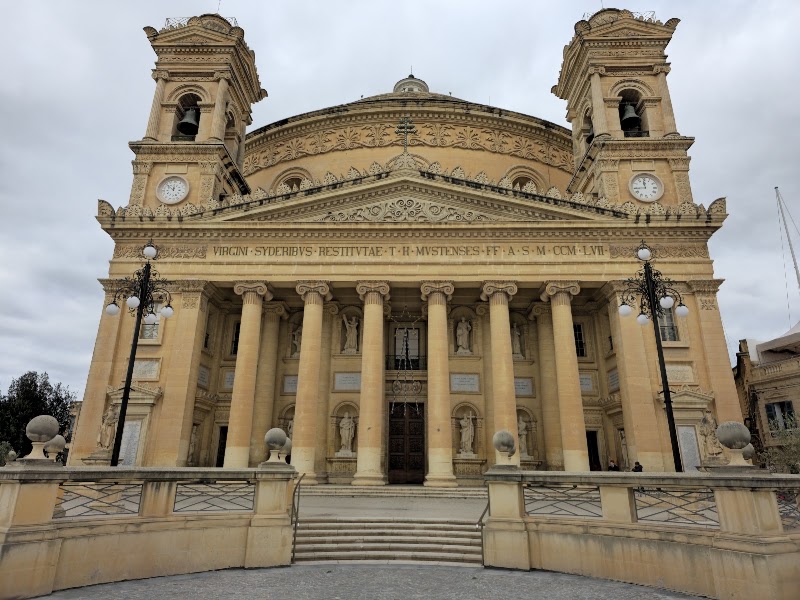
Malta · Mosta
Mosta Rotunda: Malta’s Dome and Wartime Story
Public reviews single out Mosta Rotunda for its immense dome, rooftop views, audio guide and extraordinary Second World War history.