McLeod Plantation Historic Site Tells Charleston’s Hard History
Public reviews consistently praise McLeod Plantation Historic Site for its factual, compassionate interpretation of slavery and plantation life.
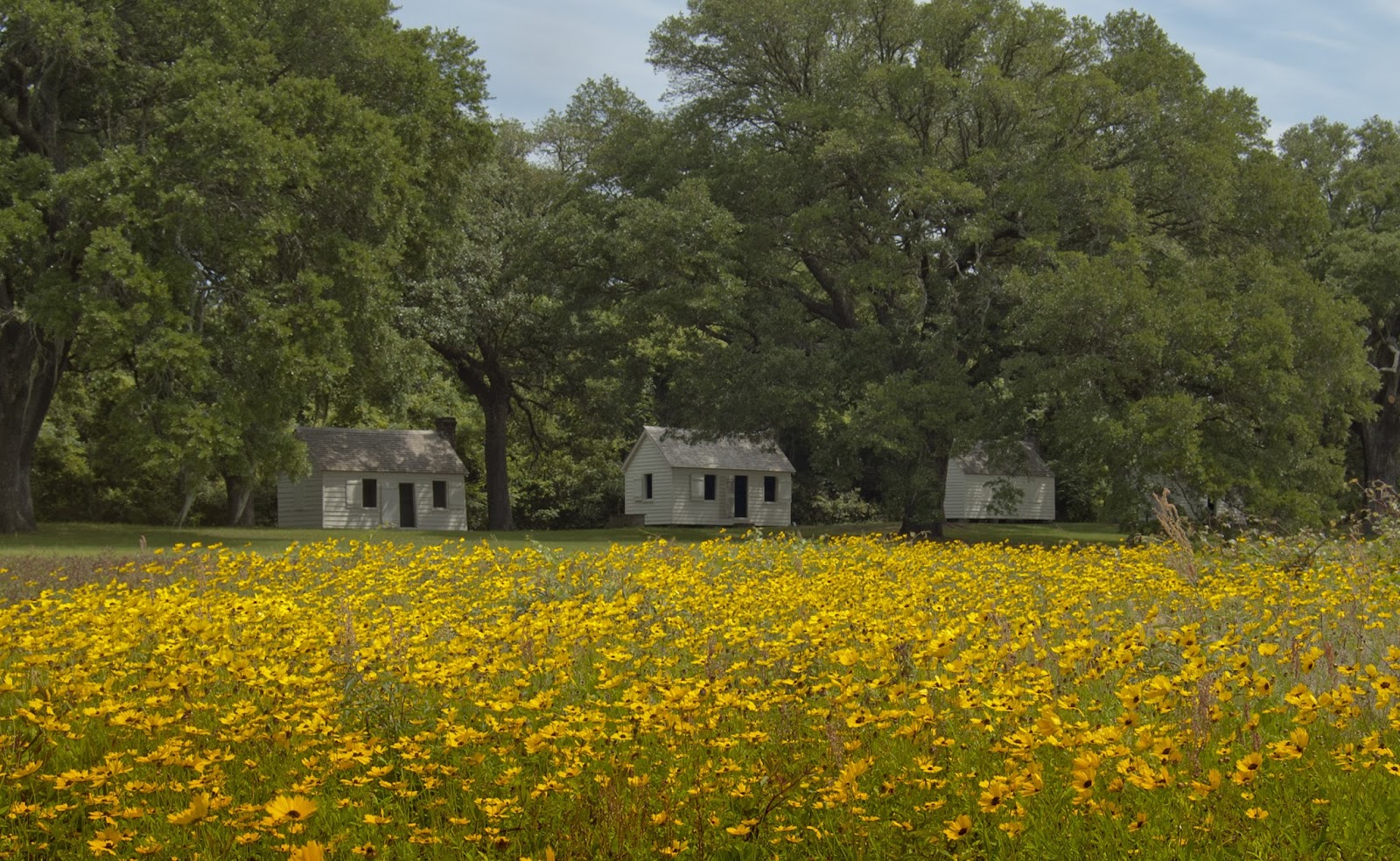
More photos
Photos published by travelers on Google, not AI generated.
What stands out
- Factual interpretation of plantation history
- Knowledgeable and compassionate guides
- Close to Charleston
- Sea cotton and plantation agriculture context
- Signage for independent exploration
Worth knowing
- The subject matter is emotionally heavy
- Visitors seeking romanticized plantation history may be disappointed
Don't miss
What comes up most in public reviews
- Take the guided tour
- Ask about sea cotton
- Read the historical signage
- Listen for accounts of the people impacted by slavery
Worth the trip?
A serious, carefully told historic site
McLeod Plantation Historic Site stands out in public reviews for refusing to soften the realities of plantation life. Visitors repeatedly describe the interpretation as factual, thoughtful and respectful toward the people who were enslaved there. That approach shapes the experience more than the setting or architecture.
The site is close to Charleston, which reviewers identify as a practical advantage for visitors building a city itinerary. One review calls it the closest plantation to Charleston by roughly half the distance of other commonly visited options. The location makes it easier to add a substantial history visit without committing an entire day to travel.
Google listings show a 4.6 rating from 2,090 reviews. The written feedback is especially consistent on the quality of the interpretation.
Take the guided tour
The guided tour is the clearest recommendation across the reviews. Visitors describe guides as knowledgeable, articulate, compassionate and well prepared. Several say the guides handle difficult material with care while staying anchored in documented facts and historical accounts.
One reviewer says the tour asks useful questions rather than simply delivering a rehearsed narrative. Another says the guide brought the site’s former occupants and their experiences into clearer focus. The strongest praise is reserved for guides who explain slavery directly instead of presenting a romanticized plantation story.
The grounds also include signage that can provide useful context for people touring independently. Still, reviewers say self-guided visitors would miss information shared during the tour. The guided option is the better choice for understanding the site’s full historical meaning.
What the reviews say to expect
This is not a light sightseeing stop. Multiple reviewers call the experience heavy, hard to hear and emotionally affecting. That is presented as a strength, not a flaw. Visitors value the site because it honors the people impacted by slavery and gives their history proper attention.
The reviews also make clear that McLeod is not primarily recommended for an ornate or glamorous plantation image. Its importance lies in the interpretation, the evidence presented and the willingness to confront how the property operated. Anyone expecting a polished version of plantation nostalgia may find the visit uncomfortable.
The agricultural history is another detail worth seeking out. Reviewers specifically mention sea cotton, a crop associated with the plantation, as something visitors should learn about during the visit.
Where it fits in a Charleston itinerary
McLeod Plantation Historic Site suits travelers who want a grounded account of American history and who are prepared to listen to difficult material. One reviewer considered it the highlight of a Charleston trip and recommended visiting it early in the itinerary, before other plantation sites. That suggestion reflects the site’s direct historical framing.
The available reviews support setting aside about half a day, particularly if visitors take the guided tour and read the signage. No reservation was described as necessary in one review, but visitors should confirm current tour arrangements before going. The central advice remains simple: take the tour, pay attention to the factual accounts and ask about sea cotton.
Plan the rest of the trip
Ask anything
Looking for somewhere else?
Keep exploring around Charleston
More from United States
United States
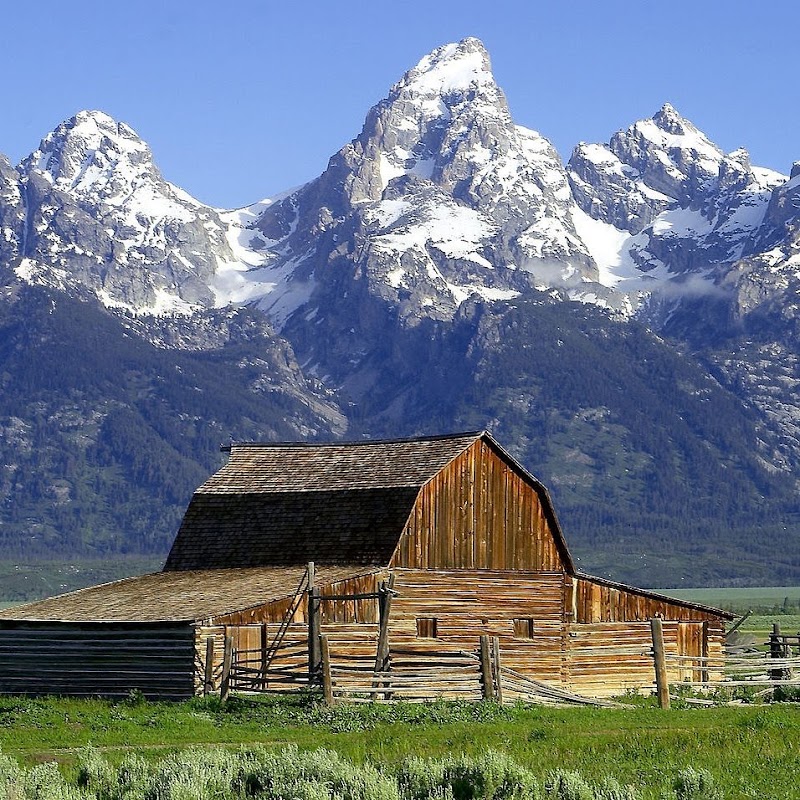
Grand Teton National Park: Mountain Views and Wildlife
Public reviews describe Grand Teton National Park as a peaceful, scenic base for lake walks, wildlife watching and high-country hikes.
United States
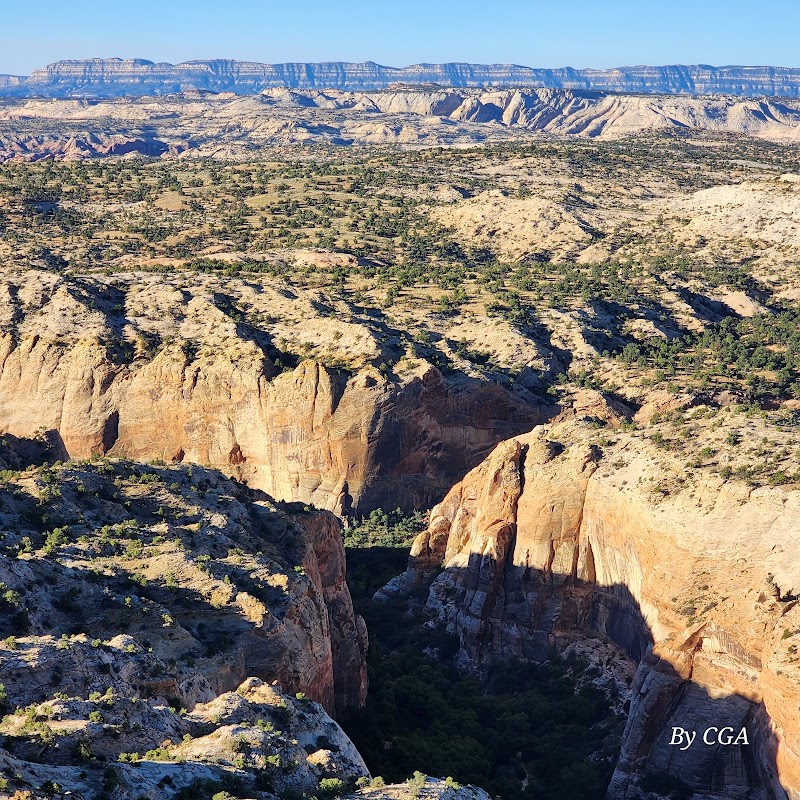
Grand Staircase-Escalante rewards curiosity and self-reliance
Grand Staircase-Escalante National Monument offers vast scenery, quiet dirt roads and unstructured exploration across southern Utah.
United States
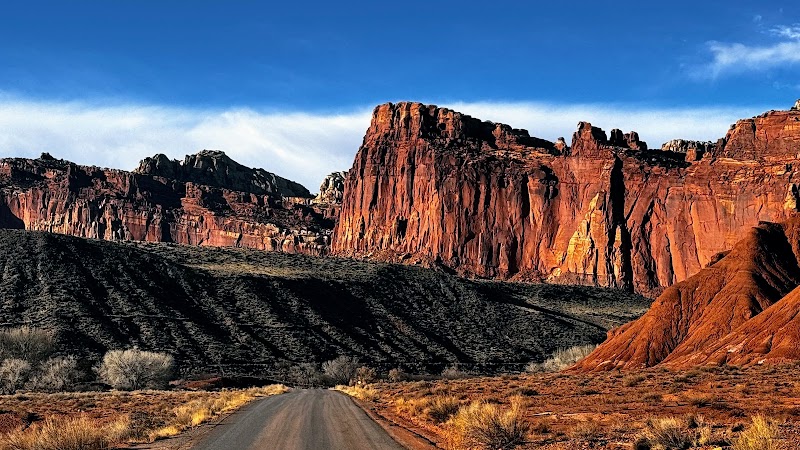
Capitol Reef National Park Rewards Slow, Scenic Exploring
Public reviews highlight Capitol Reef’s manageable hikes, striking drives, Fruita orchards and famously popular pies.
United States
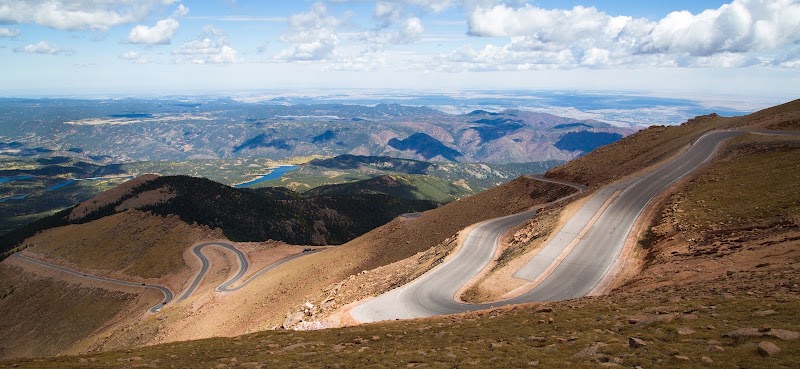
Pikes Peak Delivers Big Views by Road or Railway
Public reviews rate Pikes Peak highly for summit views, scenic driving, cog railway rides and a memorable high-altitude stop.