Matenadaran: Yerevan’s treasury of ancient manuscripts
Matenadaran pairs beautifully preserved Armenian manuscripts and old Bibles with a peaceful setting, though visitor service can be inconsistent.
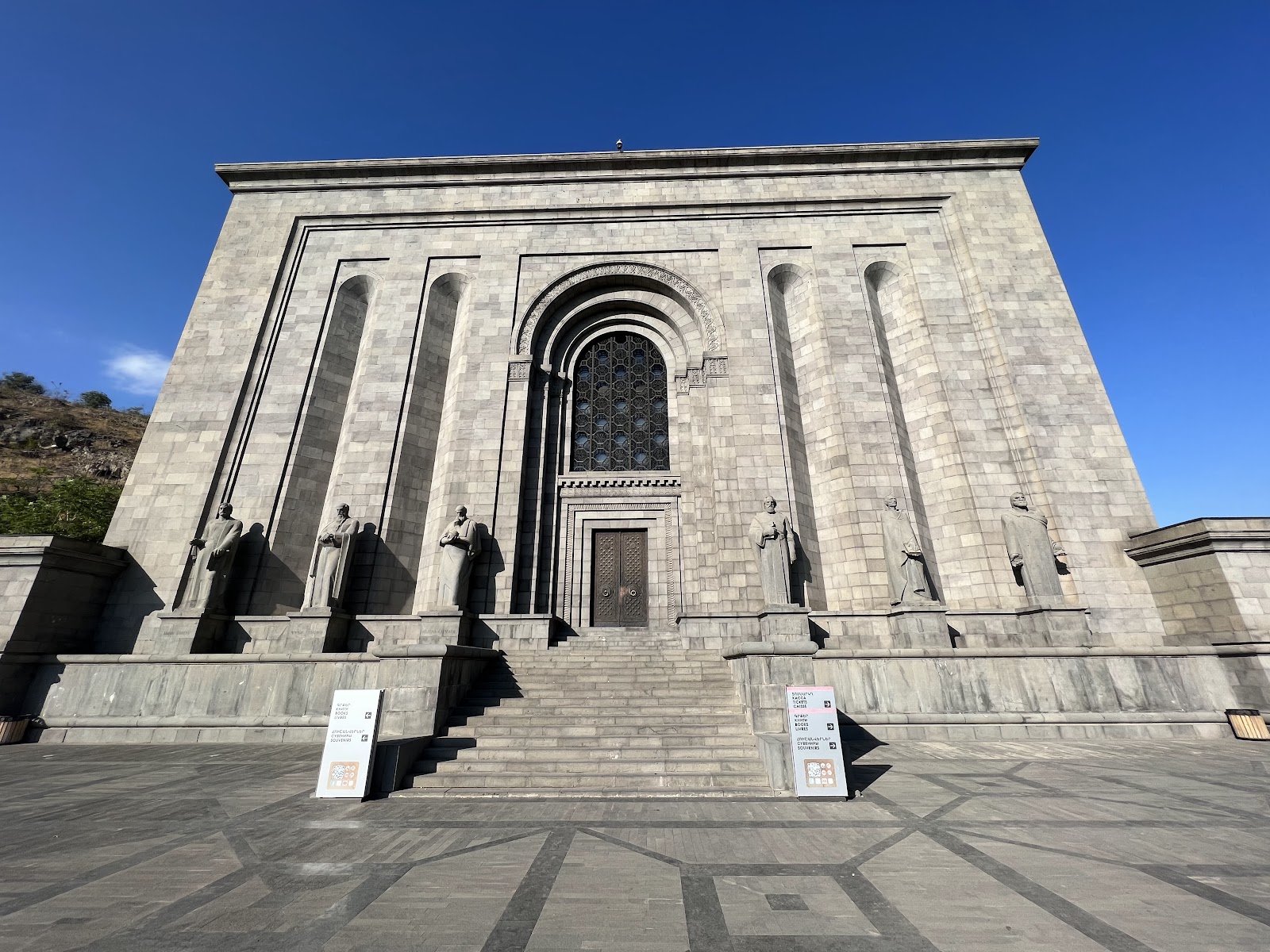
More photos
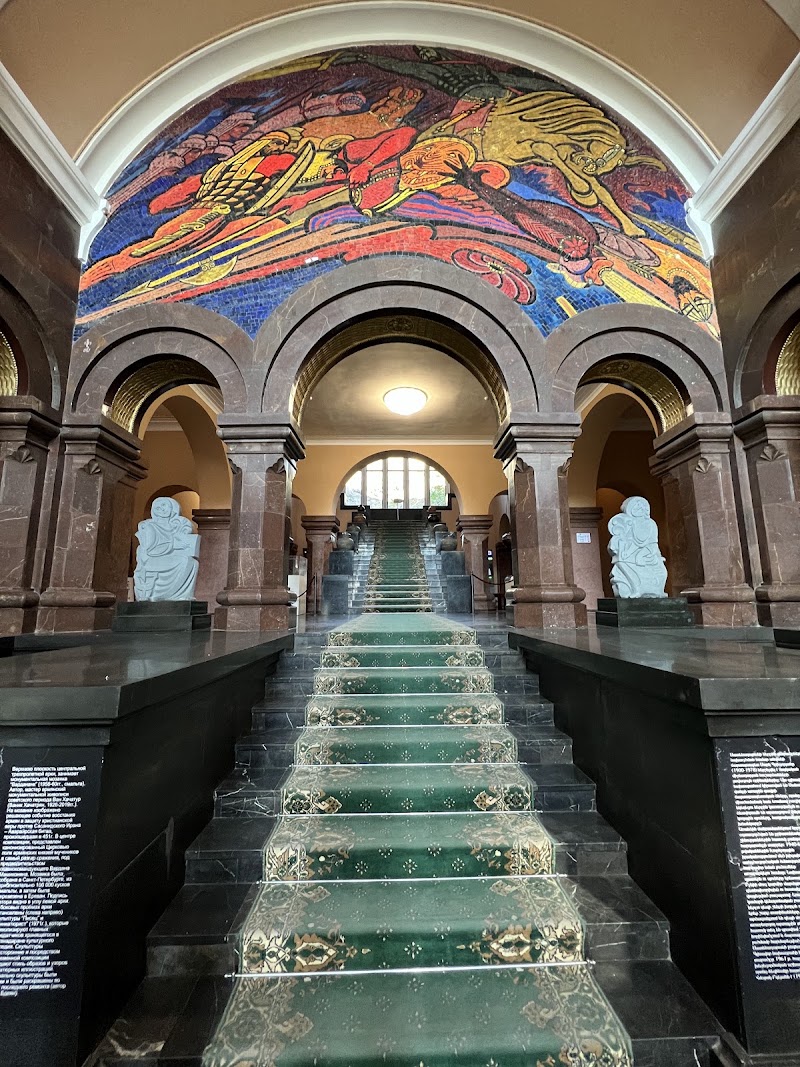
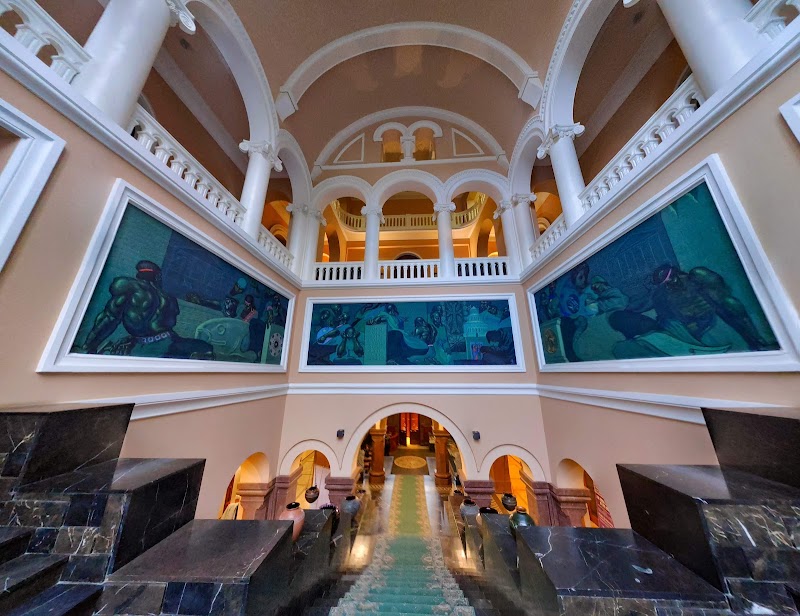


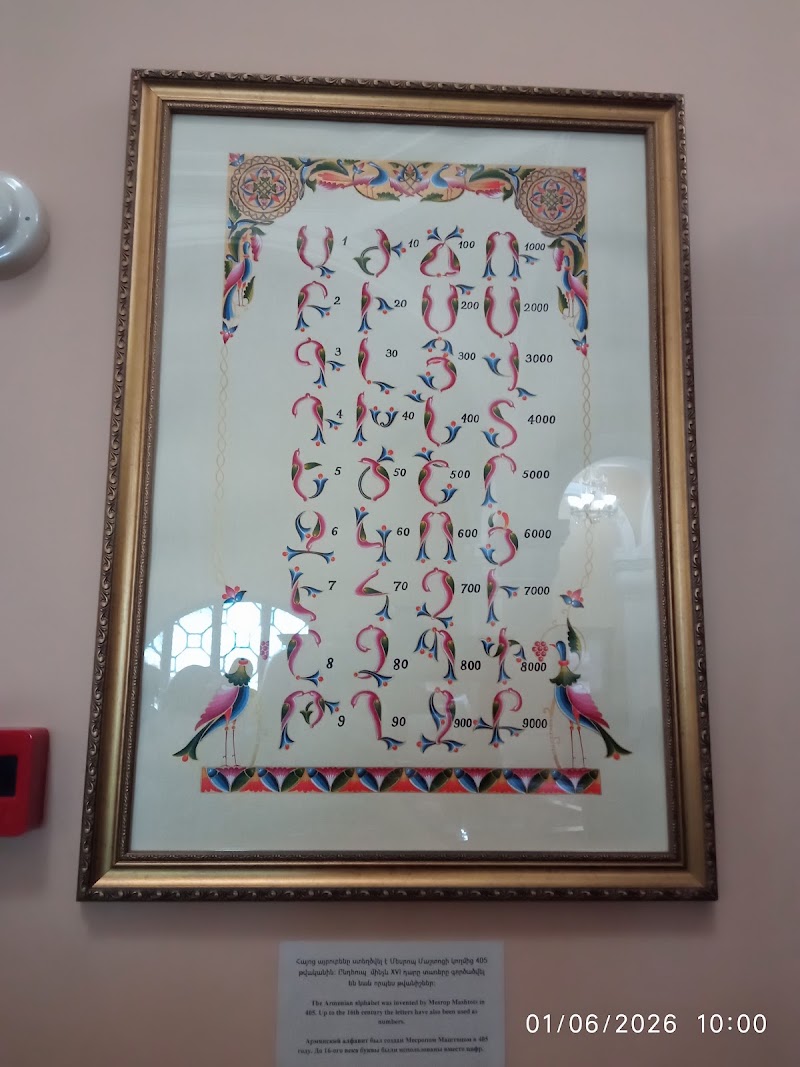
Photos published by travelers on Google, not AI generated.
What stands out
- Ancient Armenian manuscripts
- Beautifully crafted historic works
- Old Bibles with multilingual explanations
- Peaceful atmosphere and striking building
- Well-arranged museum displays
Worth knowing
- Inconsistent help from ticketing staff
- English-language guide availability may vary
- Specialist subject matter will not suit everyone
Don't miss
What comes up most in public reviews
- The old Bibles
- The Armenian manuscript displays
- Bible explanations presented in four languages
- Photography without flash
- Asking staff questions about the collection
Worth the trip?
What public reviews reveal
Matenadaran earns a Google rating of 4.7 from 818 reviews, with public feedback centring on the age, artistry and careful preservation of its manuscripts. Visitors repeatedly describe the collection as impressive, fascinating and particularly worthwhile for people interested in Armenian history, art, religion or culture.
The museum appears to work on two levels. Its historical importance appeals to visitors who want to study the manuscripts closely, while its visual qualities can hold the attention of those without specialist knowledge. Reviewers mention beautifully crafted pages, unusual surviving works and very old Bibles. The overall response is often one of quiet admiration rather than fast-paced excitement.
The collection and presentation
Armenian manuscripts are the main attraction. Public reviews highlight both their age and their aesthetic detail, suggesting that the experience is as much about looking as it is about reading historical explanations. One reviewer singled out the old Bibles, while another noted that Bible displays were explained in four languages, making at least part of the collection accessible to a wider audience.
The layout also receives praise. Visitors describe the museum as calm, peaceful and well arranged, with an atmosphere that encourages them to slow down. The building itself is regarded as striking, adding another visual dimension to the visit. Photography is reported to be allowed without flash, which suits travellers interested in recording the decorative qualities of the manuscripts and interiors while respecting preservation rules.
This is not presented in reviews as a broadly interactive attraction. Its appeal rests primarily on historic objects, detailed craftsmanship and cultural context. Travellers who enjoy manuscripts, sacred texts and museum displays are therefore likely to get more from it than those seeking entertainment-led exhibits.
Service can be uneven
Comments about staff are mixed. One visitor found staff willing to answer questions, indicating that useful assistance may be available when requested. Another reported an unhelpful ticketing experience and conflicting information about the availability of English-language guides. The contrast suggests that the quality of visitor support may depend on which staff members are approached.
Anyone hoping for an English-language guide should ask directly but remain prepared to explore independently. The reported multilingual explanations may help, although the reviews do not establish whether this level of interpretation extends across the entire museum.
Editorial verdict
Synthesised public feedback places Matenadaran among Yerevan’s strongest choices for travellers drawn to cultural history and visual craftsmanship. The preserved manuscripts and old Bibles are the clear reason to visit, supported by a peaceful atmosphere, an admired layout and a notable building.
The main reservation concerns inconsistent front-desk assistance rather than the collection itself. For engaged museum visitors, that is unlikely to outweigh the quality and significance of what is displayed. Those with little interest in manuscripts or religious history may find the experience more specialised, but the artistry can still provide an accessible route into the material.
Ask anything
Looking for somewhere else?
Keep exploring around Yerevan
More from Armenia
Armenia
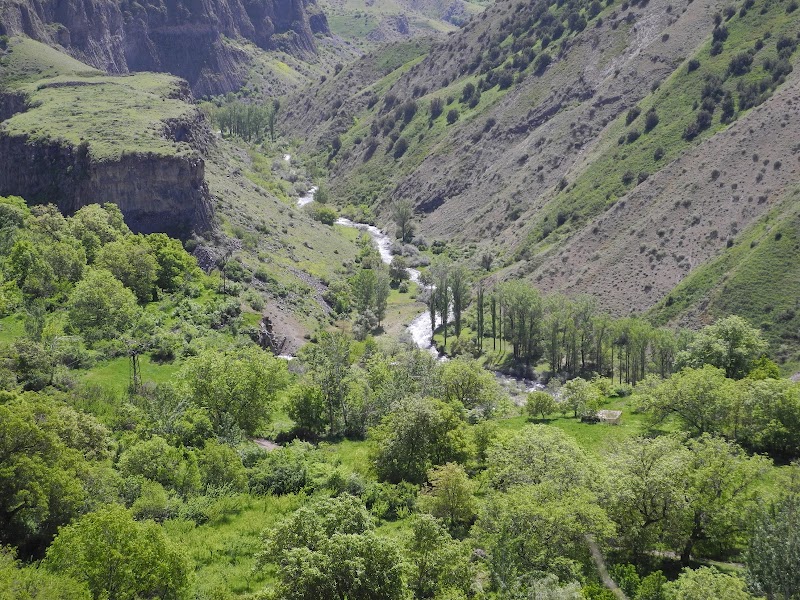
Khosrov Forest State Reserve: hikes, history and wild weather
Khosrov Forest State Reserve pairs short and long hikes with riverside greenery, wildlife interest and a deeply rooted historical narrative.
Armenia · Vagharshapat
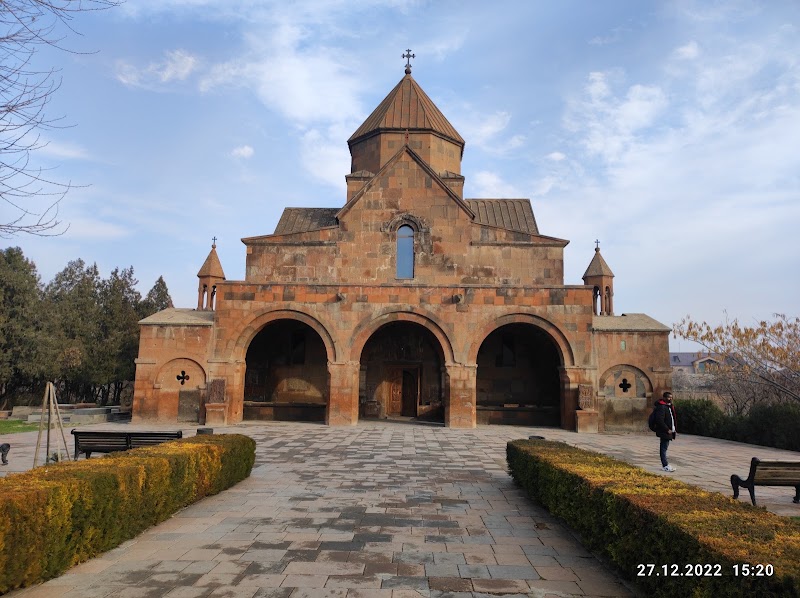
Saint Gayane Church: A Quieter Vagharshapat Stop
Strong reviews, striking church architecture and a calm garden make Saint Gayane Church a worthwhile companion to Vagharshapat’s cathedral complex.
Armenia · Tsaghkadzor
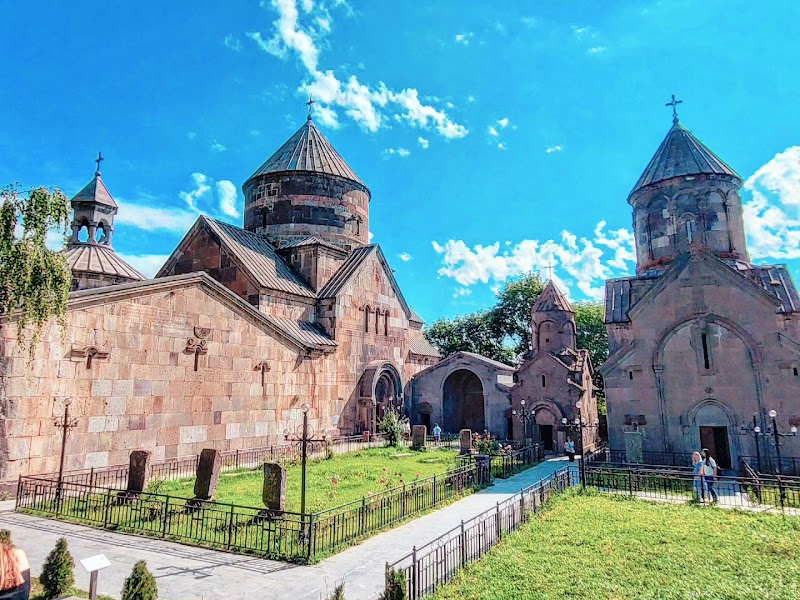
Kecharis Monastery: Stone Architecture and Quiet Atmosphere
Tsaghkadzor’s much-admired monastery complex pairs striking stone churches with a contemplative atmosphere, although renovation work may affect a visit.
Armenia · Areni
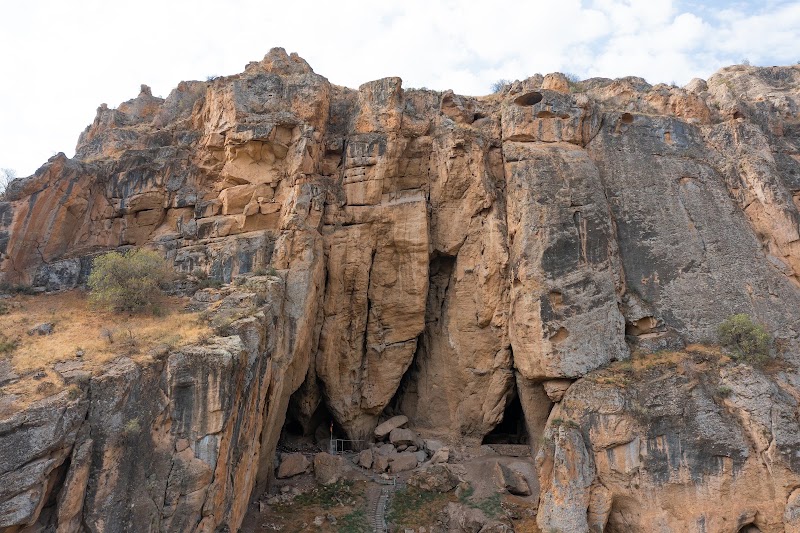
Areni-1 Cave: Armenia’s Compact Archaeological Time Capsule
A small, accessible cave where archaeological finds illuminate Armenia’s ancient winemaking and cultural history.