Masada National Park: Desert History Above the Dead Sea
Ancient remains, a demanding ascent and expansive Dead Sea views make Masada one of Israel’s most highly regarded historical landmarks.
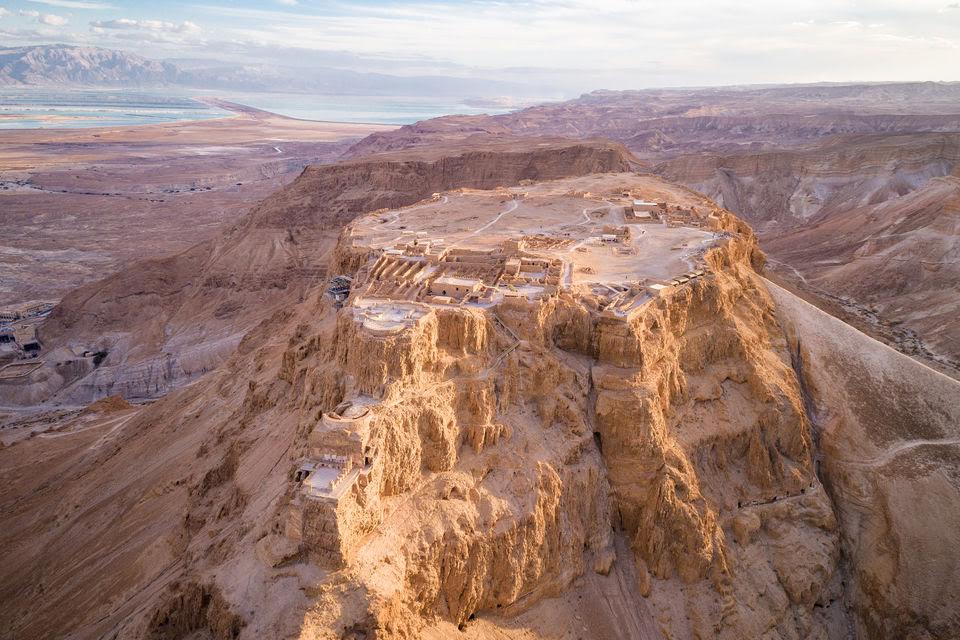
More photos
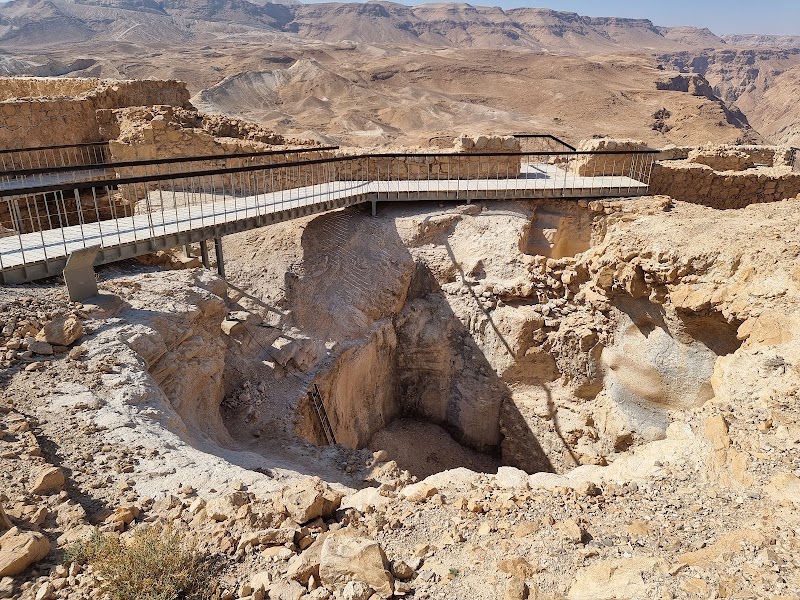
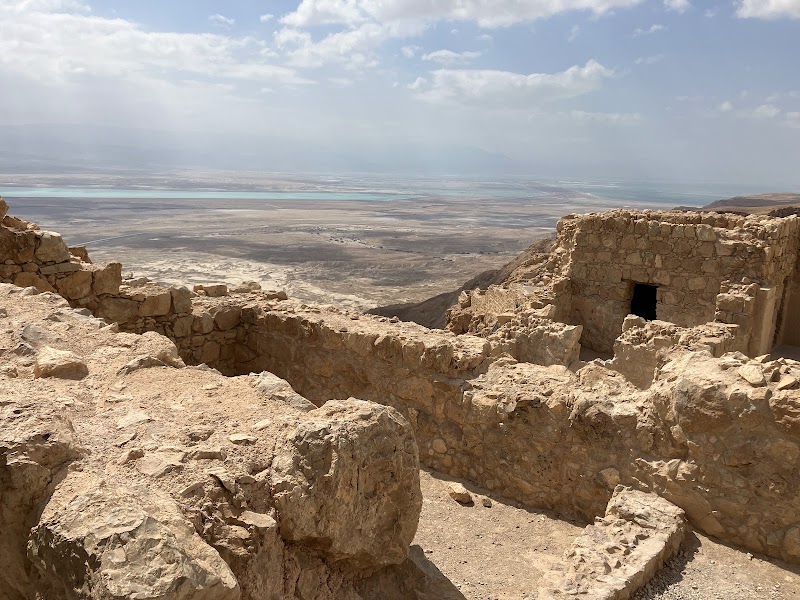
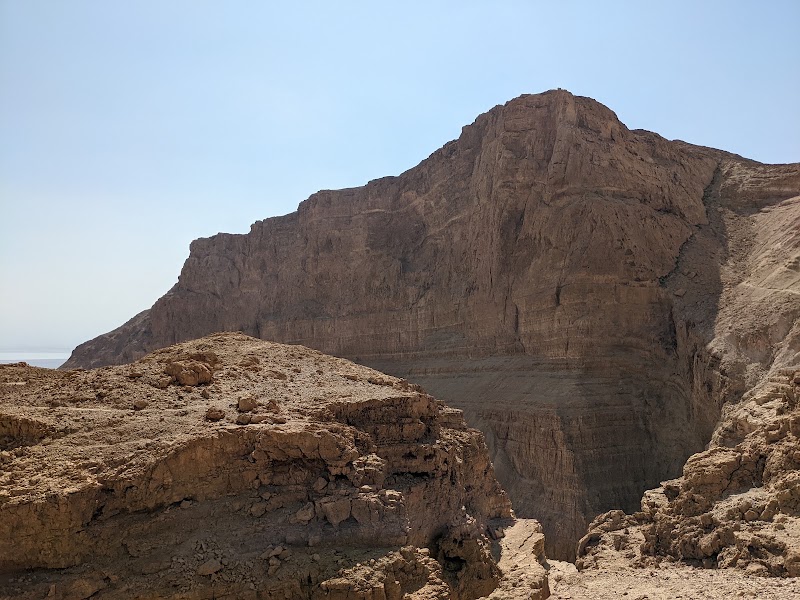

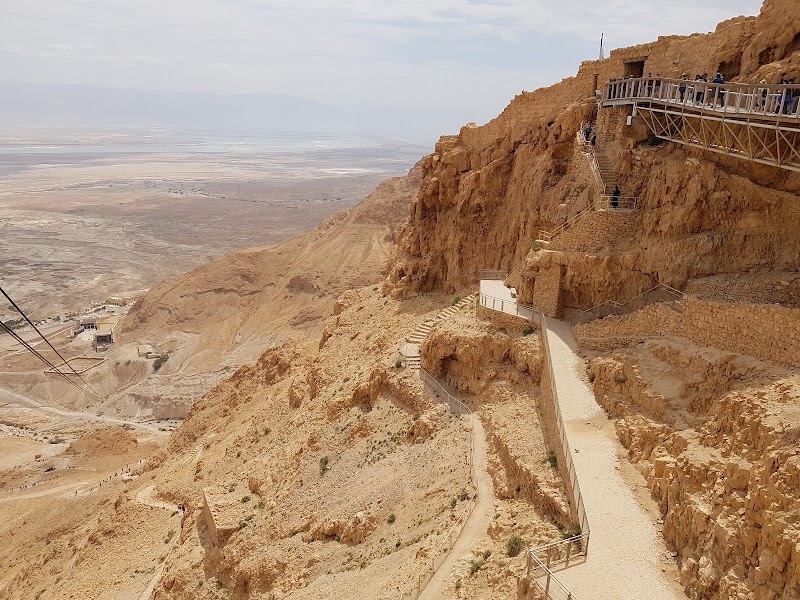
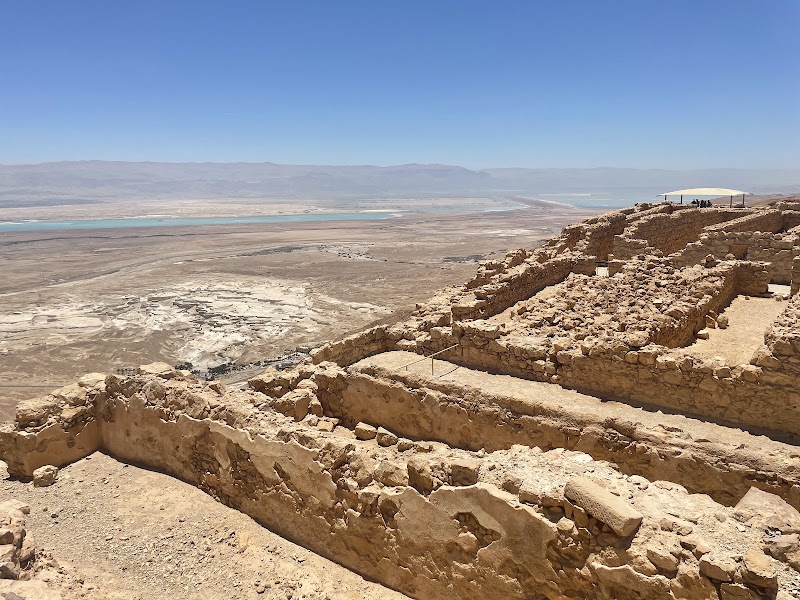
Photos published by travelers on Google, not AI generated.
What stands out
- Sunrise over the Dead Sea
- Fortress ruins and artifacts
- Panoramic desert views
- Choice of hiking or cable car
- Historical interpretation
Worth knowing
- Intense heat later in the day
- Bring plenty of water
- Weekends can be very busy
Don't miss
What comes up most in public reviews
- Sunrise from the plateau
- Views across the Dead Sea
- Fortress and archaeological remains
- The summit hike
Worth the trip?
The verdict
Masada National Park puts an archaeological site, a desert hike and a panoramic viewpoint into the same visit. Its public feedback is remarkably strong: a Google rating of 4.7 from 26088 reviews. Travellers regularly point to the history, the surviving architecture and artifacts, and the high, open views across the Dead Sea toward Jordan.
The ruins are only part of it. Reviews often dwell on the isolated plateau and the desert around it, a contrast described as breathtaking when the early light catches the fortress walls. For travellers drawn to scenery as well as historical context, Masada frequently ranks among the standout stops on a wider trip through Israel.
Reaching the summit
Getting up is a major part of the day. Some visitors hike, and reviews specifically mention the Snake Path. Others take the cable car from the visitor centre. Walking brings a real sense of achievement, with the desert views changing along the way, but there is little escape from the heat. Preparation matters.
The advice repeated most often is simple: arrive early. Several reviewers recommend being on the summit for sunrise, when temperatures are generally easier to manage and the colours over the Dead Sea can be at their most dramatic. It may feel quieter then, too. Masada remains popular, however, and weekends are reported to be especially busy.
Anyone walking should carry plenty of water and make an honest assessment of the heat, the climb and their fitness. For visitors who would rather save their time and energy for the summit, the cable car is the practical alternative.
History on the plateau
At the top, exertion gives way to archaeology. Reviews praise the relevance of the site, the fortress remains and the stories connected with Masada. Signed placards across the plateau explain what visitors are looking at, while the museum at the premises provides more background.
The strongest visits seem to combine wandering with time spent on the interpretation. Without that context, the plateau may come across mainly as a spectacular viewpoint. Read the signs and visit the museum, and the ruins, artifacts and defensive position start to make sense within a much larger historical narrative.
Public reviews can become emotionally charged when they address Masada’s past. The practical strengths are more consistent: substantial remains, interpretation that is easy to access, and a landscape that makes the importance of the location immediately clear.
Planning the visit
Half a day gives visitors time for the ascent, the summit remains, the viewpoints and the visitor facilities. Hikers may need longer, especially when stopping often or reading the interpretation closely. Reviews report a gift shop and food at the visitor centre. Water should still be carried. It is not an afterthought here.
Based on reviewer advice, a weekday sunrise visit offers the best balance: softer light, cooler conditions and a better chance of missing the worst weekend crowds. Heat, exposure and congestion are the main cautions. With an early start and a realistic decision between the hike and the cable car, Masada delivers the mix of history, scenery and physical experience behind its excellent public reputation.
Ask anything
Looking for somewhere else?
Keep exploring
More from Israel
Israel · Jerusalem
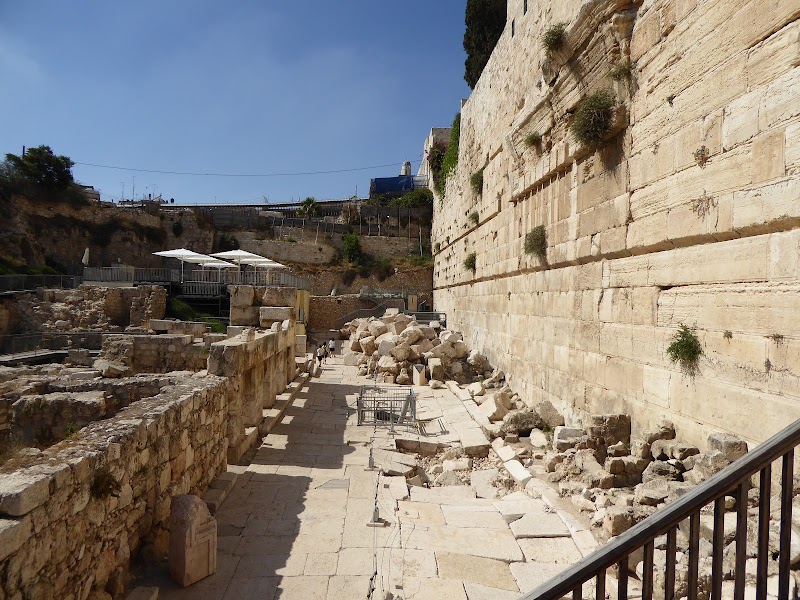
Ancient Jerusalem in Stone at the Western Wall Excavations
Ruins, ritual spaces and a compact coin display add archaeological depth to a visit around Jerusalem’s Western Wall.
Israel
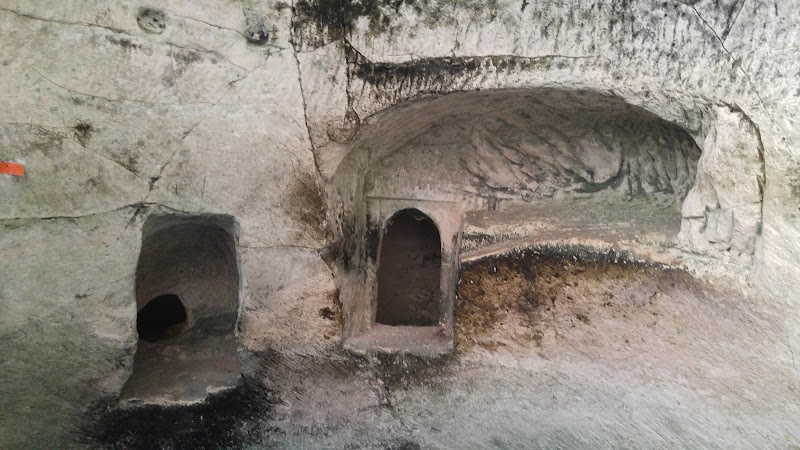
Maresha: Hilltop Views and a Varied Underground World
Maresha combines flower-covered hilltop scenery with labyrinth, bell and painted burial caves shaped by a complex Hellenistic past.
Israel · Ein Al Sultan
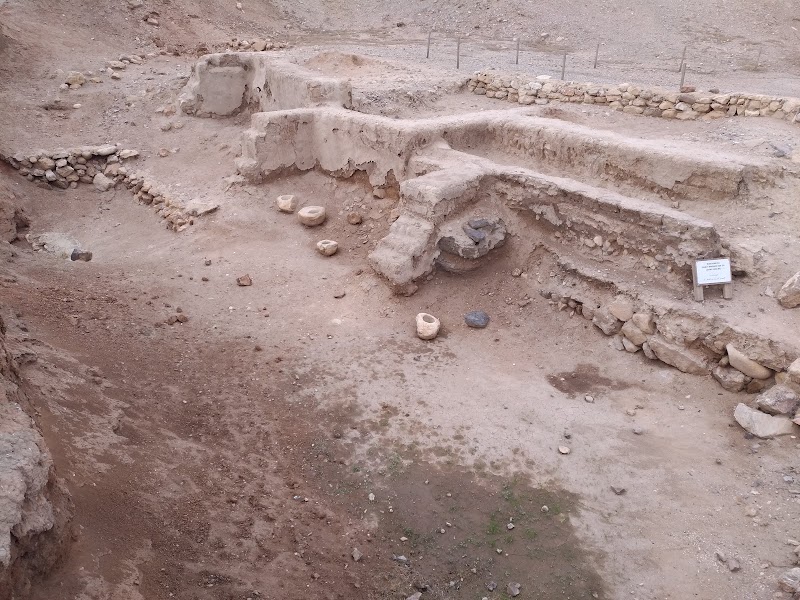
Ancient Jericho at Tell es-Sultan: History in Layers
Public reviews praise Tell es-Sultan’s immense archaeological significance, while cautioning that its excavated remains can appear modest at first glance.
Israel · Jerusalem
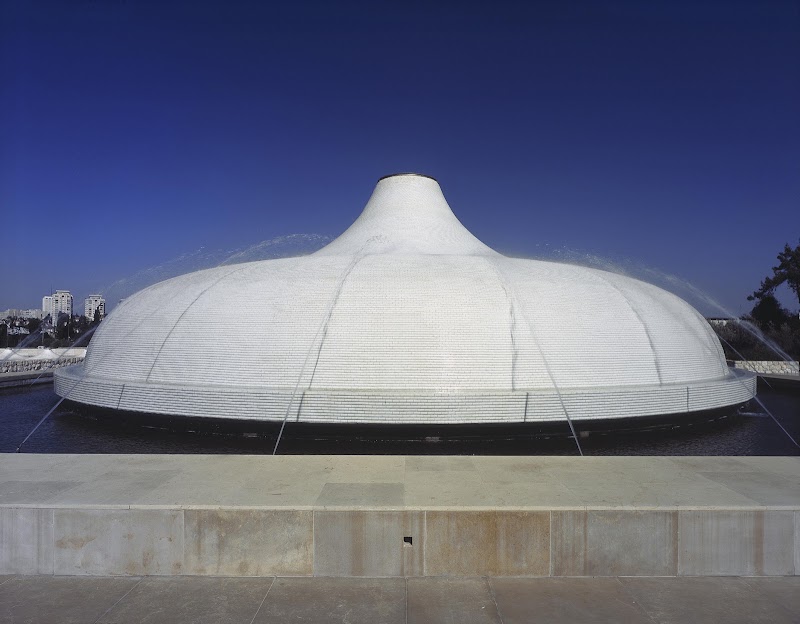
Shrine of the Book: Jerusalem’s Scrolls and Sacred Texts
Public reviews praise this Israel Museum attraction for its Dead Sea Scrolls, Isaiah exhibit, historic codex and nearby model of ancient Jerusalem.