Marshall Field and Company Building: Chicago Department-Store History
A landmarked department-store interior where architecture, retail history, dining and Chicago memories share the same address.
More photos
Photos published by travelers on Google, not AI generated.
What stands out
- 1907 Daniel Burnham building
- Seven floors to explore
- The Walnut Room
- Marshall Field and Company memorabilia
- Decorated atriums and floral displays
Worth knowing
- Can be busy during shopping periods
- Allow time for several floors
Don't miss
What comes up most in public reviews
- Visit The Walnut Room
- See the retail museum and memorabilia
- Look through the atriums
- Pick up Frango mints
- View the Tiffany stained glass examples
Worth the trip?
Why it stands out
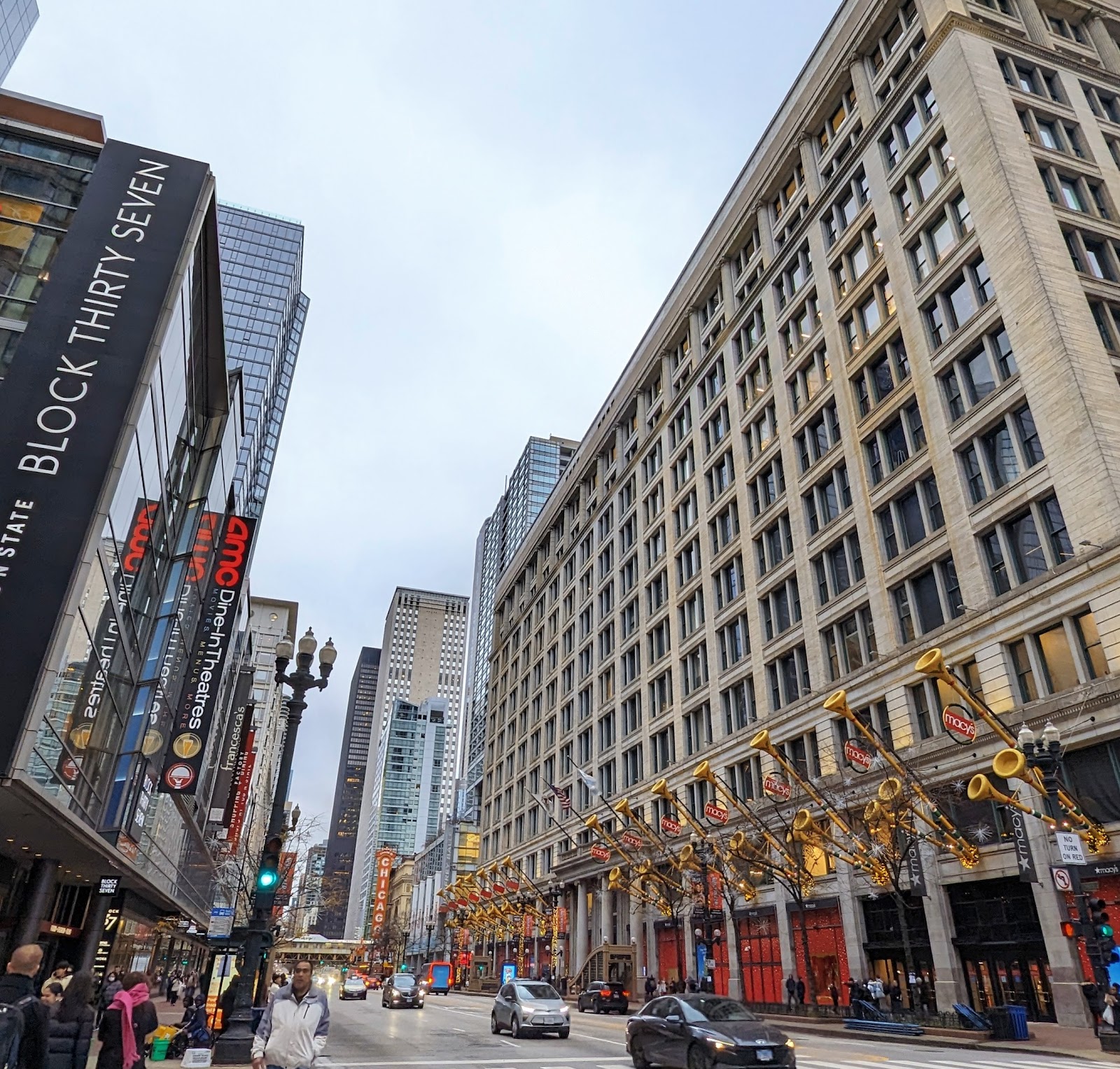
The Marshall Field and Company Building is one of the more distinctive places to visit in central Chicago. Public ratings give it 4.5 out of 5 from 3,046 reviews, with many visitors treating the building itself as the main attraction rather than simply a shopping stop.
The present structure was completed in 1907 and is associated with Chicago architect Daniel Burnham, according to visitor descriptions. That history remains visible in the scale and decoration of the former department store. Reviewers describe an old-school glamour that recalls the grand era of American retail, with ornate details spread across several floors.
It is a place to look up, slow down and explore. The building has enough layers that a quick errand can turn into a longer wander.
What visitors notice
The public reviews repeatedly point to the interiors. Floral displays receive praise, as do the building’s decorations and large atrium spaces. One reviewer mentions two atriums, while another describes the entire store as a gorgeous setting. The scale matters here. Seven floors are referenced in the reviews, along with retail areas, memorabilia and several businesses occupying the building today.
The upper floors are especially important to the visit. The Walnut Room is a recurring highlight, offering a reason to stay for lunch after looking around. Nearby, reviewers mention a retail museum with Marshall Field and Company memorabilia. Frango mints also appear in visitor accounts as a popular purchase.
The building still has a functioning retail atmosphere. Reviews describe shoppers moving through the store and note a broad mix of shops and concessions, including a bookstore, Starbucks, a wine shop and toys. The result is less like a preserved monument viewed behind glass and more like a historic setting still in use.
How to plan the stop
A half day is a sensible allowance for visitors who want to examine the architecture, browse the floors, visit the museum area and eat at The Walnut Room. Those only passing through can see less, but the reviews suggest that the building rewards unhurried exploration.
The holiday season may appeal most to visitors interested in seasonal decoration. One review specifically praises a Christmas tree and the building’s festive displays. The evidence does not establish a broader seasonal pattern, so that timing should be treated as a preference rather than a guarantee.
The building also works well as part of a downtown walking route. One review mentions an underground walkway with Tiffany stained glass examples leading toward Daley Plaza and the Picasso. That detail gives the stop added value for visitors already exploring Chicago’s central landmarks, though the review does not clarify every access condition.
Overall assessment
The Marshall Field and Company Building suits travellers who want history in an active urban setting. Its appeal comes from the combination of architecture, department-store memory and practical reasons to enter, including lunch, shopping and the museum display.
It is not presented in the reviews as a quiet museum visit. The building can be busy, especially around shopping and seasonal displays. That is part of its character. Visitors should come ready to browse, look closely at the interiors and allow extra time for the upper floors.
Plan the rest of the trip
Ask anything
Looking for somewhere else?
Keep exploring around Chicago
More from United States
United States · Detroit
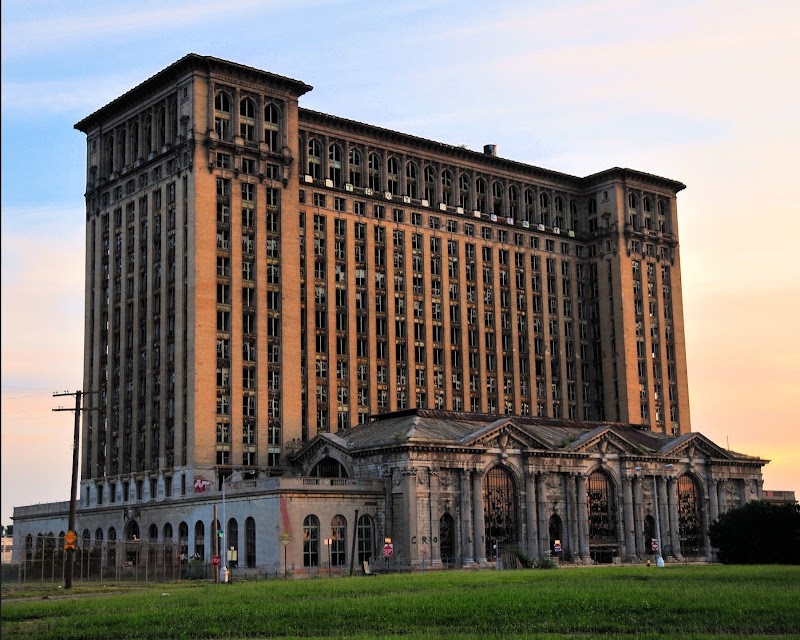
Michigan Central: Detroit’s Restored Landmark Station
A once-abandoned rail station now draws visitors for its Beaux-Arts architecture, restoration story and special events in Corktown.

United States · San Diego
Kona Kai San Diego Resort: Marina Views, Uneven Service
Public reviews praise the marina setting and bay views, while room allocation, check-in delays and deposit communication create recurring concerns.
United States · San Francisco
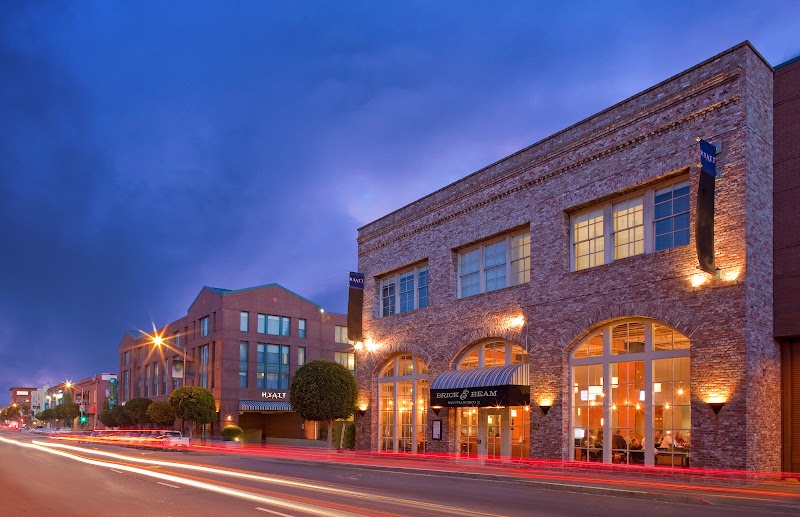
Hyatt Centric Fisherman’s Wharf San Francisco Review
Public reviews point to a well-located hotel with comfortable updated rooms, attentive staff and a few service inconsistencies.
United States · Las Vegas
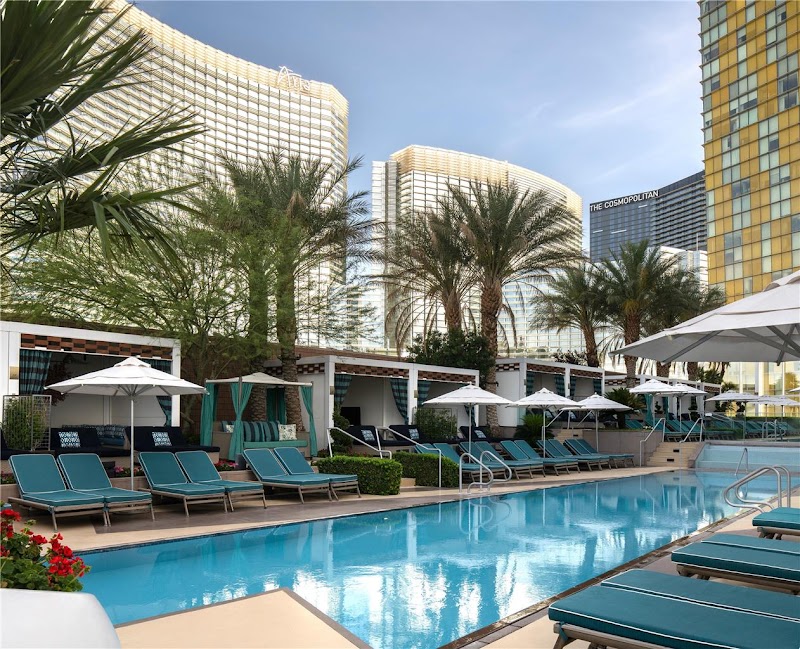
Waldorf Astoria Las Vegas: A Quieter Strip Stay
Public reviews praise its central Strip location, polished rooms and attentive staff, with the casino-free, non-smoking setting as a major draw.