Mandarin’s House: Courtyards and Late Qing History
This sprawling Macau house museum pairs atmospheric family rooms with Chinese-Western architecture and a rewarding sense of discovery.
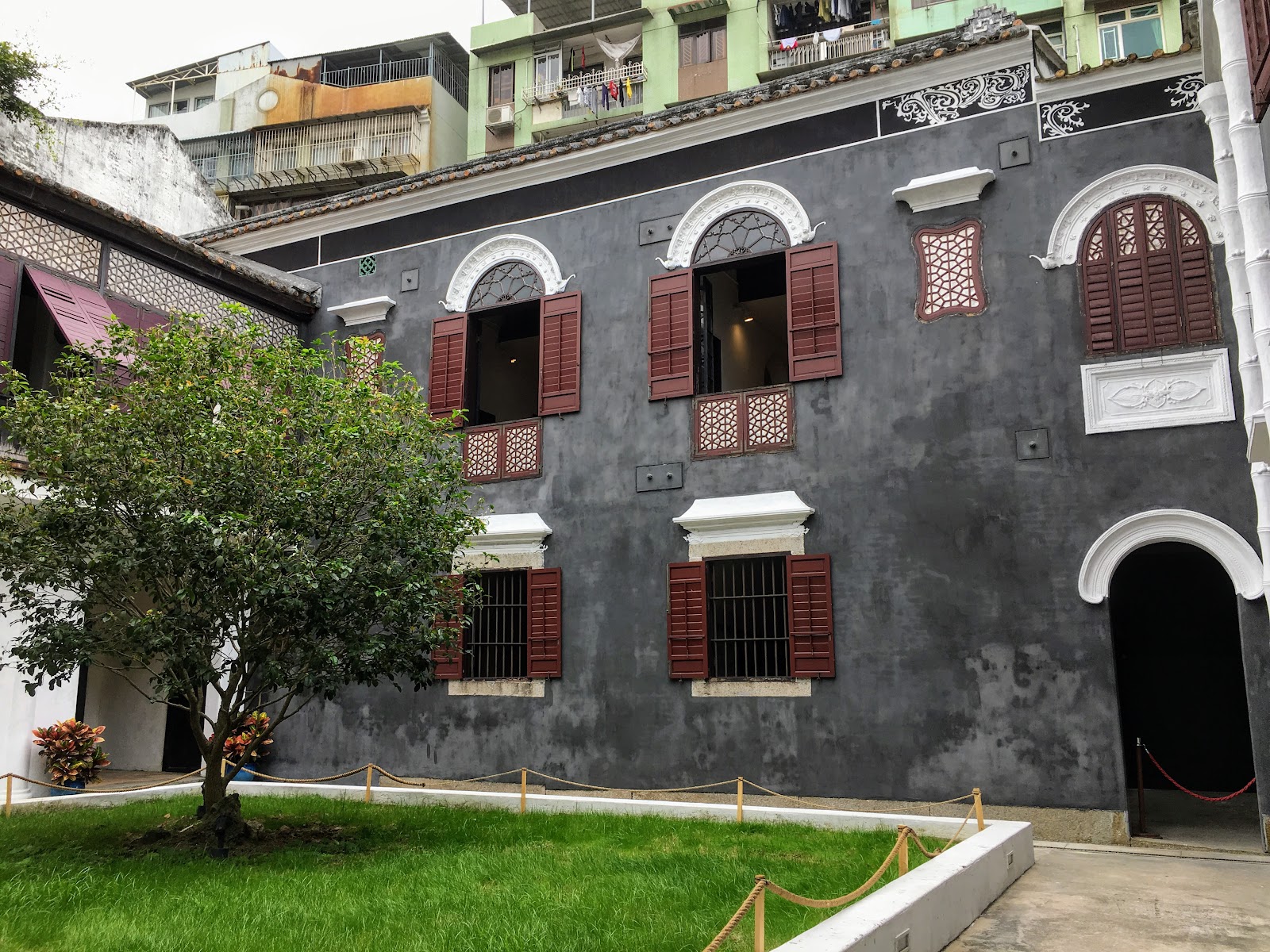
More photos
Photos published by travelers on Google, not AI generated.
What stands out
- Chinese and Western architectural details
- Atmospheric courtyards and shaded corridors
- Numerous rooms and former family spaces
- Photogenic lattice windows and halls
- Two areas for children
Worth knowing
- The large layout takes time to explore
Don't miss
What comes up most in public reviews
- Explore the internal courtyards
- Look for the lattice windows
- Walk through the former family spaces
- Ask at the counter for a stamp passport
Worth the trip?
Why it stands out
Mandarin’s House earns a Google rating of 4.4 from 1093 reviews, with public feedback repeatedly praising its scale, atmosphere and architectural detail. Rather than presenting a single grand hall, the property unfolds through courtyards, shaded corridors, lattice windows and numerous rooms. That layout gives visitors time to notice how domestic spaces were arranged and how separate parts of the residence served a large family over different periods.
Reviewers commonly describe the house as peaceful, impressive and highly photogenic. Its combination of traditional Chinese design and Western influences is the main visual draw. Elegant halls sit alongside intimate passageways and internal courtyards, creating varied backdrops without losing the feeling of a coherent family residence. The budget-friendly admission arrangements mentioned in public reviews also make it an easy addition to a day of sightseeing in Macau.
History and interpretation
The residence dates to the 19th century and is associated with the family of Zheng Guanying, an influential late Qing reformist thinker. Public reviews value the property not simply as an attractive old building, but as a window into the life of a prominent family. Several visitors highlight its former division into separate dwellings or family spaces, a detail that adds depth to the sequence of rooms.
As part of the UNESCO Historic Centre of Macau, Mandarin’s House helps illustrate the city’s long exchange between Chinese and Western cultures. The restored architecture makes that story visible through structure and decoration rather than relying only on display cases. Visitors interested in social history may find the domestic scale especially engaging, since the courtyards, halls and private rooms show how people moved through and used the complex.
What the visit feels like
The recurring impression is one of spaciousness. Reviewers call the house huge and note that there are many rooms to explore, so this is not a quick facade stop. The quieter atmosphere and shaded corridors encourage a slower circuit, while the layered courtyards create frequent pauses for architectural photographs.
Families also receive some practical support. Reviews mention two areas for children, making the attraction more suitable for mixed-age groups than its historic-house label might suggest. Another recurring detail is the passport available at the counter for collecting stamps, which adds a simple interactive element to the visit.
Editorial verdict
Mandarin’s House is best suited to travellers interested in architecture, Macau history and atmospheric interiors. Its strongest feature is the chance to wander through an extensive residence rather than view a single preserved room. The scale can require more time than expected, but that is also central to its appeal.
Based on the rating and consistent themes in public reviews, it is one of the Historic Centre’s more immersive heritage stops. Visitors should allow a few hours, look beyond the main halls and spend time tracing the relationship between courtyards, corridors and former family spaces.
Plan the rest of the trip
Ask anything
Looking for somewhere else?
Keep exploring
More from Macau

Macau
The Cotai Strip: Macau’s Neon Hotel Wonderland
The Cotai Strip brings casinos, enormous resort hotels and playful European replicas together in Macau, with the strongest atmosphere after dark.
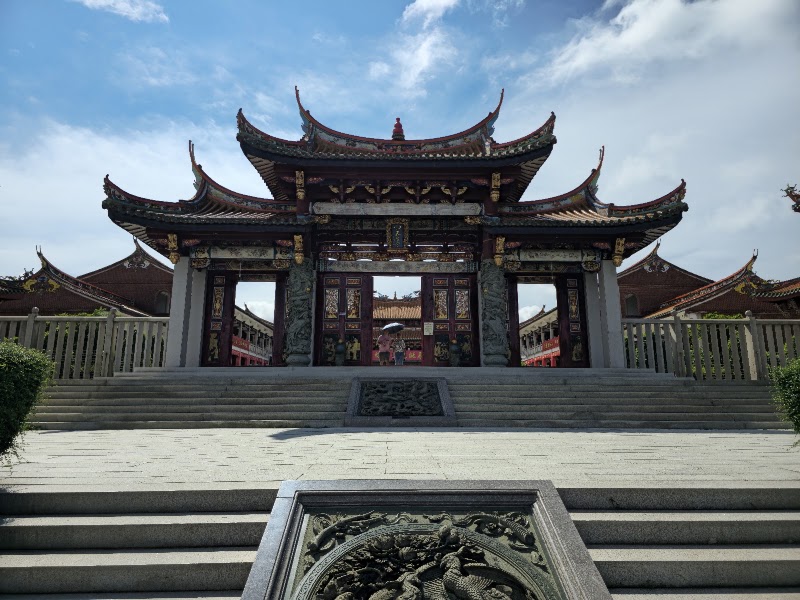
Macau
A-Ma Cultural Village: A Quiet Temple Above Coloane
This hillside temple complex combines religious significance, steep approaches and broad views over Macau’s southern landscape.
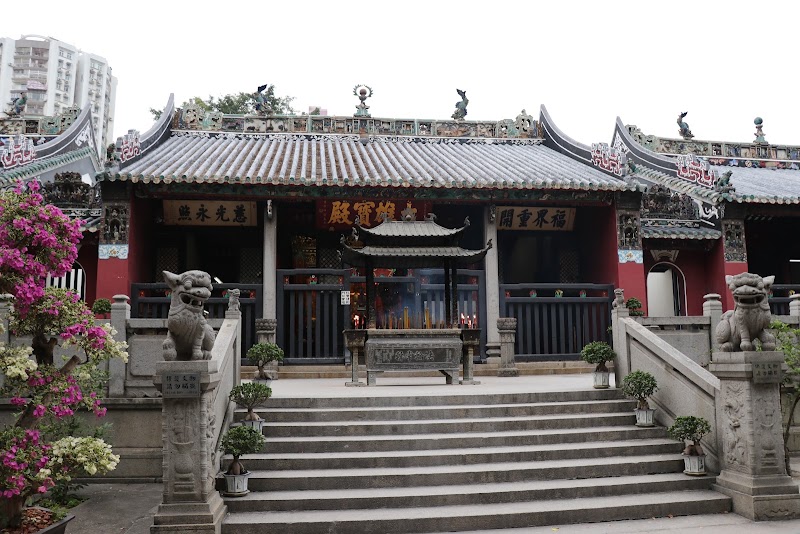
Macau
Templo de Kun Iam, a calm Macau temple with layers of history
Public reviews praise Templo de Kun Iam for its peaceful atmosphere, dense collection of statues and long-standing place in Macau’s religious history.
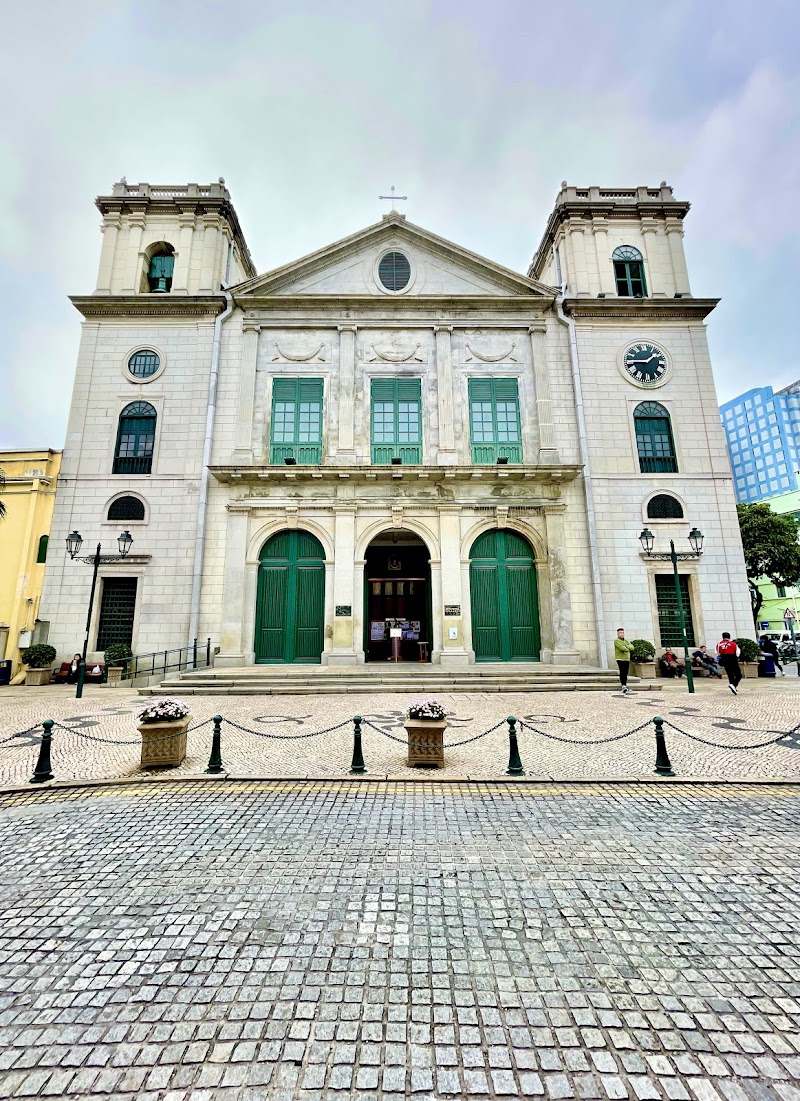
Macau
Cathedral of the Nativity of Our Lady, Macau
A peaceful cathedral near Senado Square, praised in public reviews for its ornate interior, historic character and calm atmosphere.