Manas National Park: Safaris, River Views and Wild Country
Public reviews praise Manas for its peaceful forests, varied wildlife and river scenery, while warning that sightings depend on luck.

More photos

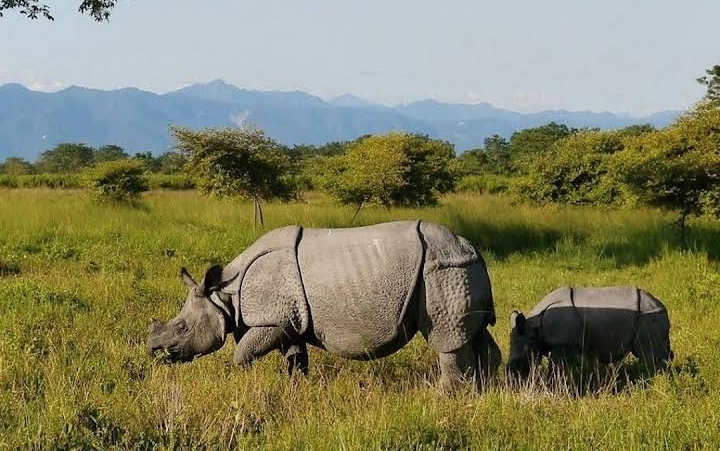
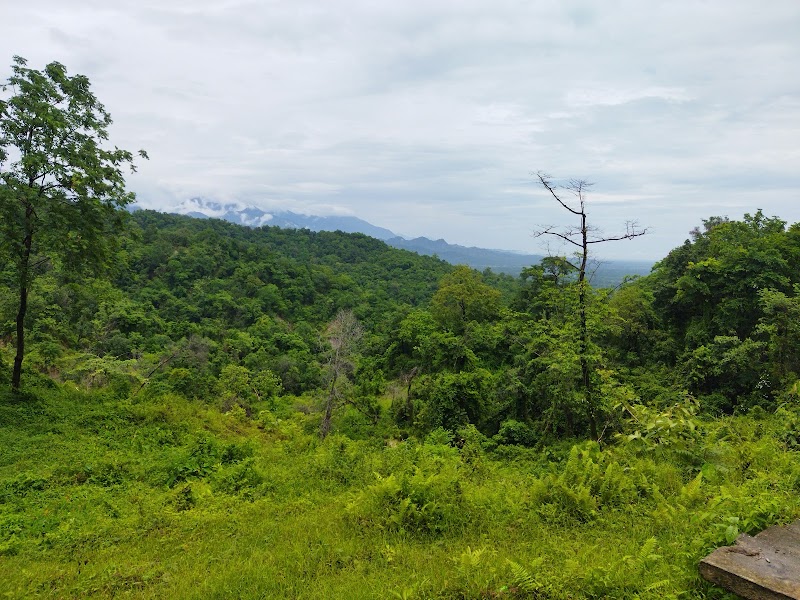
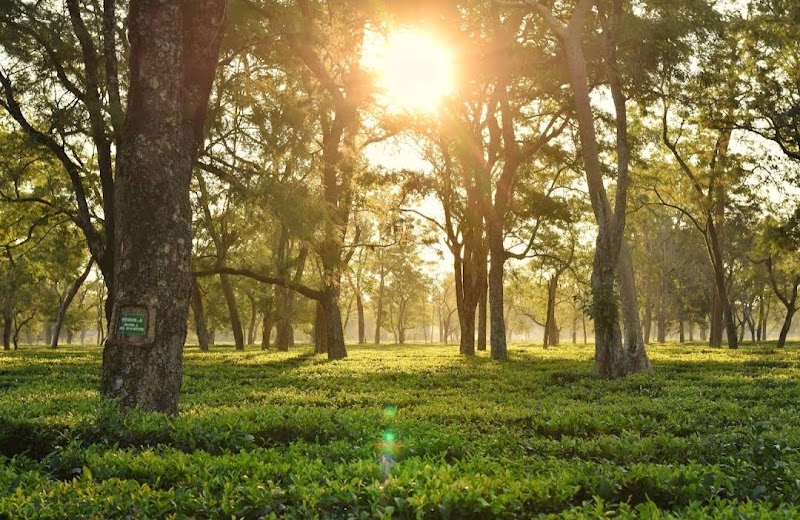
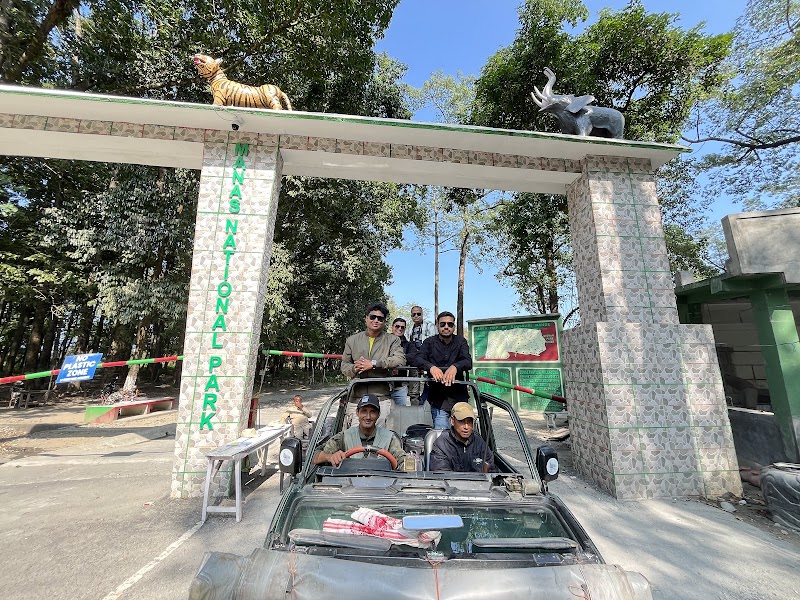
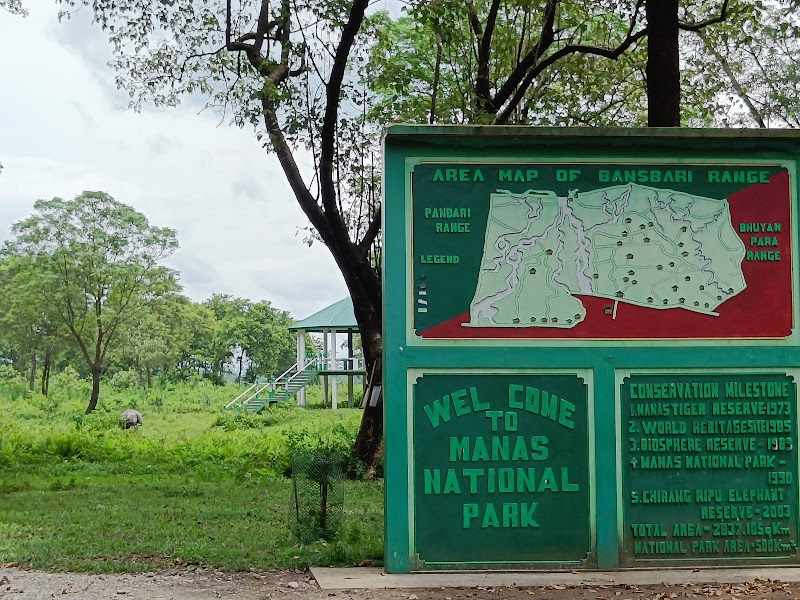
Photos published by travelers on Google, not AI generated.
What stands out
- Jeep and elephant safari experiences
- Manas and Beki river scenery
- Reported rhino and elephant sightings
- Hornbills, peacocks and other birdlife
- Forest and surrounding tea garden views
Worth knowing
- Wildlife sightings depend on luck
- Dusty safari tracks
- Rough road reported from Barpeta Road
Don't miss
What comes up most in public reviews
- Take a jeep safari
- Visit the river inside the park
- Look for one-horned rhino and Asian elephant
- Watch for hornbills and black-capped langurs
Worth the trip?
What public reviews suggest
Manas National Park has a Google rating of 4.3 from 10502 reviews. Across that feedback, visitors often praise the setting, the safaris and the variety of wildlife. The overall picture is of a quiet, scenic park where the forest, rivers and nearby tea gardens can be just as memorable as the animals.
Many reviewers call the environment peaceful and pristine. The waterways descending from the Bhutan Himalayas draw particular attention. The Beki River is mentioned in relation to the boundary toward Bhutan, while several visitors point to the beauty of the Manas River within the park. Clear, cold water gives these stretches plenty of appeal. So does the stillness, even when no wildlife appears.
Safaris and wildlife
Jeep safaris feature regularly in the reviews, which also confirm the availability of elephant safaris. What visitors see varies sharply. Some report a remarkable spread of animals: one-horned rhinoceros, Asian elephant, water buffalo, bison, barking deer and black-capped langur. Peacocks and hornbills are also mentioned, along with Malabar giant squirrels.
Sightings are not guaranteed. Other reviewers say animals can withdraw deeper into the forest, particularly as visitor numbers rise and more vehicles enter the park. Tigers and other endangered species are associated with Manas, but the public feedback is clear on one point: any specific encounter depends on luck and timing.
It is better to see the safari as more than a search for one major animal. There are forest tracks and river views, bird activity overhead, and a real sense of wild space. That can be enough to make the drive worthwhile.
Planning the visit
Crowds seem to make a difference. Reviewers suggest visiting during less busy periods and steering clear of heavy holiday traffic where possible. The safari should feel calmer, and wildlife may be more likely to remain near accessible areas. Dust is another practical issue on the tracks. One reviewer specifically advises wearing a mask during the drive.
Manas is described as a no-plastic zone. Travellers should check what they are permitted to carry into the park and leave prohibited plastic items behind. The restrictions help protect the natural environment, though they do call for some preparation before arrival.
Road access is the most direct concern in the supplied feedback. One recent visitor was sharply critical of the route from Barpeta Road to Manas, reporting potholes, broken stretches and loose gravel, as well as an exhausting drive. Conditions may change. Even so, allowing extra travel time and asking for current local advice before departure would be sensible.
Editorial verdict
Synthesised from public ratings and reviews, Manas is likely to suit nature lovers who care more about atmosphere and biodiversity than predictable sightings. Its safari options and river scenery stand out, as does the reported range of mammals and birds. There are drawbacks. Dust and crowds can affect the day, access may be difficult, and no animal encounter is assured. Visitors with flexible expectations are in the best position to enjoy what the park offers: expansive scenery, a peaceful natural setting and the chance of a memorable wildlife encounter.
Ask anything
Looking for somewhere else?
Keep exploring
More from India
India · Bokopukhuri Habi
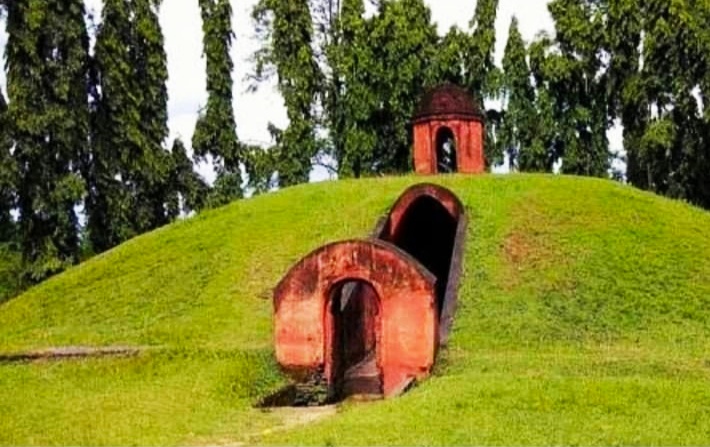
Charaideo Maidam: Assam’s Royal Burial Landscape
Ahom royal burial mounds, peaceful grounds and deep historical significance make this a compelling half-day landmark in Assam.
India · Verul
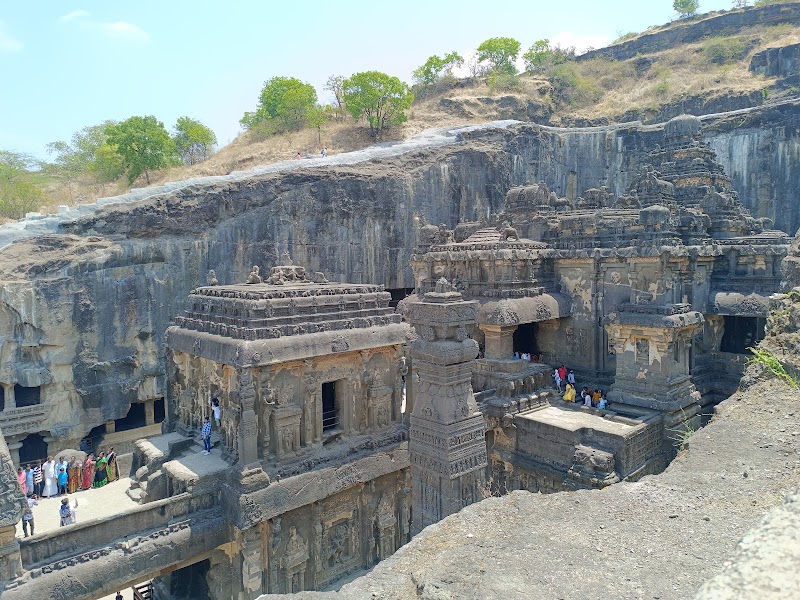
Ellora Caves: Monumental Art Carved Into Basalt
Ellora’s 34 rock-cut monuments unite Buddhist, Hindu and Jain traditions, with the vast Kailasa Temple dominating visitor impressions.

India · New Delhi
Qutb Minar: Monumental Architecture Beyond the Tower
Delhi’s soaring minaret anchors a well-kept heritage complex filled with intricate carvings, lawns and evocative medieval ruins.

India · Agra
Taj Mahal review: Agra’s defining monument
Agra’s white-marble mausoleum pairs immense historical significance with one of the strongest public rating signals in Indian tourism.