Mamshit National Park: Nabataean Ruins in the Negev
A substantial desert archaeological site known for its restored Nabataean buildings, caravan-route history and quiet camping facilities.
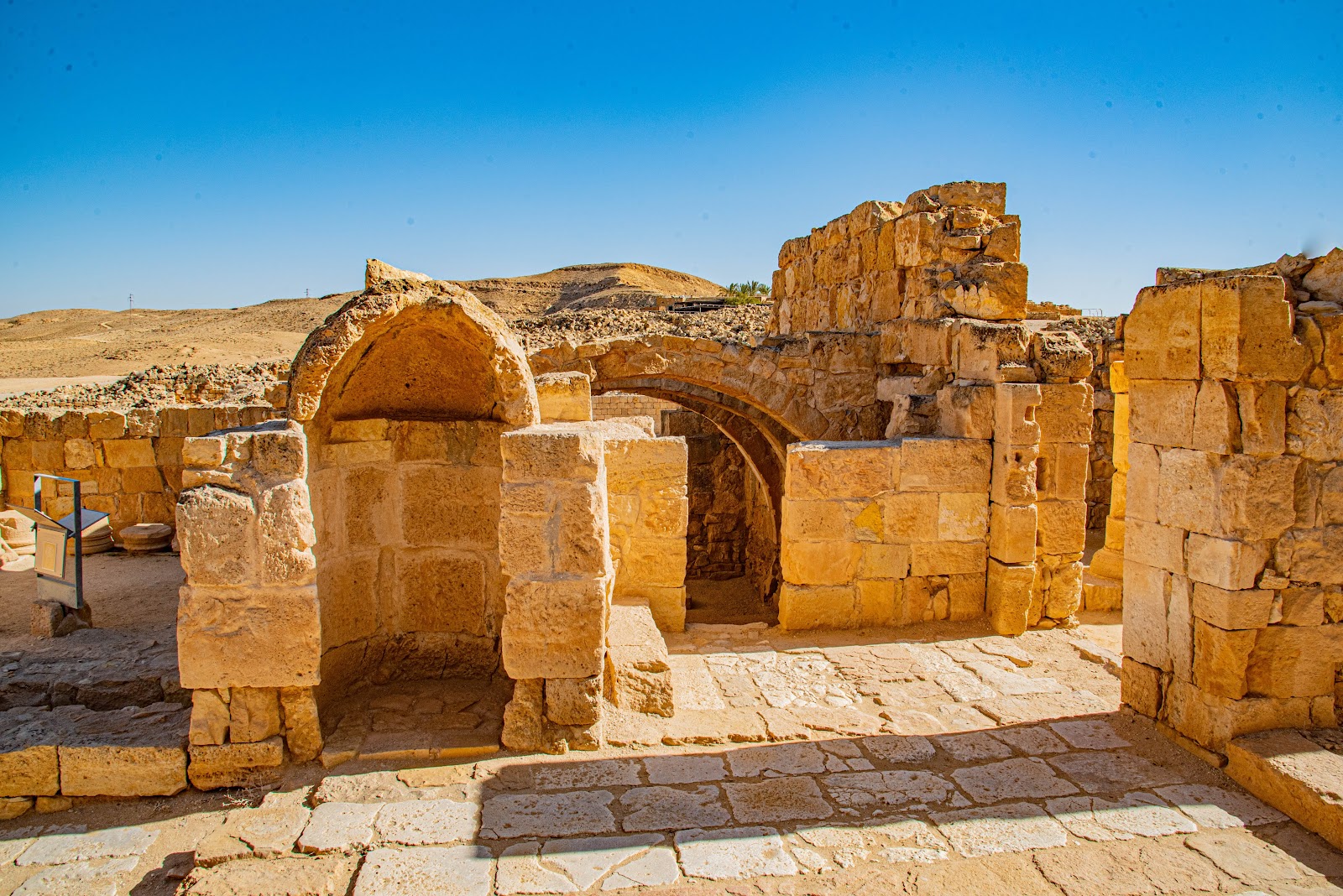
More photos
Photos published by travelers on Google, not AI generated.
What stands out
- Extensive Nabataean archaeological site
- Restored houses, arches and mosaics
- Incense Road caravan history
- Organised and quiet camping area
Worth knowing
- Remote location
- Limited explanatory signs reported
- Check Friday market details before travelling
Don't miss
What comes up most in public reviews
- Explore the ancient Nabataean city
- Walk among the restored houses and arches
- Camp beside the archaeological site
Worth the trip?
Why Mamshit stands out
Mamshit National Park earns a Google rating of 4.5 from 2179 reviews, with visitors consistently focusing on the scale and condition of its Nabataean remains. Although described as the smallest of the Negev’s Nabataean cities, it is repeatedly praised as one of the best preserved and restored.
The former settlement, also referred to by reviewers as Mampsis, served as a caravan station on the Incense Road. That trading history gives the ruins more context than a collection of isolated walls. Public reviews mention substantial houses, arches, mosaics and other architectural details that suggest Mamshit was once a prosperous desert community.
Several visitors describe the archaeological area as large and worth exploring thoroughly. The open desert setting also makes the preserved stonework particularly photogenic.
Exploring the ancient city
The main reason to visit is the walk through the Nabataean city. Reviewers recommend covering the full site rather than treating it as a brief roadside stop, since notable structures and details are spread across the ruins. Restored buildings and surviving arches receive particular praise, while mosaics are singled out among the decorative remains.
Mamshit appears to suit travellers who enjoy archaeology presented through the physical site itself. One review reports a lack of explanatory signs, so visitors seeking detailed historical interpretation may want to read about the Nabataean city and the Incense Road before arriving. Even without extensive interpretation, reviews indicate that the quality of the ruins makes the layout and former importance of the settlement relatively easy to appreciate.
One visitor especially recommends going when the Friday market is taking place. As the reviews do not establish a regular schedule, current operating details should be checked before planning a trip around it.
Camping facilities
Camping is mentioned positively in more than one review and can turn the park into more than a daytime archaeological excursion. One camper describes an organised, peaceful area where other guests remained respectful and nights were quiet. The same review praises the cleanliness of the bathroom and shower facilities, along with friendly staff.
That review also lists a communal kitchen with refrigerators, a freezer, a stove and cold water. These details are useful for campers, although facilities and access conditions can change, so confirmation before arrival remains sensible.
Is Mamshit worth the detour?
The remote location is the clearest drawback. One reviewer notes that Mamshit is far from central areas and suggests this contributes to lower visitor numbers. For travellers already exploring Dimona or the Negev, however, the distance may be balanced by the breadth of the ruins and the quieter atmosphere.
The strongest consensus is that Mamshit rewards unhurried exploration. It is best suited to archaeology enthusiasts, desert road-trippers, photographers and campers rather than visitors looking for a quick urban attraction. Allowing half a day provides time to walk through the ancient city, inspect the architecture and absorb its desert setting without rushing.
Plan the rest of the trip
Ask anything
Looking for somewhere else?
Keep exploring around Dimona
More from Israel
Israel · Jerusalem
Mount Zion, Jerusalem’s Layered Historic Quarter
Public reviews describe Mount Zion as a meaningful historic stop with strong views, religious significance and practical considerations for visitors on foot.
Israel · Tel Aviv-Yafo
Wishing Bridge: A Sea View and a Small Jaffa Ritual
This wooden bridge in Old Jaffa pairs zodiac plaques, a simple wishing ritual and open views towards the Mediterranean.
Israel · Jerusalem
Dome of the Rock: A Landmark That Demands Careful Planning
Jerusalem’s golden-domed sanctuary draws strong praise for its artistry and history, but access, photography and conduct rules require close attention.
Israel · Jerusalem
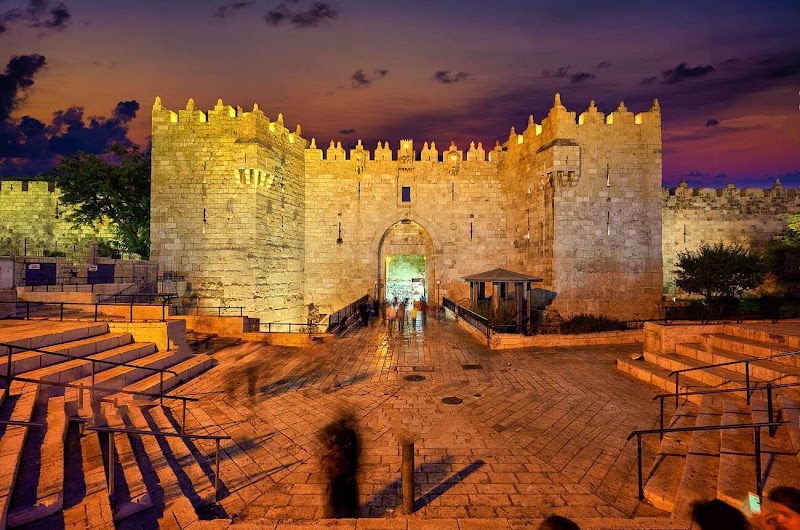
Damascus Gate: Jerusalem’s Lively Old City Entrance
Damascus Gate is a memorable starting point for exploring Jerusalem’s Old City, with stone streets, local shops, food stalls and views by the Muslim Quarter.