Malay Heritage Centre: Singapore’s Malay story
A compact museum in a former palace, praised for clear displays that place Malay culture, history and contributions within Singapore’s wider story.

More photos

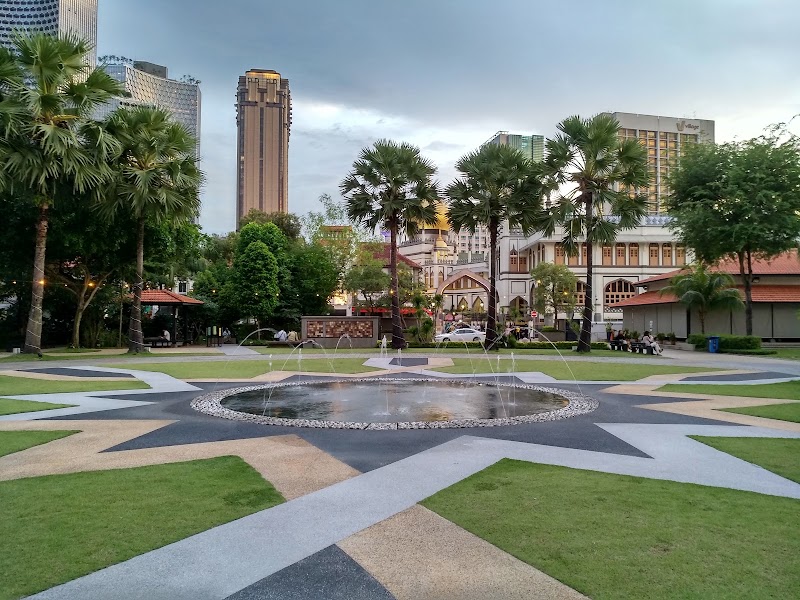


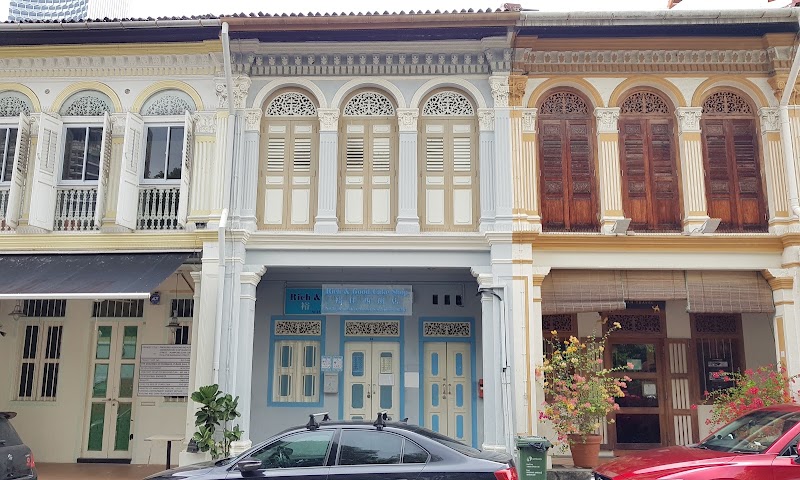
Photos published by travelers on Google, not AI generated.
What stands out
- Malay perspectives on Singapore’s history
- Former Istana Kampong Gelam setting
- Clear, well-organised displays
- Malay arts and cultural traditions
- Compact two-level layout
Worth knowing
- Compact museum, often covered in about an hour
- Some post-renovation feedback finds content still developing
- Confirm current access after the reported restoration period
Don't miss
What comes up most in public reviews
- Wayang shadow-puppet display
- Sultan family belongings and lifestyle exhibits
- Both levels of the former palace
- Displays on Malay contributions to Singapore
Worth the trip?
Why it stands out
Public feedback presents the Malay Heritage Centre as a small but meaningful counterpoint to broader accounts of Singapore’s past. It holds a Google rating of 4.3 from 1769 reviews, with visitors particularly valuing the focus on Malay history, culture and contributions to the country’s multicultural identity.
Several reviewers describe the experience as more than another museum stop. Its appeal comes from perspective: the displays introduce stories that visitors may not encounter in general Singapore history museums. The former Istana Kampong Gelam setting adds another layer, connecting the exhibition to the area’s royal and community history rather than placing it in a neutral gallery building.
Exhibitions and storytelling
Reviews consistently praise the organisation of the displays. Sections are described as easy to follow, with contextual information that helps visitors move from historical material into arts and cultural traditions without losing the narrative thread. That clarity makes the centre approachable for travellers with limited prior knowledge of Singapore’s Malay communities.
The exhibits cover community history alongside the lives and possessions associated with the sultan’s family. One reviewer singles out the wayang display, focused on shadow puppetry, as a particularly memorable cultural element. Across the feedback, the strongest impression is of a museum that uses objects and interpretation to connect political, social and artistic history.
Public comments dated April and May 2026 describe a refreshed space following a long restoration. These reviewers praise the appearance of the renovated centre and the renewed sense of activity around it. One early visitor, however, felt that the content still seemed to be developing, suggesting that the physical renewal may be stronger than the depth of every exhibition section.
Scale and pace
This is a compact attraction rather than a half-day museum. A review notes that both levels can be covered in about an hour, while others describe smooth movement between clearly arranged sections. That scale suits travellers combining the centre with a wider exploration of Kampong Gelam.
The short format is part of the appeal, particularly for families, cultural travellers and first-time visitors seeking a focused introduction. Those expecting extensive collections or several hours of detailed interpretation may find it modest. The experience appears strongest when treated as a concise historical foundation for understanding the surrounding district.
Editorial verdict
Synthesised public reviews point to a well-presented and worthwhile cultural stop, distinguished by its setting and subject matter. The former palace, accessible storytelling and emphasis on Malay contributions give it clear relevance within Singapore’s museum landscape.
Its limited size and some early post-restoration comments about developing content temper expectations. Even so, the centre appears to reward an attentive hour, especially when paired with time in Kampong Gelam. Travellers planning around the reported restoration and reopening period should confirm current access and exhibition arrangements before visiting.
Ask anything
Looking for somewhere else?
Keep exploring around Singapore
More from Singapore
Singapore · Singapore
Indian Heritage Centre: Little India’s cultural museum
A thoughtfully curated, multi-floor museum tracing the history and cultural contributions of Indian communities in Singapore and Southeast Asia.
Singapore · Singapore
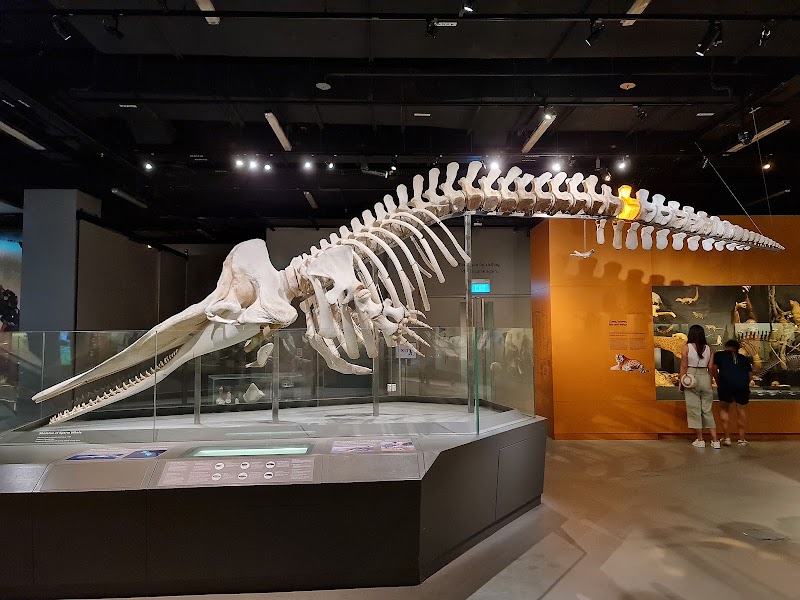
Lee Kong Chian Natural History Museum review
Real dinosaur fossils and Southeast Asian wildlife specimens make this NUS museum a strong choice for curious families and natural history fans.
Singapore · Singapore
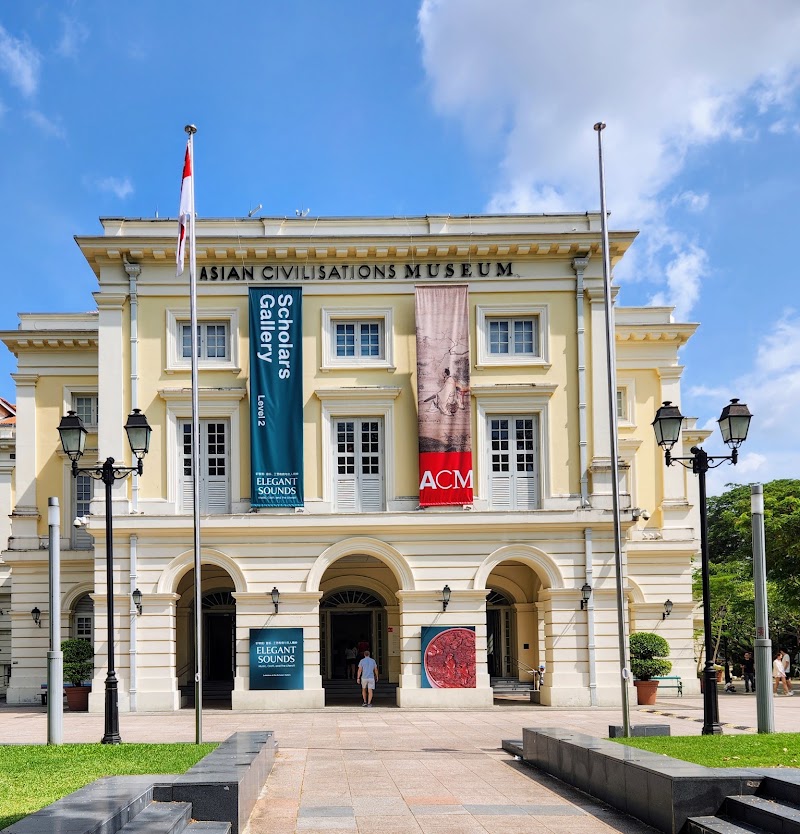
Asian Civilisations Museum: A Deep Survey of Asian Cultures
Extensive collections, thoughtful displays and occasional interactive exhibitions make this riverside museum worthy of a full afternoon.
Singapore · Singapore
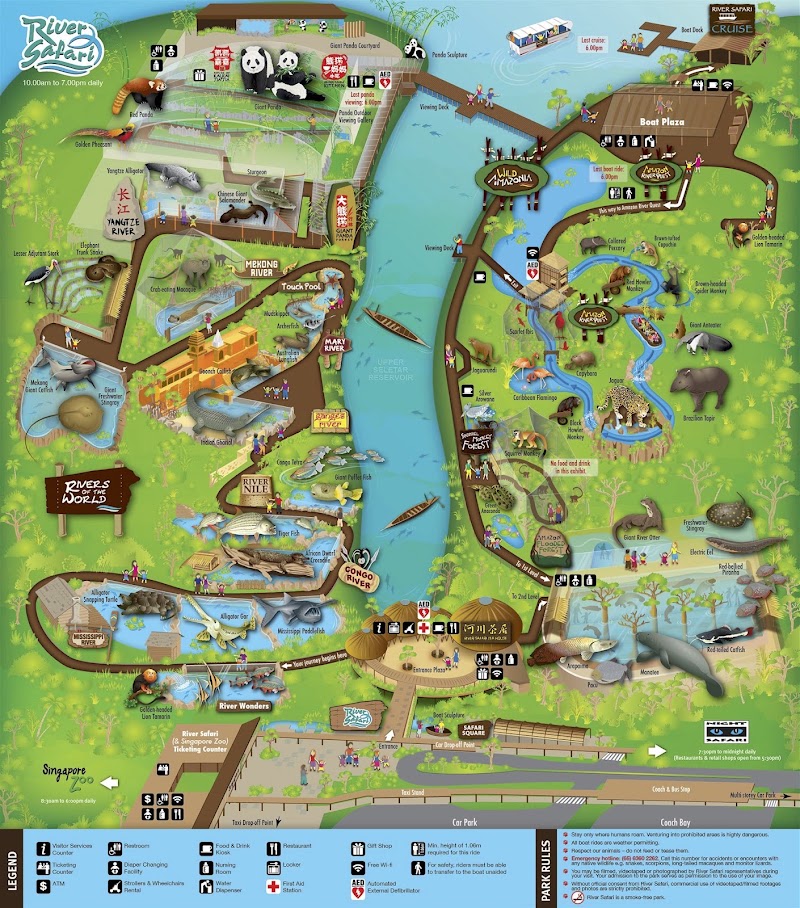
River Wonders: Pandas and the World’s Great Rivers
Singapore’s river-themed wildlife park pairs giant pandas and freshwater species with sheltered, educational exhibits.