Macao Museum brings the city’s layered past into focus
Wide-ranging displays, English interpretation and atmospheric reconstructions make this a useful introduction to Macao’s cultural evolution.

More photos

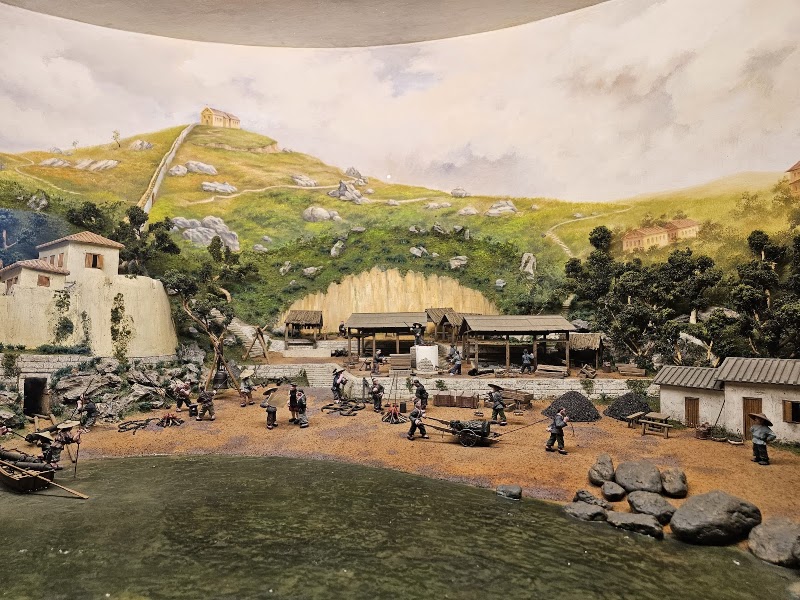
Photos published by travelers on Google, not AI generated.
What stands out
- English-language exhibit descriptions
- Immersive historical displays
- Chinese and Portuguese cultural history
- Antiques, machinery and old cannons
- Rooftop garden or terrace
Worth knowing
- Admission reports vary between reviews
- Information-rich galleries can feel dense
Don't miss
What comes up most in public reviews
- Visit the garden or terrace at the top
- Examine the historic cannons
- See the 16th-century objects and machinery
- Follow the displays on Christianity in East Asia
Worth the trip?
A clear introduction to Macao
Macao Museum earns a Google rating of 4.3 from 707 reviews, with visitors repeatedly praising how clearly it explains the city’s history, culture and traditions. Rather than concentrating on a single era, the displays trace changes from old Macao through to its more modern identity. Reviewers particularly value the attention given to the meeting of Chinese and Portuguese influences, which helps place the city’s architecture, customs and religious history in context.
This breadth makes the museum a sensible early stop in a Macao itinerary. Travellers often describe leaving with a better understanding of how local life developed and how much the city has changed. Some find the museum relatively compact, while others regard it as large, but the shared view is that it contains plenty to absorb.
Exhibits and interpretation
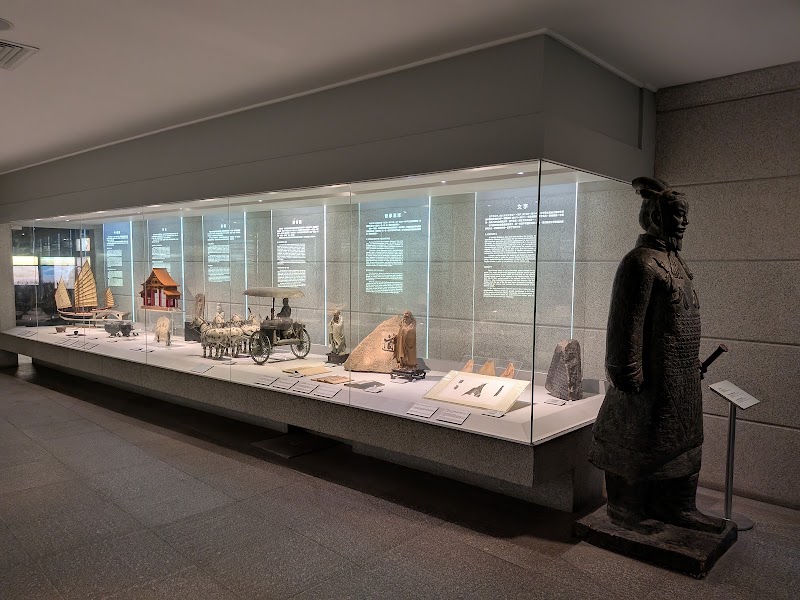
Public reviews consistently highlight the accessible interpretation. Descriptions are available in English throughout the museum, according to several visitors, making the historical narrative easy to follow for international travellers. The galleries cover everyday life as well as major historical developments, with cultural traditions, antiques and machinery all mentioned positively.
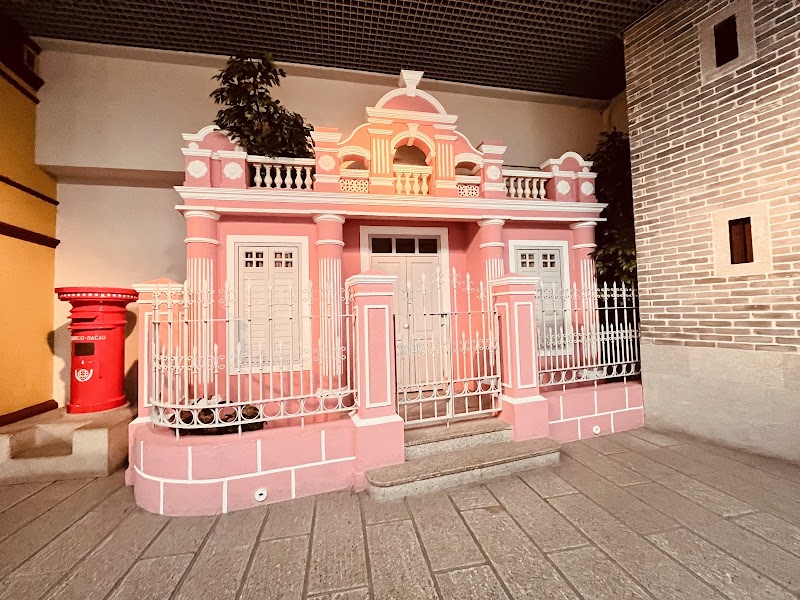
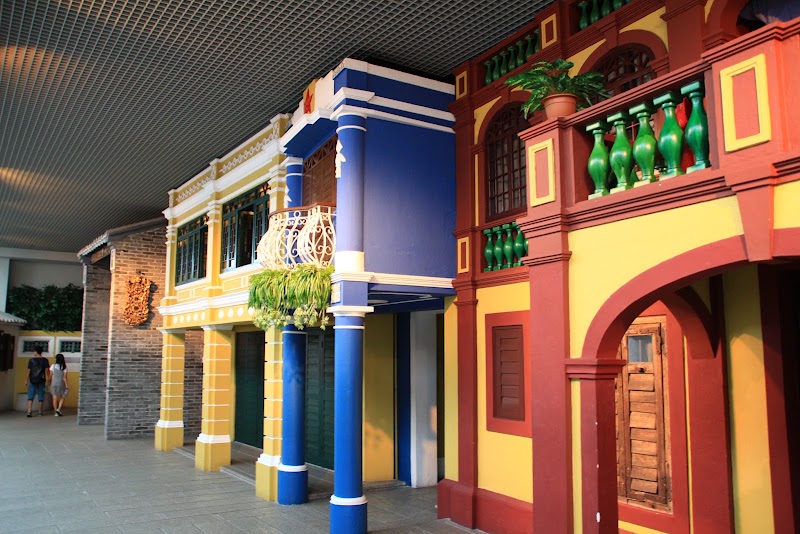
Atmospheric displays and immersive decorative settings add variety. Reviewers say these reconstructions help evoke earlier periods rather than presenting the collection only through static objects and text panels. Specific items noted in feedback include old cannons linked to Portuguese and Qing-era history, objects dating back to the 16th century, and material tracing the development of Christianity in East Asia from the 1500s to the 1900s.
The combination of objects, written explanations and recreated scenes appears to be the museum’s strongest feature. It works for travellers seeking a structured historical overview without requiring extensive prior knowledge.
Visitor experience
The museum is commonly described as clean, spacious and thoughtfully designed. Even reviews that call it small tend to qualify that assessment by praising the quality and range of the collection. Those who enjoy reading labels and examining historical objects should allow more time than a quick walkthrough, as the volume of information can make a rushed visit less rewarding.
Admission details are less consistent across the sampled reviews. Some visitors mention paying for entry and buying tickets on arrival, while another reports free admission. Current arrangements should therefore be checked before visiting rather than inferred from older accounts.
Finish at the top
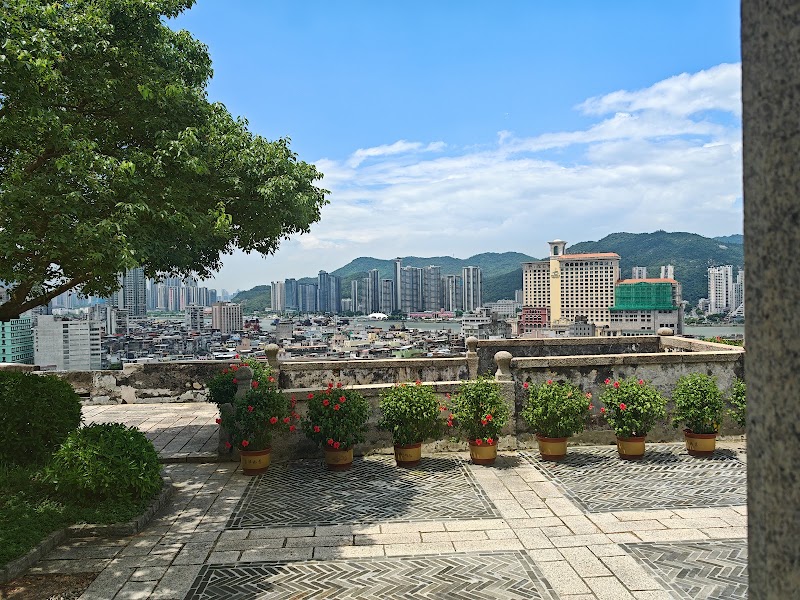
Several reviewers recommend continuing to the upper level after the galleries. A garden or terrace at the top provides a pleasant endpoint and a change of pace after the information-heavy exhibitions. It is easy to overlook if attention remains fixed on the indoor displays.
Overall, Macao Museum appears best suited to culturally curious visitors who want context for the city beyond its most photographed sights. Its approachable English-language interpretation, broad historical scope and atmospheric presentation give it strong value as a half-day cultural stop.
Ask anything
Looking for somewhere else?
Keep exploring
More from Macao
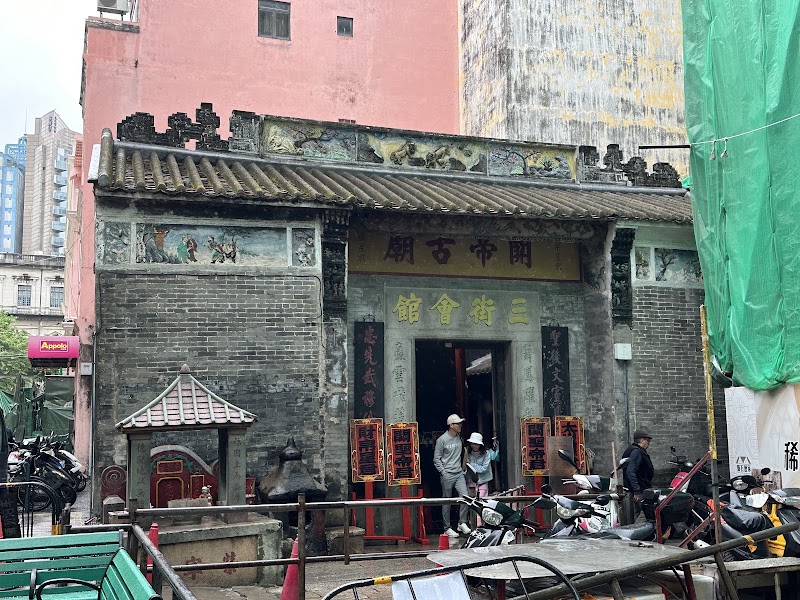
Macao
Sam Kai Vui Kun: a quiet temple near Senado Square
This compact 18th-century temple offers traditional decoration, living worship and a calm counterpoint to central Macau’s busy streets.
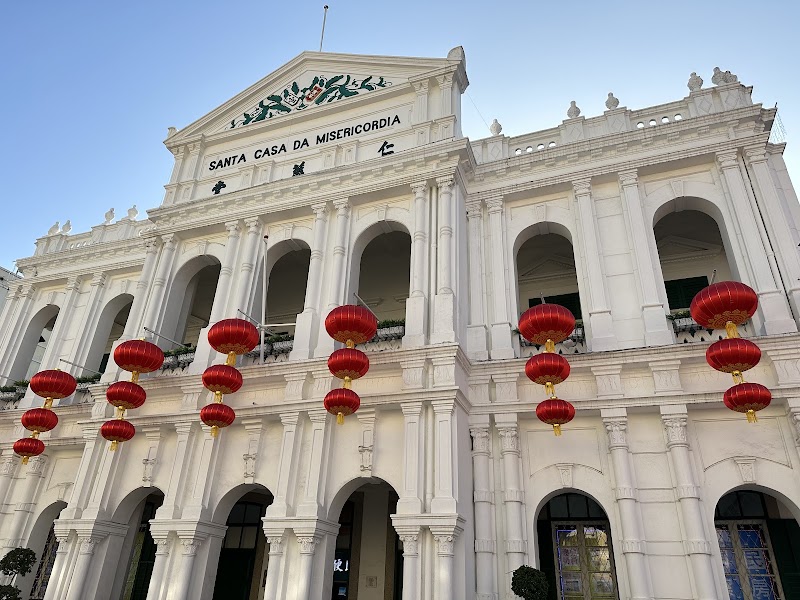
Macao
Holy House of Mercy: Macau’s Compact Heritage Museum
An elegant Senado Square landmark with a small museum tracing more than four centuries of charitable and Catholic history.
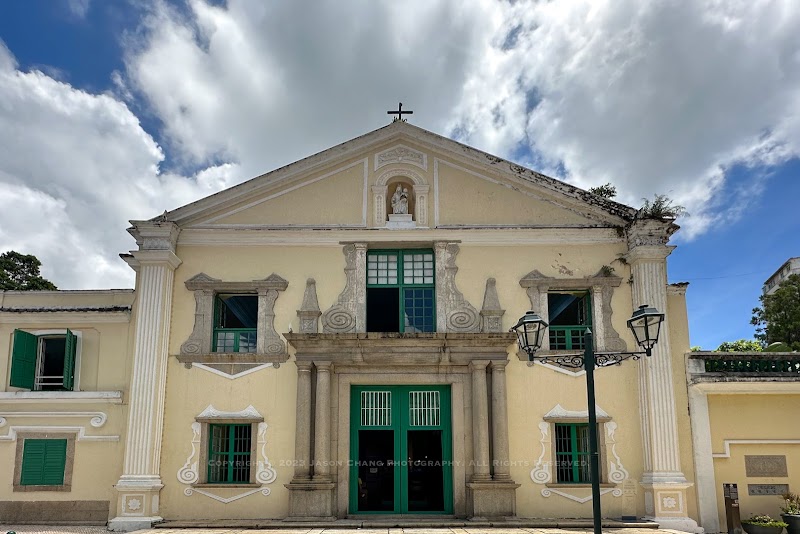
Macao
St. Augustine’s Church: A Serene Stop in Macau
A restrained exterior opens onto a striking Catholic interior, offering a quieter pause within walking distance of Senado Square.
Macao
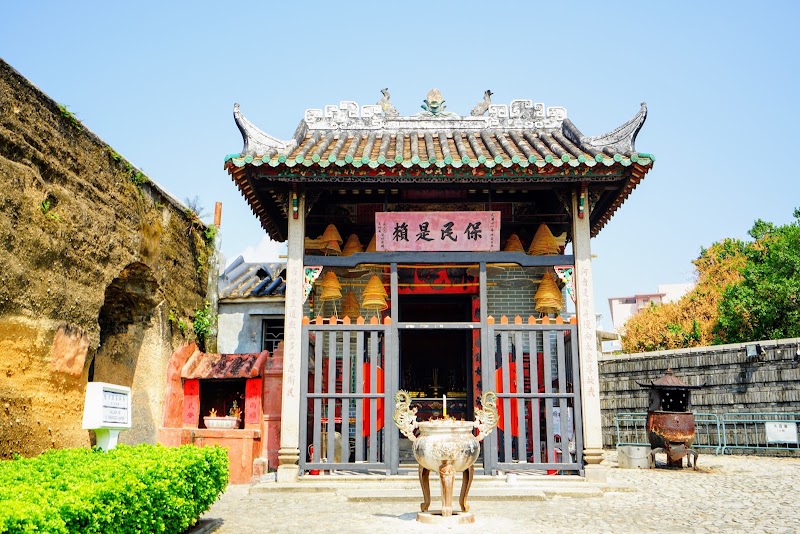
Na Tcha Temple: a peaceful stop beside St Paul’s
This compact historic temple adds Chinese religious heritage and a reflective pause to a visit around Macau’s Ruins of St Paul’s.