Linnaeus’ Hammarby: Botany and history beyond Uppsala
Carl Linnaeus’ former summer residence combines preserved interiors, historic gardens and countryside walks outside central Uppsala.
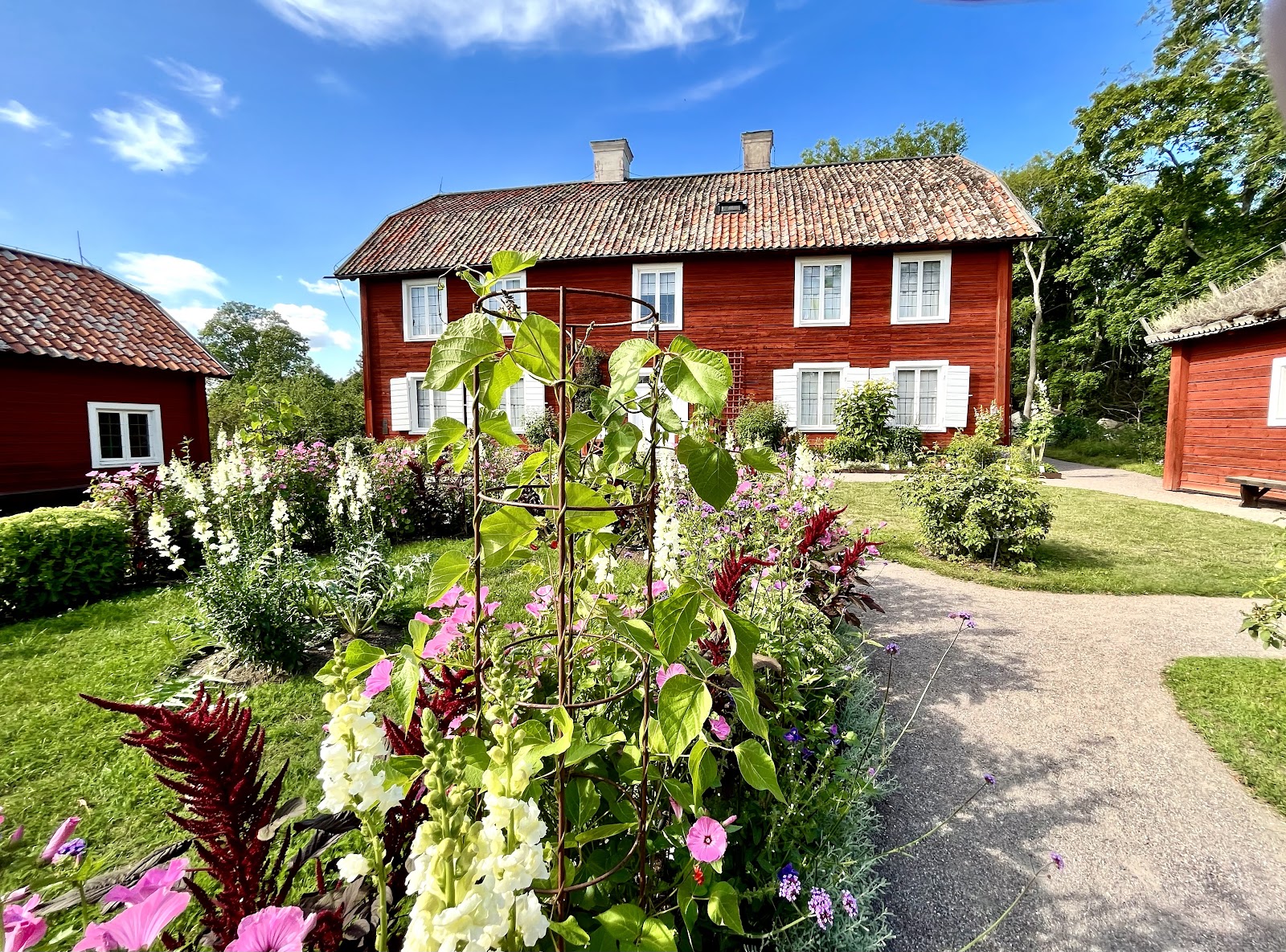
More photos
Photos published by travelers on Google, not AI generated.
What stands out
- Preserved 18th-century house and gardens
- Guided tour about Linnaeus’ life and work
- Café seating among apple and pear trees
- Walks through the surrounding cultural reserve
Worth knowing
- Requires bus, car or bicycle from central Uppsala
- Early spring may have few plants in bloom
- House admission drew mixed views on value
Don't miss
What comes up most in public reviews
- The preserved summer residence
- A guided tour of the house
- The historic gardens and park
- A walk in the cultural reserve
Worth the trip?
Why visit
Linnaeus’ Hammarby offers a fuller picture of Carl Linnaeus than a garden visit alone. His former summer residence preserves 18th-century buildings alongside cultivated grounds, parkland and a wider cultural reserve. Public feedback frequently highlights the atmosphere and the chance to connect Linnaeus’ domestic life with his botanical work.
The landmark holds a Google rating of 4.4 from 772 reviews. Positive accounts repeatedly describe the estate as beautiful, fascinating and worth the journey from Uppsala. Several visitors distinguish it from the city’s botanical attractions: here, the house, gardens and surrounding rural landscape create a more complete historical setting.
House, gardens and guided visits
The preserved house is the main historical draw. Reviewers interested in Linnaeus’ life and work often consider a guided tour the strongest part of the visit, citing the additional context provided inside the summer residence. One public review reports that English-language tours could be booked online and were offered once daily at 12.30, though current times and availability should be checked directly before travelling.
The gardens are most rewarding when plants are actively growing and flowering. An early-spring visitor enjoyed the walk but found that little had blossomed, recommending late spring or summer instead. That seasonal difference matters at a site where the planting and landscape are central to the experience.
A café with seating among apple and pear trees also receives warm mentions. It contributes to the relaxed country-estate atmosphere and makes it easier to turn the visit into an unhurried half-day rather than a quick museum stop.
Beyond the admission area
The surrounding cultural reserve broadens the appeal. Reviews describe it as suitable for a pleasant walk or a little hiking, with countryside that can be explored even by travellers who are less interested in entering the house and formal garden. Public feedback indicates that this outer landscape is free to visit, but access arrangements should be confirmed before departure.
Some visitors also report reciprocal entry with the Linnaeus Garden in central Uppsala, praising the combined ticket as good value. Because ticket conditions can change, travellers planning both attractions should verify the current policy rather than assume admission is linked.
Practical verdict
The estate sits outside central Uppsala, so reaching it requires more planning than visiting the city gardens. Reviews point to bus, car or bicycle as the practical options and note that the rural journey is pleasant. It is not presented as an easy walk from the centre.
Value attracts mixed opinions. While some reviewers consider combined access to Linnaeus-related sites worthwhile, one strongly critical account judged entry to the house overpriced. Visitors primarily interested in scenery may therefore prefer to focus on the reserve, while history and botany enthusiasts are more likely to appreciate the paid experience, particularly with a guided tour.
Overall, Linnaeus’ Hammarby is best treated as a half-day countryside excursion. Late spring and summer offer the strongest combination of flowering gardens, outdoor seating and walking, while the preserved interiors provide substance beyond the seasonal displays.
Plan the rest of the trip
Ask anything
Looking for somewhere else?
Keep exploring around Uppsala
More from Sweden
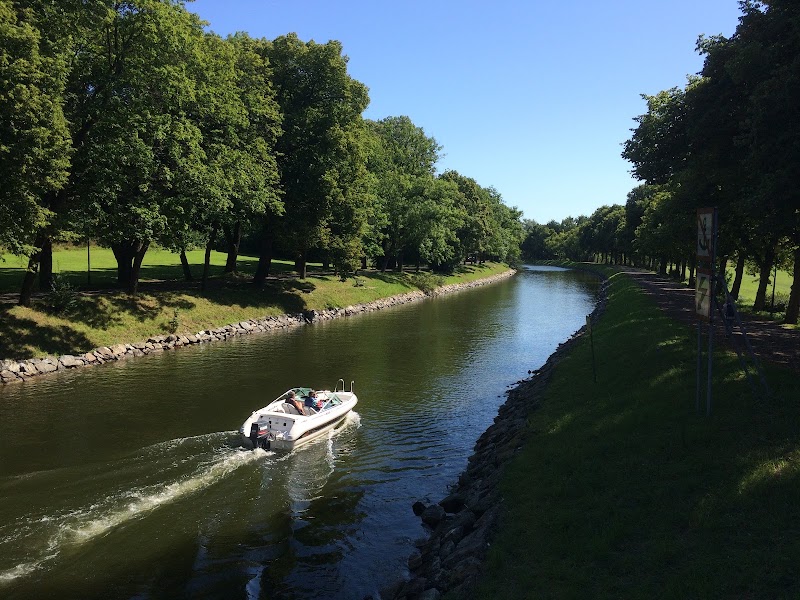
Sweden · Stockholm
Royal Djurgården: Stockholm’s Green Waterfront Escape
Royal Djurgården brings woodland, waterways, wildlife and walking paths close to central Stockholm, making it an easy nature break in the city.
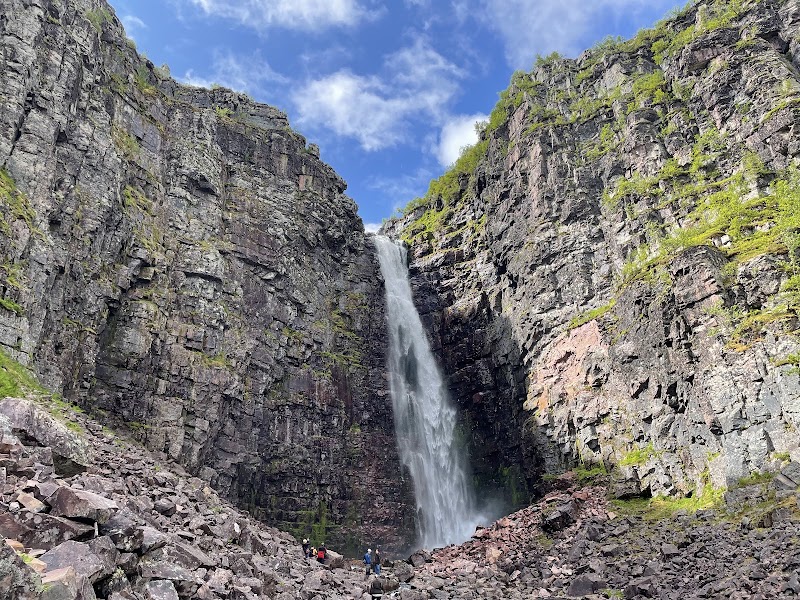
Sweden · Särna
Njupeskär Waterfall: Sweden’s Big View on an Easy Trail
A well-maintained walk in Fulufjället National Park leads to Sweden’s highest waterfall, with routes for gentle outings and more demanding hikes.
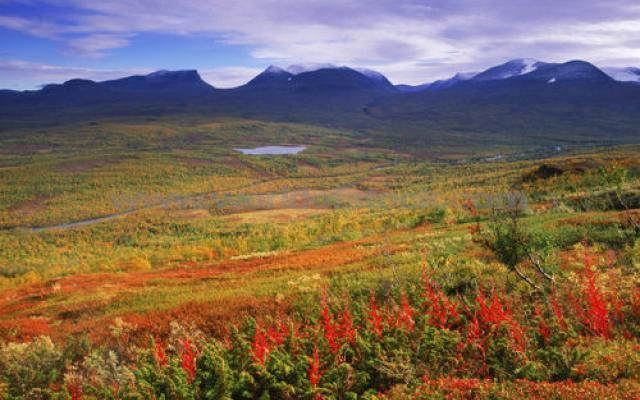
Sweden
Abisko National Park: Arctic Landscapes and Quiet Trails
Public reviews praise Abisko National Park for its peaceful wilderness, accessible river walks and striking winter scenery.
Sweden · Stockholm
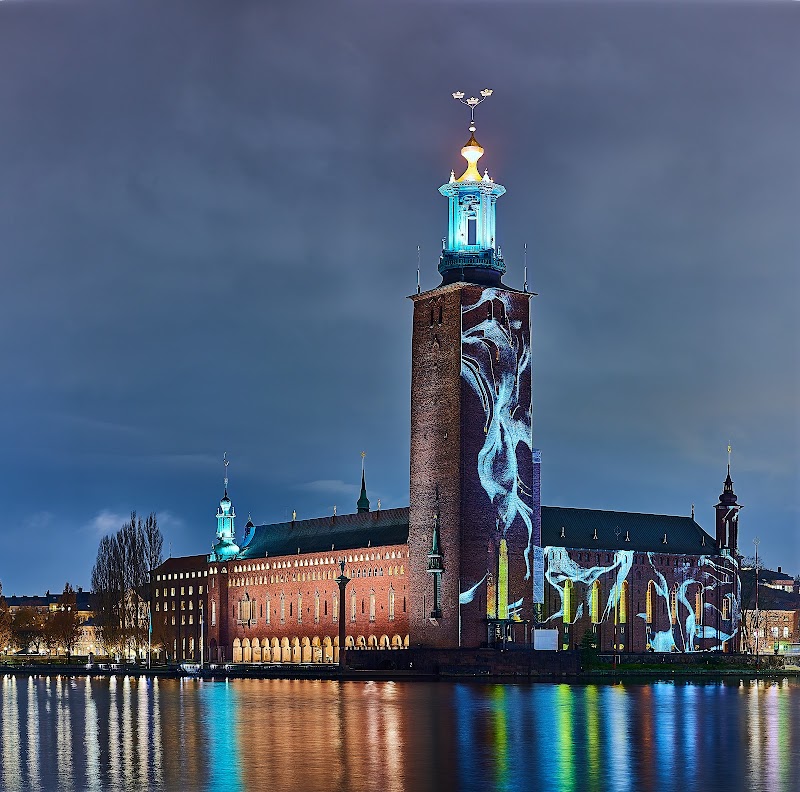
Stockholm City Hall: Grand Architecture, Guided by Local Insight
Stockholm City Hall earns strong public reviews for its architecture, guided tours and memorable Nobel Banquet spaces.