Lilau Square: A Quiet Corner of Historic Macau
A compact square beside Mandarin’s House, Lilau pairs Portuguese-era streetscapes with a spring, fountain and village-like calm.
More photos


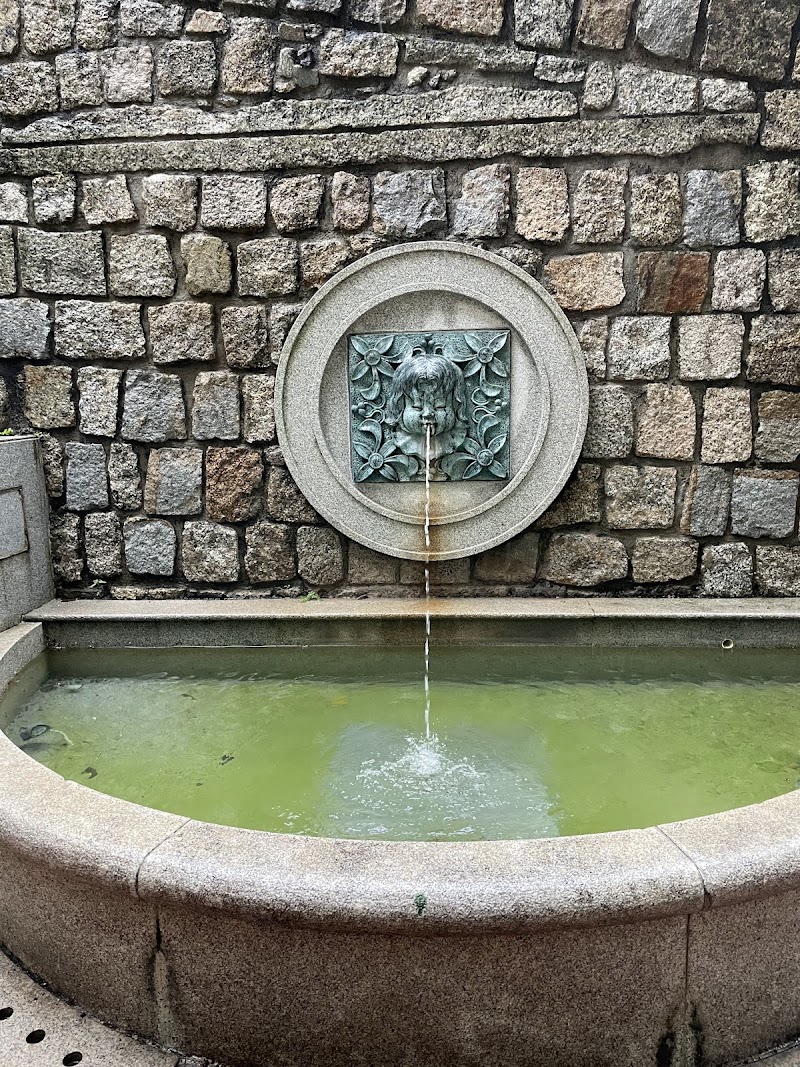
Photos published by travelers on Google, not AI generated.
What stands out
- Quiet, village-like atmosphere
- Historic freshwater spring and fountain
- Portuguese and Chinese architectural mix
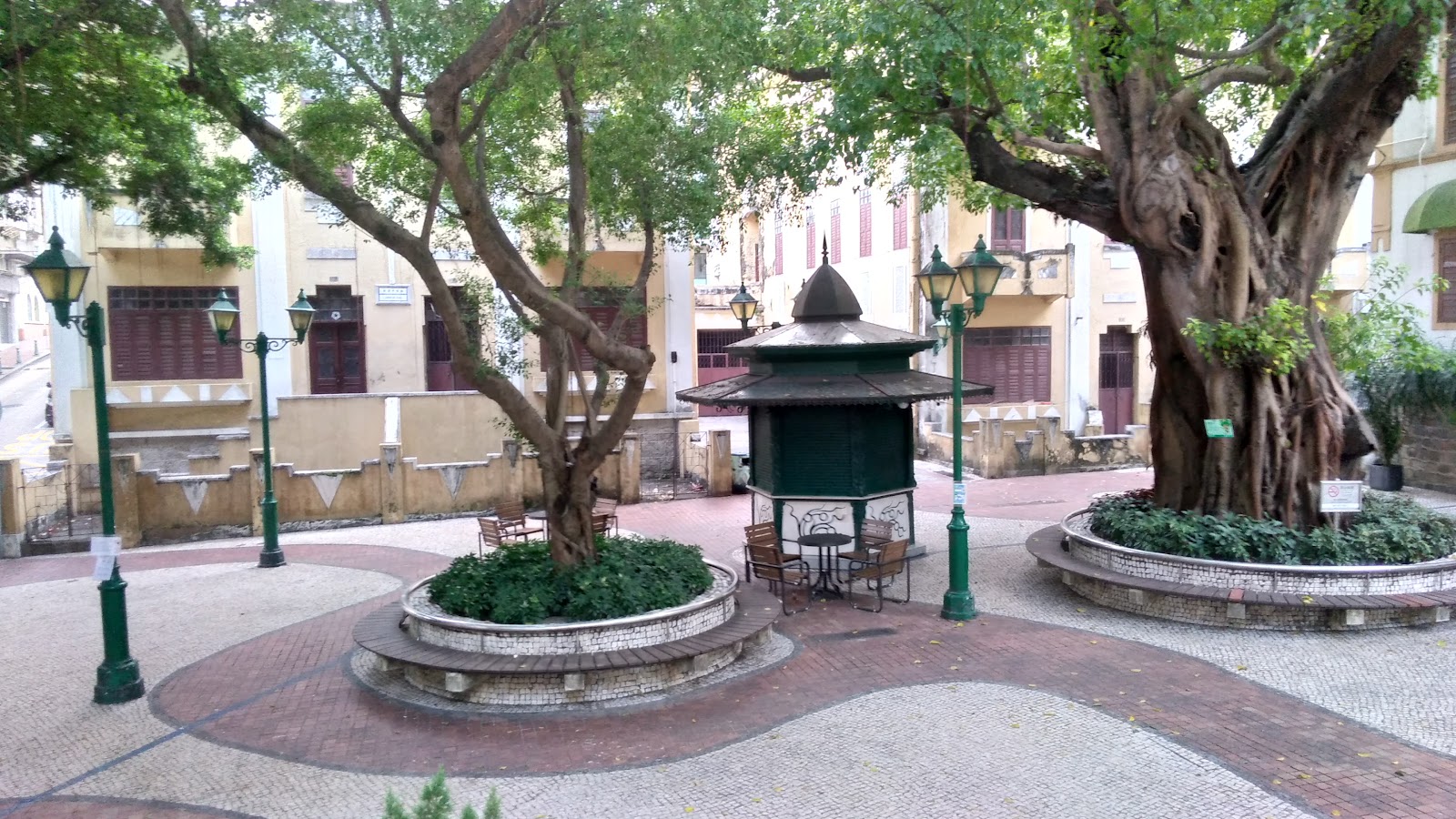
- Traditional green kiosk
- Sloping old-town streets
Worth knowing
- The square is small
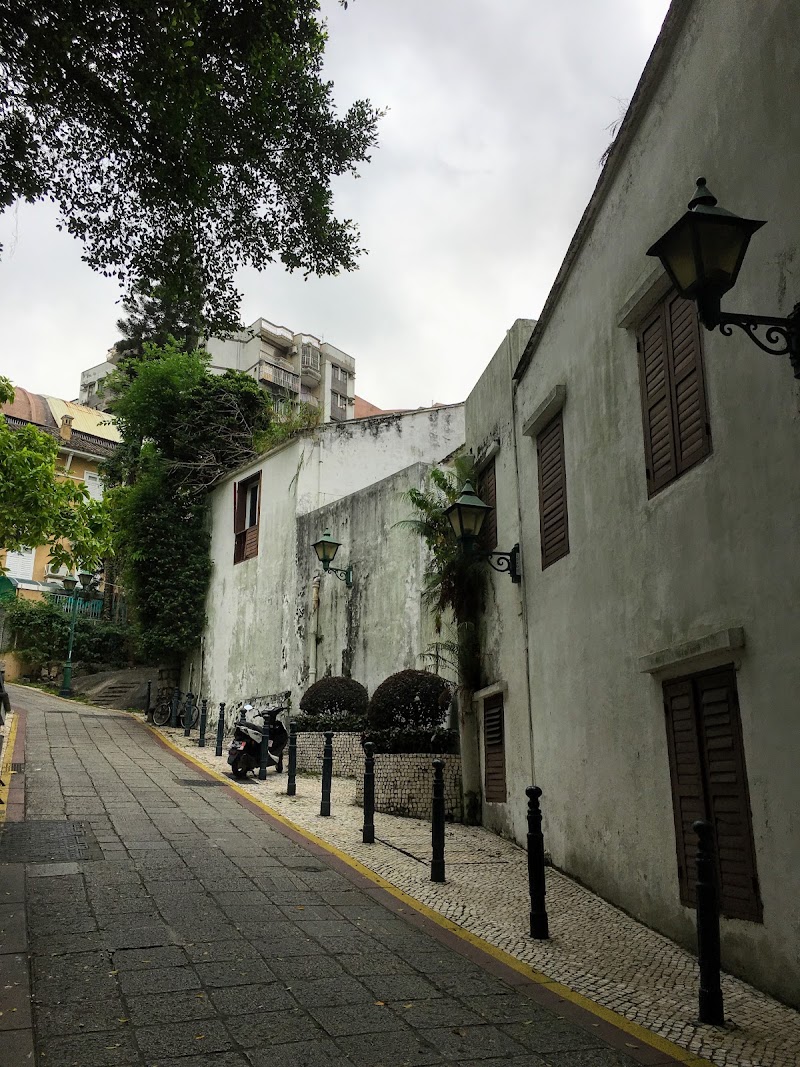
- Surrounding streets rise and fall
Don't miss
What comes up most in public reviews
- Visit the neighbouring Mandarin’s House
- See the freshwater spring and fountain
- Compare the Portuguese and Mandarin architectural styles
Worth the trip?
Overall impression
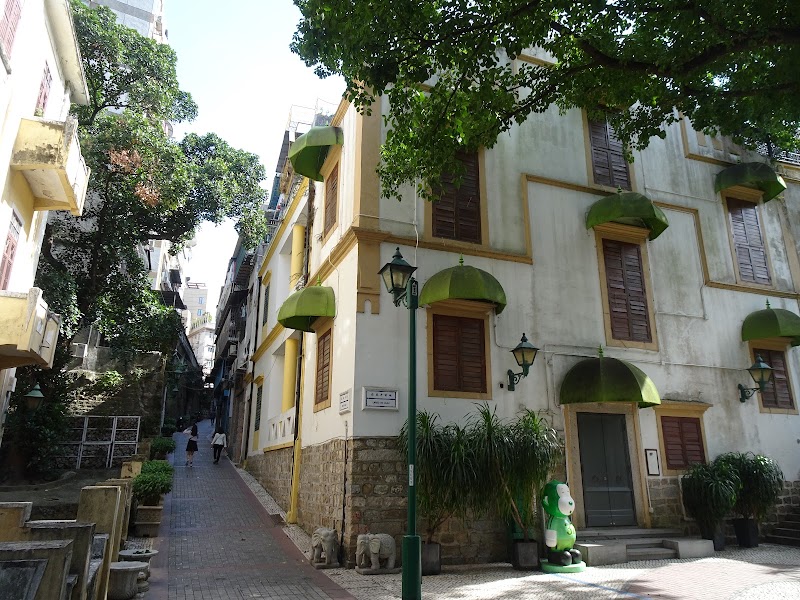
Lilau Square earns a Google rating of 4.2 from 173 reviews, with public feedback repeatedly praising its atmosphere rather than its scale. Travellers describe it as quiet, romantic, cosy and unusually village-like for Macau. The square is small, but that intimacy appears to be central to its appeal. Streets rise and fall around it, while old and newer decorative details give visitors plenty to notice at walking pace.
Reviewers also value Lilau as a place to pause. It is not presented as a landmark packed with attractions or requiring a lengthy itinerary. Instead, it works as a calm historical stop where the surroundings, architecture and sense of continuity do most of the work. Several comments place it among the most attractive and well-preserved corners of Macau’s old town.
Historical character
Public reviews identify Lilau as one of the earliest areas associated with Portuguese settlement in Macau. They also highlight the square’s freshwater spring and fountain, describing the water source as important to those early settlers. These historical associations give an otherwise modest public space more significance than its size might suggest.
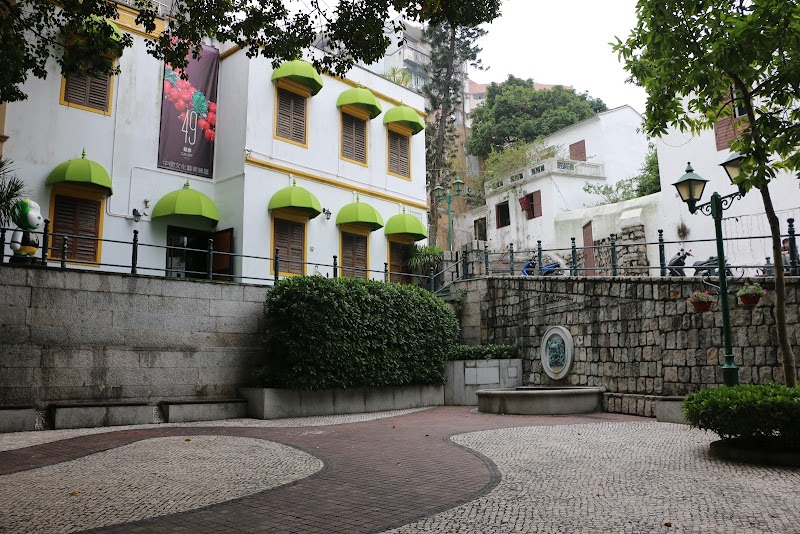
The built environment is another recurring strength. Travellers note a mixture of Portuguese colonial styles and traditional Chinese or Mandarin houses, with streets branching uphill and downhill from the square. One review also mentions Art Deco elements. Together, these details create a layered streetscape rather than a single monumental sight.
A traditional green kiosk receives particular attention. Reviewers associate this style of kiosk with Portugal and note that examples are less common in Asia, although similar structures can be found in some Macau parks and squares.
Location and nearby sights
Lilau Square sits beside Mandarin’s House, a connection mentioned repeatedly in public feedback. That proximity makes the square especially convenient as part of a wider walk through historic Macau. Visitors can examine the fountain and spring, take in the kiosk and surrounding façades, then continue directly to the neighbouring house.
The square’s relaxed mood also lends itself to a short rest between larger sights. One reviewer mentions a nearby shop selling nuts, dried fruit, drinks and snacks, but this appears as an individual observation rather than a consistent theme across the feedback.
Who should visit
Lilau Square best suits travellers interested in historic streets, architectural contrasts and quieter public spaces. Couples may appreciate the romantic atmosphere noted in reviews, while photographers and architecture enthusiasts can focus on the mix of building styles and sloping lanes.
The main limitation is also straightforward: this is a compact square, not a major standalone attraction. Visitors expecting extensive exhibits or a long list of activities may find the stop brief. It is most compelling when paired with Mandarin’s House and explored as part of a broader old-town walk. For that purpose, public reviews suggest it offers a peaceful and historically resonant change of pace.
Ask anything
Looking for somewhere else?
Keep exploring
More from Macao
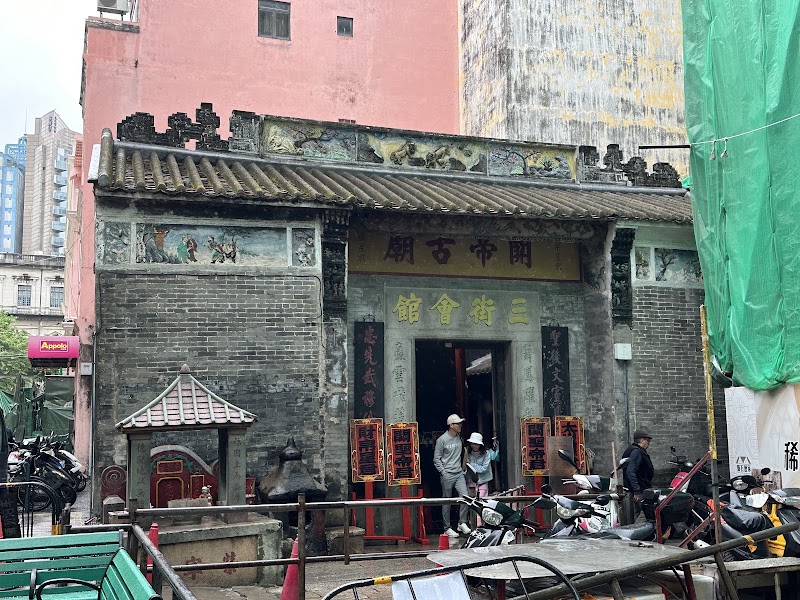
Macao
Sam Kai Vui Kun: a quiet temple near Senado Square
This compact 18th-century temple offers traditional decoration, living worship and a calm counterpoint to central Macau’s busy streets.
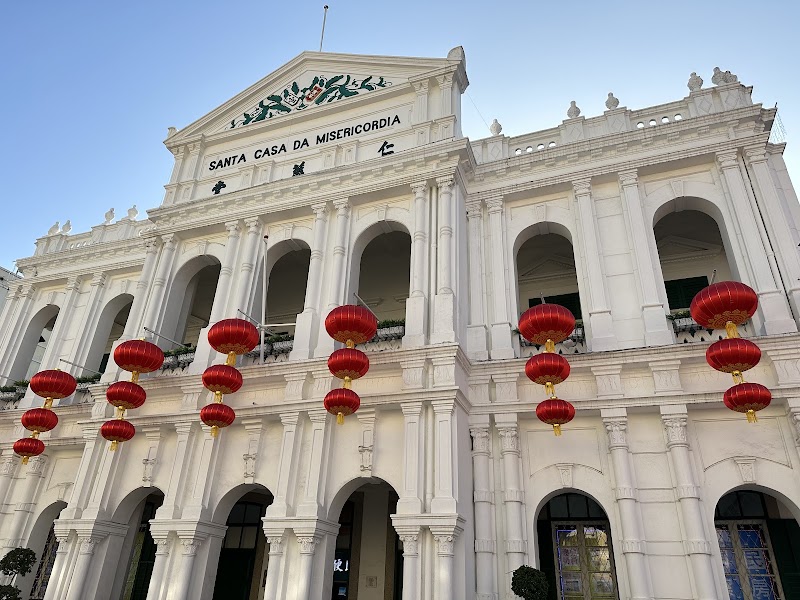
Macao
Holy House of Mercy: Macau’s Compact Heritage Museum
An elegant Senado Square landmark with a small museum tracing more than four centuries of charitable and Catholic history.
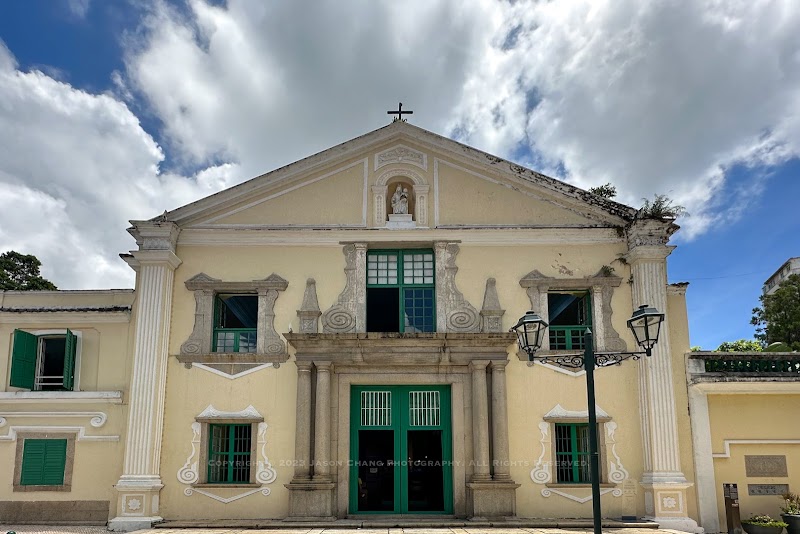
Macao
St. Augustine’s Church: A Serene Stop in Macau
A restrained exterior opens onto a striking Catholic interior, offering a quieter pause within walking distance of Senado Square.
Macao
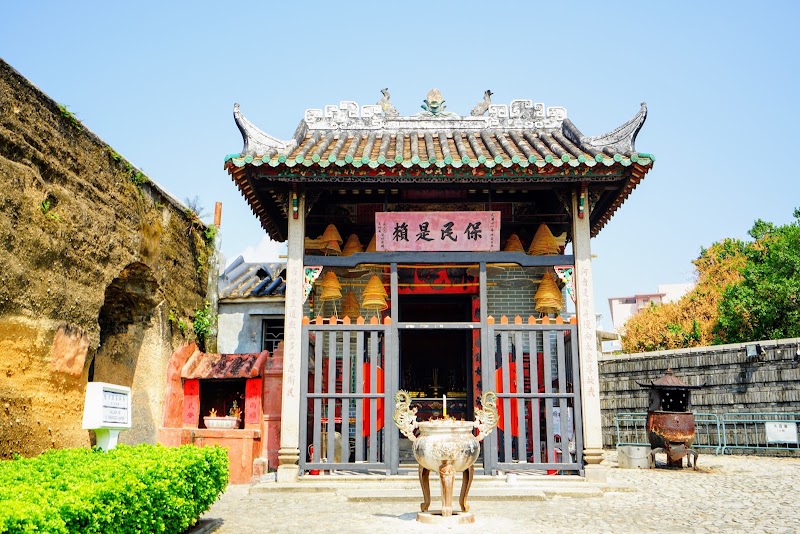
Na Tcha Temple: a peaceful stop beside St Paul’s
This compact historic temple adds Chinese religious heritage and a reflective pause to a visit around Macau’s Ruins of St Paul’s.