Letoon Sanctuary: Lycian Temples Without the Crowds
Letoon’s temples, rock-cut theatre and informative displays make this compact Lycian religious centre a rewarding stop near Xanthos and Patara.
More photos
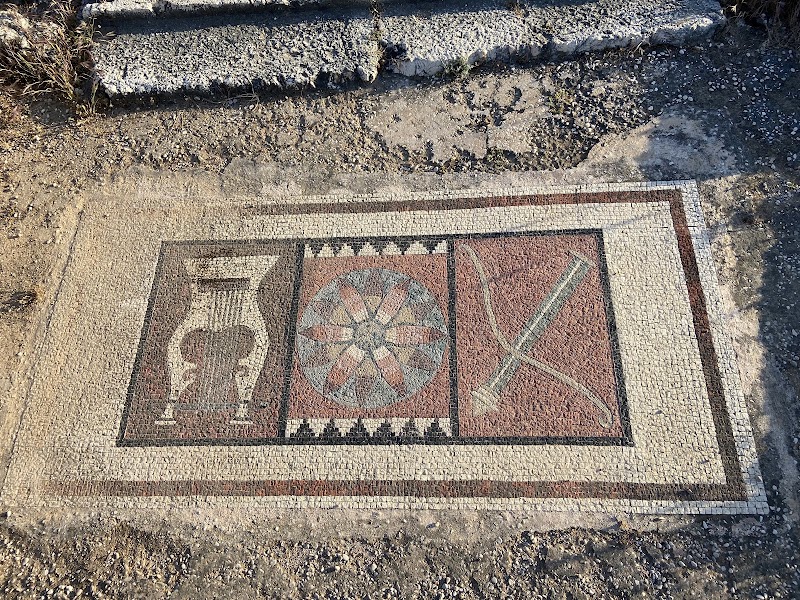

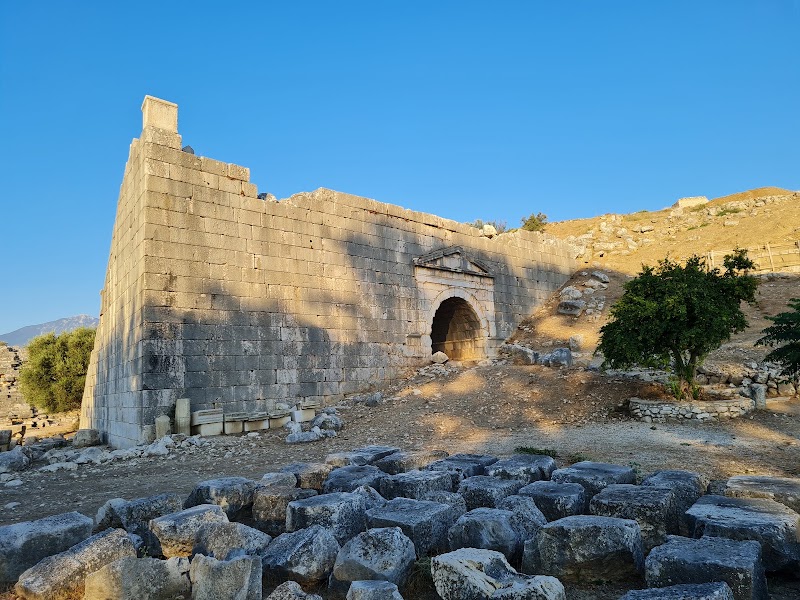
Photos published by travelers on Google, not AI generated.
What stands out
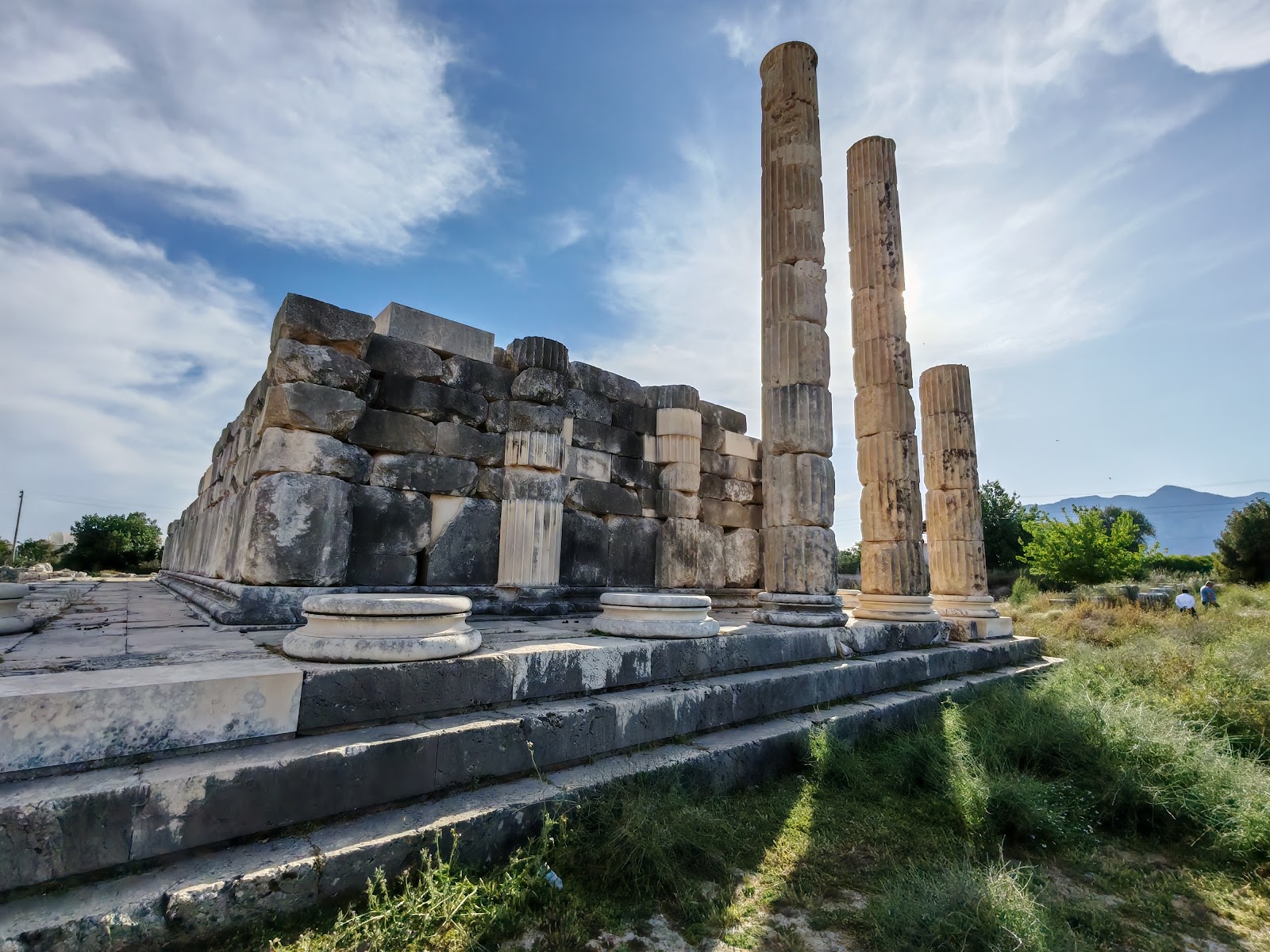
- Three temples dedicated to Leto, Apollo and Artemis
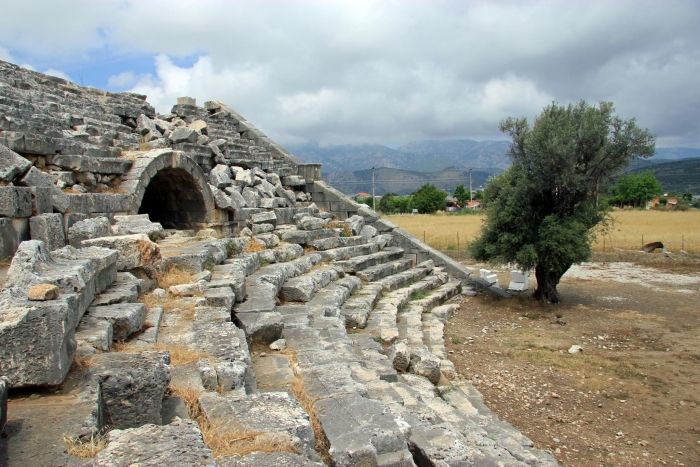
- Theatre partly carved into bedrock
- Detailed interpretation boards
- Quieter atmosphere than nearby Lycian sites
Worth knowing
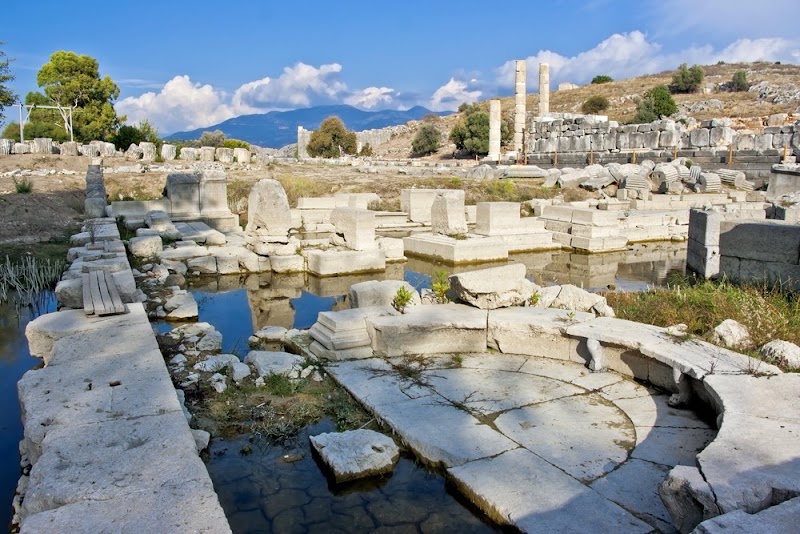
- Some areas may be flooded
- Check opening access before travelling
- Bring sturdy shoes, water and sun protection
Don't miss
What comes up most in public reviews
- Explore the three temple remains
- See the bedrock-carved theatre
- Read the detailed description boards
- Combine Letoon with Xanthos and Patara
Worth the trip?
Why Letoon stands out
Letoon served as the religious centre of ancient Lycia, and public feedback consistently presents it as a compact but worthwhile archaeological stop. It has a Google rating of 4.5 from 2597 reviews, with travellers particularly appreciating its temples, theatre and quieter atmosphere. Several visitors note that it receives less attention than other Lycian sites nearby, but they do not consider it less significant.
The sanctuary lies near Kumluova Village in the Seydikemer district of Muğla, along the Fethiye-Kaş route. Reviews suggest that its relatively small scale works best when it is treated as part of a wider day among the region’s ancient sites rather than as a standalone excursion.
Temples and theatre
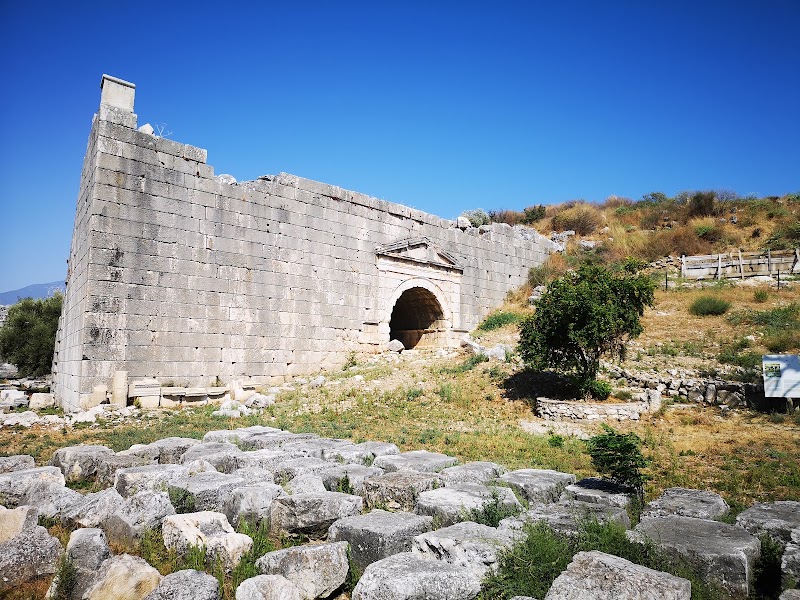
The principal remains are three temples associated with Leto and her twin children, Apollo and Artemis. Settlement traces at Letoon date back to the seventh century BC, while its role as a Lycian religious centre provides the main context for what survives. Travellers describe the temple remains as impressive and sometimes spectacular, especially given the sanctuary’s lower profile.
The theatre is another recurring highlight. Much of it was carved into bedrock, which reviewers credit for its state of preservation. Visitors interested in construction techniques and the way ancient buildings were adapted to the landscape are likely to find it particularly engaging.
Detailed description boards also receive praise. They help explain the structures and improve a visit that might otherwise feel brief, especially for travellers arriving without a guide.
How long to allow
At least one hour is the most useful recommendation emerging from reviews. That leaves enough time to examine the temples, walk through the theatre and read the interpretation boards without rushing. Some travellers find the sanctuary smaller than expected, so those seeking a full day of ruins commonly combine it with Xanthos and Patara. One reviewer managed all three in a single day.
The entrance is described as budget friendly. Letoon also appears to attract fewer visitors than more prominent archaeological sites in the area, which can make it appealing to travellers who prefer a calmer look at Lycian history.
Practical considerations
Sturdy shoes are recommended for moving around the ruins. Reviews also advise carrying water and using sun protection, suggesting that parts of the visit can be exposed. There are reports of some areas being flooded, although the remains were still viewed as being in good condition.
Opening access should be checked before travelling. One visitor found the sanctuary shut and could only see it from the road. When open and accessible, the consensus is that Letoon offers strong historical interest in a manageable visit, with enough detail to reward anyone already exploring Xanthos, Patara or the wider Lycian region.
Ask anything
Looking for somewhere else?
Keep exploring
More from Türkiye

Türkiye
Titanic Deluxe Lara: a polished family resort near Antalya
Strong service, varied dining and standout children’s activities make this large Lara hotel a persuasive choice for family beach holidays.
Türkiye
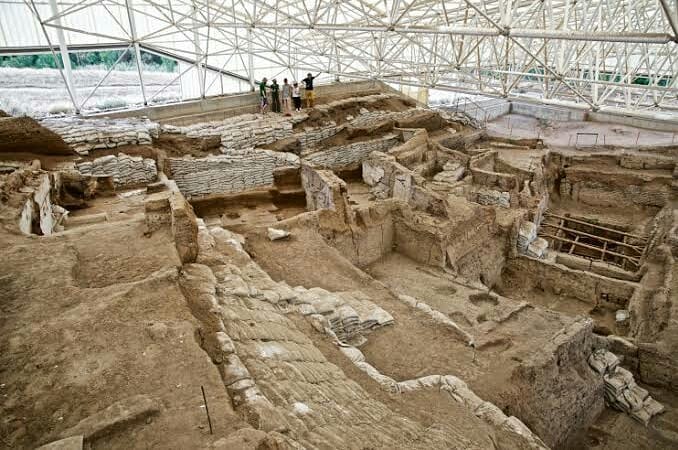
Çatalhöyük: Neolithic history brought into focus
Near Konya, this Neolithic settlement pairs a restrained excavation site with an interactive museum praised for making prehistory accessible.
Türkiye
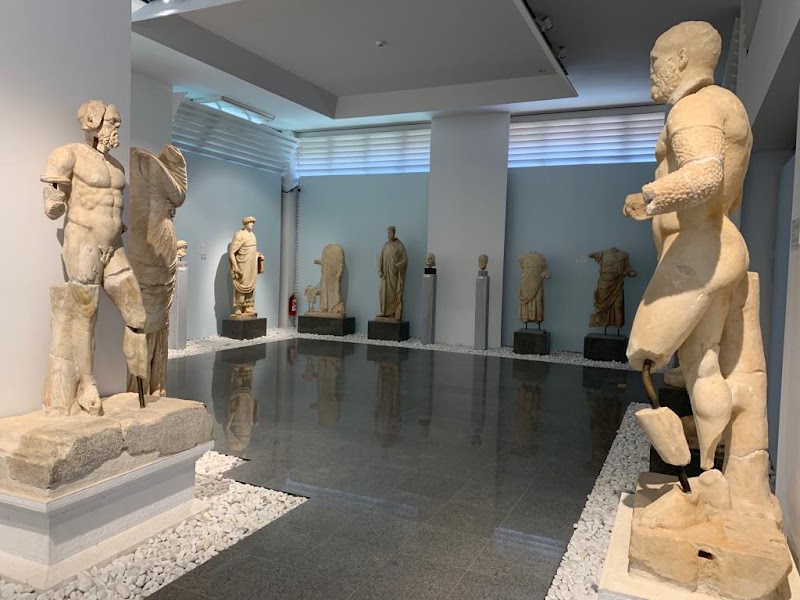
Aphrodisias: Marble Monuments and a Remarkable Stadium
A peaceful archaeological city where monumental ruins, intricate carvings and an impressive stadium reward the journey inland.
Türkiye
Perge Ancient City: Monumental Ruins Near Antalya
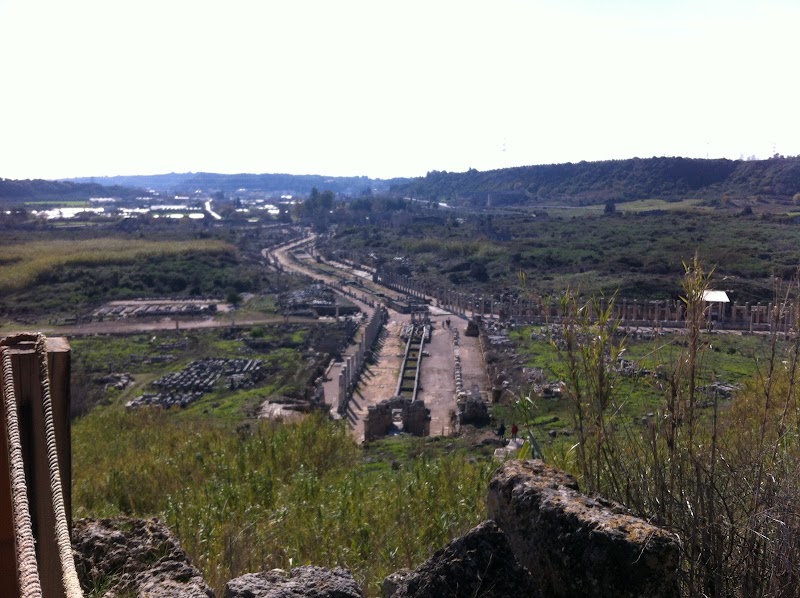
Perge combines imposing Roman engineering, layered Anatolian history and straightforward access from Antalya in one extensive archaeological site.