Lepenski Vir brings an ancient settlement into focus
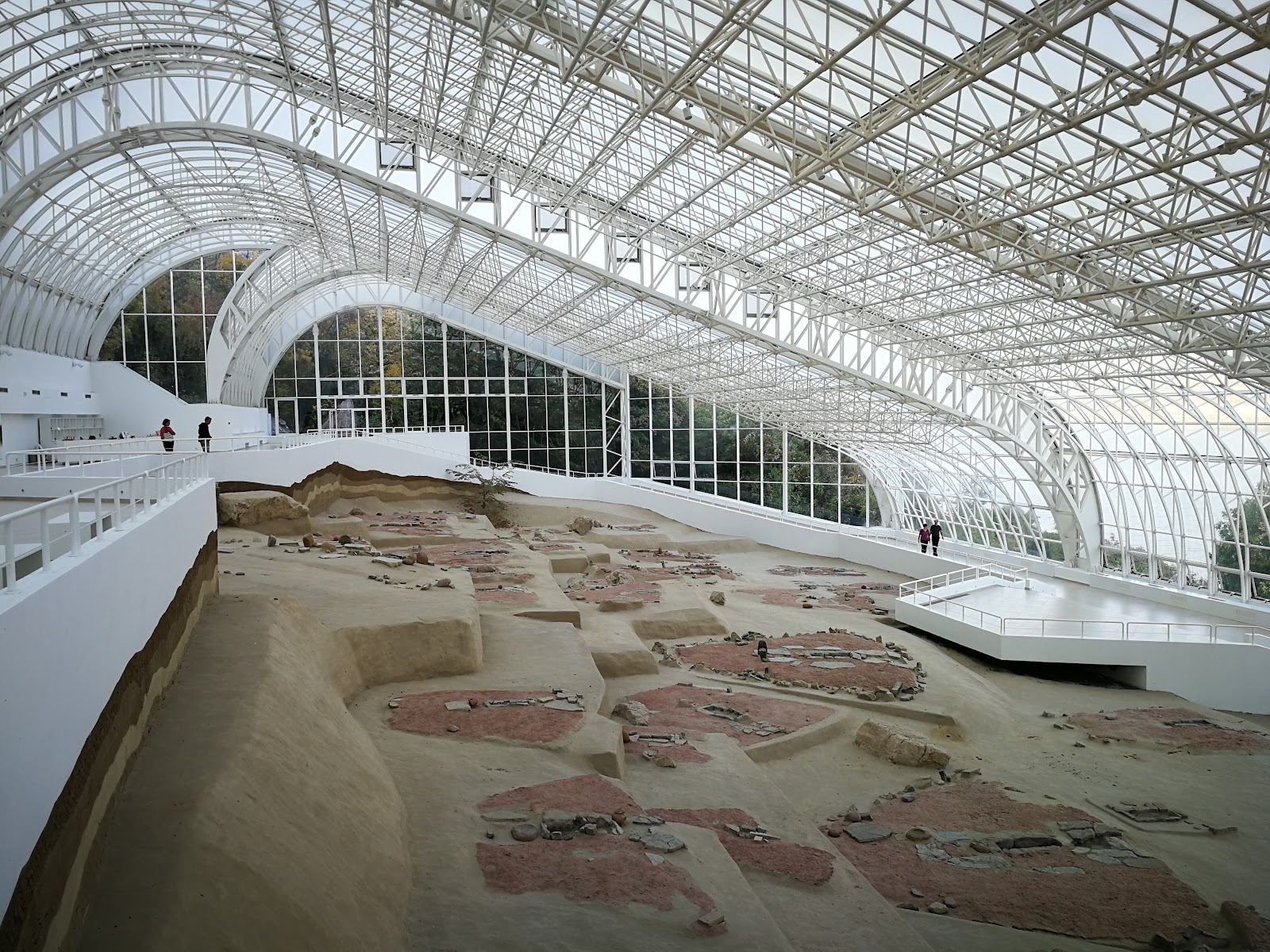
Near Donji Milanovac, this thoughtfully presented archaeological site combines relocated foundations, distinctive sculptures and excavation films.
More photos
Photos published by travelers on Google, not AI generated.
What stands out
- Well-designed archaeological interpretation
- Documentary with English subtitles
- Virtual walkthroughs of the settlement
- Fish-like humanoid figurines
- Knowledgeable, helpful staff
Worth knowing
- Foundations were moved from the original site
- The dome can become very hot at summer noon
- Younger children may find the interpretation demanding
Don't miss
What comes up most in public reviews
- Watch the excavation documentary
- Explore the virtual walkthroughs
- See the trapezoidal foundation layouts
- Examine the fish-like figurines
- Ask staff about the site and finds
Worth the trip?
Why Lepenski Vir stands out
Lepenski Vir earns a Google rating of 4.8 from 5231 reviews, with public feedback repeatedly praising the clarity and ambition of its presentation. Rather than displaying finds without context, the museum uses film, virtual interpretation and reconstructed visual material to help visitors understand the settlement and its excavation.
Reviewers often arrive already aware of the site’s importance, then find that the exhibits connect pieces of the story that they had encountered elsewhere. Others treat it as a worthwhile stop while travelling through the Donji Milanovac area. The strongest responses come from visitors interested in archaeology, ancient communities and the process by which major sites are uncovered and interpreted.
What visitors can expect
The main covered display contains the settlement’s trapezoidal foundation layouts. One important qualification appears in the reviews: these foundations were moved from the original site. Travellers who expect to stand over remains in their exact discovered position may be disappointed unless they know this in advance. Clearer expectation-setting makes for a more rewarding visit.
A short documentary about the excavation is one of the most consistently mentioned features. Reviews also note English subtitles, making the story more accessible to international visitors. Virtual walkthroughs add another layer of interpretation and help turn static foundations into a more understandable living environment.
The distinctive fish-like, humanoid figurines are another focal point, displayed in a separate room according to visitor reports. Human bones, burial remains and a cemetery area also prompt considerable interest. Two old houses displayed outside extend the experience beyond the principal exhibition space.
Staff receive positive comments for their knowledge and customer service. Visitors with detailed questions about the location or finds may gain more by speaking with them rather than moving through the displays without discussion.
Planning the visit
Summer heat is the most practical concern raised in the available feedback. The dome can become very hot around noon, so morning or the later part of the opening day is the better choice during hot weather. The walk from the parking area should also be factored into the visit. One reviewer particularly enjoyed examining the plants along this route, although the archaeological displays remain the main reason to come.
Families should consider age and interest level. One review suggests that children aged over 14 are more likely to grasp the age and significance of the finds. Younger children may still respond to the sculptures, bones and film, but the attraction is primarily interpretive rather than activity-led.
Editorial verdict
Synthesised from public ratings and reviews, Lepenski Vir appears to be a well-designed archaeological museum that succeeds through explanation as much as through its objects. The excavation film, virtual material, settlement foundations and unusual figurines form a coherent visit, while knowledgeable staff add value for curious travellers.
The relocation of the foundations is the chief caveat and deserves to be understood before arrival. With that context, the site looks particularly rewarding for archaeology enthusiasts, older families and travellers exploring the Donji Milanovac area. A few hours allows time for the film, principal exhibits, outdoor houses and questions for staff without rushing.
Plan the rest of the trip
Ask anything
Looking for somewhere else?
Keep exploring around Donji Milanovac
More from Serbia
Serbia · Novi Pazar
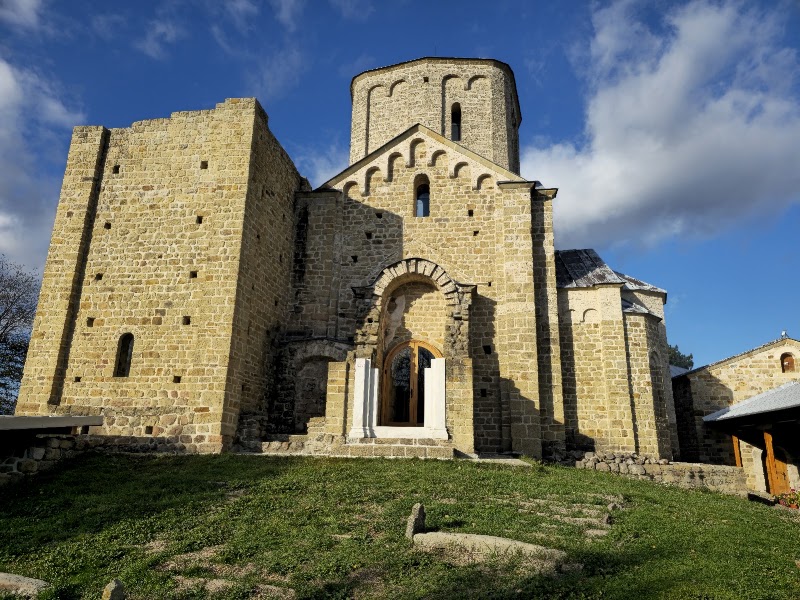
Đurđevi Stupovi Monastery: Peace Above Novi Pazar
Hilltop views, deep historical significance and a notably peaceful atmosphere make this monastery a standout stop near Novi Pazar.
Serbia · Gračanica
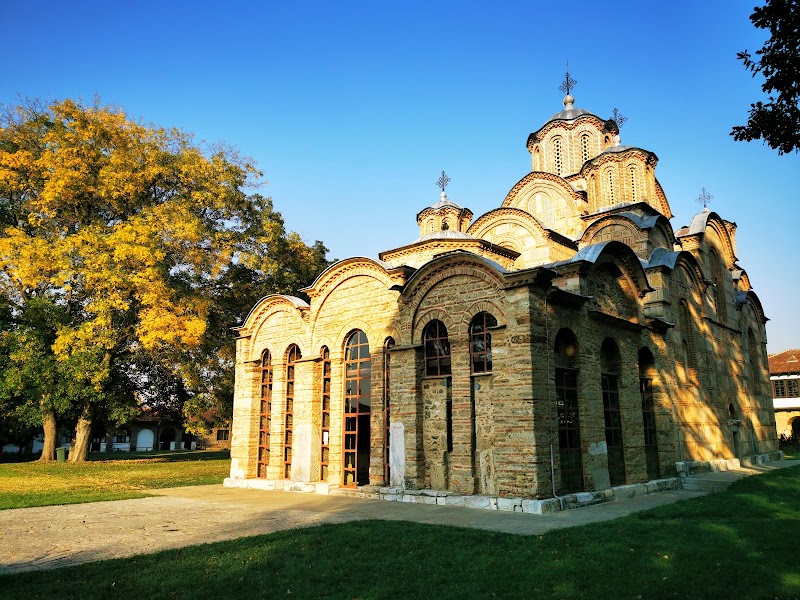
Gračanica Monastery: medieval architecture and frescoes
Near Priština, this Serbian Orthodox monastery draws exceptional praise for its five-domed church, historic frescoes and peaceful grounds.
Serbia · Strmosten
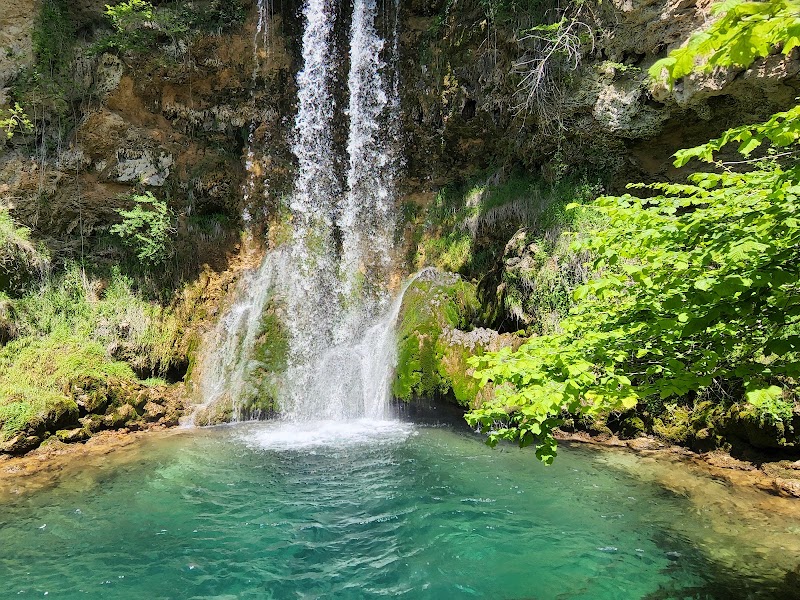
Veliki Buk Waterfall: A Scenic, Easy-Access Stop
Strong visitor feedback points to a compact, well-kept waterfall stop with attractive road scenery, straightforward access and striking winter views.
Serbia · Beograd
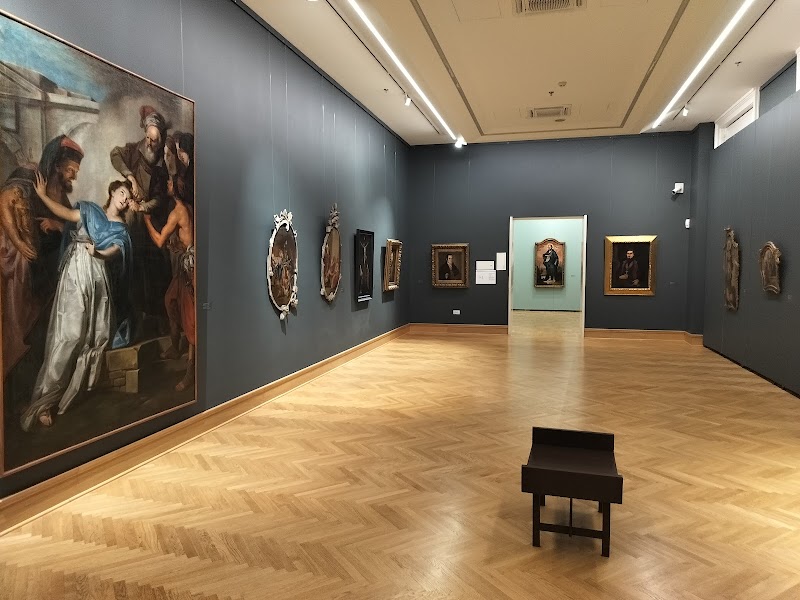
National Museum of Serbia: Art and History Across Three Floors
Belgrade’s national museum combines archaeology, Serbian heritage and European art in a handsome, centrally located building.