Lamu Fort: History and Rooftop Views in the Old Town
Lamu Fort offers a compact introduction to the island’s history, though dated displays and ticketing difficulties temper its appeal.
More photos
Photos published by travelers on Google, not AI generated.
What stands out
- Rooftop views towards the ocean
- Early 19th-century fort architecture
- Lamu and Swahili cultural history
- Atmospheric central courtyard
Worth knowing
- Difficult eCitizen ticket process reported
- Dated displays and signs of neglect
- Some rooms used as offices
Don't miss
What comes up most in public reviews
- Climb to the rooftop for ocean views
- Explore the central courtyard
- Ask about the fort’s former use as a prison
- Confirm whether admission also covers Takwa Ruins
Worth the trip?
A landmark with layered history
Lamu Fort stands at the heart of Lamu and holds a Google rating of 4.2 from 485 reviews. Public feedback most often values it as a place to understand the town’s political, military and cultural history rather than as a polished museum experience.
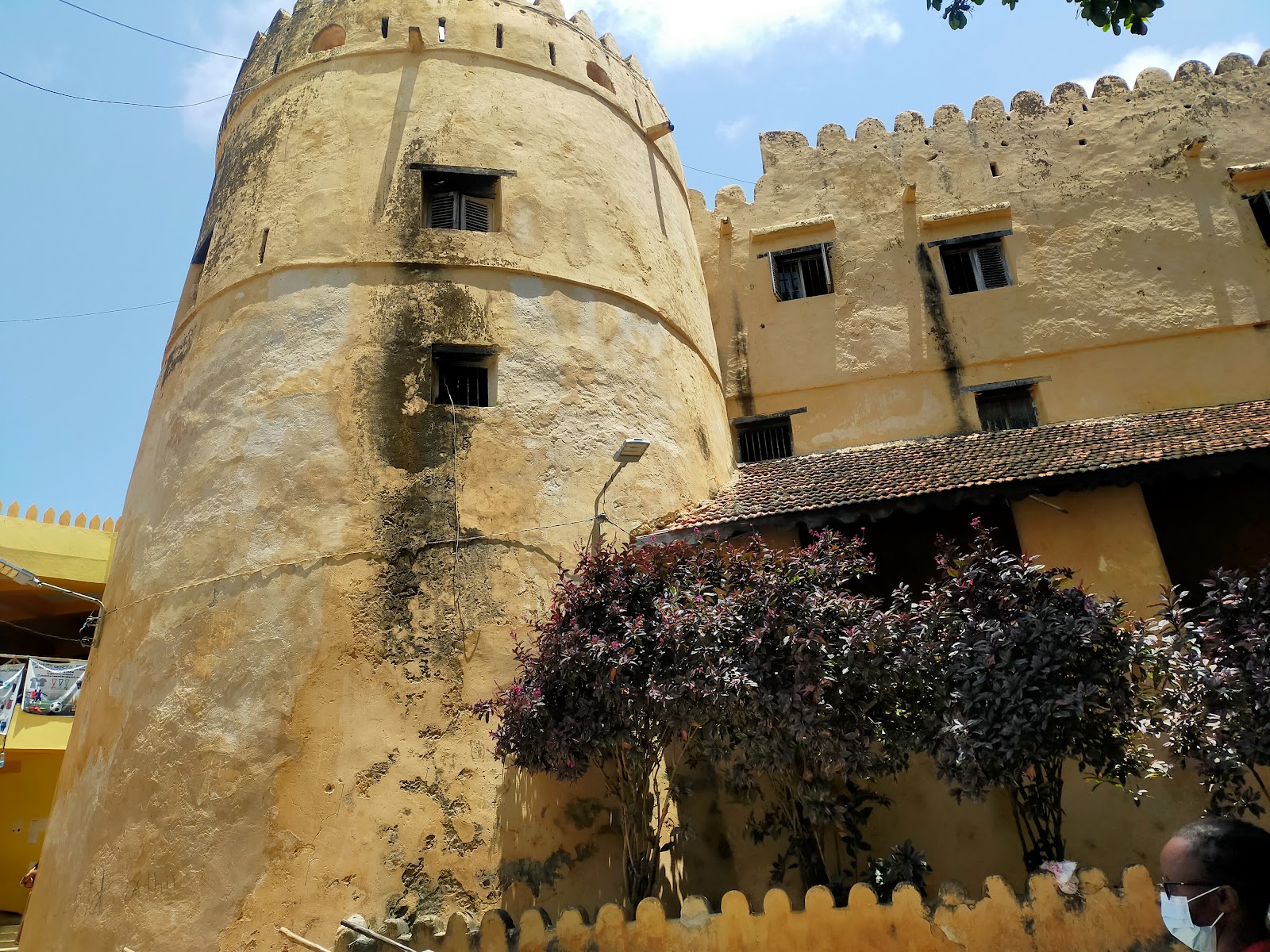
Reviewers describe the fort as an early 19th-century structure built under the Sultan of Oman following conflict around Shela. Its later use as a prison during British rule remains part of its local identity, reflected in the Kiswahili name “gereza,” meaning prison. These layers give the building significance even where interpretation is limited.
The exterior has a commanding presence, while the enclosed courtyard and heavy walls offer a clear sense of the fort’s former defensive role. One reviewer encountered preparations for a wedding in the courtyard, suggesting that the complex still functions as a community venue rather than existing solely as a historic monument.
What visitors find inside
The strongest experiences appear to come with historical context. A reviewer who toured with a guide praised the explanations of both the fort and Lamu, while several others highlighted the value of learning about local history and Swahili culture. Travellers particularly interested in architecture, colonial history or the development of Lamu are likely to gain the most from a visit.
Expectations should remain measured. Some rooms are reported to have been converted into offices, reducing the amount of space devoted to exhibitions. Displays have also been described as dated and in need of modernisation. One visitor reported that the library appeared closed and that available information was unclear or conflicting.
The rooftop is a consistent bright spot. Reviews mention broad views towards the ocean, making the climb worthwhile even when the interior displays feel sparse. The elevated perspective also helps place the fort within the compact fabric of Lamu town.
Admission and practical concerns
Paid admission is required, but reviews are divided on whether the interior provides good value. One traveller felt the exterior was more impressive than the experience inside. Another reported that the admission receipt could also be used at the Takwa Ruins, although visitors should confirm the current arrangement locally before relying on it.
Digital ticket purchasing through Kenya’s eCitizen platform was described as difficult by one reviewer. Access procedures may therefore require patience, particularly if online payment or account verification causes problems. The reports of closed facilities and conflicting information also suggest that conditions can vary.
Editorial verdict
Synthesised public feedback presents Lamu Fort as a historically important but uneven attraction. Its central location, substantial architecture and rooftop ocean views make it a sensible stop during an exploration of Lamu. The experience becomes more rewarding when a guide or other reliable historical context is available.
Those expecting an extensively curated museum may leave disappointed by the office space, dated interpretation and apparent maintenance issues. For history-minded travellers, however, the fort remains useful as a physical introduction to Lamu’s Omani, Swahili and colonial-era story. Around one to two hours should be sufficient for the interior, courtyard and rooftop.
Plan the rest of the trip
Ask anything
Looking for somewhere else?
Keep exploring around Lamu
More from Kenya
Kenya · Nakuru
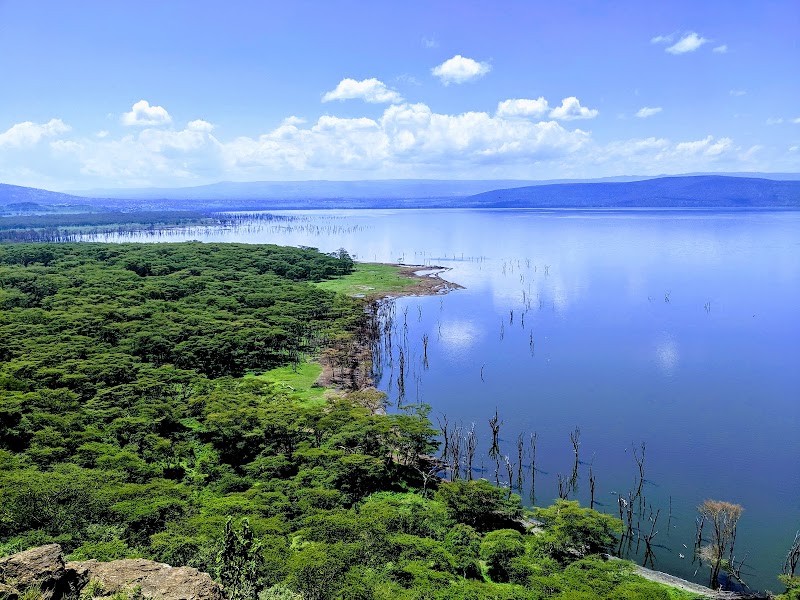
Lake Nakuru National Park: Rhinos, Flamingos and Lake Views
Public reviews rate Lake Nakuru National Park highly for close wildlife sightings, flamingos, photography and easy access from Nakuru.

Kenya
Tsavo East National Park: Big Landscapes, Serious Safari
Public reviews describe a spacious Kenyan park with elephants, varied terrain and rewarding game drives, but visitors need to arrive prepared.

Kenya · Nairobi
Giraffe Centre: Nairobi’s Close-Up Wildlife Encounter
Public reviews praise the chance to hand-feed Rothschild’s giraffes, though tour groups can make the experience feel crowded and quick.

Kenya
Maasai Mara National Reserve: Wildlife Across Open Plains
Public reviews describe a high-impact safari experience, with abundant wildlife, wide landscapes and game drives that reward a slower pace.