La Lonja de la Seda: Valencia’s Gothic showpiece
Soaring spiral columns, vaulted ceilings and a citrus-filled courtyard make Valencia’s former silk exchange a rewarding short visit.
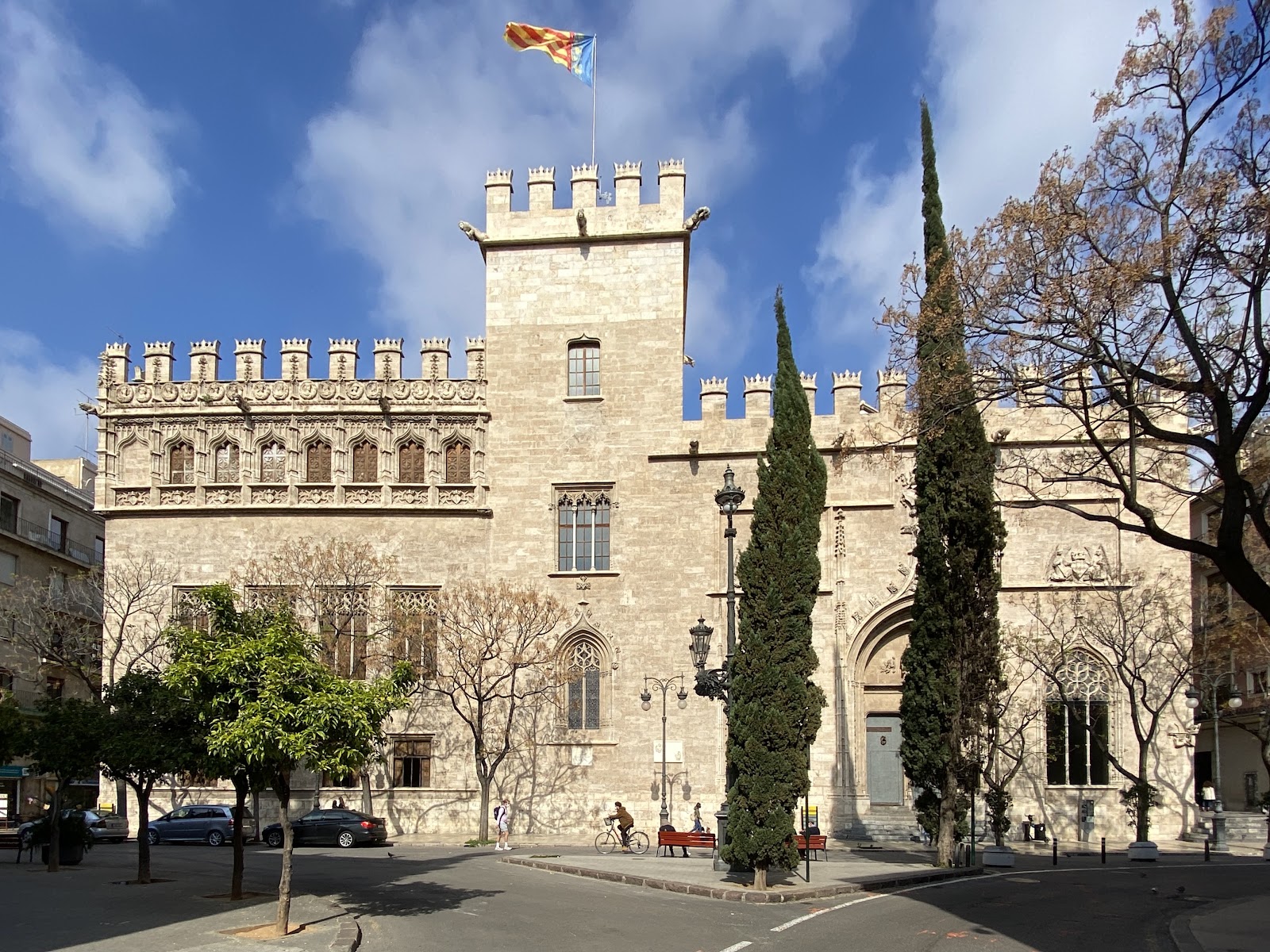
More photos
Photos published by travelers on Google, not AI generated.
What stands out
- Soaring twisted columns
- Elegant vaulted ceilings
- Citrus-tree courtyard
- Decorative wooden ceilings
- Detailed stone carvings
Worth knowing
- Limited information points
- The visit may feel brief
Don't miss
What comes up most in public reviews
- The grand trading hall
- The spiral columns and fan vaulting
- The orange and lemon tree courtyard
- The carved details
- The wooden ceilings
Worth the trip?
Why it stands out
Across public ratings and reviews, La Lonja de la Seda emerges as one of Valencia’s defining historic landmarks. The numbers back that up: a 4.6 rating from 30570 Google reviews, with especially warm feedback from travellers drawn to architecture, culture and the city’s commercial past.
Now a UNESCO World Heritage Site, the building once stood at the heart of Valencia’s silk trade. Reviewers often link its imposing design to the prosperity the city enjoyed during the 15th century. Yet visits rarely feel heavy going. Public feedback describes the experience as compact and approachable, and several travellers point out that the building does not take long to see. It fits easily around other central Valencia sights.
The trading hall and its columns
The grand trading hall dominates the sampled reviews. Its soaring twisted columns draw the most attention, followed closely by the airy proportions and elaborate vaulted ceiling. The stone supports spiral upwards, then spread into the vaulting overhead. It is the interior most visitors remember.
Words such as magnificent, stunning and impressive appear often, though reviewers also linger over smaller details. The carved features invite a closer look, and one visitor found an unexpected sense of humour in some of them. Elsewhere, richly worked wooden ceilings and different decorative styles give the other rooms a character of their own.
One review sees the building as an interesting meeting point between Moorish influence and European architecture. The Gothic trading hall remains the main attraction, while traveller impressions particularly associate the courtyard with Moorish tradition. These contrasting spaces make the visit feel more varied than its relatively short duration would suggest.
The courtyard
The internal courtyard is another regular favourite in public comments. Orange and lemon trees add colour and a distinctly Mediterranean atmosphere, especially under bright skies. Visitors have called it lovely and dreamlike on a sunny day. It is quieter, too, a pause from the tall columns and stone vaulting inside.
It deserves more than a quick walk between rooms. The citrus trees sit against strong architectural lines, while shifting light changes the feel of the space. Reviews indicate that crowd levels vary, although at least one visitor found the courtyard calm and uncrowded.
What to know before visiting
Public feedback generally presents La Lonja de la Seda as a budget-friendly cultural stop with considerable visual impact. It works well for travellers who want a focused landmark visit rather than a long museum experience. Architecture enthusiasts may stay longer, looking closely at the ceilings and carvings or noticing how the style changes from room to room.
The clearest weakness in the sampled reviews is the limited interpretation. One visitor wanted more information points explaining what the rooms and individual features represented. Anyone keen on historical context may find it useful to read about the silk exchange and its role in 15th-century Valencia before arriving.
Overall, the reviews describe a concise visit that delivers plenty. The trading hall alone makes the stop worthwhile. Wooden ceilings, carved details and the citrus courtyard give the building more depth beyond its famous columns.
Plan the rest of the trip
Ask anything
Looking for somewhere else?
Keep exploring around València
More from Spain

Spain · Madrid
Museo Nacional del Prado: Madrid’s Essential Art Stop
Public reviews consistently praise the collection, with Velázquez, Caravaggio and the main galleries making the Prado worth several focused hours.

Spain · San Lorenzo de El Escorial
Valle de Cuelgamuros: Monumental Scale Near San Lorenzo
Public reviews describe a striking stop for the vast basilica, mountain setting and enormous cross, with guided visits adding historical context.
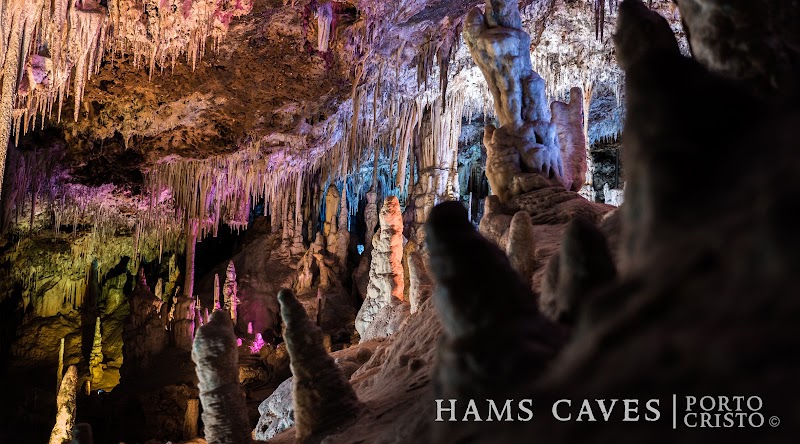
Spain · Porto Cristo
Hams' Caves: A Family-Friendly Underground Tour Near Porto Cristo
Hams' Caves offers a roughly hour-long visit with films, music and striking rock formations, making it a practical stop for families near Porto Cristo.
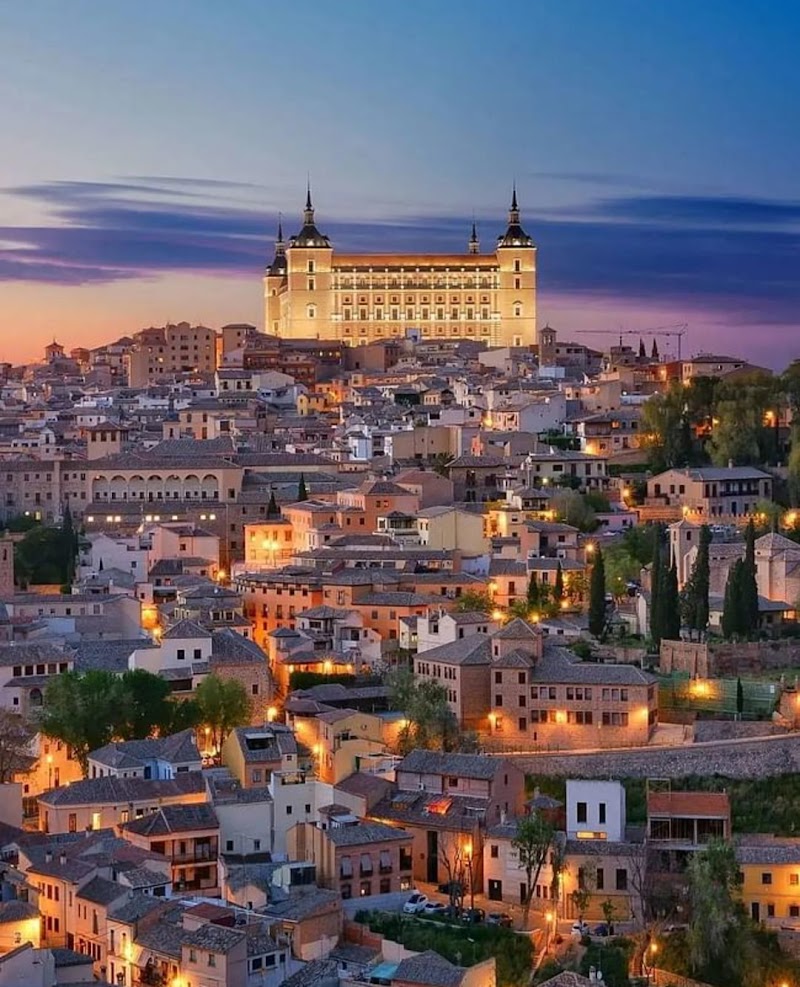
Spain · Toledo
Alcázar de Toledo: Military History Above the City
The Alcázar combines a commanding Toledo viewpoint with a large military museum inside one of the city’s defining historic buildings.