Kyichu Lhakhang: Paro’s Ancient Sacred Temple
A peaceful stop near Paro, praised for its centuries-old religious heritage, traditional architecture, prayer wheels and storied orange tree.
More photos

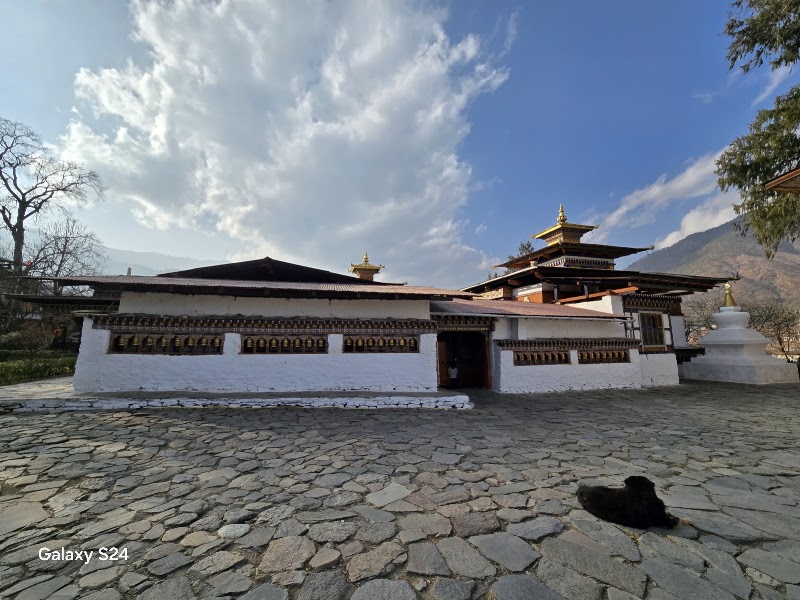

Photos published by travelers on Google, not AI generated.
What stands out
- Ancient and sacred temple history
- Peaceful spiritual atmosphere
- Traditional Bhutanese architecture
- Prayer wheels and courtyard
- Legendary orange tree
Worth knowing
- An entry fee may apply
- Respect ceremonies and active worship
- Located on the established tourist circuit
Don't miss
What comes up most in public reviews
- The legendary orange tree
- The Jowo Shakyamuni sacred image
Worth the trip?
Why it stands out
Public reviews regularly place Kyichu Lhakhang among Bhutan’s oldest and most sacred Buddhist temples. Its Google rating is 4.6 from 482 reviews, with visitors often singling out the unusual balance here: considerable religious importance, but a setting that still feels calm and approachable.
The temple’s origins are traced by reviewers to the seventh century and the Tibetan ruler Songtsen Gampo. Several recount the traditional story that Kyichu Lhakhang was built during an effort to subdue a demoness. For travellers drawn to Bhutanese Buddhism, regional legends or the Paro Valley’s long religious history, that context makes the visit feel like much more than a quick look at the architecture.
Atmosphere and architecture
Peace comes up again and again in visitor feedback. The grounds are described as serene, a place for quiet reflection or meditation, despite Kyichu Lhakhang being part of established sightseeing circuits. One visitor specifically remarked that it did not feel overly crowded. At a site this prominent, that matters.
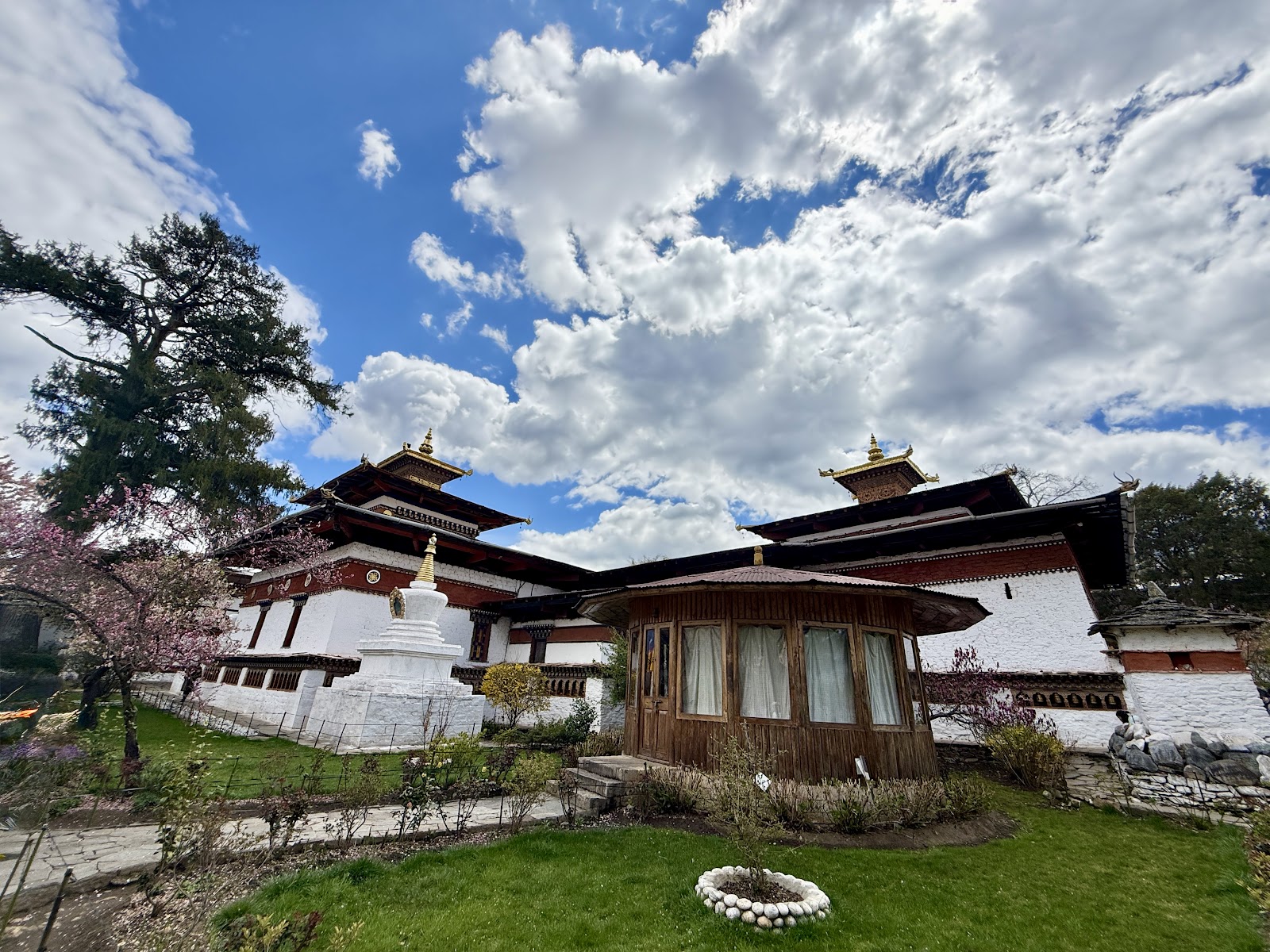
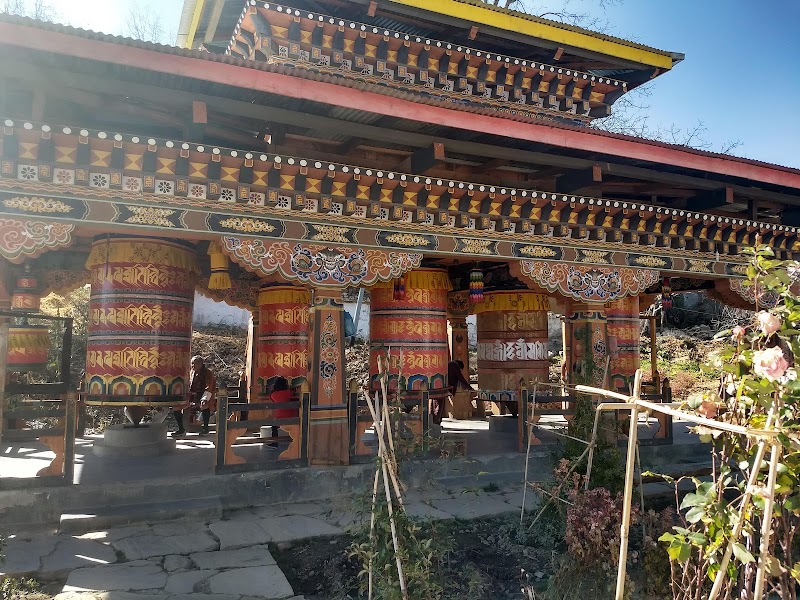
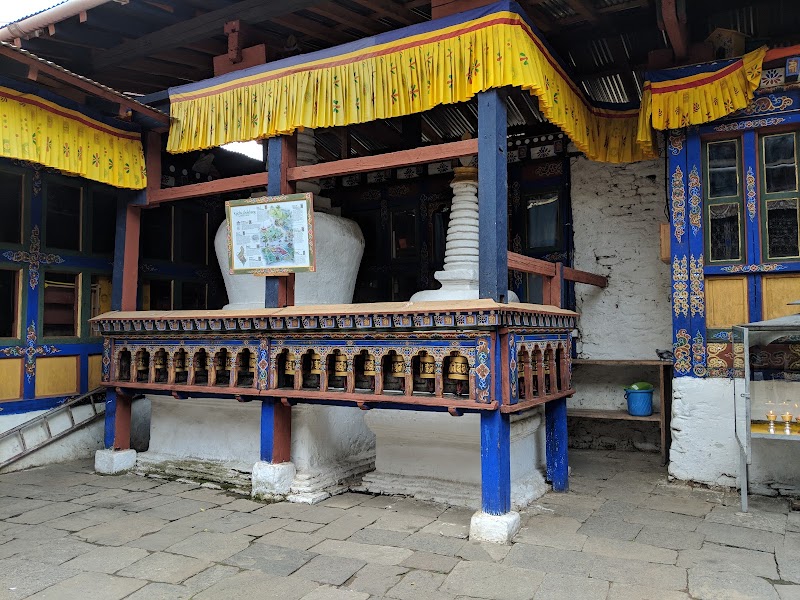
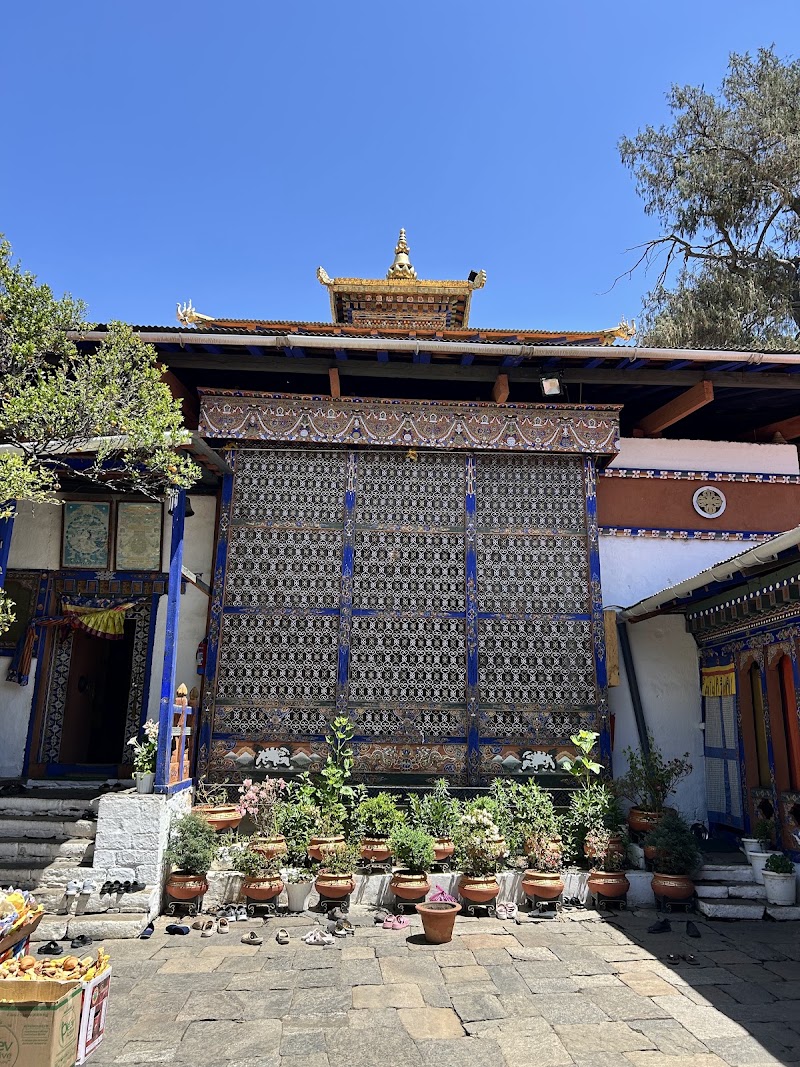
Traditional Bhutanese architecture has been carefully maintained. Reviewers note blue accents that reportedly set parts of the temple apart from other religious sites in the area, while the prayer wheels and courtyard bring both visual detail and ritual interest. Monks and nuns have also been seen conducting ceremonies during a holy month, according to public reviews. This remains an active place of worship, not simply a preserved monument.
Then there is the courtyard’s orange tree, another detail that appears repeatedly in reviews. It is described as legendary and, by tradition, said to bear fruit throughout the year. One account mentions sparrows bustling around the tree. Friendly dogs have occasionally appeared in the grounds too.
Religious and cultural context
Several reviewers identify the principal sacred image as Jowo Shakyamuni, also called Jowo Jamba, linking it to the temple’s earliest period. Detailed knowledge of Buddhist iconography does not seem necessary to appreciate the site. Visitors often respond to its history and the stories surrounding it, and one reviewer found those stories engaging for children. That may make Kyichu Lhakhang a worthwhile stop for culturally curious families, not only pilgrims and temple enthusiasts.
When ceremonies are taking place, visitors should give worshippers space and follow local guidance regarding conduct, photography and access. The most positive reviews dwell less on spectacle. They return instead to stillness, ritual and the sense of continuity.
Planning the visit
Kyichu Lhakhang fits well as a shorter cultural stop for those staying in Paro or touring the surrounding area. A standard visit may take one to two hours. Visitors completing repeated kora, or ritual circumambulation, could stay considerably longer. One public review reports an entry fee, so current arrangements are best confirmed locally rather than assumed.
Taken together, public ratings and reviews present Kyichu Lhakhang as a rewarding temple for travellers interested in history, sacred art and quiet surroundings. Ancient associations meet living religious practice here, all within a compact, peaceful setting.
Ask anything
Looking for somewhere else?
Keep exploring
More from Bhutan

Bhutan · ཐིམ་ཕུུུུ
Ludrong Memorial Garden: A Calm Green Break in Thimphu
Riverside paths, lawns, ponds and Dzong views make this well-liked garden a restorative break from central Thimphu.
Bhutan · Dochula
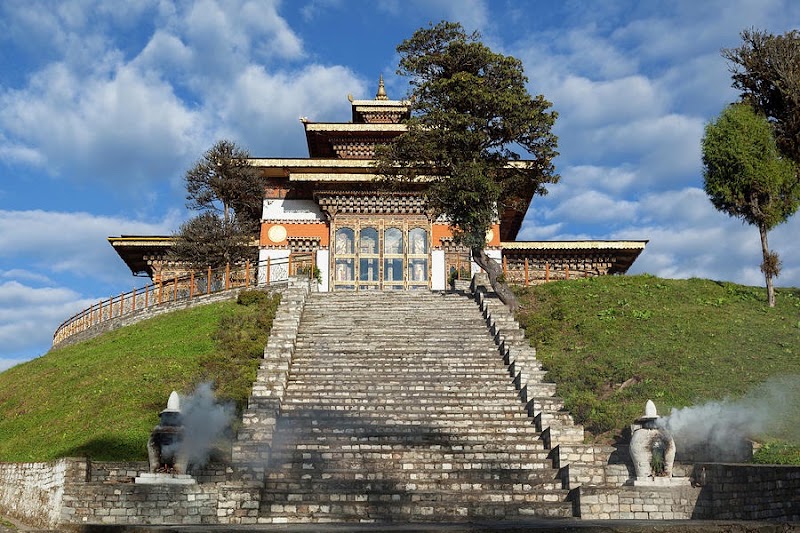
Druk Wangyal Lhakhang: Sacred Art at Dochula Pass
Facing Dochula’s 108 stupas, this serene Buddhist temple pairs richly painted interiors with expansive mountain-pass scenery.
Bhutan · Trongsa
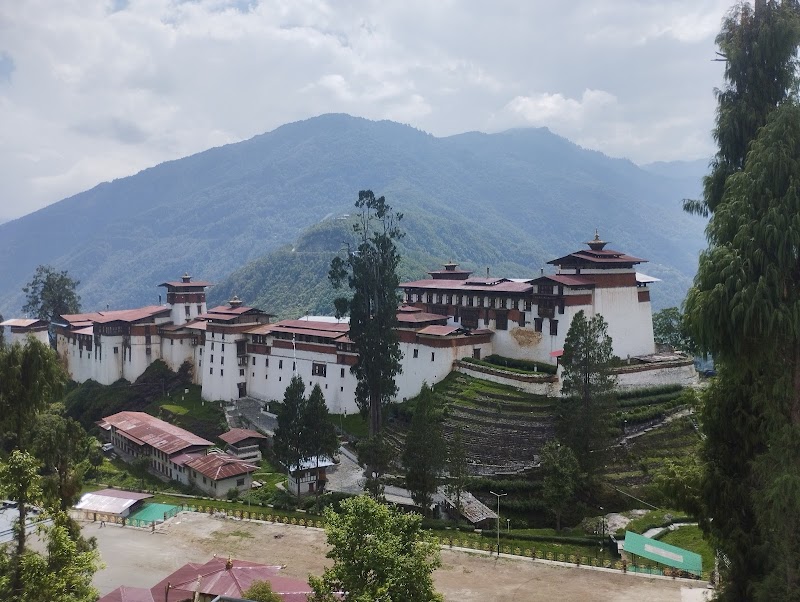
Trongsa Dzong: Bhutan’s Dramatic Ridge-Top Fortress
Public reviews praise this vast fortress complex for its intricate interiors, spiritual atmosphere and commanding views across the Trongsa valleys.
Bhutan · Jakar
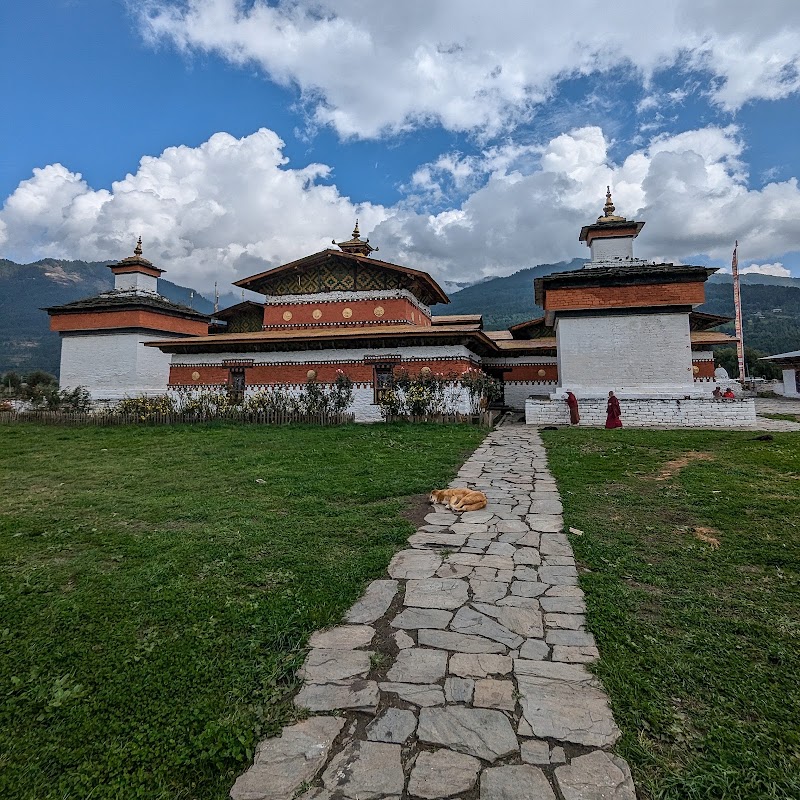
Jambay Lhakhang: ancient spirituality in Bumthang
This compact, active temple near Jakar combines deep religious significance with a quiet valley setting and centuries of Bhutanese history.