Kura Hulanda Village blends Curaçao history and culture
This restored Willemstad quarter pairs colorful architecture and a significant museum with independent shops, galleries, restaurants and cafés.

More photos

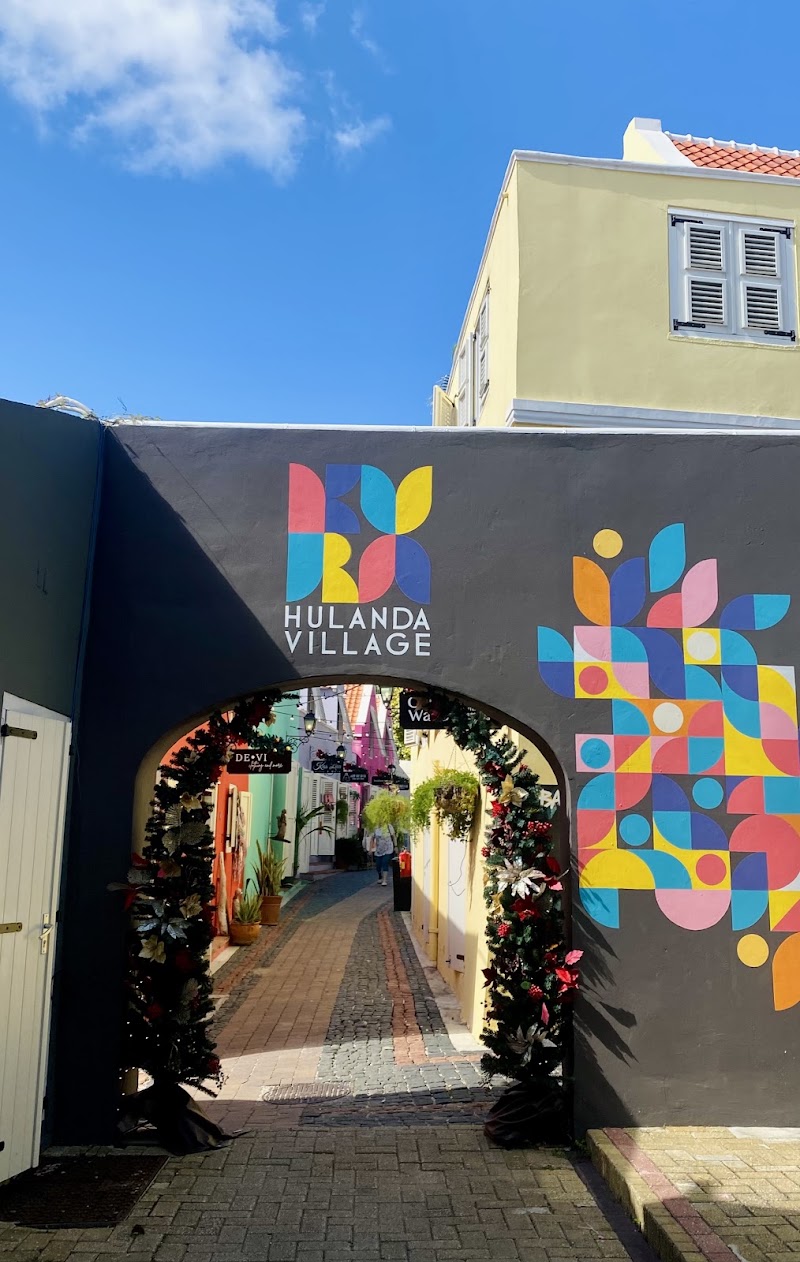
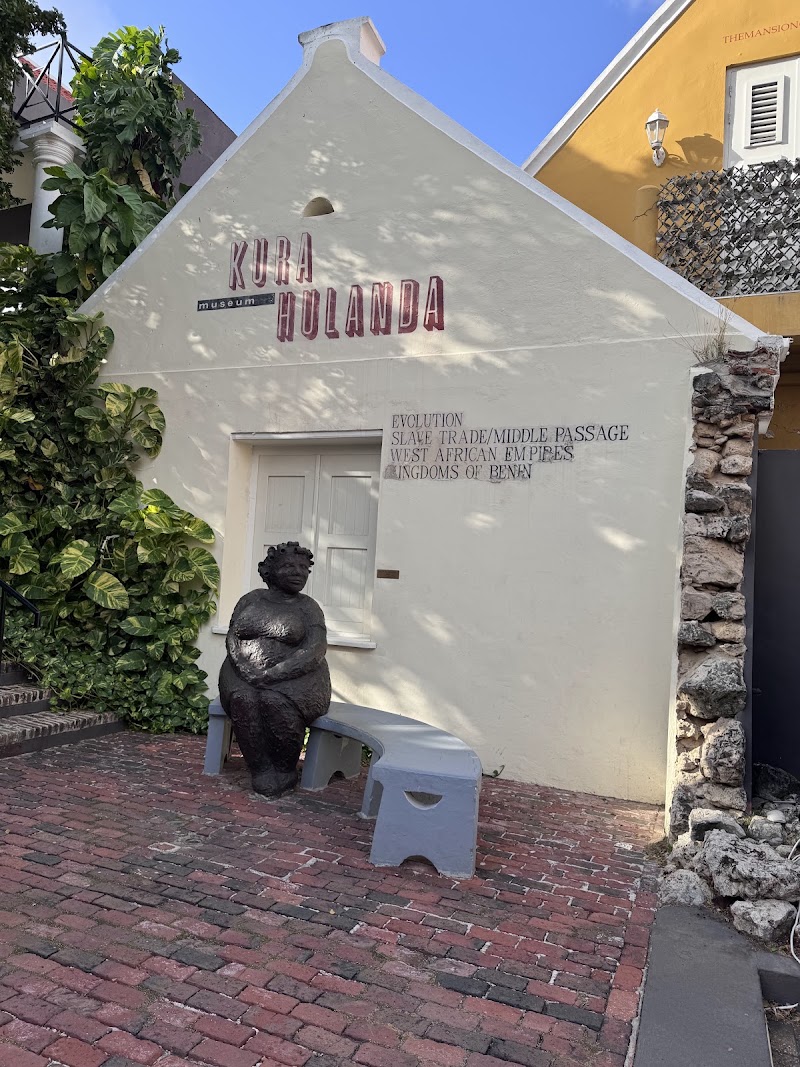
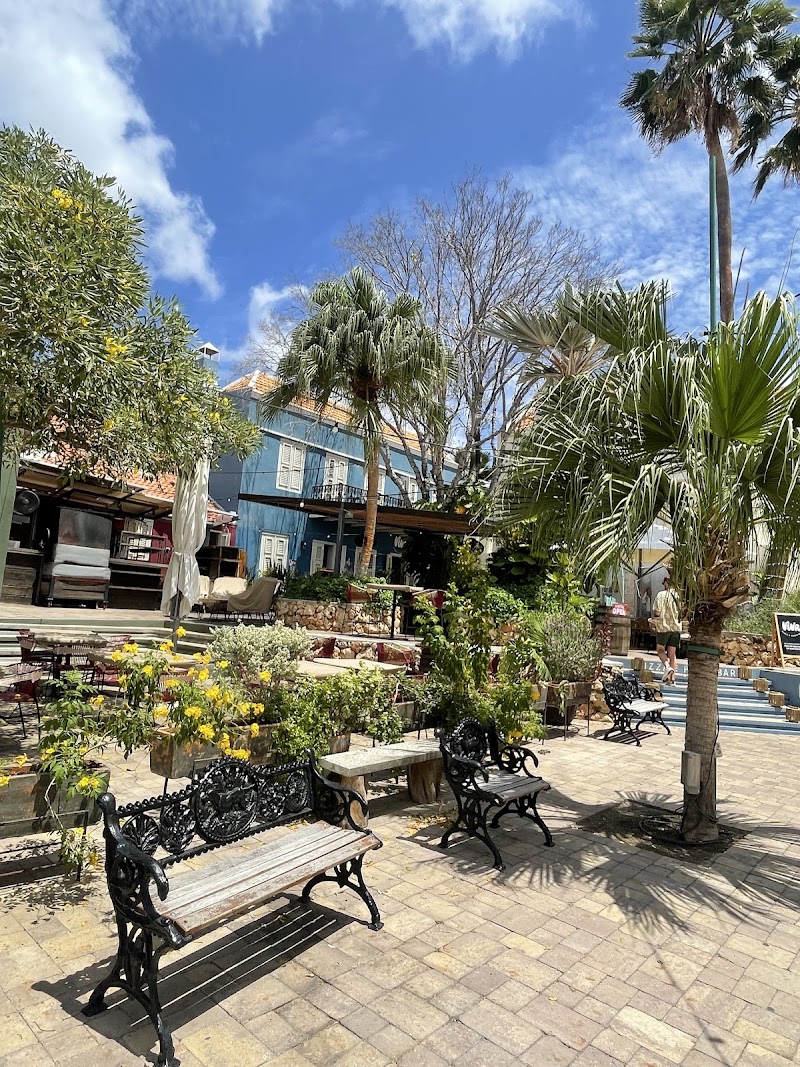

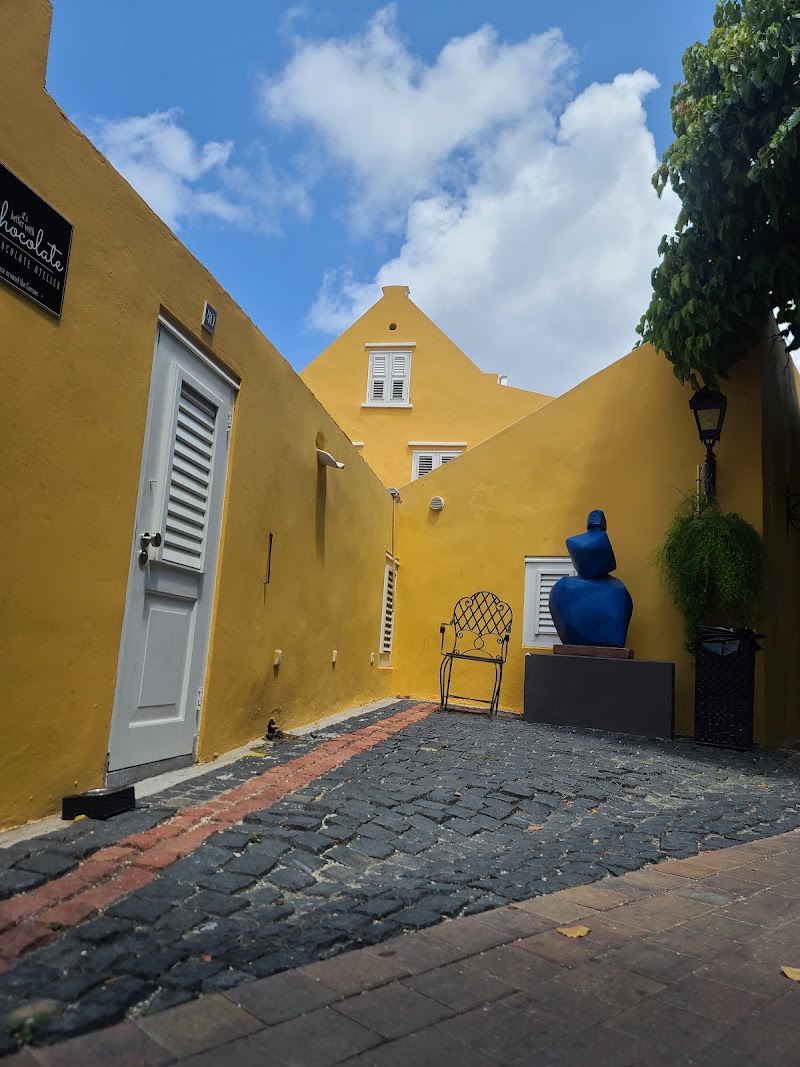
Photos published by travelers on Google, not AI generated.
What stands out
- Colorful restored historic architecture
- Museum focused on history and culture
- Independent shops and galleries
- Several restaurants and cafés
- Pleasant, walkable village atmosphere
Worth knowing
- Some shops have upscale pricing
- Museum admission is separate
Don't miss
What comes up most in public reviews
- Museum Kura Hulanda
- Restored neighborhood architecture
- Independent shops and galleries
- Village restaurants and cafés
Worth the trip?
Why it stands out
Kura Hulanda Village is not so much one monument as a restored historic quarter in central Willemstad. Colorful buildings open onto lanes and courtyards, all within a fairly compact area where visitors can take in Curaçao’s architecture, culture and food. Its Google rating stands at 4.8 from 229 reviews, a strong public response. Travellers often call the village beautiful and atmospheric, and many say they can happily spend several hours wandering around.
Variety comes up again and again in the reviews. A visit might include browsing the shops, stopping for coffee or a meal, looking over the original-style houses and going into the museum, all without leaving the complex. That makes Kura Hulanda feel broader in scope than a standard shopping precinct. Families find things to do, as do couples and travellers drawn to local history.
Museum and historic setting
The Museum Kura Hulanda gives the village its cultural weight. Reviewers regularly link a visit here with learning about Curaçao’s history, the African diaspora and slavery. Public comments indicate that the exhibitions have meaning for different ages and backgrounds. A guided tour is available for anyone looking for more context. Admission to the museum is charged separately, while the village around it is free to explore.
Plenty of visitors praise the surroundings even when they skip the museum. Historic houses and period architectural details have been retained across the restored neighborhood, recalling an earlier Willemstad. Reviews tend to advise taking time here rather than using it as a quick photo stop. The scale is intimate. Enclosed passages and bright façades make a slow walk worthwhile.
Shops, galleries and places to eat
Shopping and dining form a large part of the visit. Public reviews refer to independent stores with apparel and souvenirs, as well as galleries and several restaurants. The food choices appear broad enough for different tastes, and the cafés offer an easy place to stop between seeing the museum and visiting the shops. Travellers also mention pleasant dealings with shop owners and staff.
A few reviewers describe the shops as upscale, especially those selling clothing and souvenirs. For visitors whose main interest is history, shopping need not be the focus. The architecture and public areas can still be enjoyed on their own. Bagira Gallery is singled out for praise in one review, while the wider feedback favors the general mix of galleries and small retailers.
How long to allow
Half a day should cover a relaxed walk, a meal and time in the museum. Visitors planning a guided museum tour or a leisurely look through the shops may want longer. One reviewer thought Kura Hulanda could easily occupy most of a day. Clean public bathrooms get a mention too, a useful practical point.
Taken together, public ratings and reviews place Kura Hulanda Village among central Willemstad’s most rounded cultural stops. The museum supplies the substance, while the restored buildings give the place its character. Restaurants and shops allow visitors to shape the outing as they please. The main reservation concerns upscale prices in some stores. Even so, simply browsing the village and taking in its architecture is considered worthwhile.
Ask anything
Looking for somewhere else?
Keep exploring around Willemstad
More from Curaçao
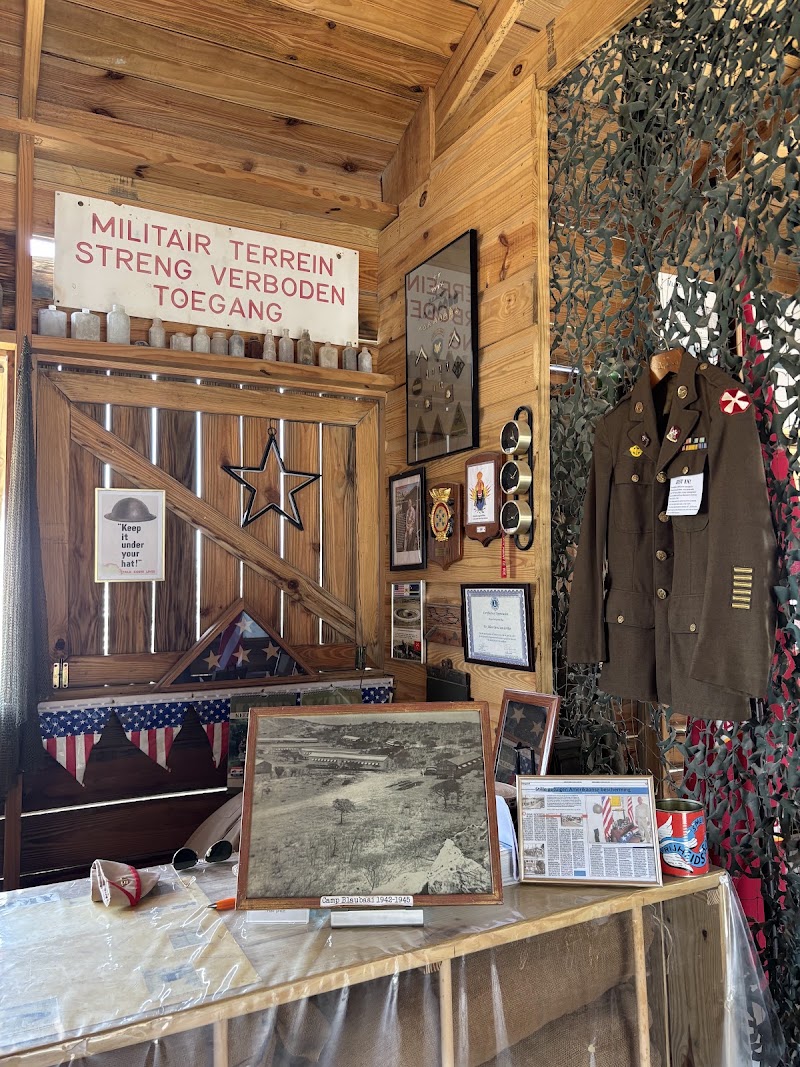
Curaçao · Blaauwbaai
WWII Museum Curaçao: Small Collection, Big Stories
This appointment-only museum in Blaauwbaai pairs Curaçao’s wartime history with detailed storytelling from founder Allan van der Ree.
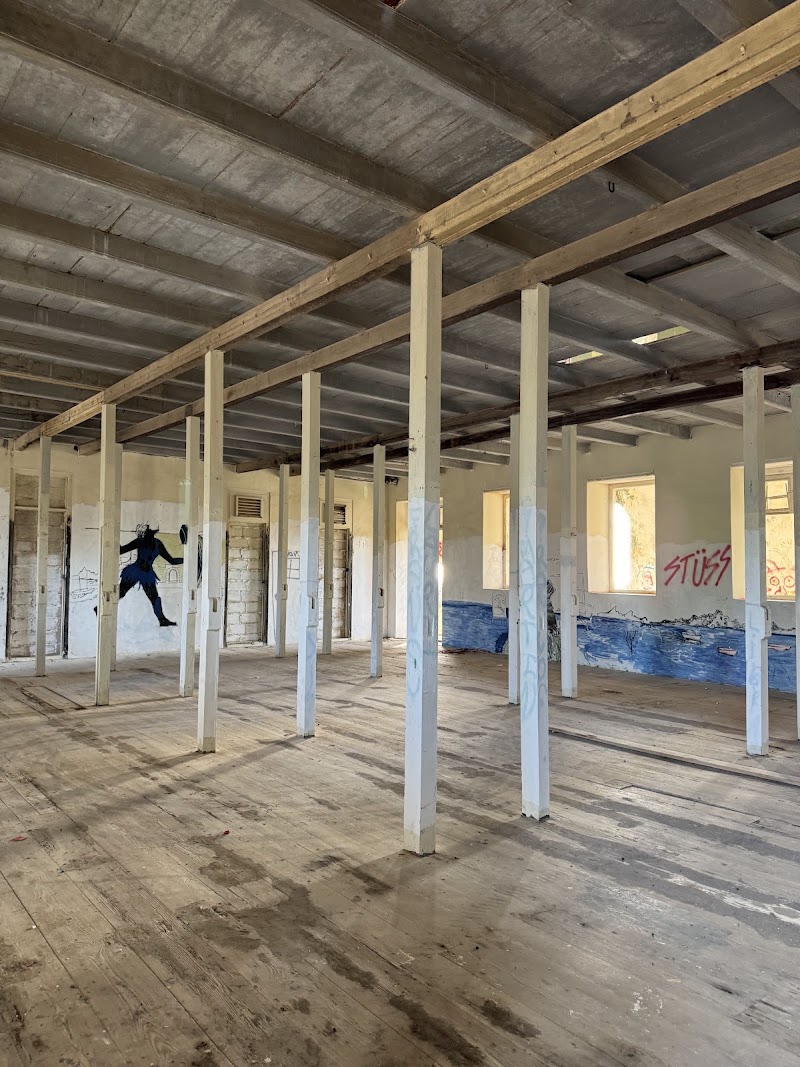
Curaçao · Willemstad
Quarantine House: Curaçao’s Atmospheric Urbex Landmark
A gutted historic building at Caracas Baai, valued for its layered past, stark architecture and coastal views despite serious deterioration.
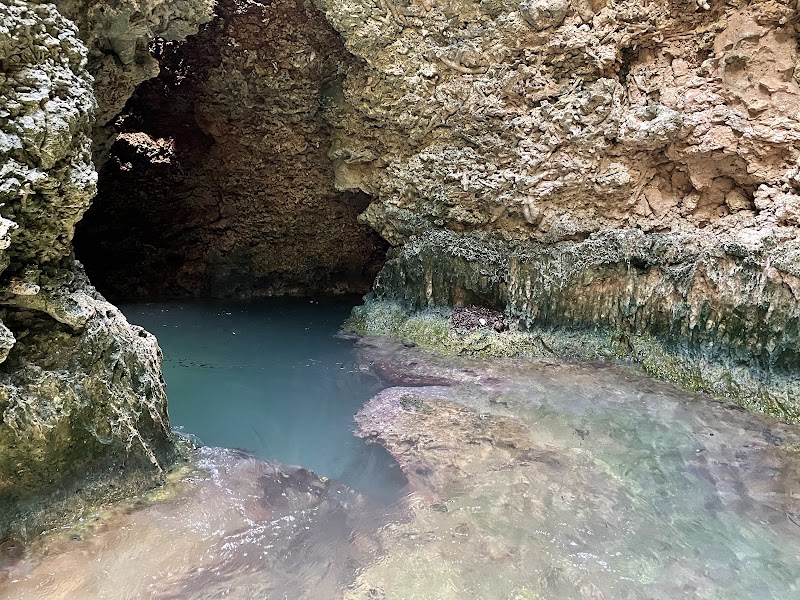
Curaçao · Westpunt
Tomasito Cave: A Rugged Detour in Westpunt
Tomasito Cave combines coastal views, steep steps and a watery cave approach, making it better as a quick adventure than a major island sight.
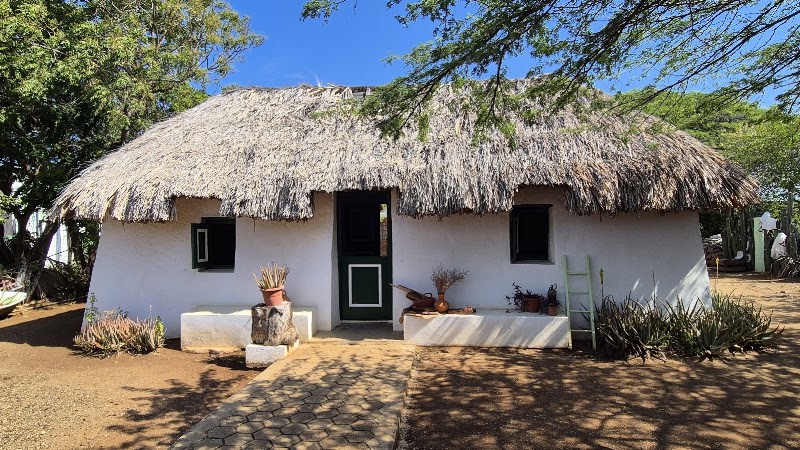
Curaçao · Dokterstuin
Kas di Pal'i Maishi: Curaçao’s Past in Everyday Detail
This preserved kunuku house in Dokterstuin explores post-emancipation rural life through domestic objects, traditional practices and lively interpretation.