Kloster St. Johann Müstair: Carolingian art and convent life
Ancient frescoes, a thoughtfully presented museum and a quiet Alpine setting make this UNESCO-listed monastery a rewarding cultural stop.
More photos


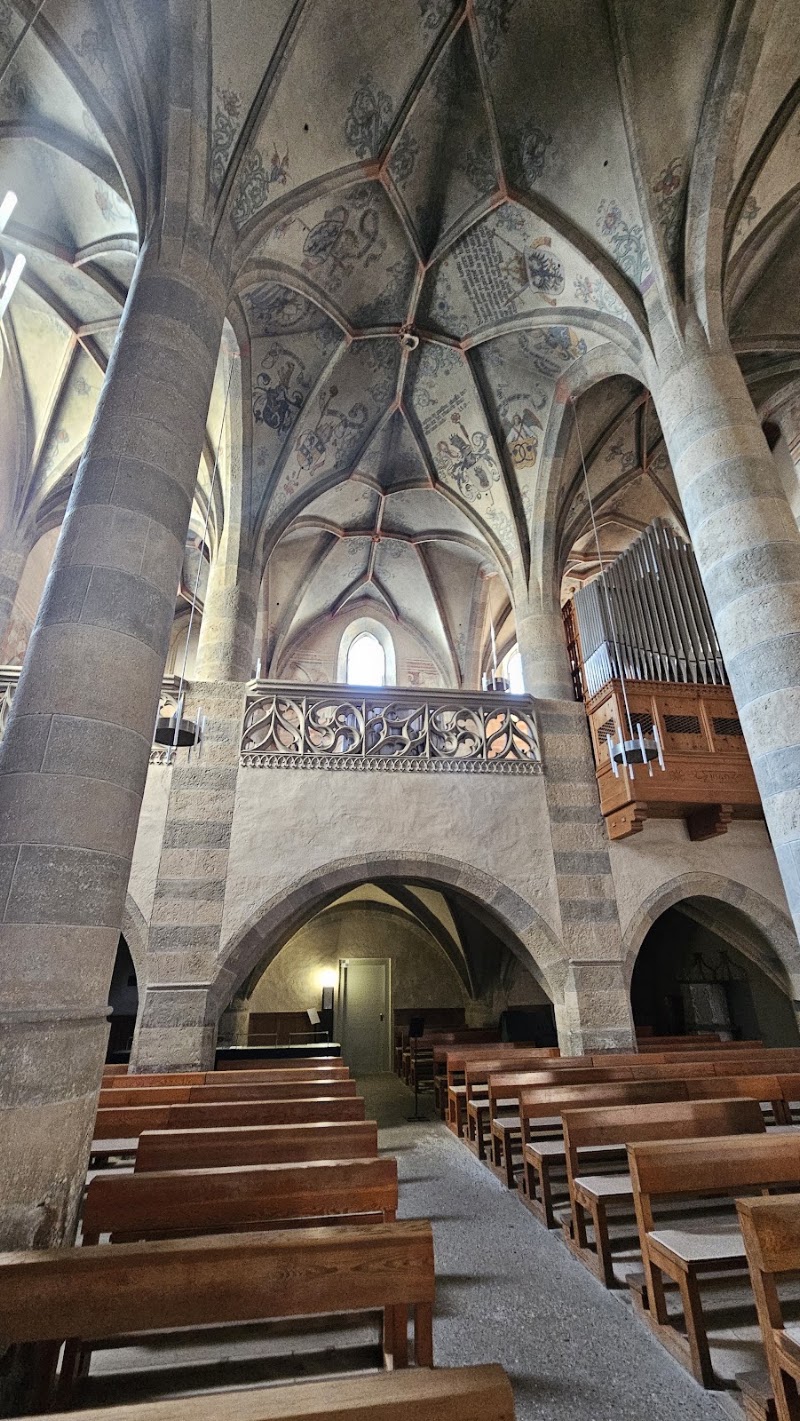
Photos published by travelers on Google, not AI generated.
What stands out
- Rare Carolingian art
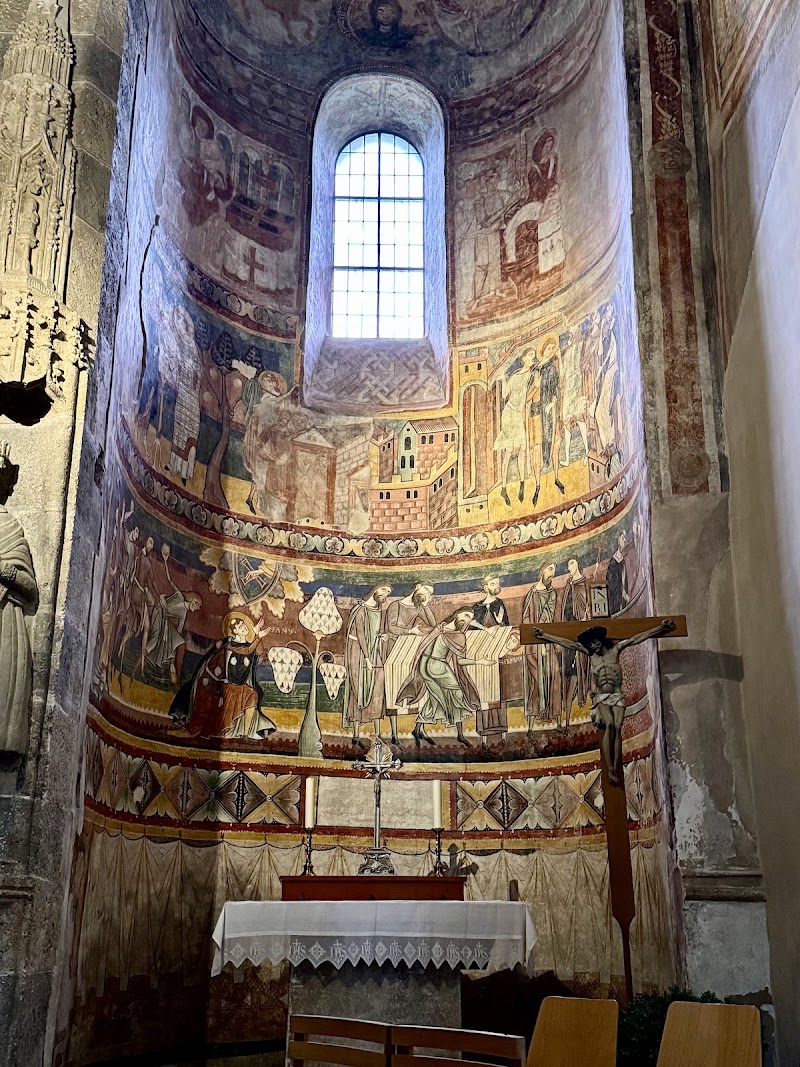
- Ancient church and chapel frescoes
- Well-presented museum
- Insight into convent life
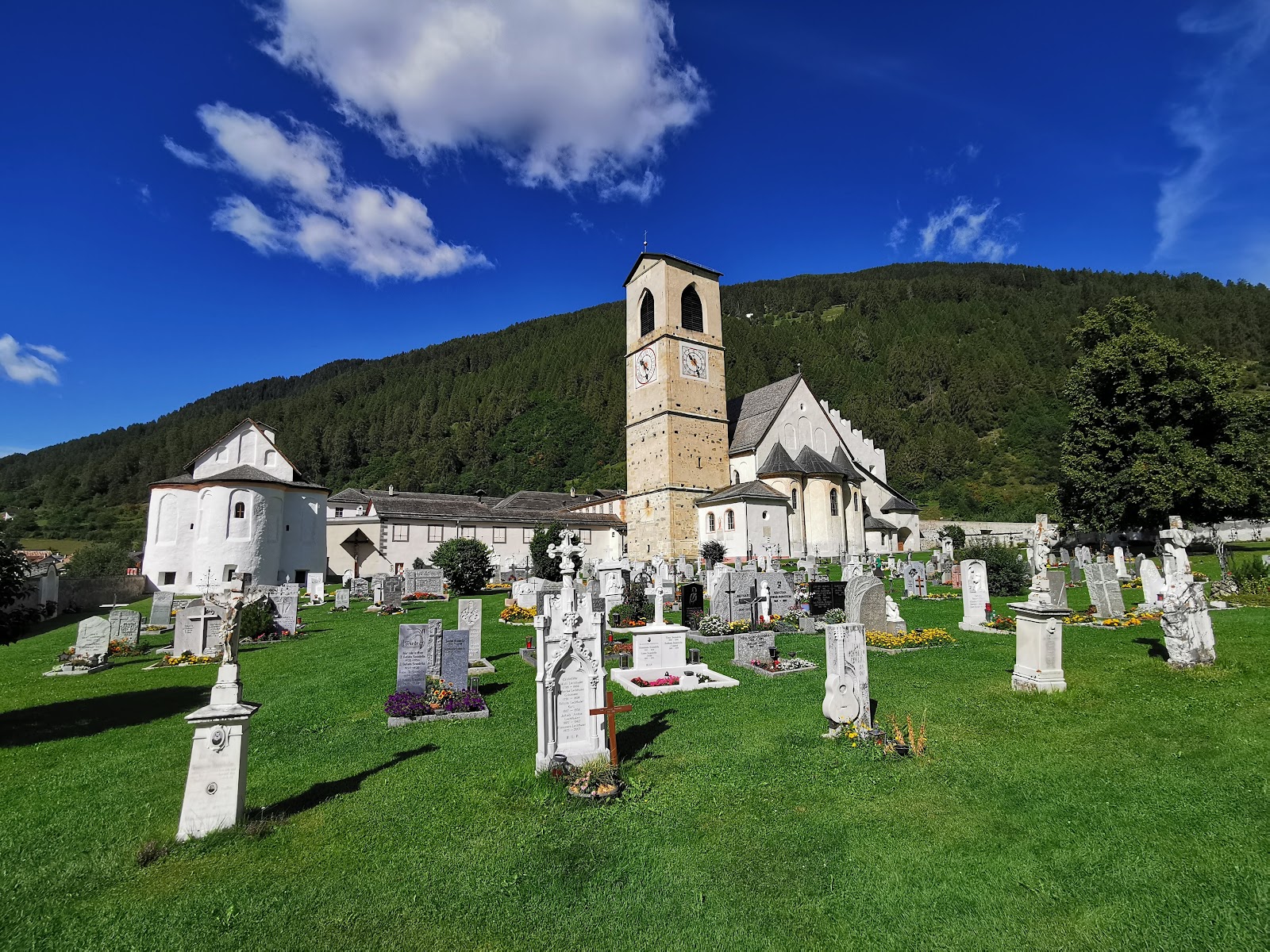
- Carefully maintained graveyard
Worth knowing
- Museum and church may follow different access hours
- Confirm current museum opening times before travelling
Don't miss
What comes up most in public reviews
- See the church frescoes
- Explore the museum displays
- Learn about the lives of the nuns
- Walk through the maintained graveyard
Worth the trip?
A rare historical encounter
Kloster St. Johann Müstair earns a strong 4.6 Google rating from 928 reviews, with public feedback repeatedly focusing on its age, preservation and unusual atmosphere. Travellers describe both the church and monastery as worth seeing, particularly for anyone interested in religious history or early European art. The opportunity to experience Carolingian art is often treated as the defining reason to visit.
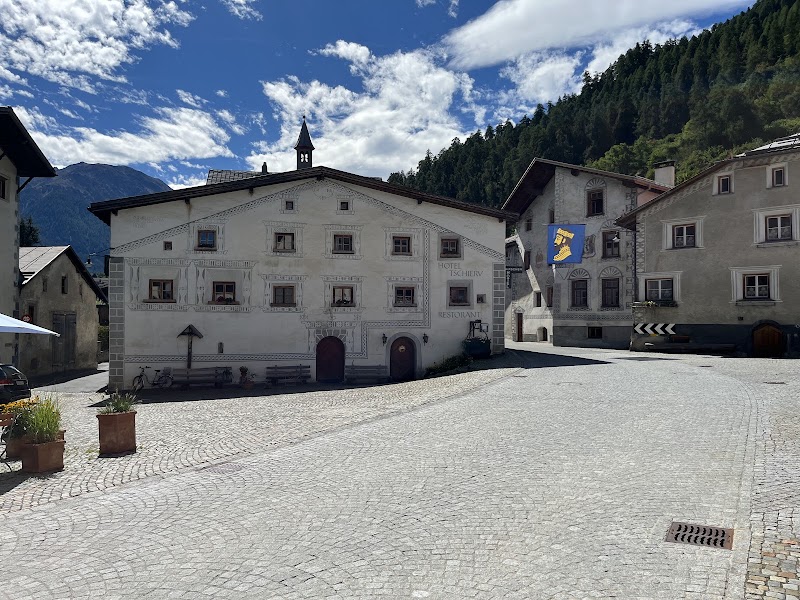
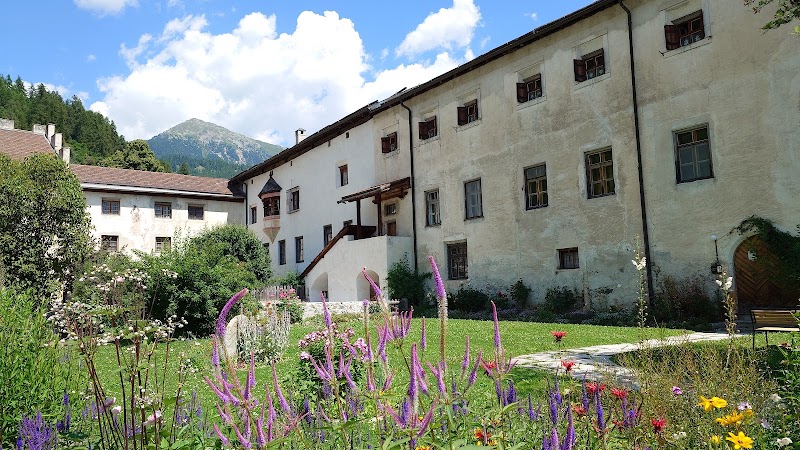
The surroundings also shape impressions. Reviewers portray the complex as a beautiful historic site among the Alps, while the silence inside adds weight to the experience. Even the carefully maintained graveyard receives praise. This is not presented as a quick photo stop so much as a place where the details, setting and sense of continuity reward unhurried attention.
Frescoes and sacred spaces
The church frescoes are the standout feature across the available reviews. Visitors emphasise their age, rarity and state of preservation, describing them as fascinating examples of art and history extending back more than a thousand years. One reviewer calls the chapel frescoes sufficient reason to make the visit, while another highlights the chance to encounter Carolingian art in complete silence.
That quiet is an important part of the appeal. Reviews suggest the church is most compelling when approached as an active sacred space rather than simply another museum gallery. The visual impact comes from the combination of ancient imagery, restrained architecture and a setting that encourages close observation.
Public feedback also identifies the monastery as a UNESCO World Heritage site. Travellers frequently connect that status with the quality of preservation, though the strongest comments remain focused on what can actually be seen: the frescoes, church interior and historic monastic complex.
Inside the museum
The museum adds context that the church alone cannot provide. Reviews describe it as interesting and well presented, with substantial information for visitors who want to explore the site more deeply. Its interpretation of convent life is singled out for offering insight into the experiences and routines of the nuns.
This makes the museum particularly worthwhile for history-minded visitors and families prepared to spend time reading displays. One family reviewer considered the museum admission fair, while several others praised the overall presentation. The available feedback does not specify every exhibit, so expectations are best centred on historical interpretation, convent life and a clearer understanding of the wider monastery.
How long to allow
A typical visit takes around one to two hours, according to reviewers. The shorter end should suit those concentrating on the church and frescoes, while museum visitors may want the full two hours to absorb the information.
Opening arrangements require some attention. One reviewer notes that published opening hours apply to the museum, while the church containing the frescoes remains open independently. As access conditions can change, visitors should still confirm current details before travelling, particularly if the museum is a priority.
Overall, the review pattern is notably consistent. Kloster St. Johann Müstair is praised for rare Carolingian art, careful preservation, informative museum displays and a calm atmosphere. It is best suited to travellers willing to slow down and engage with the history rather than rush through the complex.
Ask anything
Looking for somewhere else?
Keep exploring around Val Müstair
More from Switzerland
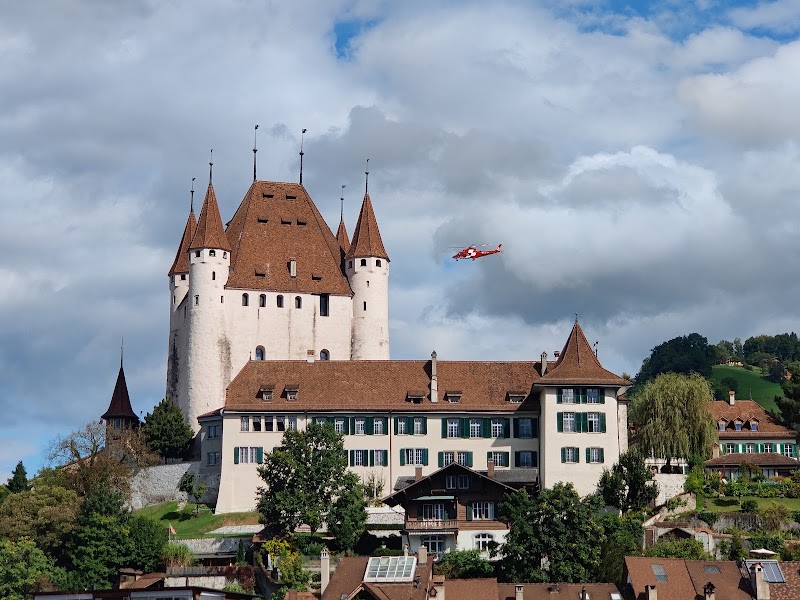
Switzerland · Thun
Thun Castle pairs medieval architecture with sweeping views
Public reviews praise this landmark above Thun for its historical exhibits, distinctive roof structure and views across the lake and mountains.
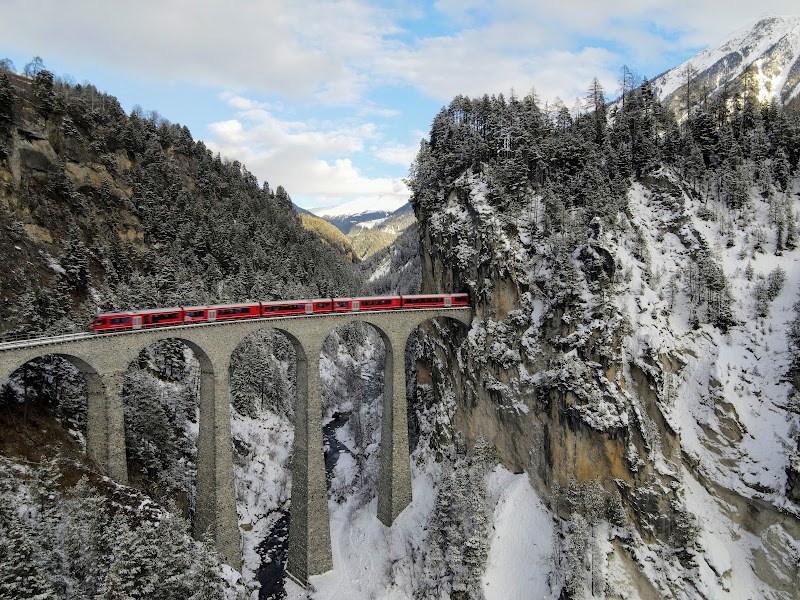
Switzerland · Schmitten
Landwasser Viaduct: Big Views and Memorable Train Crossings
A short walk from Filisur leads to striking views of this towering railway viaduct, especially when a red train crosses its curved span.
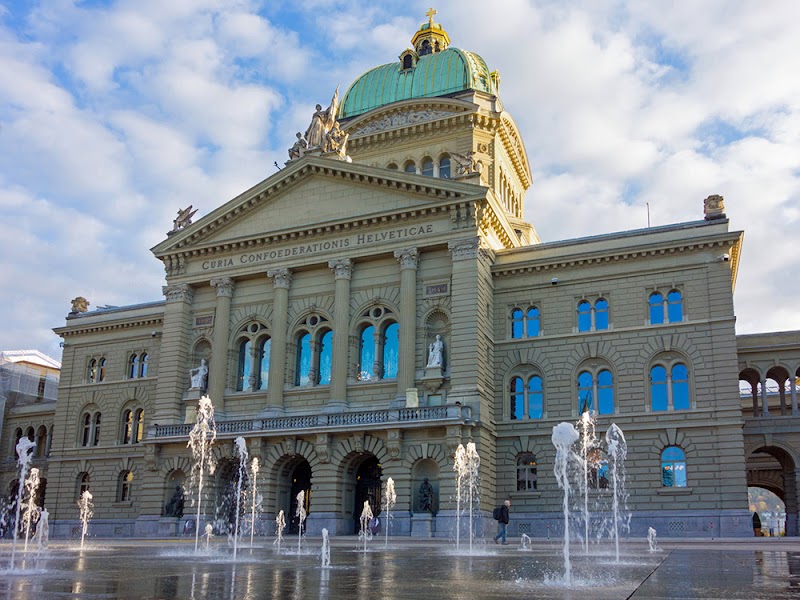
Switzerland · Bern
Parliament Building: Bern’s civic and architectural centre
Bern’s Federal Palace pairs imposing civic architecture with a lively square, guided interior access and broad views towards the river.
Switzerland · Château-d’Œx
Gruyère Pays-d’Enhaut: mountain walks and winter fun
This regional park around Château-d’Œx earns praise for its mountain scenery, relaxed walks, snowy slopes and seasonal aerial adventures.