Klondike Gold Rush National Historical Park: Seattle’s Gold Rush Story
This free, compact museum explains how the Klondike Gold Rush shaped Seattle and prepared would-be prospectors for Alaska.
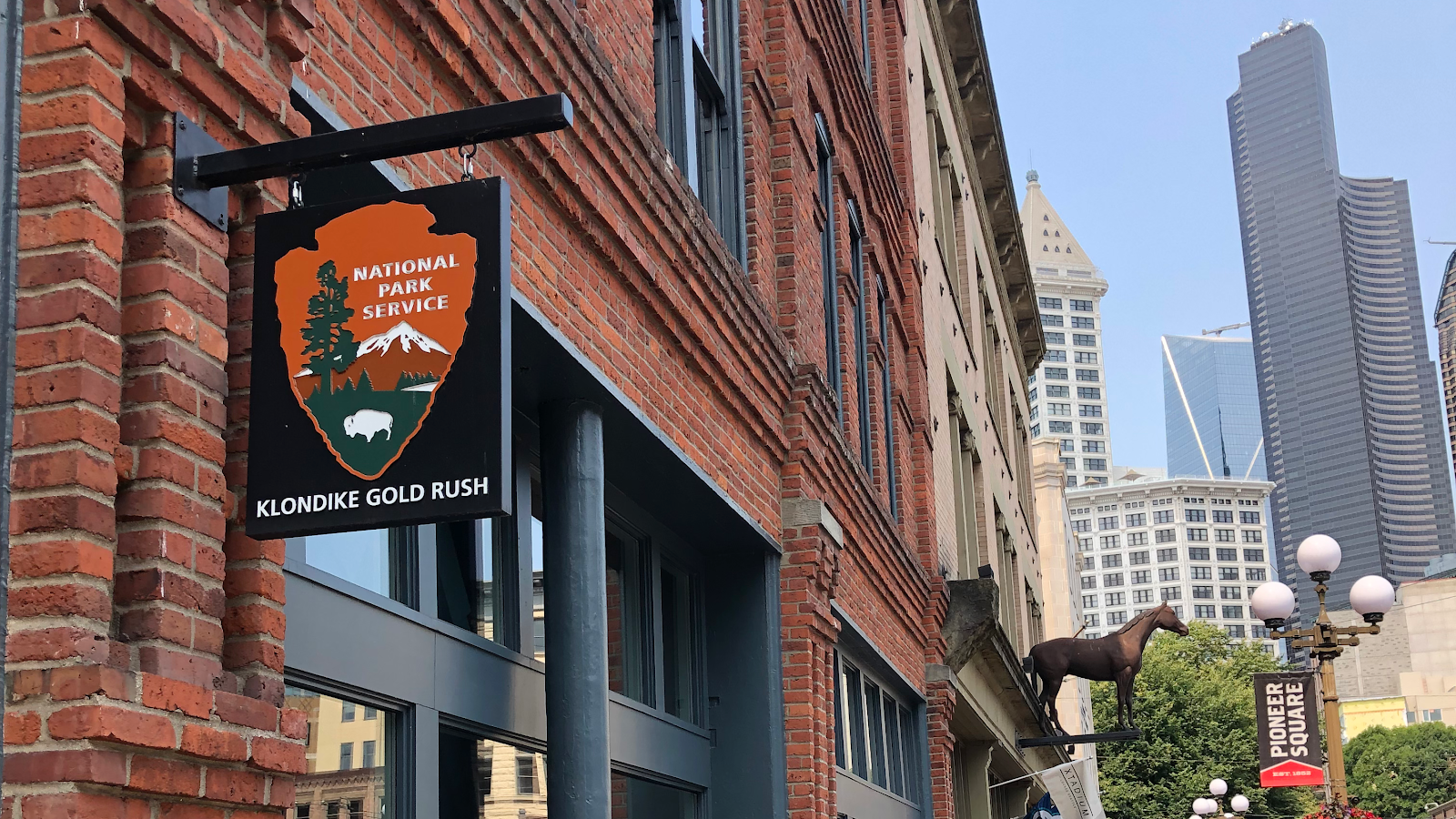
More photos
Photos published by travelers on Google, not AI generated.
What stands out
- Free, well-presented museum
- Seattle’s role in the Klondike Gold Rush
- Displays arranged over two levels
- Short films and helpful park rangers
- Gold-themed souvenirs and passport stamp
Worth knowing
- The museum is small
- The visit is focused on indoor exhibits
Don't miss
What comes up most in public reviews
- Start with the short film
- Explore both exhibit levels
- Ask the park rangers questions
- Collect a passport stamp
Worth the trip?
Why visit
Klondike Gold Rush National Historical Park gives Seattle’s Gold Rush story a clear, compact setting. Public reviews consistently describe it as a well-designed museum that explains the Klondike Gold Rush, its hardships and its successes. The focus is not only on prospectors heading north. The exhibits also show how Seattle benefited when people stopped in the city to prepare for the journey to Alaska.
That local connection is the main reason to visit. Reviewers say the museum places the rush within Seattle’s early development, including the role it played as a launching point. One visitor also noted a link to Nordstrom’s beginnings, an unexpected detail that helped make the displays feel relevant to the city beyond the gold fields.
What the visit is like
The museum is small, but reviews repeatedly say it packs in substantial historical information. Displays are arranged over two levels, with visitors moving through material about the Gold Rush and its impact. The presentation is described as informative and easy to follow, with enough context to encourage personal reflection rather than simply presenting dates and names.
Short films are a recurring part of the experience. One reviewer recommends starting with a film of about 20 minutes, while another mentions two short films. The exact programme can vary, but the reviews agree that the films are worth including in the visit. They give the exhibits a useful narrative introduction.
Park rangers also receive positive comments for working well with the public. That makes the site a practical stop for visitors who want more than a quick look at display cases. Questions are worthwhile here.
Small details that add interest
Several reviews mention the souvenir shop. It offers a place to collect a passport stamp, and visitors have also noticed small gold-themed souvenirs and double-sided coins. Those details suit the subject without taking over the experience.
The museum’s strongest quality is its accessibility. Reviewers call it free, well presented and suitable for visitors who want to understand a pivotal moment in Seattle’s history without committing to a large attraction. It works as a focused historical stop during time in the city.
Who it suits
This is best for travellers interested in Seattle history, the Klondike Gold Rush or the relationship between cities and major migration events. Families and casual visitors may also find it approachable because the exhibits are compact and the films break up the reading.
The main limitation is scale. This is not a sprawling park experience in the reviews provided, but a small museum with a concentrated subject. Visitors looking for an expansive outdoor attraction should set expectations accordingly. For an informative, free stop with a strong local connection, the public feedback is notably consistent. Google reviewers give it 4.7 from 1625 reviews.
Plan the rest of the trip
Ask anything
Looking for somewhere else?
Keep exploring around Seattle
More from United States
United States
Grand Teton National Park: Mountain Views and Wildlife
Public reviews describe Grand Teton National Park as a peaceful, scenic base for lake walks, wildlife watching and high-country hikes.
United States
Grand Staircase-Escalante rewards curiosity and self-reliance
Grand Staircase-Escalante National Monument offers vast scenery, quiet dirt roads and unstructured exploration across southern Utah.
United States
Capitol Reef National Park Rewards Slow, Scenic Exploring
Public reviews highlight Capitol Reef’s manageable hikes, striking drives, Fruita orchards and famously popular pies.
United States
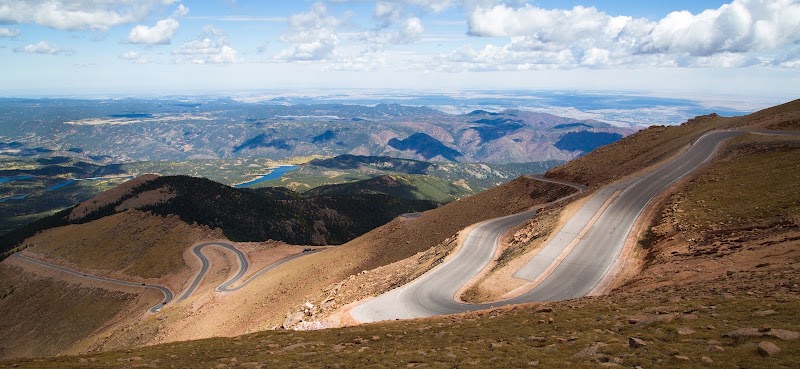
Pikes Peak Delivers Big Views by Road or Railway
Public reviews rate Pikes Peak highly for summit views, scenic driving, cog railway rides and a memorable high-altitude stop.