King Yin Lei: Grand Architecture, Limited Access
This 1937 mansion pairs Chinese Renaissance design with colonial-era scale, but visitors need to confirm access before setting out.
More photos


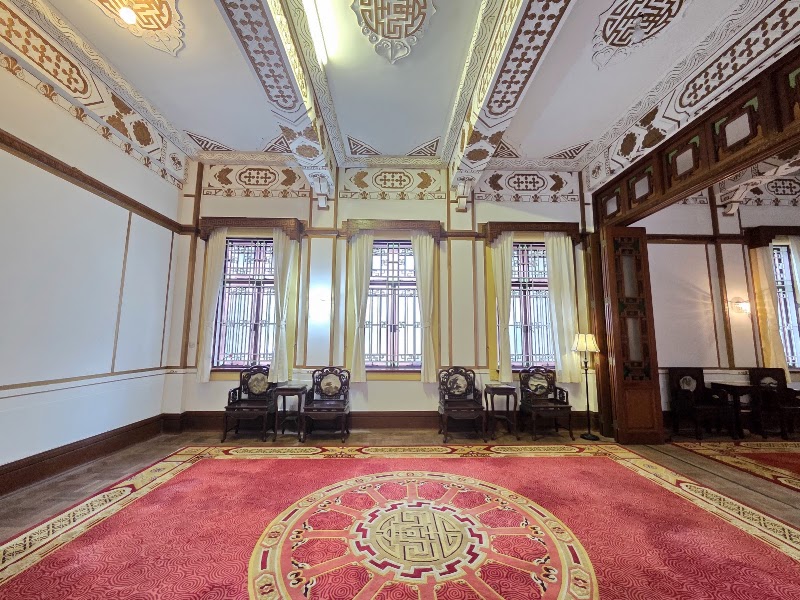
Photos published by travelers on Google, not AI generated.
What stands out
- Chinese Renaissance architecture
- Chinese and colonial historical fusion
- Three-storey mansion and balconies
- Views across Hong Kong
- 1937 social history
Worth knowing
- Access may be by appointment only
- Online opening details may be unreliable
- Interior access is not always available
Don't miss
What comes up most in public reviews
- Confirm a guided tour in advance
- Ask about English or Cantonese briefings
- Study the red-brick exterior and roof details
- Look for the balcony views
- Photograph the mansion exterior
Worth the trip?
Why it stands out
King Yin Lei earns a Google rating of 4.1 from 274 reviews, with public feedback focusing on its architectural importance, layered history and frustratingly limited access. Built in 1937, the mansion is widely described as one of Hong Kong’s strongest surviving examples of Chinese Renaissance architecture.
Reviewers are particularly interested in the social history behind the property. One account highlights that it was commissioned by a Chinese woman entrepreneur during a period when women and Chinese residents faced significant barriers within the upper levels of colonial Hong Kong society. That context gives the house more weight than its impressive appearance alone might suggest.
The property was saved from demolition in 2007, according to the reviews, but its long-term use remains unclear. Several visitors consequently describe King Yin Lei as a significant landmark that remains surprisingly difficult for the public to experience fully.
Architecture and views
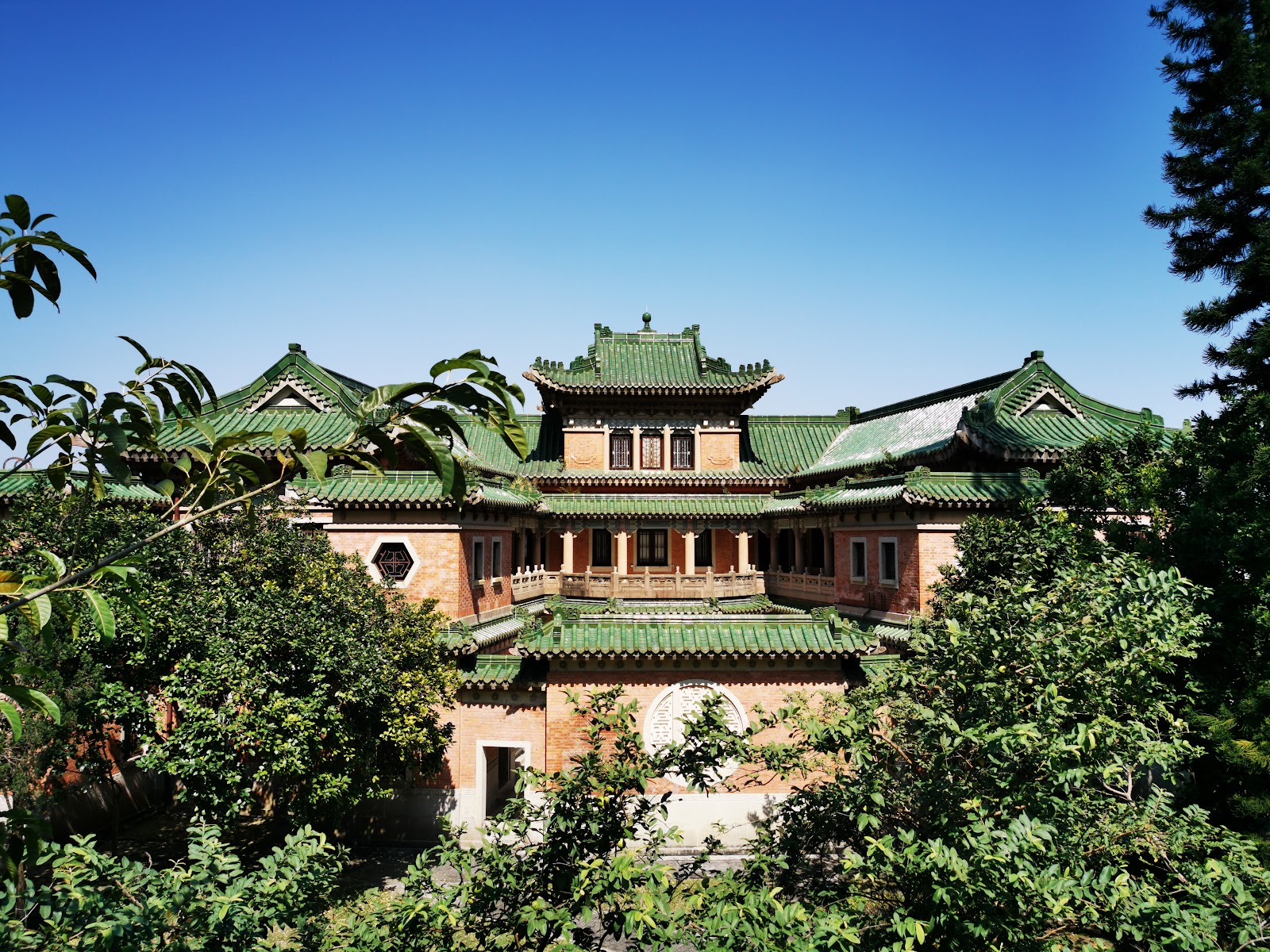
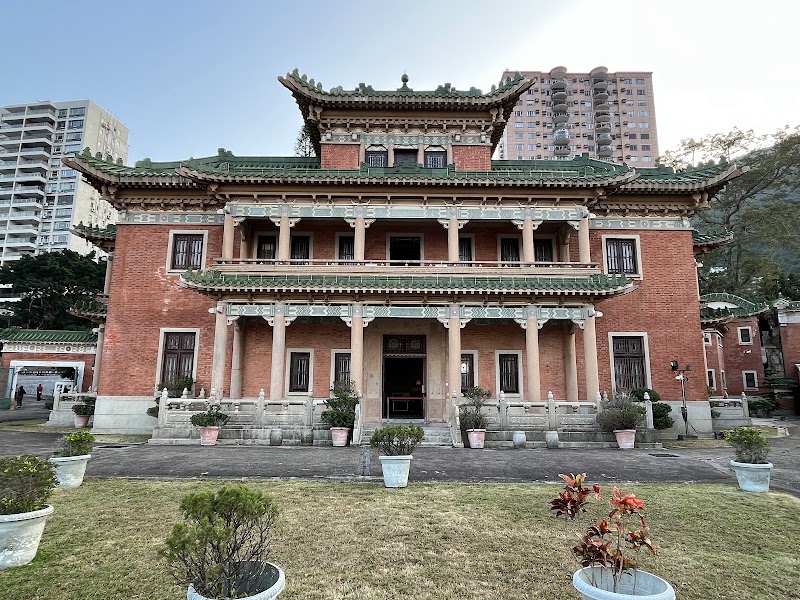
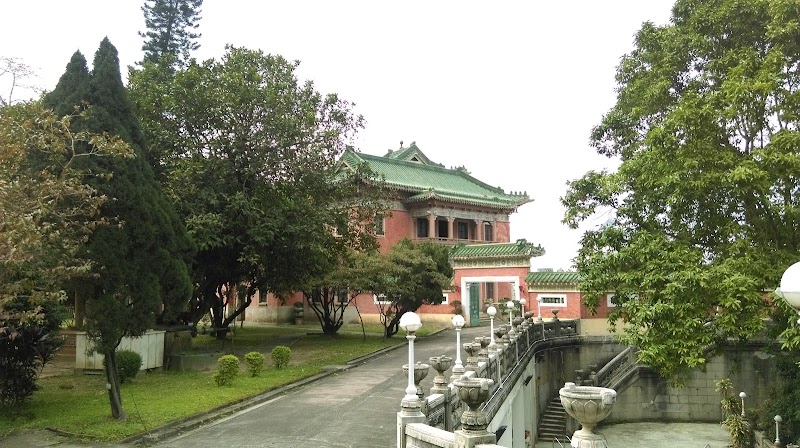
The building’s fusion of Chinese and colonial influences is the main attraction. Reviews describe a sprawling, three-storey residence with red-brick walls, Chinese-style roof details, broad balconies and an exuberant sense of scale. One reviewer attributes the design to British architect Fenton-Raven and places the site at roughly 4,700 square metres.
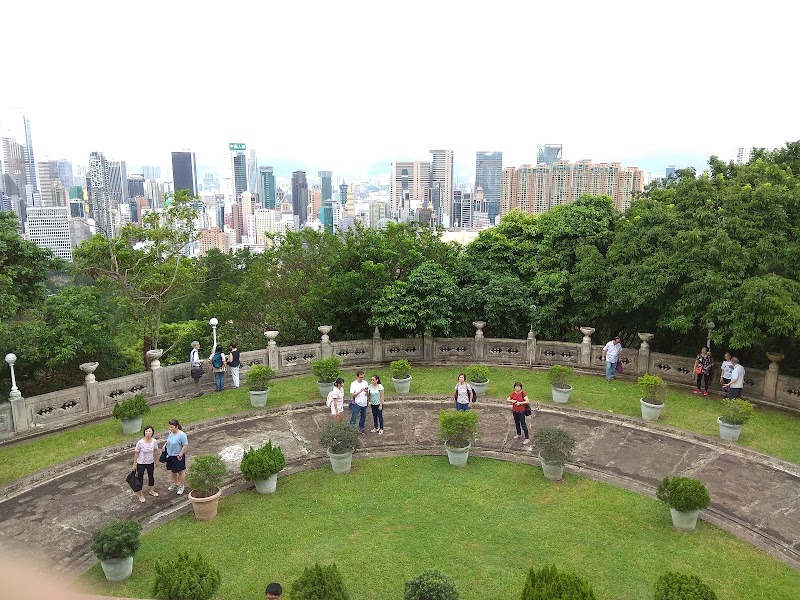
Balconies with expansive views across Hong Kong are among the most praised features. Even when the mansion is closed, visitors report stopping to photograph the exterior. That can still offer a glimpse of the building’s proportions and decorative roofline, although it is clearly a lesser experience than seeing the interior on a guided visit.
Tours and access
Access is the recurring weakness. Reviews indicate that King Yin Lei may open only by appointment or for arranged tours, while online opening information has not always matched conditions on arrival. At least one visitor found the property closed and could do little beyond taking exterior photographs.
A more positive account describes staff responding helpfully when heavy rain caused a guest to arrive late for an English-language tour. The visitor was moved to a Cantonese tour and still received English briefings. This suggests accommodating on-site service when tours are operating, but it does not remove the need to verify arrangements in advance.
Prospective visitors should therefore treat advance confirmation as essential rather than relying solely on displayed opening hours. Asking specifically about tour language, appointment requirements and interior access could prevent a wasted journey.
Editorial verdict
King Yin Lei appears most rewarding for architecture enthusiasts and travellers interested in Hong Kong’s Chinese and colonial history. Its 1937 design, imposing scale and unusual social backstory make it an important place to understand, while the balconies and exterior provide strong visual interest.
The chief limitation is practical: public access can be uncertain, and several reviews suggest that the mansion’s status is not communicated clearly enough. With a confirmed guided tour, it promises a focused and memorable historical visit. Without one, the experience may be reduced to exterior photographs from outside the closed property.
Ask anything
Looking for somewhere else?
Keep exploring
More from Hong Kong
Hong Kong
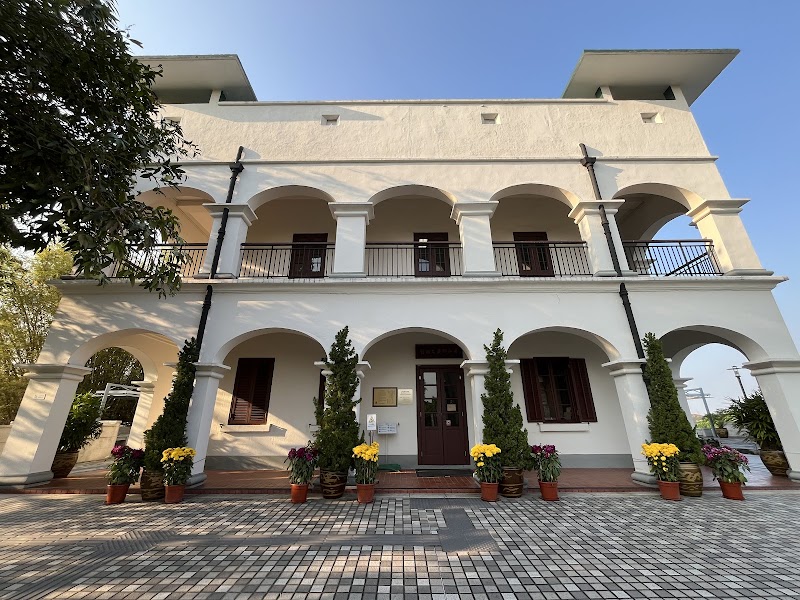
Ping Shan’s clan history in a preserved police station
This compact heritage centre pairs a simple local exhibition with a renovated historic building and hilltop views over the surrounding area.
Hong Kong
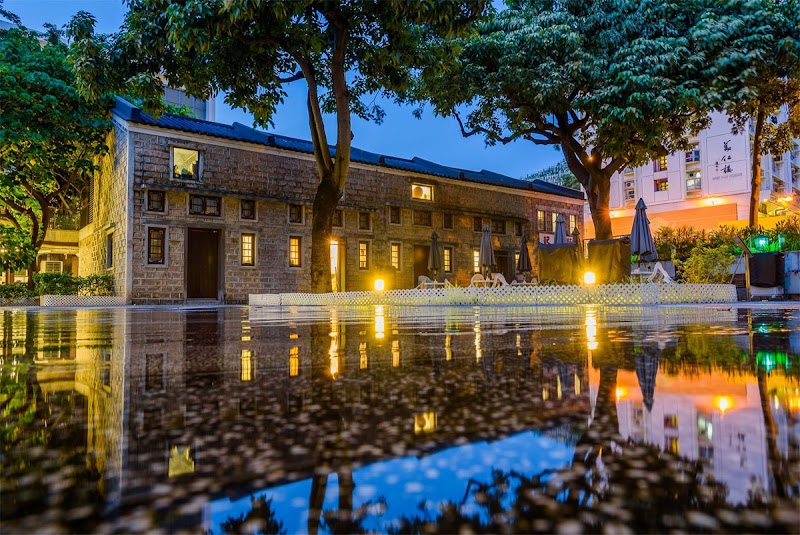
Stone Houses Family Garden: Heritage, café and local stories
This compact Kowloon City heritage stop combines a small neighbourhood museum, a garden and a café in a former school building.

Hong Kong
Heritage of Mei Ho House: Hong Kong’s Housing Story
This Sham Shui Po museum uses restored living spaces and guided tours to illuminate Hong Kong’s public housing history and postwar social change.
Hong Kong
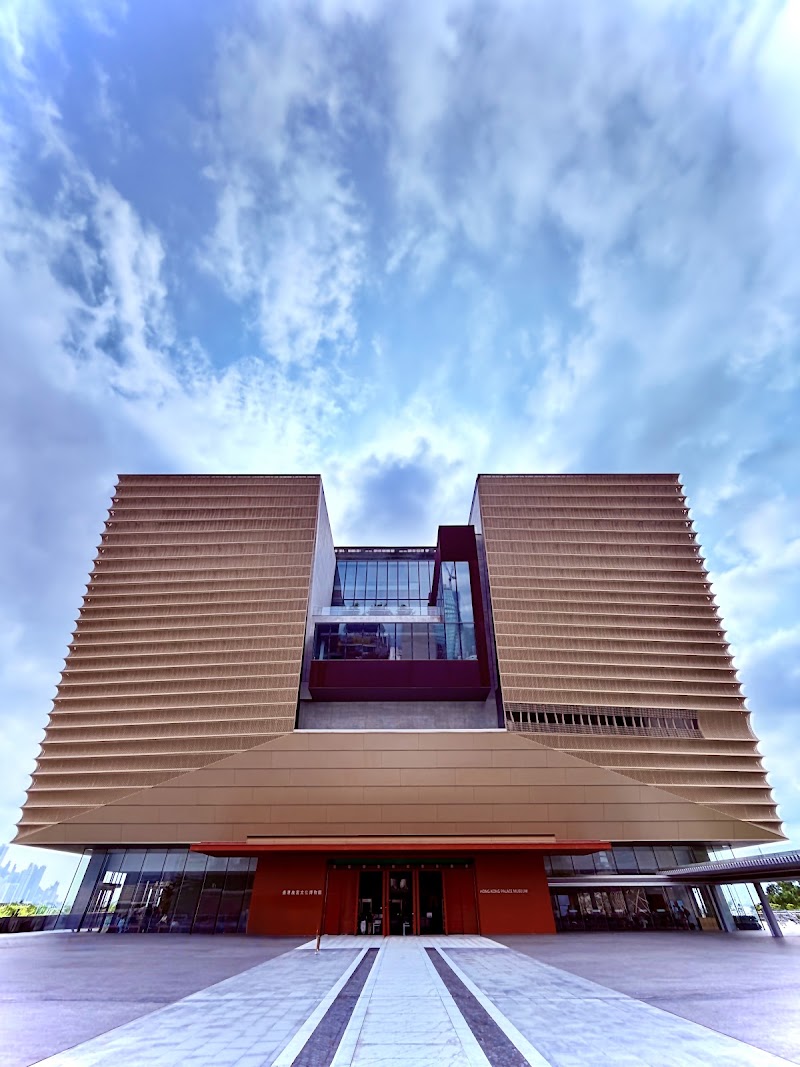
Hong Kong Palace Museum: Imperial Art by the Harbour
Strong public reviews praise its imperial treasures, engaging displays, modern architecture and thoughtfully curated visiting exhibitions.