King's Palace Museum: Royal History and Sacred Cattle
Nyanza’s royal museum pairs a full-scale traditional palace replica with guided history, supporting houses and striking long-horned sacred cattle.
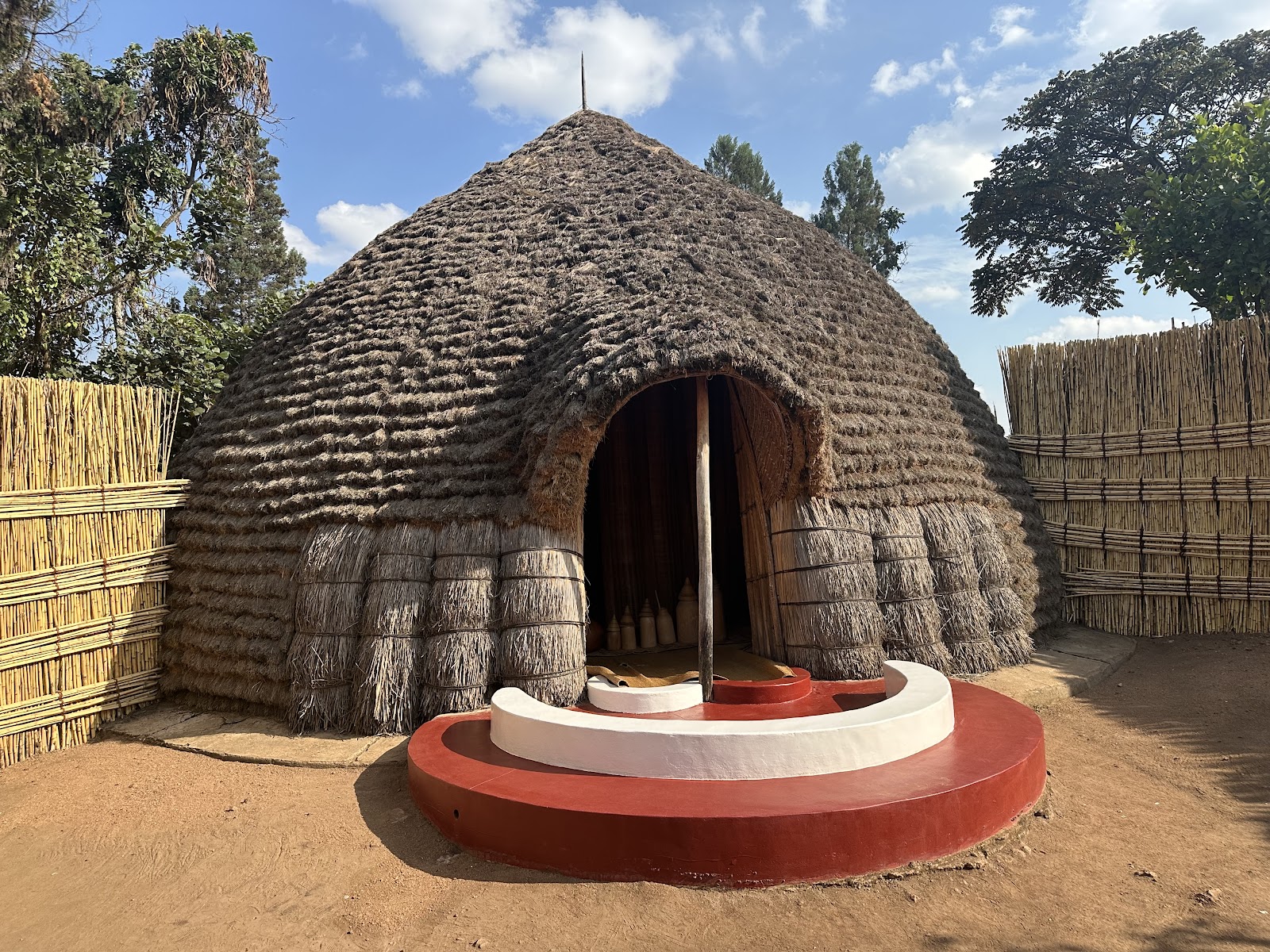
More photos
Photos published by travelers on Google, not AI generated.
What stands out
- Full-scale traditional palace replica
- Milk house and beer house
- Modern palace of Rwanda’s last king
- Sacred long-horned cattle
- Knowledgeable guided tours
Worth knowing
- Some visitors find the experience underwhelming
- Dance performances may not be part of every visit
Don't miss
What comes up most in public reviews
- Tour the traditional palace replica
- See the milk house and beer house
- Visit the modern royal palace
- Meet the sacred long-horned cattle
- Ask about French-language guiding
Worth the trip?
Why visit
King's Palace Museum offers an accessible introduction to Rwanda’s monarchy, royal customs and traditional architecture. Public feedback is strongly positive, reflected in its Google rating of 4.6 from 685 reviews. Travellers repeatedly describe the museum as an important stop for understanding the country’s heritage, although a minority find the experience more informative than spectacular.
The principal attraction is a full-scale replica of a traditional royal palace. Its sweeping woven forms and hut-like interiors make an immediate visual impression, with one reviewer comparing the setting to a scene from a film. Rather than presenting history only through display cases, the site uses reconstructed spaces to illustrate how court life was organised.
What the tour covers
Reviews indicate that guided interpretation is central to the visit. Travellers praise guides for their knowledge of royal traditions, clear explanations and enthusiasm. One group received a French-language tour and reported learning a great deal, suggesting that visitors with language requirements should ask what is available when arranging their visit.
The traditional palace is accompanied by two purpose-specific structures: the milk house and the beer house. These help broaden the story beyond the king’s main residence and give the guide useful context for explaining routines, customs and ceremonial life.
Tours also include the modern palace built by the Belgians and later occupied by Rwanda’s last king and his family. That contrast between traditional architecture and the later residence appears to be one of the museum’s most useful features, showing different chapters of royal history within the same attraction.
The standout experience
Across the sample reviews, the sacred cattle are the most consistent crowd-pleasers. Their exceptionally large horns make them visually memorable, and even a traveller who found the museum underwhelming singled out the cows as amazing. For visitors who arrive with limited prior knowledge of Rwanda’s royal traditions, the guide’s explanation is likely to make this encounter more meaningful than a quick photo stop.
One reviewer also encountered a group performing dances during the visit. This added energy to the experience, but the account suggests it was a fortunate coincidence rather than a standard, scheduled part of every tour. Travellers should treat any performance as a possible bonus, not a certainty.
Verdict
Synthesised public feedback presents King's Palace Museum as a worthwhile cultural stop, particularly for travellers seeking context on Rwanda’s monarchy and heritage. The strongest visits seem to depend on engaging with a knowledgeable guide rather than simply walking through the grounds.
Expect a focused museum experience rather than a vast collection or high-impact spectacle. Some visitors may feel it lacks a major “wow” moment beyond the cattle, but the palace replica, supporting houses, modern residence and guided storytelling together create a coherent historical visit. It fits comfortably into half a day and works especially well as part of a wider Rwanda cultural itinerary.
Plan the rest of the trip
Ask anything
Looking for somewhere else?
Keep exploring around Nyanza
More from Rwanda
Rwanda · Kigali
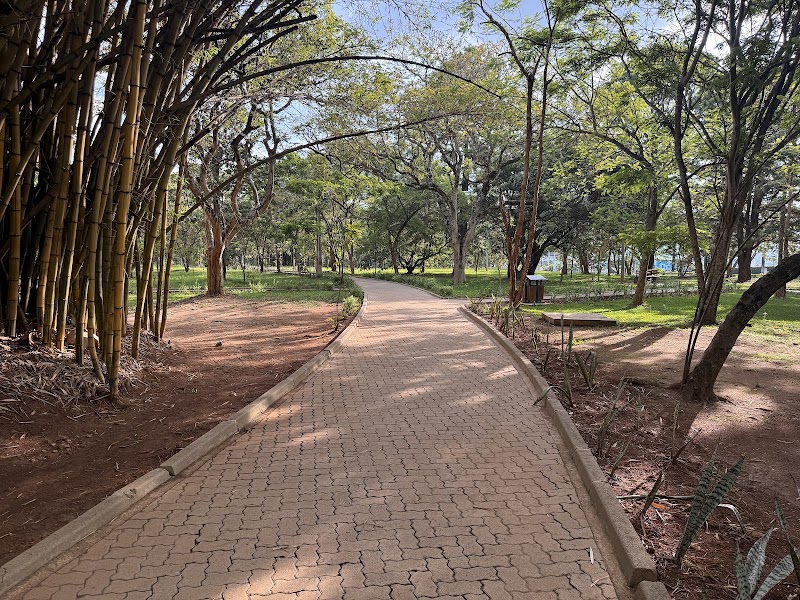
Kimihurura Roundabout Park: Kigali’s Calm Urban Green Space
A clean, well-kept Kigali park with paved paths, a running loop, seating, toilets and enough greenery for an easy city break.
Rwanda · Musanze
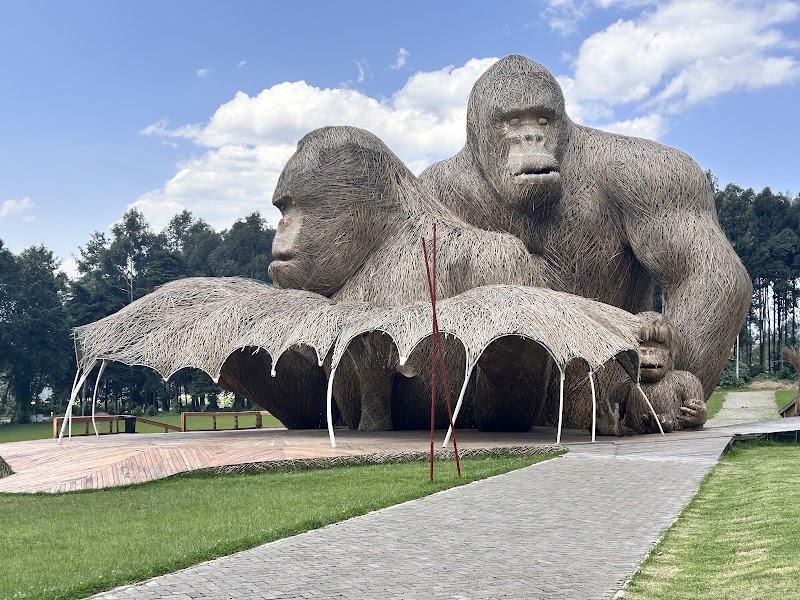
Kwita Izina Grounds: Gorilla Naming Ceremony Setting
A scenic Musanze attraction linked to Rwanda’s annual gorilla naming ceremony, with hiking terrain, cultural context and strong visitor feedback.
Rwanda · Kayumba
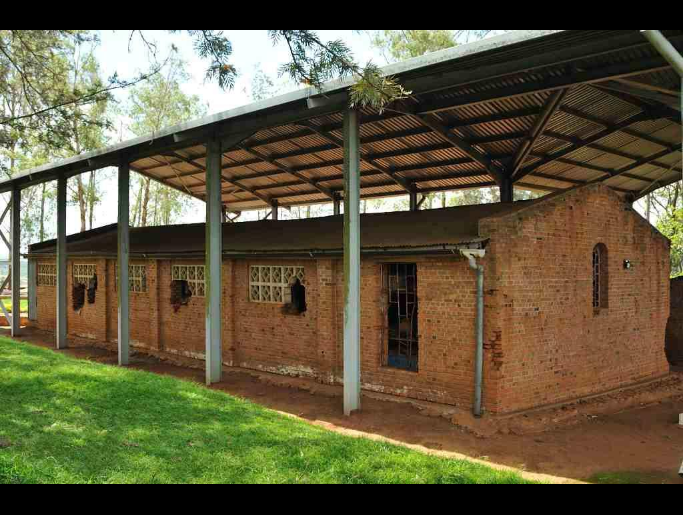
Ntarama Genocide Memorial: A Serious Place of Remembrance
Public reviews describe Ntarama as a harrowing, carefully preserved memorial where guided interpretation supports difficult historical reflection.

Rwanda · Kigali
Niyo Arts Center: Kigali’s Creative, Welcoming Gallery Stop
Public reviews describe a calm Kigali arts venue with locally made work, artist interaction, a café and occasional community performances.