Kigali Genocide Memorial: Essential, Difficult History
Kigali’s principal memorial offers a deeply affecting account of the 1994 Genocide against the Tutsi and a place to remember its victims.
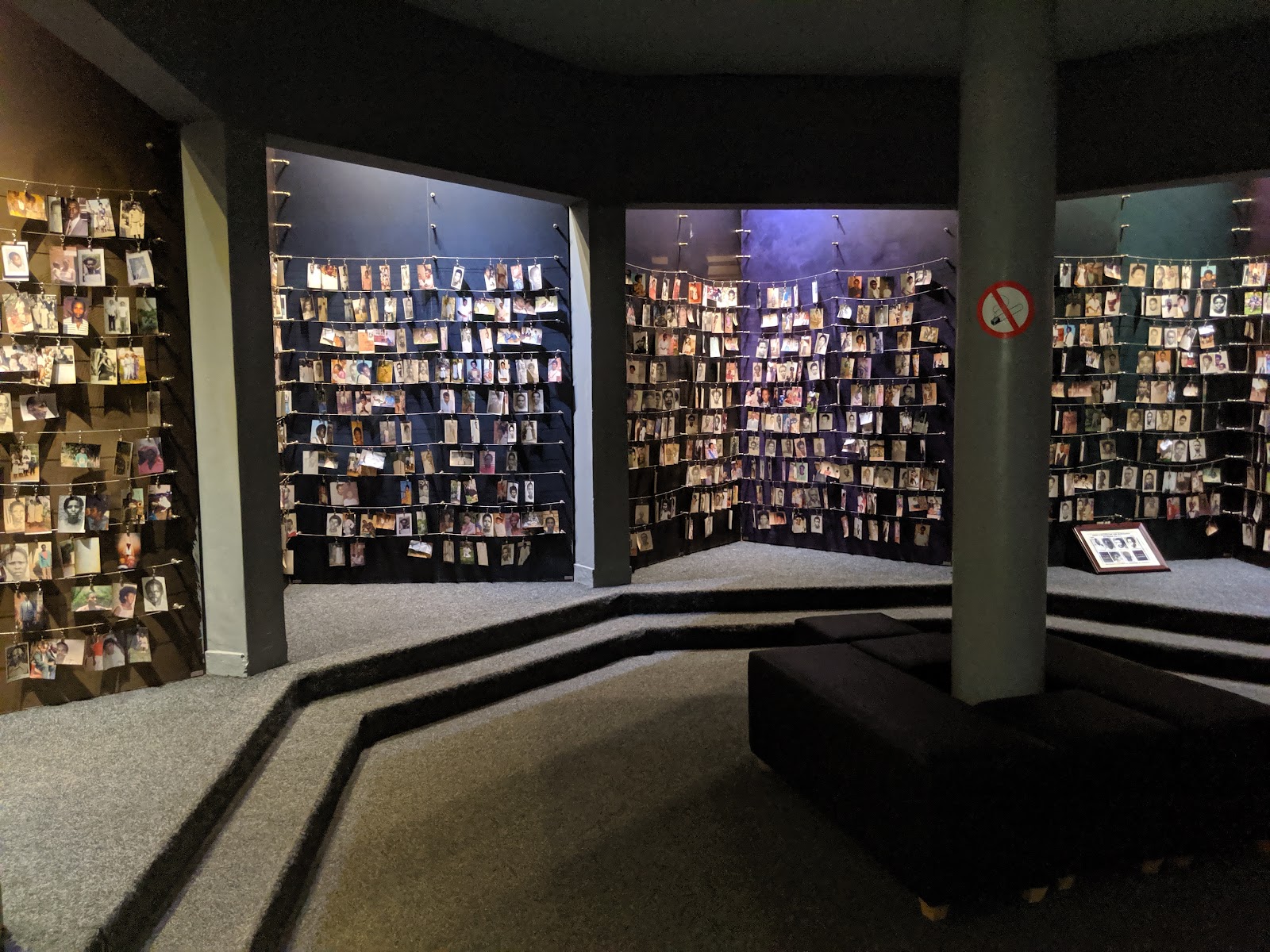
More photos
Photos published by travelers on Google, not AI generated.
What stands out
- Powerful historical storytelling
- Tribute to victims of the genocide
- Easy-to-navigate presentation
- Welcoming staff
- Deeply reflective atmosphere
Worth knowing
- Disturbing images and accounts
- A highly emotional experience
- Not suited to a rushed visit
Don't miss
What comes up most in public reviews
- Historical exhibits on the genocide
- Stories of lives and communities affected
- The memorial tribute to victims
Worth the trip?
Why it matters
Public reviews repeatedly place Kigali Genocide Memorial among the city’s most important places to visit, and one of its most emotionally demanding. Its Google rating is 4.7 from 4885 reviews. This is not conventional sightseeing. It is a place for remembrance and historical education.
Many visitors say they leave with a deeper understanding of the 1994 Genocide against the Tutsi. Grief and reflection dominate their responses, as do the consequences of division. Several call the experience unforgettable or heartbreaking. According to these accounts, the memorial’s real force comes from connecting historical events to individual lives and losses.
The visitor experience
Reviews describe a history told through stories, displays and confronting images. The material shows how communities were torn apart, while asking visitors to consider how hatred and political violence can alter ordinary relationships. Few people appear to move through it casually.
Several reviewers mention crying. Others report feeling overwhelmed. Disturbing visual material is specifically noted, so this should be expected to feel like an intense museum experience, not a brief commemorative stop. Those travelling with children, or with anyone sensitive to graphic historical content, may want to think carefully about how they approach the exhibitions.
Practical feedback remains positive despite the subject’s weight. One reviewer found the memorial easy to navigate and described the staff as welcoming. A large group successfully included it in a wider Kigali itinerary, which suggests the site can accommodate organised parties as well as independent visitors. The reviews offer no consistent indication of queueing, visit duration or the best time of day.
What stands out
Remembrance comes up again and again. Travellers value being able to honour those killed, while learning how the genocide developed and why its effects remain significant. Personal stories sit alongside historical explanation and memorial space. Together, they give the visit a gravity rarely reached by standard museum displays.
Some public comments contain imprecise or disputed descriptions of Rwanda’s history. During a visit, the memorial itself should be treated as the primary interpretive source, particularly when distinguishing the 1994 Genocide against the Tutsi from broader accounts of colonialism and regional conflict.
Editorial verdict
Kigali Genocide Memorial calls for time, attention and emotional readiness. Public feedback suggests it is likely to be one of the most consequential stops on a Kigali itinerary. It may also be the hardest. Reviews strongly support its educational value, clear presentation and power as a place of tribute.
It should not be scheduled as a hurried stop between lighter attractions. A focused half day allows time to read the historical material, engage with the stories and pause for reflection. For travellers who want to understand modern Rwanda, rather than simply see its capital, the memorial provides essential context.
Plan the rest of the trip
Ask anything
Looking for somewhere else?
Keep exploring around Kigali
More from Rwanda
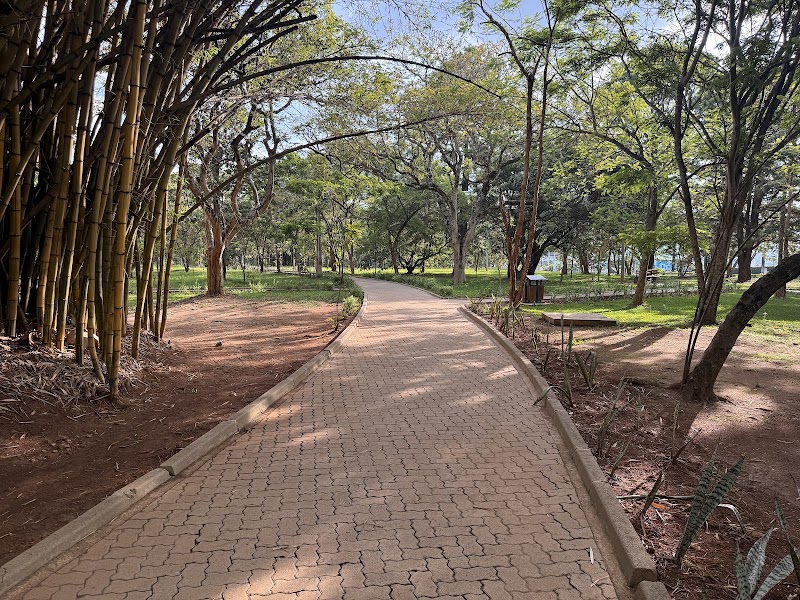
Rwanda · Kigali
Kimihurura Roundabout Park: Kigali’s Calm Urban Green Space
A clean, well-kept Kigali park with paved paths, a running loop, seating, toilets and enough greenery for an easy city break.
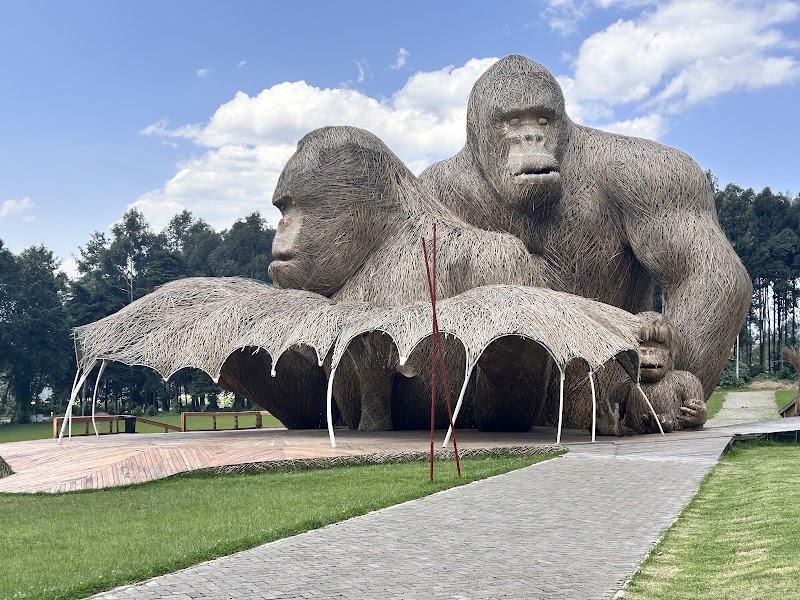
Rwanda · Musanze
Kwita Izina Grounds: Gorilla Naming Ceremony Setting
A scenic Musanze attraction linked to Rwanda’s annual gorilla naming ceremony, with hiking terrain, cultural context and strong visitor feedback.
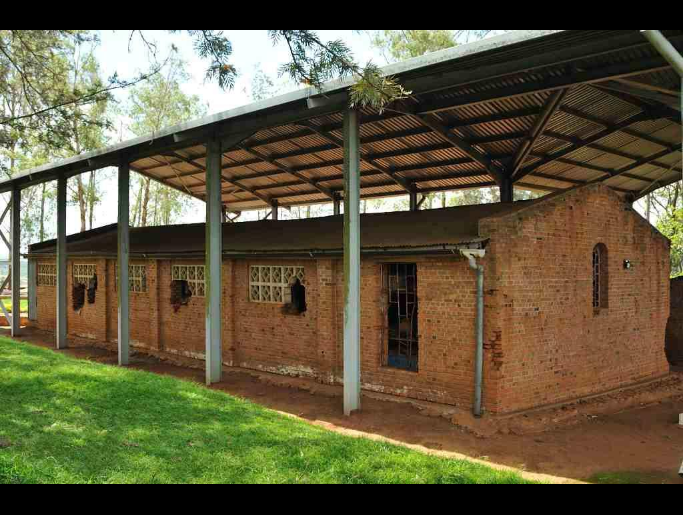
Rwanda · Kayumba
Ntarama Genocide Memorial: A Serious Place of Remembrance
Public reviews describe Ntarama as a harrowing, carefully preserved memorial where guided interpretation supports difficult historical reflection.

Rwanda · Kigali
Niyo Arts Center: Kigali’s Creative, Welcoming Gallery Stop
Public reviews describe a calm Kigali arts venue with locally made work, artist interaction, a café and occasional community performances.