Khor Rori: Ancient Trade History Near Taqah
Substantial stone remains, an old maritime setting and traces of a trading gateway make Khor Rori a rewarding historical stop near Taqah.
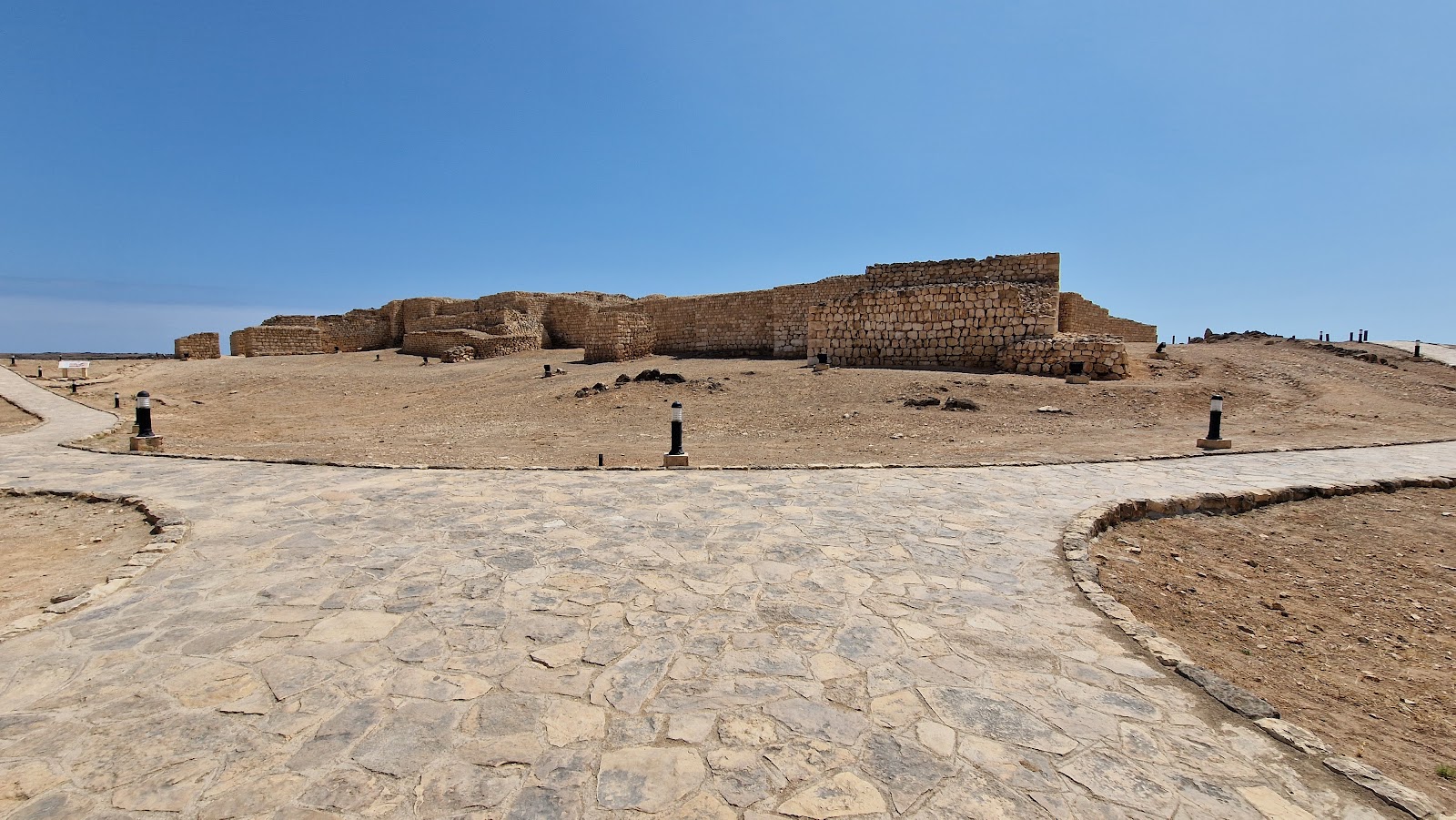
More photos
Photos published by travelers on Google, not AI generated.
What stands out
- Substantial ancient stone walls
- Visible multi-storey building remains
- Historic maritime trading setting
- Sea and backwater views
Worth knowing
- Admission is ticketed
- Credit card payment may be required
- Check opening times before travelling
Don't miss
What comes up most in public reviews
- The ancient walls and building layout
- The former trading gateway
- Views towards the sea and backwaters
Worth the trip?
The overall impression
Khor Rori earns a strong Google rating of 4.5 from 216 reviews, with public feedback repeatedly focusing on its history and substantial archaeological remains. Travellers describe an ancient settlement where stone walls, buildings and fortifications make the former layout relatively easy to imagine. It is more than a scattering of foundations: one reviewer highlights preserved walls and multi-storey structures, while another characterises the central remains as a partly restored old fort.
The attraction appears best suited to visitors who enjoy reading a landscape through its ruins. Reviews are brief but consistently enthusiastic, using phrases such as “full of history” and noting that the site rewards time spent learning about the Salalah area’s past. The experience is primarily archaeological rather than activity-led, so its appeal rests on the structures, setting and historical context.
Trading history and coastal setting
Several reviews connect Khor Rori with ancient maritime trade. Travellers describe it as a former gateway where people and goods would have arrived or departed by ship. That trading role gives the remains a clearer sense of purpose: walls and buildings are not viewed in isolation, but as parts of a settlement shaped by movement between land and water.
The coastal outlook adds another layer. One visitor specifically mentions views from the rear of the site towards the sea and backwaters. Another reports green meadows even during May, suggesting that the surrounding landscape can provide a striking contrast with the stone ruins. These observations are not detailed enough to establish a reliable seasonal pattern, but they do indicate that the setting is part of the attraction rather than a mere backdrop.
A reviewer also mentions visiting because of curiosity about a connection with the Queen of Sheba. Public feedback does not offer enough detail to assess that association, so travellers interested in it should look for interpretation at the site rather than treating it as the main reason to visit.
What the visit is like
The recurring strength is visibility: reviewers can make out walls, building levels and the broader footprint of the old settlement. That makes Khor Rori accessible to casual visitors as well as committed archaeology enthusiasts. Some restoration is noted, but reviews still frame the place as an archaeological site rather than a reconstructed attraction.
The small gift shop receives a specific recommendation in one review. It is not presented as a major part of the experience, though it may be worth checking before departure. There is no consistent feedback on guided tours, detailed displays or other visitor facilities, so expectations should remain centred on the ruins and landscape.
Practical considerations
Reviews consistently indicate that admission is ticketed. One visitor reports that payment was required by credit card, while another stresses that opening times should be checked before travelling to the location. Those are sensible precautions, particularly because the site sits outside Salalah itself near Taqah.
Overall, Khor Rori looks like a worthwhile few-hour stop for travellers interested in archaeology, regional history and former maritime trade. Its strongest combination is clear structural remains paired with views towards the surrounding water and landscape.
Plan the rest of the trip
Ask anything
Looking for somewhere else?
Keep exploring around Taqah
More from Oman
Oman · Saiq
Hanging Terraces: Cliffside Views and Warm Omani Hospitality
Public reviews praise this distinctive Saiq stay for its dramatic setting, welcoming staff, spacious rooms and close connection to local culture.

Oman · Muscat
Mandarin Oriental, Muscat: Polished Rooms and Attentive Service
Public reviews point to a highly polished Muscat stay, with spacious rooms and warm service, though shared areas may feel busy for adults seeking quiet.

Oman · Muscat
The St. Regis Al Mouj Muscat Resort Review
Public reviews point to a polished Muscat resort with generous service, spacious rooms, strong dining and a convenient airport location.
Oman
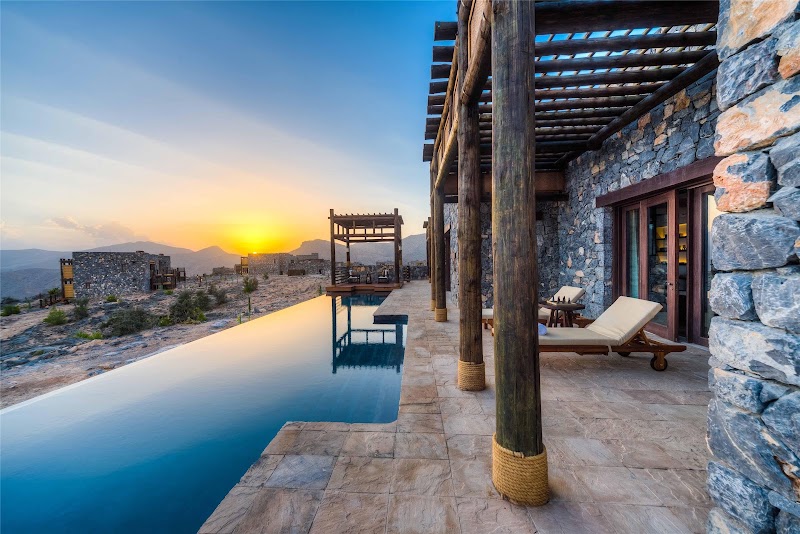
Alila Jabal Akhdar: Mountain Views and Attentive Service
Public reviews describe a high mountain retreat in Oman with striking views, thoughtful staff and memorable stargazing, though one visitor reported a frustrating access policy.