Kernavė Archaeological Site: History Across the Hills
Ancient settlement mounds, peaceful trails and broad landscapes make Kernavė one of Lithuania’s most rewarding historical stops.
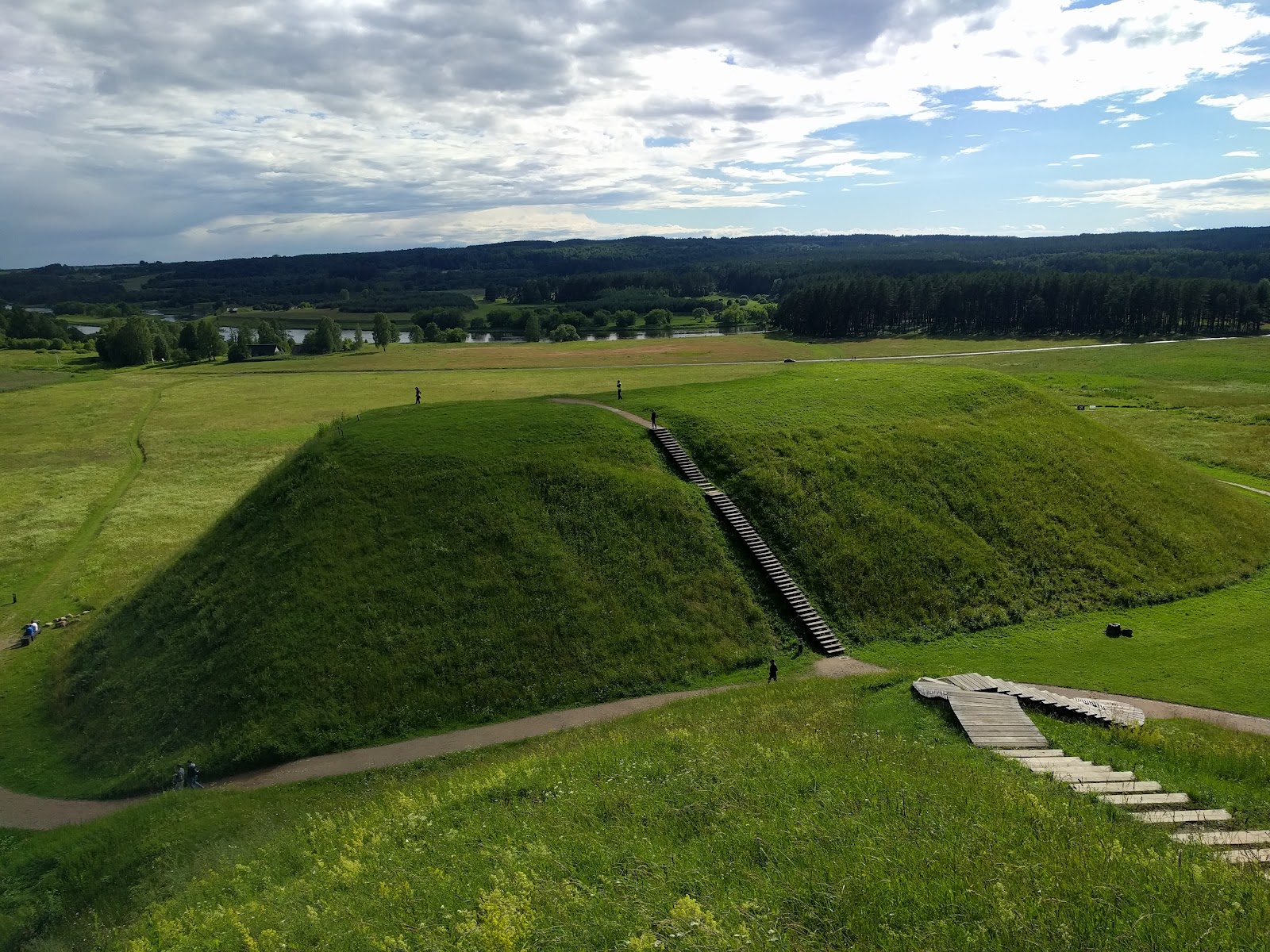
More photos
Photos published by travelers on Google, not AI generated.
What stands out
- Ancient settlement mounds
- Well-maintained walking trails
- Wide views across the landscape
- Peaceful forests and surroundings
- Historical interpretation in the museum
Worth knowing
- Many steps and repeated hill climbs
- Some terrain may challenge limited mobility
Don't miss
What comes up most in public reviews
- Walk between the archaeological mounds
- Climb the hills for landscape views
- Follow the maintained trails through the site
Worth the trip?
Why the site stands out
Kernavės archeologinė vietovė combines archaeology with a landscape that gives the place much of its character. The 4.8 Google rating, based on 4,907 reviews, shows how consistently travellers respond to both the site’s historical importance and its peaceful setting. Many call it one of Lithuania’s most fascinating historical places. The protected landscape also helps visitors picture the size of the settlement that once stood here.
Public reviews often mention the wooded surroundings and open views, especially around the prominent earth mounds. UNESCO World Heritage status provides useful context, though academic interest is only part of the draw. This is also an outdoor excursion. Maintained trails cross terrain that feels calm and spacious, without the sense of being surrounded by monuments.
Walking the archaeological landscape
The hills and mounds define the visit. Reviewers describe walking between them, climbing to the higher viewpoints and looking out over the surrounding landscape. From above, the scale of the earthworks is easier to grasp. The history feels more real there.
Paths are generally reported to be well maintained, but there are many steps. This is not a completely level stroll. Visitors should expect repeated ascents and descents, so comfortable footwear matters, as does choosing a pace that suits the terrain. Some climbs may be demanding for people with limited mobility, although more of the site can still be appreciated from the lower paths.
Scenery carries almost as much weight in reviews as the archaeology. Visitors regularly highlight the forests and river area, along with the wide views. Some bring a picnic, particularly when heading closer to the river. That can turn the visit into a relaxed half-day outing rather than a quick sightseeing stop.
Adding historical context
The nearby museum is frequently mentioned as a useful companion to the outdoor site. According to reviewers, its audiovisual material covers ancient and medieval life, helping explain the communities connected with this landscape. Visiting before or after walking the mounds can make features that initially look like simple grassy hills easier to understand.
Online comments sometimes differ over the age of human activity in the area. Anyone looking for precise chronology is better served by the museum’s interpretation than by individual public reviews. The wider point remains consistent: travellers value Kernavė because it presents a long span of Lithuanian history while keeping the archaeology closely connected to the land.
Overall verdict
Kernavė works well for history enthusiasts and walkers. It also suits travellers after a quiet excursion beyond conventional city attractions. Reviews place the strongest emphasis on the mounds and views, as well as the contemplative atmosphere. The steps are the main caution, but most visitors consider the climbs worthwhile. Allowing half a day gives enough time to explore the trails and viewpoints, then visit the museum without rushing.
Plan the rest of the trip
Ask anything
Looking for somewhere else?
Keep exploring around Kernavė
More from Lithuania
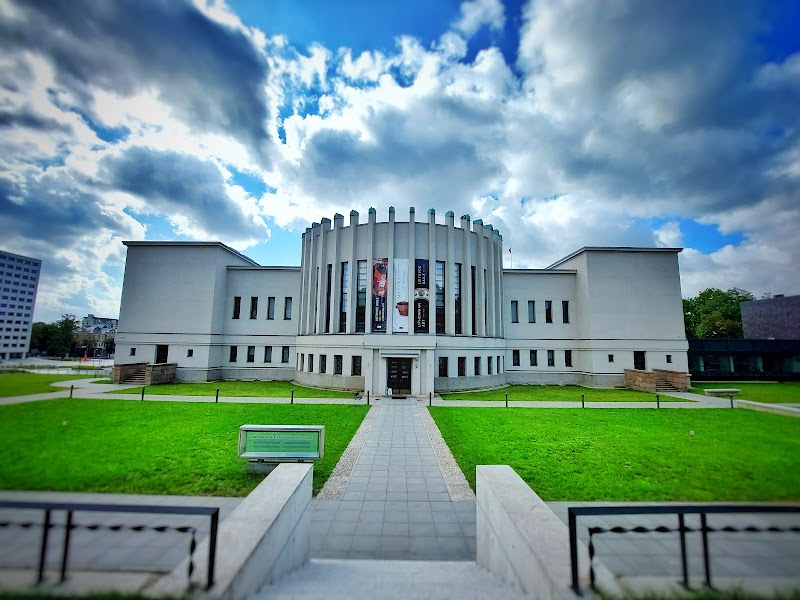
Lithuania · Kaunas
M.K. Čiurlionis Museum of Art: A Strong Introduction to Lithuania
Public reviews praise the museum’s Lithuanian art, history and helpful explanations, while noting that the layout takes some figuring out.
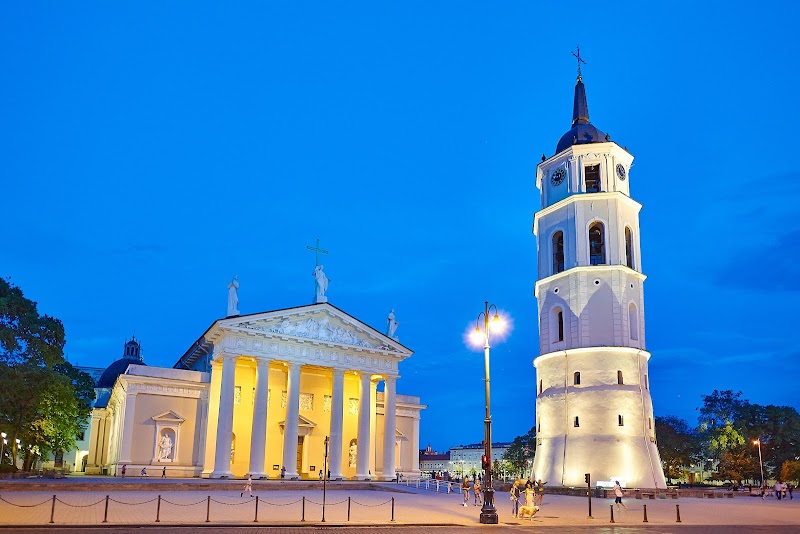
Lithuania · Vilnius
Cathedral Square: Vilnius’s Grand Civic Gathering Place
Vilnius Cathedral, the Bell Tower, seasonal markets and the Stebuklas tile make this open square a central stop for first-time visitors.
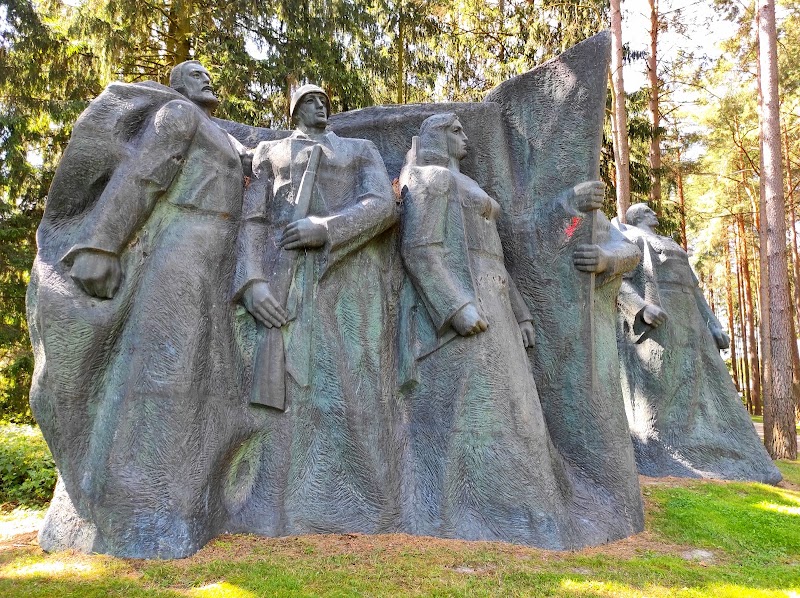
Lithuania · Druskininkų r.
Grūtas Park: Soviet-Era Memory in a Woodland Setting
Grūtas Park combines a substantial Soviet sculpture collection with woodland paths, a small zoo and a playground near Druskininkai.
Lithuania · Kaunas
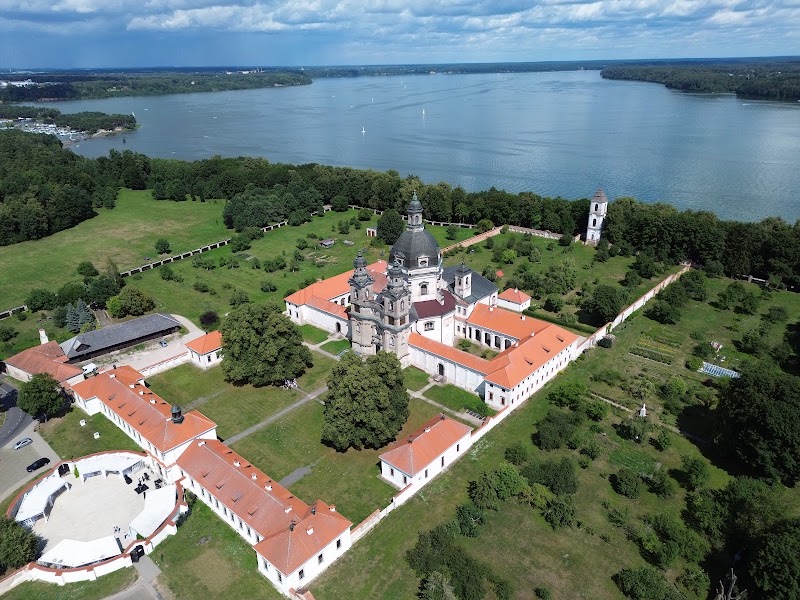
Pažaislis Monastery: Baroque Calm by Kaunas Reservoir
A richly decorated Baroque church, quiet grounds and a lakeside setting make Pažaislis Monastery a rewarding half-day stop in Kaunas.