Kernavė Archaeological Site Museum review
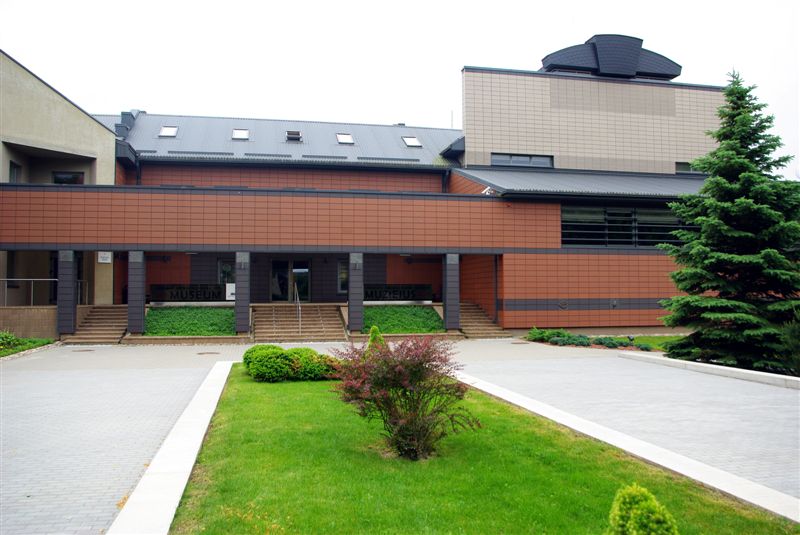
A well-regarded museum that gives essential context to Kernavė’s understated archaeological landscape and early Lithuanian history.
More photos
Photos published by travelers on Google, not AI generated.
What stands out
- Clear account of Kernavė’s history
- High-quality archaeological exhibition
- Wide range of historical objects
- Free outdoor archaeological site
- Welcoming museum staff
Worth knowing
- Few obvious ruins remain above ground
- Limited restaurants and tourist facilities nearby
Don't miss
What comes up most in public reviews
- The main archaeological exhibition
- Displays on Kernavė’s early history
- The outdoor archaeological site
Worth the trip?
What the reviews suggest
Kernavė Archaeological Site Museum has a Google rating of 4.7 from 542 reviews. Much of the public feedback focuses on how well the museum explains the history of Kernavė. Travellers often call it the best place to grasp why the settlement matters, especially for anyone interested in archaeology, ancient Lithuania and its part in the country’s early history.
The indoor exhibition also makes sense of a landscape that can be hard to read at first. Kernavė is linked with Lithuania’s earliest political development and forms part of a UNESCO World Heritage site, yet little of the former settlement is immediately visible above ground. According to reviewers, detailed explanations and archaeological objects fill that gap.
The museum experience
Reviews regularly describe the exhibition as substantial, informative and high quality. The displays trace Kernavė’s development and significant historical events, while the artefacts give physical form to a story that might otherwise feel abstract. General visitors appear to find the material clear, but there is enough depth for those already keen on archaeology.
At least an hour is recommended for the galleries. History enthusiasts may need longer. The museum is not described as enormous, though the volume of information and number of objects make a rushed visit unwise. International travellers also find it a useful introduction to the area’s wider history. Staff receive positive comments too, reinforcing the picture of a welcoming, well-run institution.
Public feedback describes admission as budget friendly. Visitors can explore the outdoor archaeological site separately, pairing the museum’s interpretation with the landscape it sets out to explain.
Exploring the wider site
Reviews suggest seeing the museum first, then walking through the archaeological grounds. In that order, landscape features that might look sparse or ambiguous begin to carry meaning. There is one recurring reservation: not much of ancient Kernavė remains visibly standing. Anyone expecting monumental ruins may be disappointed. Interpretation and imagination do much of the work here, rather than surviving buildings.
The museum is in the central part of Kernavė, near the bus station and Kernavės Švč. Mergelės Marijos Škaplierinės bažnyčia. It is therefore easy to work into a short town visit. Reviewers also point to Kernavė’s limited tourist facilities and relatively small number of places to eat, making some advance planning sensible.
Editorial verdict
Taken together, public ratings and reviews cast the museum as an essential companion to Kernavė, not a secondary indoor attraction. The outdoor site brings scale and atmosphere. The galleries show what once stood there, how people lived and why the area holds such historical importance.
It best suits travellers drawn to history-led sightseeing who do not need dramatic standing ruins. Detailed displays, archaeological objects and an accessible central location make it a strong half-day cultural stop. Visitors arriving with little knowledge of Lithuanian history are likely to get the most from it, while archaeology enthusiasts should set aside extra time for the exhibition.
Plan the rest of the trip
Ask anything
Looking for somewhere else?
Keep exploring around Kernavė
More from Lithuania
Lithuania · Kaunas
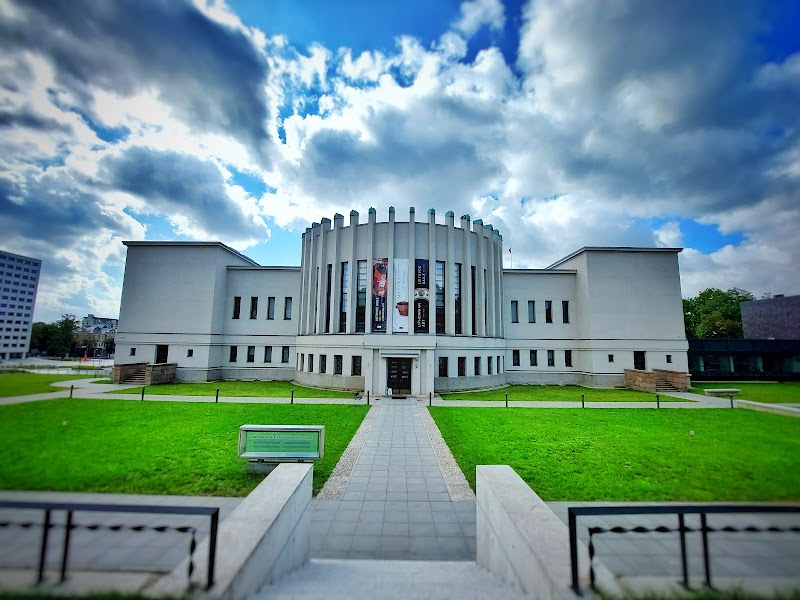
M.K. Čiurlionis Museum of Art: A Strong Introduction to Lithuania
Public reviews praise the museum’s Lithuanian art, history and helpful explanations, while noting that the layout takes some figuring out.
Lithuania · Vilnius
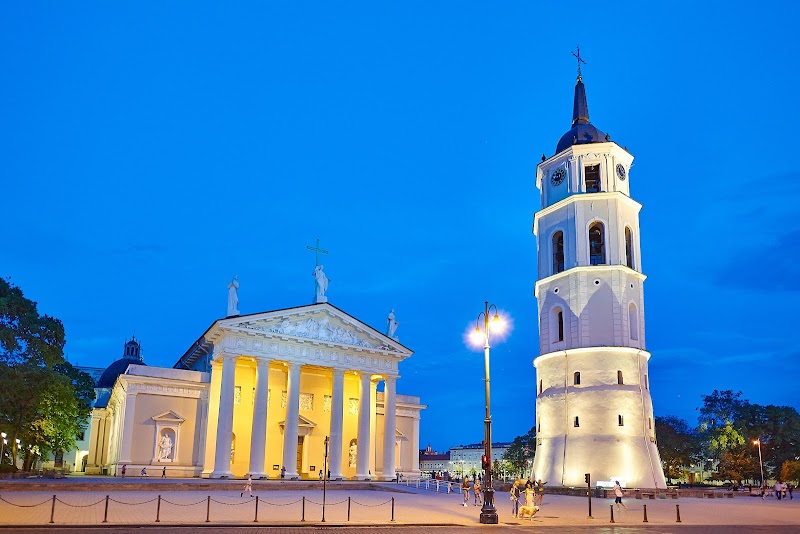
Cathedral Square: Vilnius’s Grand Civic Gathering Place
Vilnius Cathedral, the Bell Tower, seasonal markets and the Stebuklas tile make this open square a central stop for first-time visitors.
Lithuania · Druskininkų r.
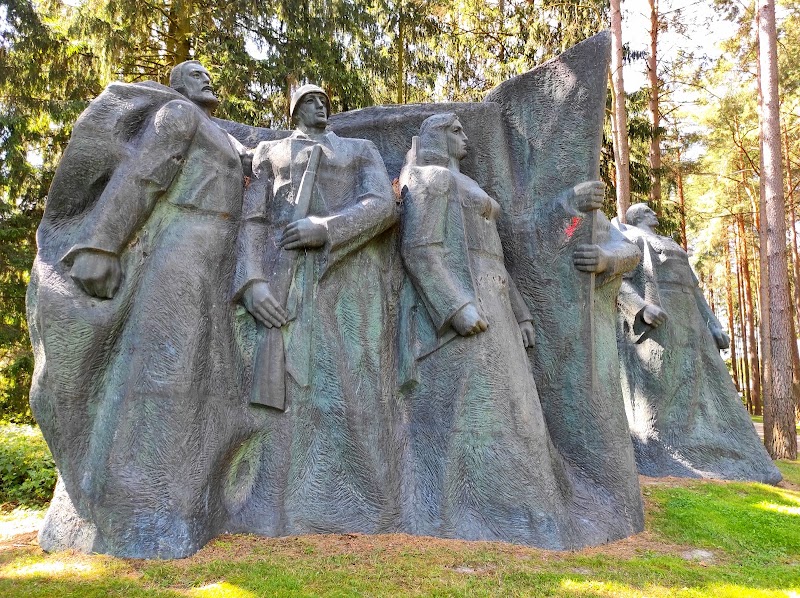
Grūtas Park: Soviet-Era Memory in a Woodland Setting
Grūtas Park combines a substantial Soviet sculpture collection with woodland paths, a small zoo and a playground near Druskininkai.
Lithuania · Kaunas
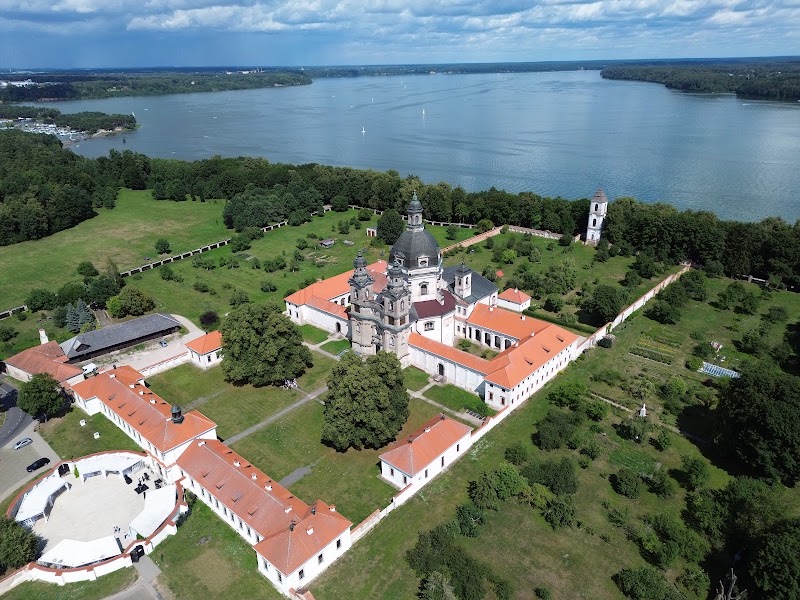
Pažaislis Monastery: Baroque Calm by Kaunas Reservoir
A richly decorated Baroque church, quiet grounds and a lakeside setting make Pažaislis Monastery a rewarding half-day stop in Kaunas.