Kelimutu National Park’s Changing Crater Lakes
Kelimutu National Park rewards an early visit with rare volcanic scenery, but fog, sulphur and changing access hours can affect the experience.
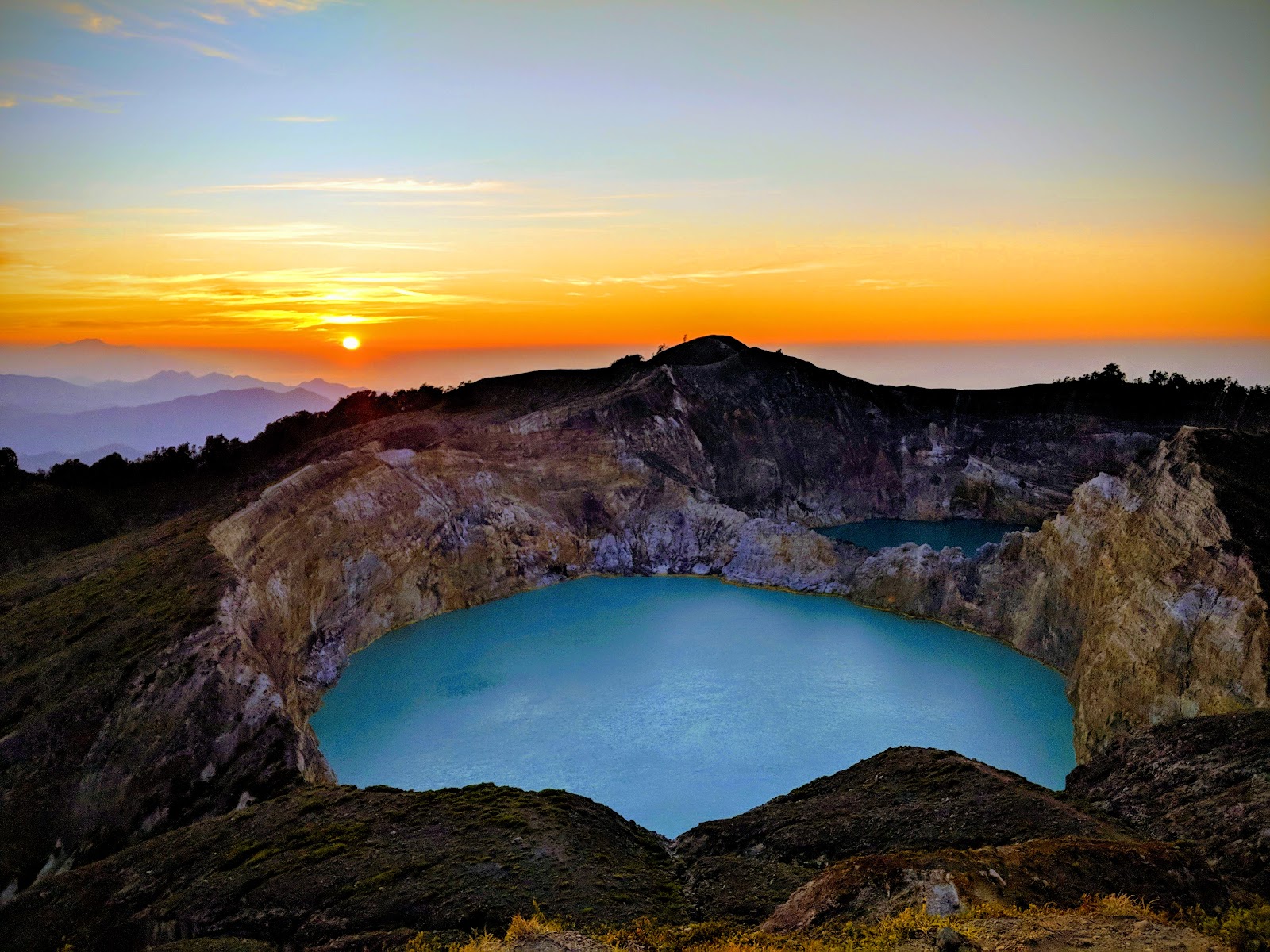
More photos
Photos published by travelers on Google, not AI generated.
What stands out
- Three colour-changing crater lakes
- Manageable uphill walk
- Endemic flora and fauna
- Early-morning volcanic viewpoints
- Long-tailed macaques and other wildlife
Worth knowing
- Changing operating hours
- Fog, rain and cloud can block views
- Sulphur irritation and cold conditions
Don't miss
What comes up most in public reviews
- See all three crater lakes
- Walk to the volcanic viewpoints
- Look for endemic flora and fauna
- Ask locally about current gate hours
Worth the trip?
Why go
Kelimutu National Park is best known for its three crater lakes, set inside an active but dormant volcano in Flores, Indonesia. Public reviews give the attraction a strong 4.7 rating from 1,579 reviews, with the lakes repeatedly described as the main draw. Their colours have changed over time, which adds an element of uncertainty to the view. The landscape is also valued for its endemic flora and fauna, including long-tailed macaques, rodents and civets.
This is a compact natural attraction rather than a destination that requires a full day of activities. The appeal lies in the volcanic setting, the walk to the viewpoints and the chance to see the lakes in clear conditions.
The visit
Reviewers generally describe the uphill walk as manageable. One visitor found the hike neither steep nor difficult, although the high viewpoint can feel cold while people wait for sunrise. An early start is the clearest pattern in the feedback. Fog is reported to arrive later in the morning, and one November visit found visibility beginning to deteriorate around 8.30am after an 8am arrival.
Conditions are not reliable. Clouds blocked the lakes for one early-morning visitor, while heavy rain and thick fog prevented another traveller from enjoying the view across two attempts. That makes a flexible schedule useful. A clear forecast still cannot guarantee clear crater lakes.
Practical cautions
Operating hours have changed, and the reviews cite different schedules. One November 2024 report said the park was open between 5am and 5pm. Another visitor, writing about June 2024, said the gate opened and closed between 6am and 10am, with visitors required to leave by noon. Travellers should check the current hours locally before setting out, especially if sunrise is the goal.
Sulphur is another consideration. A reviewer reported an itchy throat and coughing while walking, suggesting that sensitive visitors may want to prepare for the smell and airborne irritation. The summit can also be cold before sunrise. Pathway maintenance drew criticism, with toilets and small huts described as poorly maintained by one reviewer. The same review questioned the value of the entry cost for foreign visitors, so expectations about facilities should remain modest.
What to prioritise
The three crater lakes should remain the focus. Travellers should walk to the main viewpoints, arrive early enough to improve the odds of seeing open water, and allow time for the volcano’s flora and wildlife. The scenery is the reason to make the journey, not extensive visitor infrastructure.
Kelimutu National Park suits travellers who value unusual geology and are comfortable with changing weather. It is less suitable for anyone expecting polished facilities or guaranteed sunrise visibility. Public feedback still points to a memorable attraction, provided visitors verify access arrangements and accept that fog may have the final say.
Plan the rest of the trip
Ask anything
Looking for somewhere else?
Keep exploring around Detusoko
More from Indonesia
Indonesia · Kecamatan Sukawati
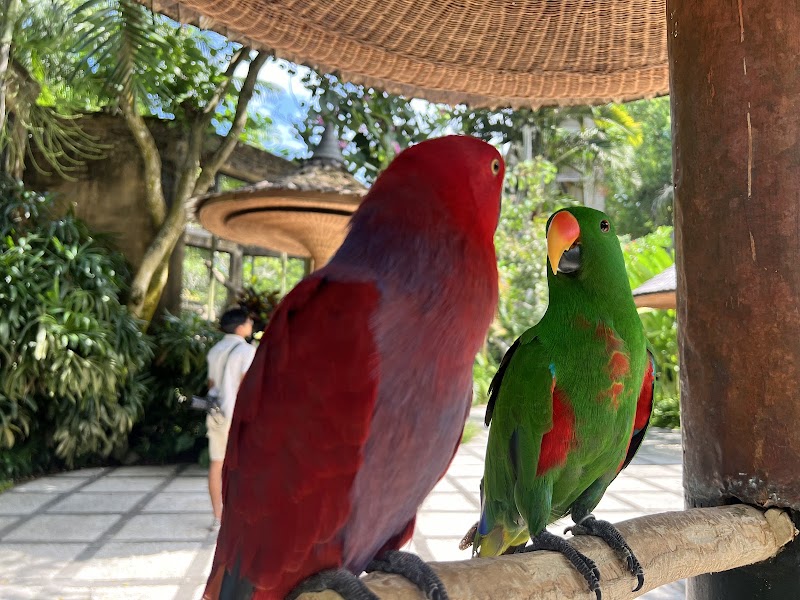
Bali Bird Park: A Thoughtful Day Among Indonesia’s Birds
Public reviews point to a well-kept, educational park with close bird encounters, feeding sessions and shows that reward an unhurried visit.

Indonesia · Tampaksiring
Pura Tirta Empul: Sacred Springs and Balinese Ritual
Public reviews describe Pura Tirta Empul as a peaceful, culturally important temple best experienced early, before the crowds gather.
Indonesia · Sukawati
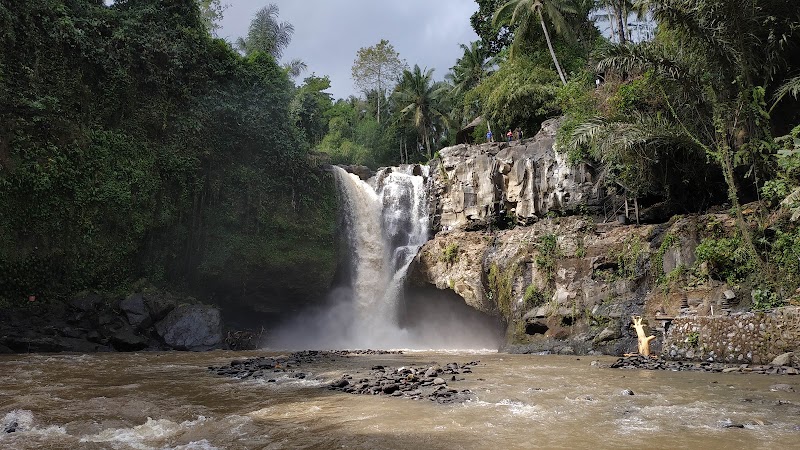
Tegenungan Waterfall: A Scenic, Swim-Friendly Stop in Sukawati
Public reviews rate Tegenungan Waterfall highly for its greenery, viewpoints and easy access, though crowds and rocky sections can affect the visit.

Indonesia · Kecamatan Cisarua
Taman Safari Indonesia Bogor: A Full Day Among Wildlife
This large drive-through safari near Bogor combines close animal encounters, family rides and educational experiences in a cool mountain setting.