Kaunas Ninth Fort Museum: A Sobering History Lesson
Strong public ratings reflect the museum’s thoughtful displays, powerful Jewish history and wide-ranging account of occupation and resistance.
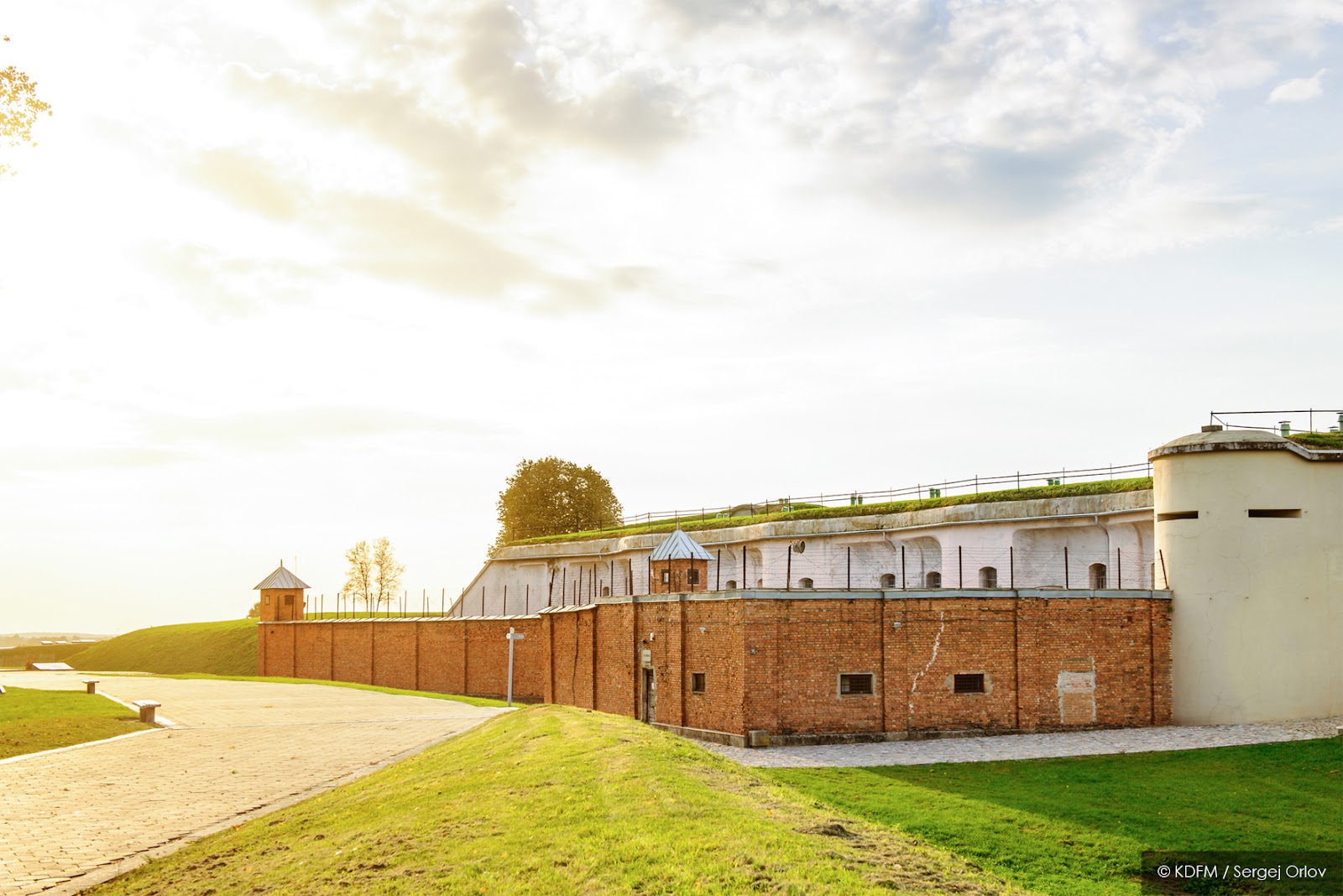
More photos
Photos published by travelers on Google, not AI generated.
What stands out
- Thought-provoking historical displays
- Jewish community and Holocaust history
- Lithuanian resistance under Soviet occupation
- Late-19th-century fortress setting
Worth knowing
- No cafe or food shop reported on site
- Bus passengers need to request the stop
- Emotionally difficult subject matter
Don't miss
What comes up most in public reviews
- Explore the main museum displays
- Learn about the fort’s role during Nazi occupation
- Follow the history of Lithuanian resistance
- Trace the fortress’s changing uses
Worth the trip?
Why it stands out
Kaunas Ninth Fort Museum holds a Google rating of 4.7 from 5803 reviews, with public feedback consistently describing it as important, moving and thought-provoking. Travellers particularly value the breadth of its historical interpretation. Rather than concentrating on a single period, the museum traces the fortress’s changing role from a late-19th-century defensive structure to a prison, deportation site and place of mass murder.
Reviewers often recommend the site to anyone seeking a deeper understanding of Lithuania’s 20th-century history. Several focus on the persecution and murder of Jewish people following the Nazi occupation of Kaunas in 1941. The fort was used during a three-year period of massacres in which approximately 50,000 Jews were killed, including people from the Kaunas ghettos and elsewhere in Europe. Public reviews describe this material as emotionally difficult without relying on unnecessarily graphic presentation.
Inside the museum
The main museum is reached by a short paved walk from the car park. Once inside, visitors report a substantial collection of displays and installations. One detailed review calls the presentation well thought out and notes that there is a great deal to see, suggesting that the museum rewards a slower visit rather than a quick stop.
The strongest recurring theme is remembrance of the Jewish community and the atrocities committed during the Nazi occupation. Reviews also point to the fort’s earlier use for forced labour and political imprisonment. For some travellers, the coverage of later Soviet occupation is equally illuminating. One reviewer was especially struck by learning that Lithuanian resistance continued into the 1950s.
The experience is therefore broader than a conventional military-fortress visit. Architecture and defensive history provide the setting, but the museum’s main impact comes from personal, political and regional history. Visitors should expect a serious experience that encourages reflection.
Getting there and planning the visit
The Ninth Fort stands away from central Kaunas on a hill. A public reviewer reports that the bus journey from the city centre took around 30 minutes, making it practical without a car. Bus passengers should press the stop button before reaching the correct stop. One traveller missed it and was carried considerably farther along the route.
Food options appear limited. A reviewer found a coffee machine near the car park but no cafe or shop selling food, so visitors may prefer to eat beforehand or bring refreshments. The paved approach to the museum is short, although the wider hilltop setting and amount of material inside make comfortable footwear sensible.
Editorial verdict
Synthesized public feedback presents Kaunas Ninth Fort Museum as one of the city’s most consequential historical landmarks. Its displays connect fortress history, political repression, Soviet occupation, Lithuanian resistance and the destruction of Jewish communities. The subject matter is harrowing, but reviewers repeatedly praise the museum’s measured, informative presentation.
It is best suited to travellers prepared to give the site time and emotional attention. Those primarily seeking a light cultural stop may find it demanding. For visitors interested in Lithuanian, Jewish or European history, however, the consistently strong response suggests a compelling and worthwhile half-day excursion from central Kaunas.
Plan the rest of the trip
Ask anything
Looking for somewhere else?
Keep exploring around Kaunas
More from Lithuania
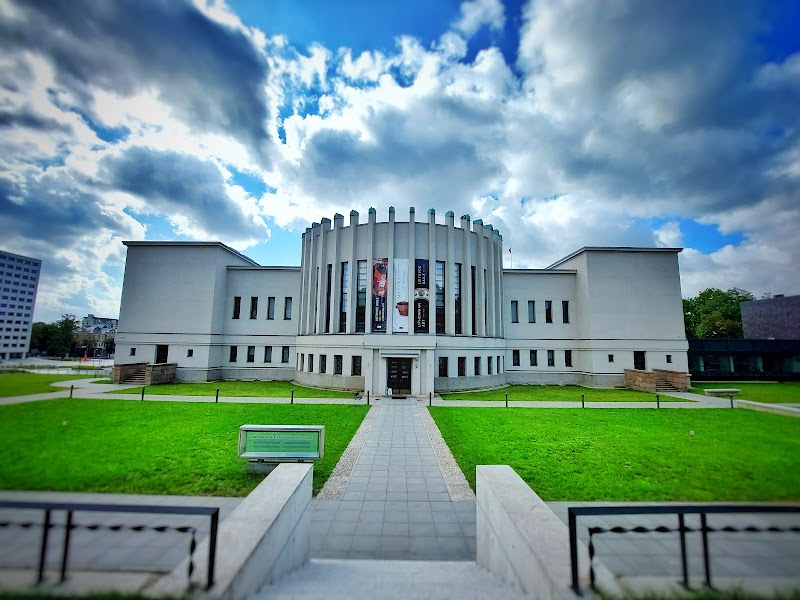
Lithuania · Kaunas
M.K. Čiurlionis Museum of Art: A Strong Introduction to Lithuania
Public reviews praise the museum’s Lithuanian art, history and helpful explanations, while noting that the layout takes some figuring out.
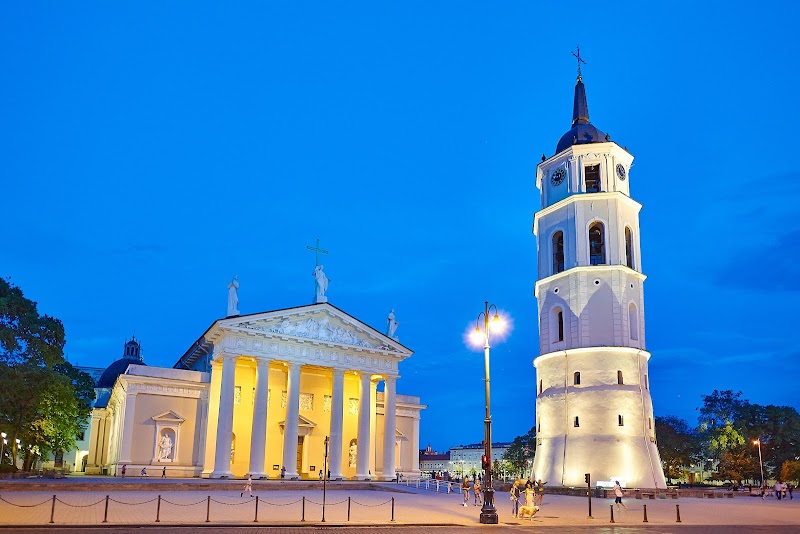
Lithuania · Vilnius
Cathedral Square: Vilnius’s Grand Civic Gathering Place
Vilnius Cathedral, the Bell Tower, seasonal markets and the Stebuklas tile make this open square a central stop for first-time visitors.
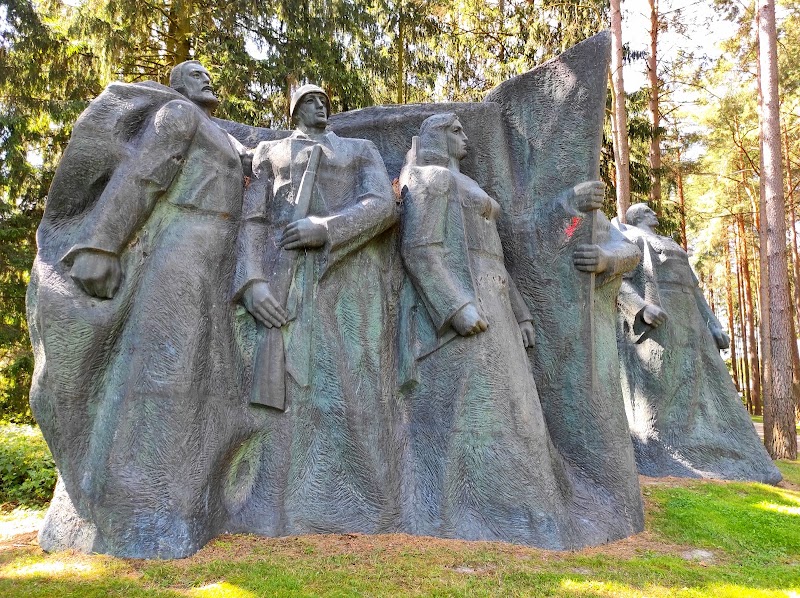
Lithuania · Druskininkų r.
Grūtas Park: Soviet-Era Memory in a Woodland Setting
Grūtas Park combines a substantial Soviet sculpture collection with woodland paths, a small zoo and a playground near Druskininkai.
Lithuania · Kaunas
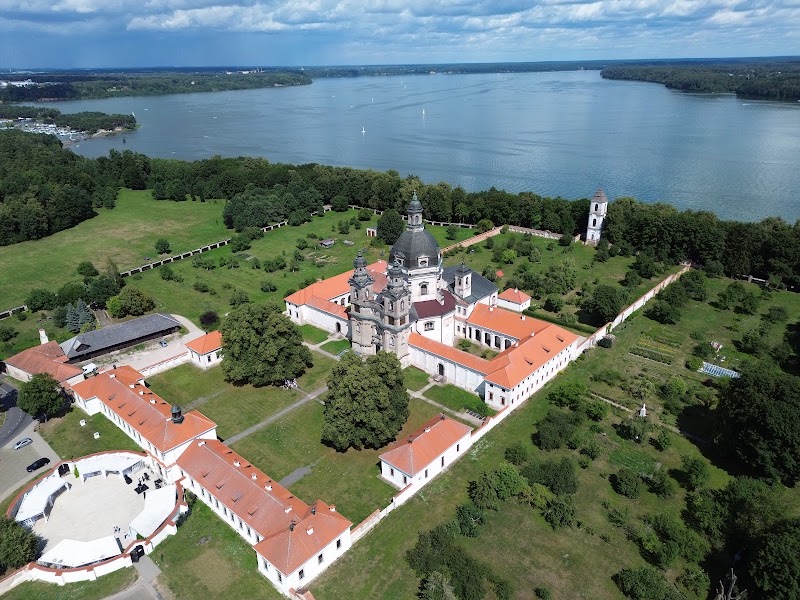
Pažaislis Monastery: Baroque Calm by Kaunas Reservoir
A richly decorated Baroque church, quiet grounds and a lakeside setting make Pažaislis Monastery a rewarding half-day stop in Kaunas.