Kato Pafos Archaeological Park: Mosaics by the Sea
A vast open-air site where detailed Roman mosaics, ancient ruins and coastal views reward at least a couple of hours of exploration.
More photos


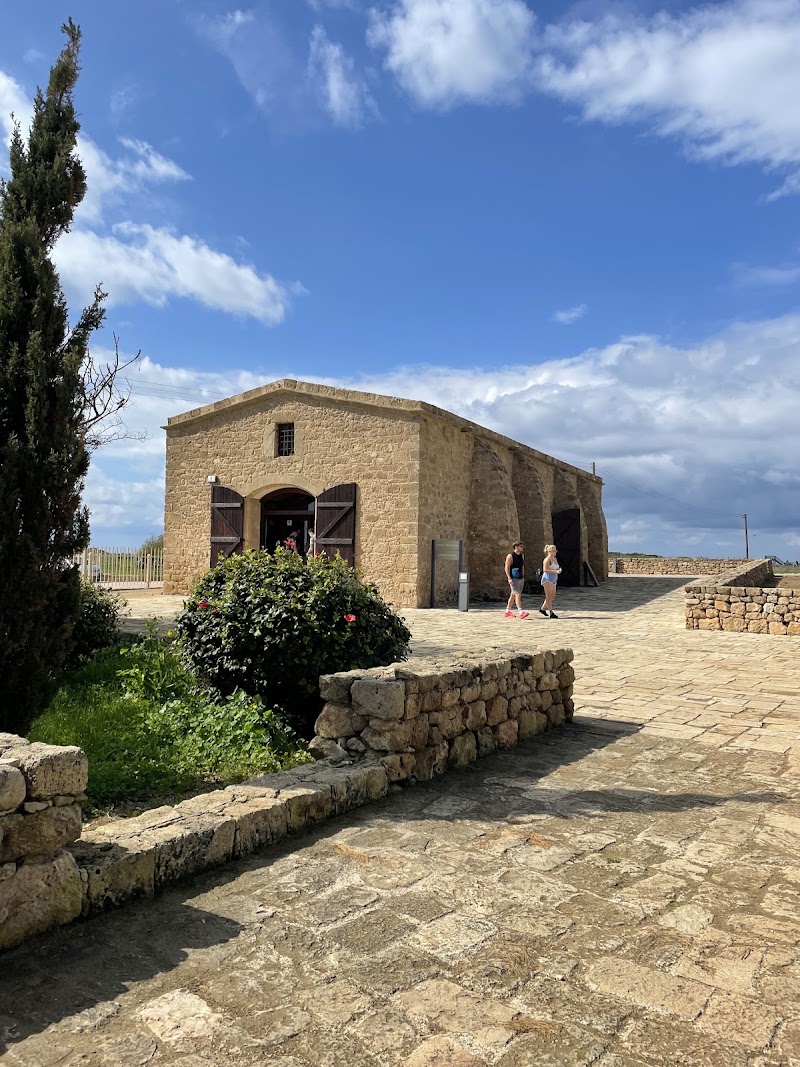
Photos published by travelers on Google, not AI generated.
What stands out
- Well-preserved Roman mosaics
- Extensive ancient city ruins
- Lighthouse and coastal views
- Partly restored Roman theatre
Worth knowing
- Large, exposed site with strong sun
- Water and comfortable footwear are advisable
- Allow time for substantial walking
Don't miss
What comes up most in public reviews
- Study the Greco-Roman mosaic scenes
- Visit the Odeon and test its acoustics
- Walk towards the lighthouse
- Pause for views of the coastline
Worth the trip?
What public reviews say
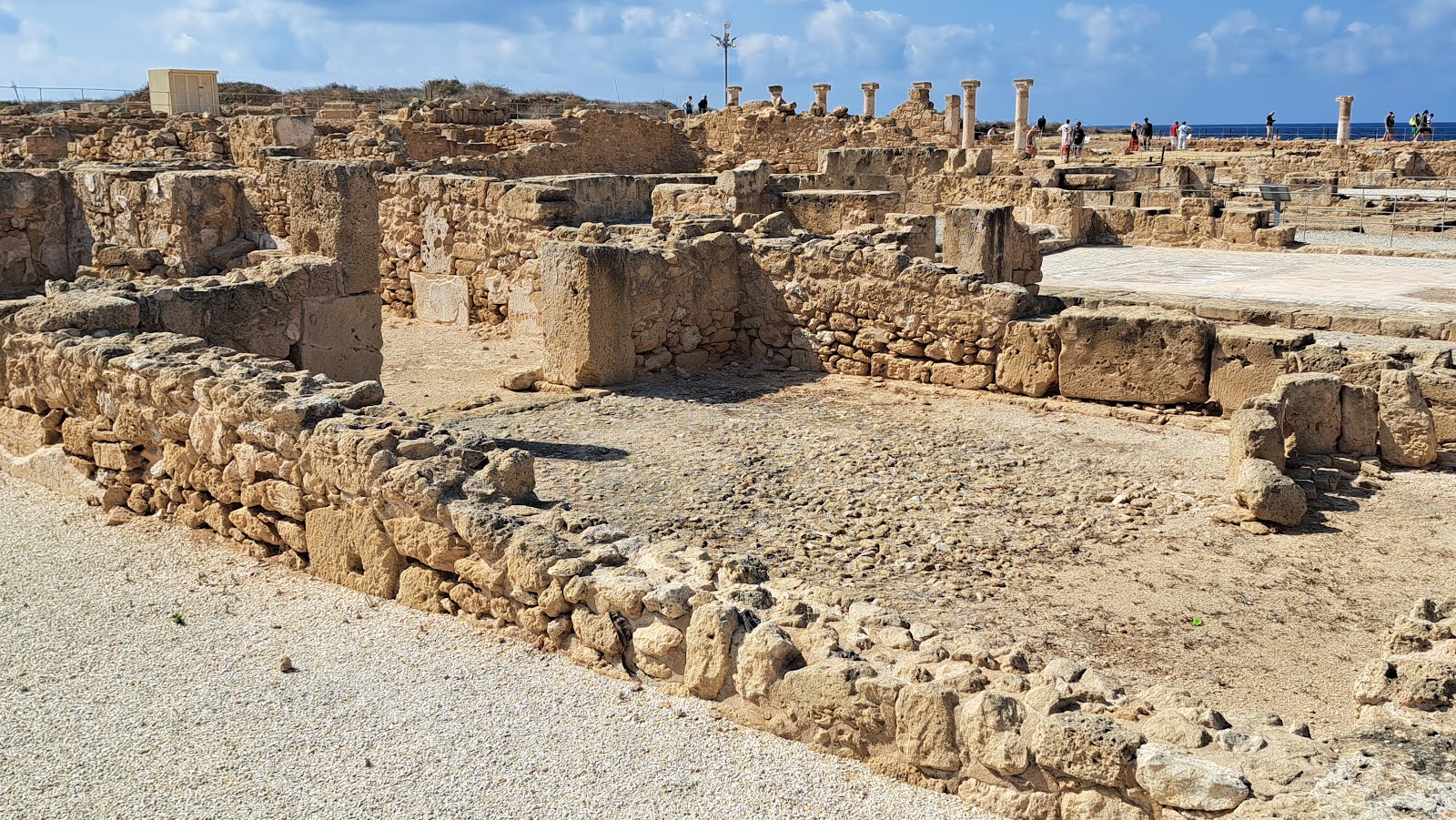
Kato Pafos Archaeological Park holds a Google rating of 4.6 from 507 reviews, with visitors repeatedly praising its scale, historical richness and remarkably detailed mosaics. Rather than presenting a single monument, the park spreads the remains of ancient Nea Paphos across a large open-air area. Several reviewers compare the experience to walking through an excavated town or village.
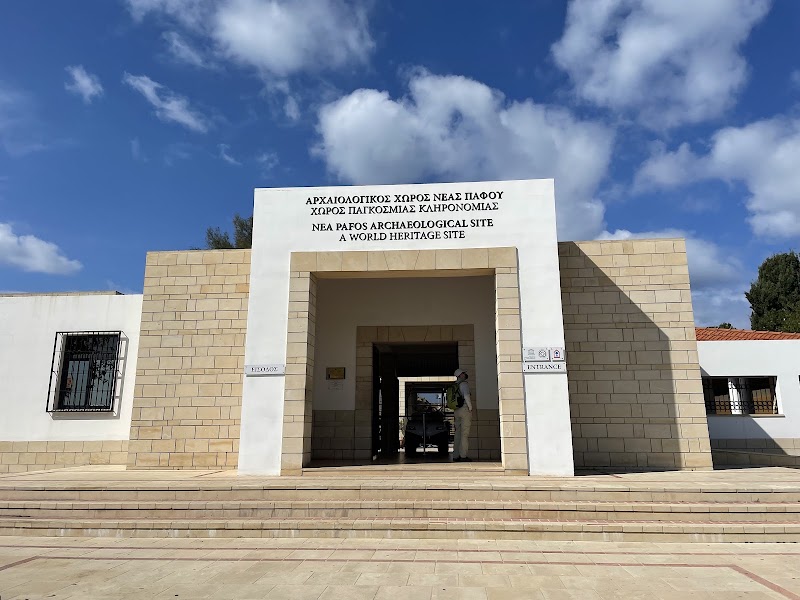
The archaeological remains form part of a UNESCO World Heritage site, listed since 1980. Public feedback suggests that the strongest appeal lies in seeing domestic, theatrical and civic spaces together, rather than viewing isolated artefacts in a conventional museum setting. Ruins, Roman villas, an ancient theatre and the lighthouse create a varied route, while the nearby sea provides a breeze and a broad coastal backdrop.
The mosaics and ruins
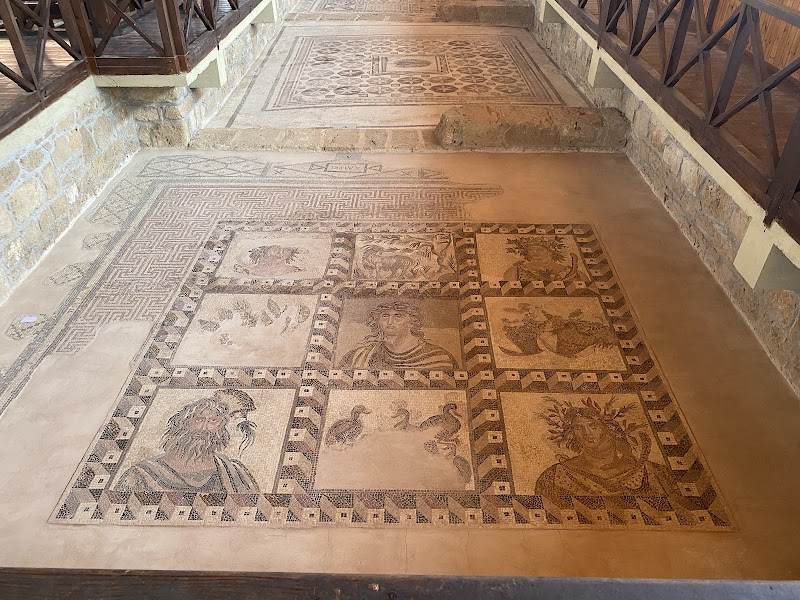
The Roman mosaics are the park’s clear headline attraction. Reviews consistently describe them as well preserved, intricate and striking in their level of detail. Their scenes draw on Greco-Roman mythology, helping visitors picture how the villas might once have looked and functioned.
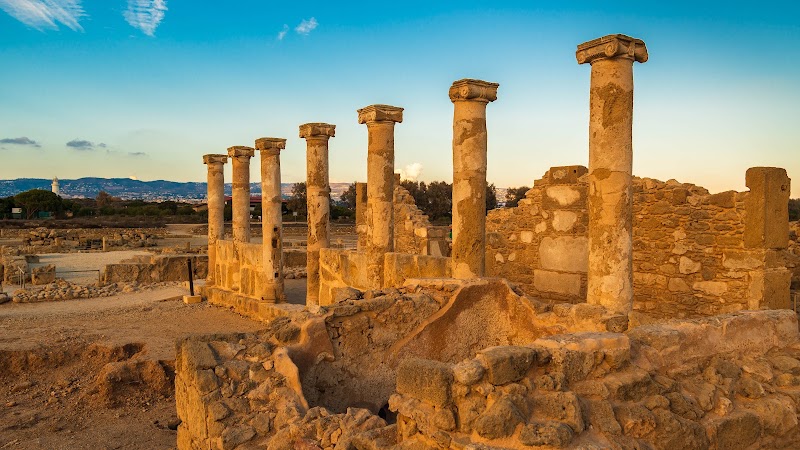
The scale of the wider site also makes an impression. Walkways lead between excavated structures, partial walls and open ground, with informative plaques adding context. Some visitors spend around an hour, but reviewers with a strong interest in history generally recommend allowing two to three hours. A slower visit leaves more time to study the mosaic panels and understand how the different remains relate to the ancient city.
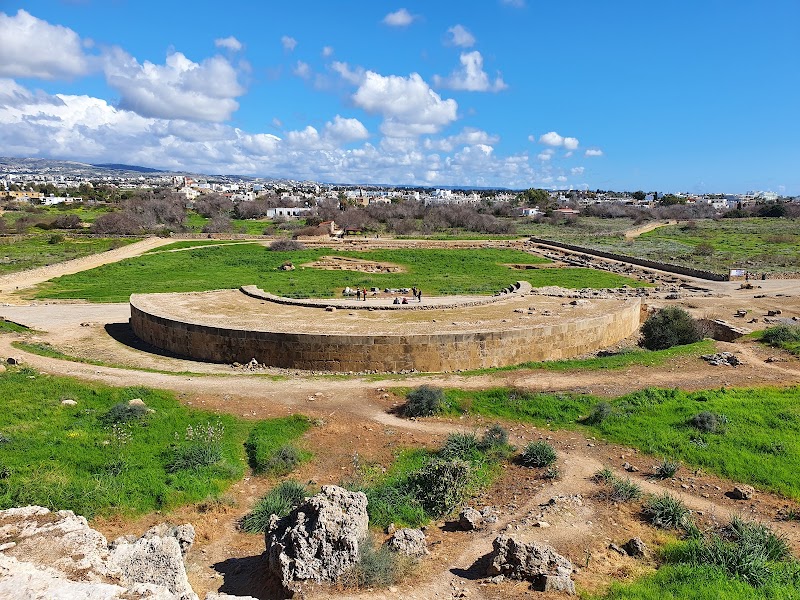
The Odeon, a small partly restored Roman theatre once used for music and performances, is another recurring point of interest. One practical suggestion from public feedback is to clap inside and listen to the way the space amplifies sound. The lighthouse provides a visual landmark during the walk and is frequently associated with attractive views across the site and coastline.
Planning a visit
This is an exposed archaeological park rather than a compact indoor attraction. Reviews regularly mention strong heat and sun, particularly later in the day. The sea breeze can help, but visitors are advised to carry water and favour the morning during warmer periods. January receives specific praise for fewer tourists and more comfortable exploration.
Comfortable footwear is sensible given the park’s size and the amount of walking involved. The remains are spread over a broad area, so anyone trying to cover the mosaics, theatre, ruins and lighthouse should avoid treating it as a brief stop.
Editorial verdict
Synthesised review sentiment points to one of Paphos’s most rewarding attractions for history enthusiasts. The combination of preserved mosaic art, extensive ruins and sea views gives the park more variety than its entrance area might initially suggest. Interpretation could feel limited for visitors who prefer immersive reconstructions, with one reviewer wishing for a virtual or 3D model. Even so, the physical scale and surviving details make a strong case for setting aside half a day.
Ask anything
Looking for somewhere else?
Keep exploring around Paphos
More from Cyprus
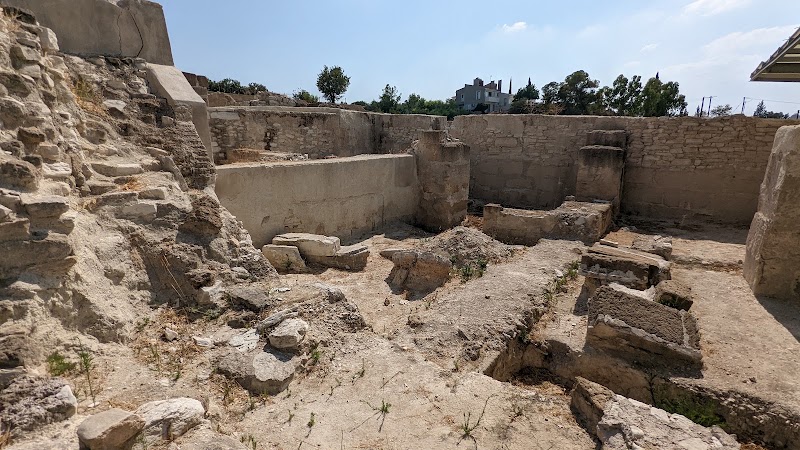
Cyprus · Dali
Archaeological Site of Idalion: A Compact Ancient City
Informative boards, elevated walkways and a nearby museum make this small archaeological site a worthwhile stop near Dali.
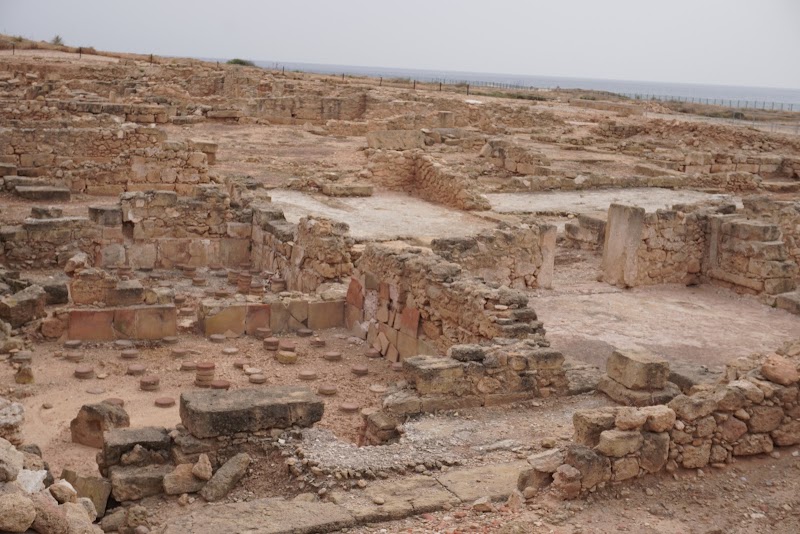
Cyprus · Paphos
House of Orpheus: Mythology in Mosaic at Kato Paphos
This ancient villa rewards mythology enthusiasts with detailed floor mosaics, though covered sections can make the experience feel incomplete.
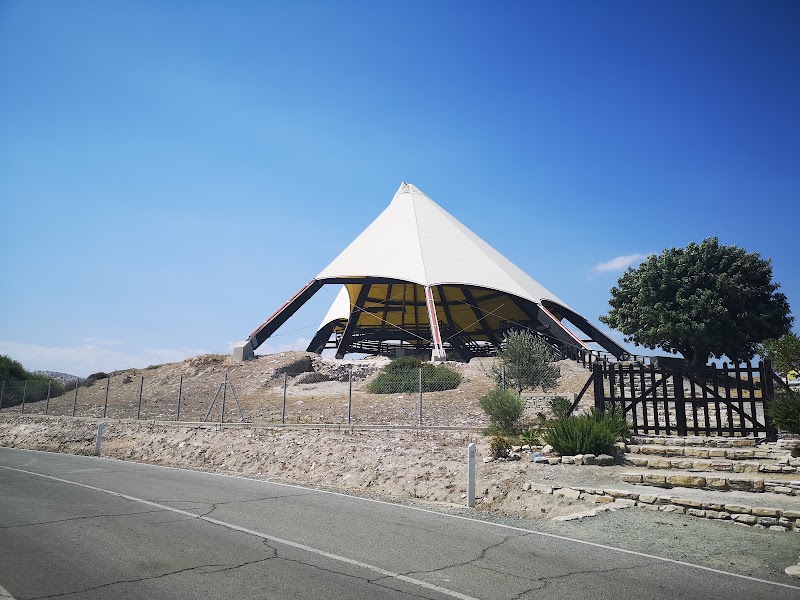
Cyprus · Kalavasos
Tenta at Kalavasos: A Compact Neolithic Site
A vast protective canopy, circular building remains and clear displays make this archaeological site a rewarding short stop near Kalavasos.
Cyprus · Paphos
Villa of Theseus in Paphos, Cyprus
What 254 public reviews say about Villa of Theseus, synthesized by Anya Sokolova.