Kasbah of the Udayas: Rabat’s Blue-Walled Riverside Fortress
This historic citadel combines blue-and-white lanes, Atlantic views and a peaceful setting above the Bouregreg River.
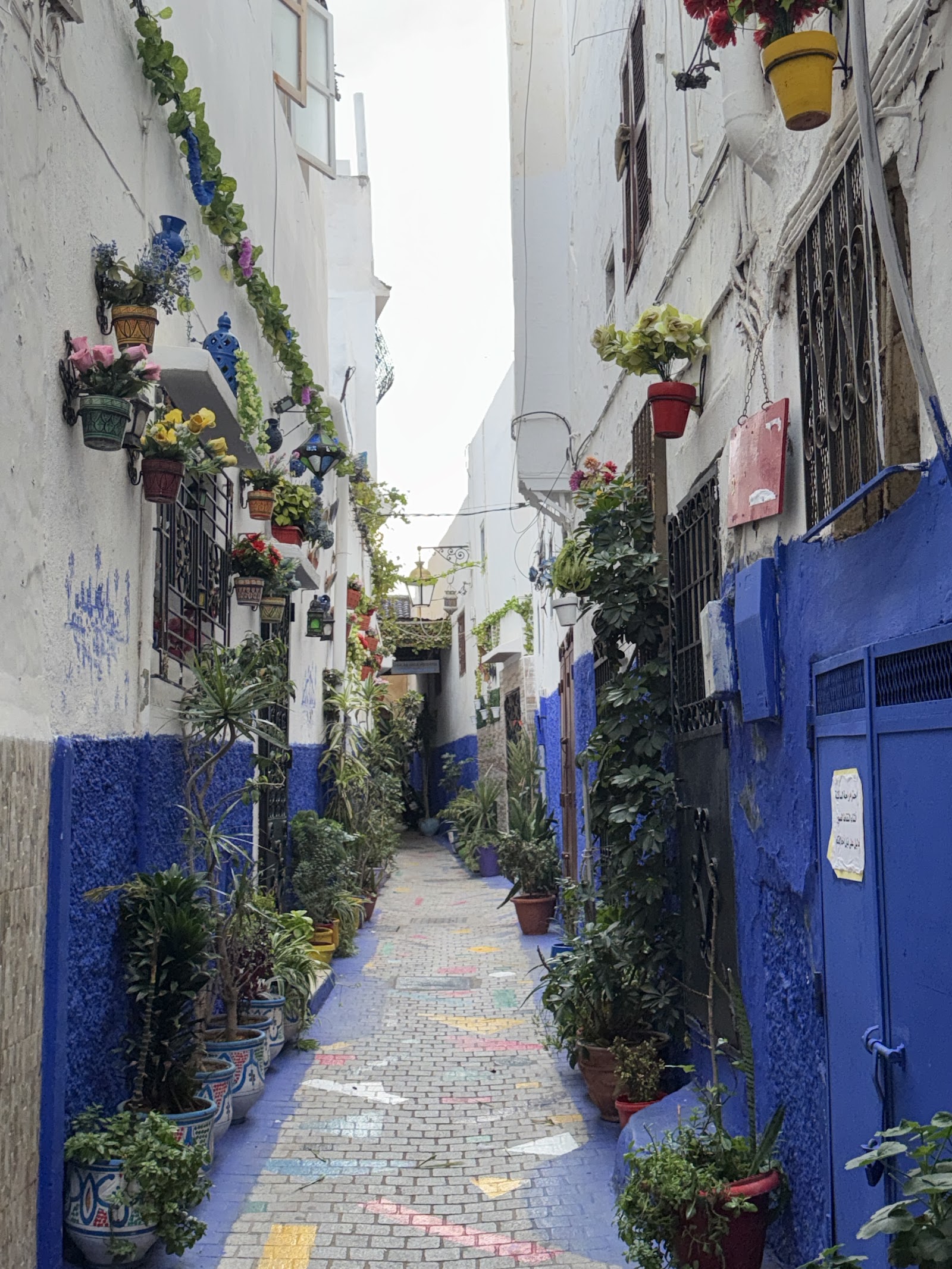
More photos
Photos published by travelers on Google, not AI generated.
What stands out
- Blue-and-white painted lanes
- Views of the Bouregreg River
- Atlantic Ocean outlooks
- Peaceful historic atmosphere
- Small cafés near the entrance
Worth knowing
- Museum and gardens may close on Tuesdays
- Crowds can build during Ramadan sunset
- Sloping, maze-like lanes
Don't miss
What comes up most in public reviews
- Walk to the far end for the river and ocean views
- Wander the narrow blue-and-white streets
- Check whether the museum and gardens are open
- Stop at a café near the entrance
Worth the trip?
The Kasbah of the Udayas is one of Rabat’s most rewarding places to explore on foot. Public reviews give it 4.7 from 1,667 reviews, with visitors repeatedly praising its narrow blue-and-white streets, historic atmosphere and elevated views over the Bouregreg River and the Atlantic Ocean. It is a landmark for slow wandering rather than a place to rush through.
What the visit feels like
The kasbah is a fortified citadel on a hill at the mouth of the Bouregreg River. Its small lanes create a maze of whitewashed walls, blue doors and turning corners. Several reviewers say that getting slightly lost is part of the pleasure. The scale is intimate, and the atmosphere is often described as peaceful, charming and photogenic.
The site can be explored independently or with a tour group. A walk through the lanes leads visitors towards the far end of the kasbah, where the outlook opens across the river and towards the ocean. That viewpoint is a consistent highlight in the public reviews. Photography is a major draw, especially where the painted streets frame the water.
What to see
The historic setting is the main attraction. Reviews describe the kasbah as a place where Moroccan history and Andalusian influence meet, though the strongest practical advice is simply to leave time for wandering. The blue streets are particularly eye-catching, and the citadel’s position gives the visit a sense of space that the enclosed lanes do not always suggest.
The gardens and museum add cultural interest when open. One visitor specifically reported that both were closed on a Tuesday. The kasbah itself was described as open, but access to these elements can affect the shape of the visit. Checking locally before setting out is sensible.
Small cafés and a shop near the entrance are mentioned in the reviews. A henna service was also noted by one visitor, though that reviewer found the decoration did not last. It is best treated as an occasional extra, not a defining feature of the attraction.
Timing and practical notes
Sunset is the clearest timing recommendation in the reviews. The changing light suits the blue-and-white lanes and the open views across the river and ocean. It can also be busy at special times. One review described a large crowd and a strong communal atmosphere during the first sunset of Ramadan, when people gathered for iftar.
The site is described as free to visit in one public review, while the supplied listing does not provide a formal price level. The lanes are easy to enjoy without a fixed itinerary, but comfortable shoes will help on the sloping, uneven walkways. The museum and gardens should not be assumed to open every day.
Editor’s verdict
The Kasbah of the Udayas suits travellers who want history, local atmosphere and strong views in a compact stop. It works well as a half-day visit, particularly when paired with time for a café or a slow walk towards the waterfront. The appeal is visual, but not only visual. The quiet corners, maze-like lanes and riverfront position give the place character.
The main limitation is access uncertainty for the museum and gardens. That issue is manageable if the kasbah is approached as an open-air walk first. For Rabat visitors, the landmark earns its high public rating through atmosphere rather than a long checklist of sights. Take the side streets. Stay for the view.
Plan the rest of the trip
Ask anything
Looking for somewhere else?
Keep exploring around Rabat
More from Morocco
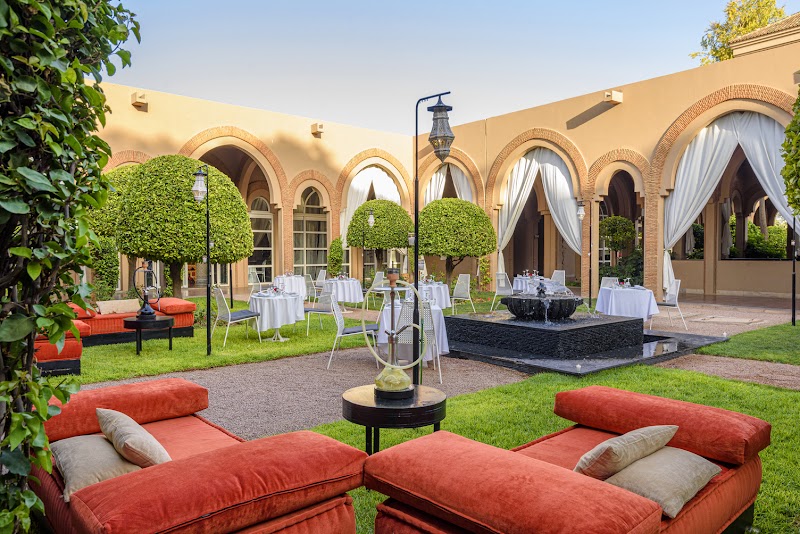
Morocco · Marrakesh
Barceló Palmeraie Oasis Resort review: a family-focused stay
Public reviews highlight spacious grounds, strong children’s facilities and friendly service, with food variety the main recurring concern.

Morocco · Agadir
Allegro Agadir: A Sociable Hotel with Strong Facilities
Public reviews praise Allegro Agadir for its friendly staff, clean rooms, pool and lively entertainment, while food quality is less consistent.
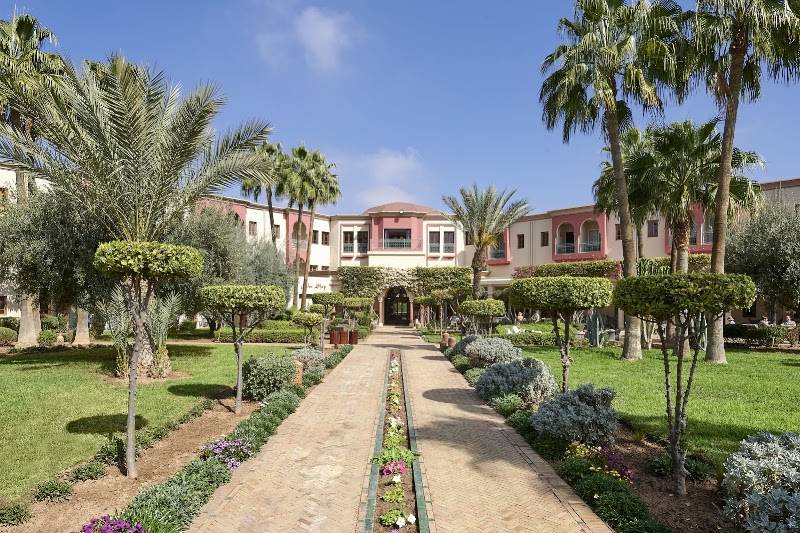
Morocco · Americhich
Iberostar Waves Club Palmeraie: A Social Marrakech Resort Stay
Public reviews praise the staff, food and entertainment, while raising practical questions about dated rooms, air conditioning and buffet labelling.
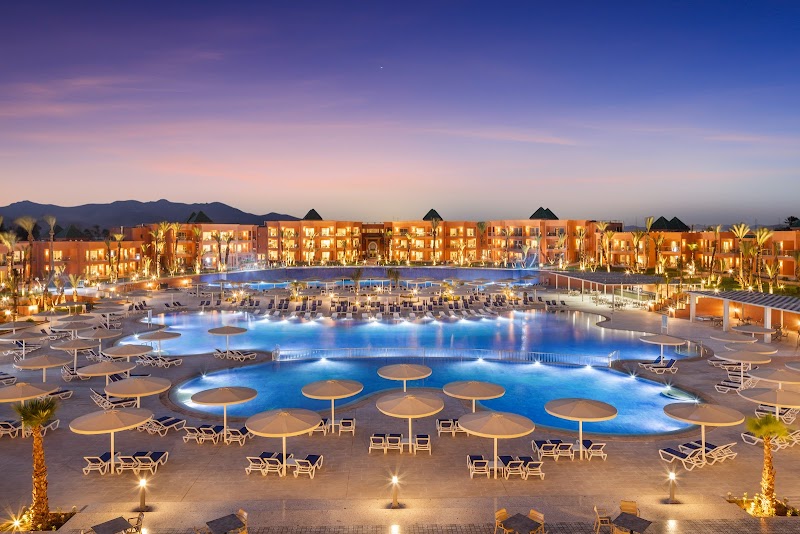
Morocco · Marrakech
Pickalbatros Sungo Club: A Family Resort Built Around Pools
Public reviews present this Marrakech all-inclusive resort as a spacious, energetic choice for families who value pools, activities and friendly service.